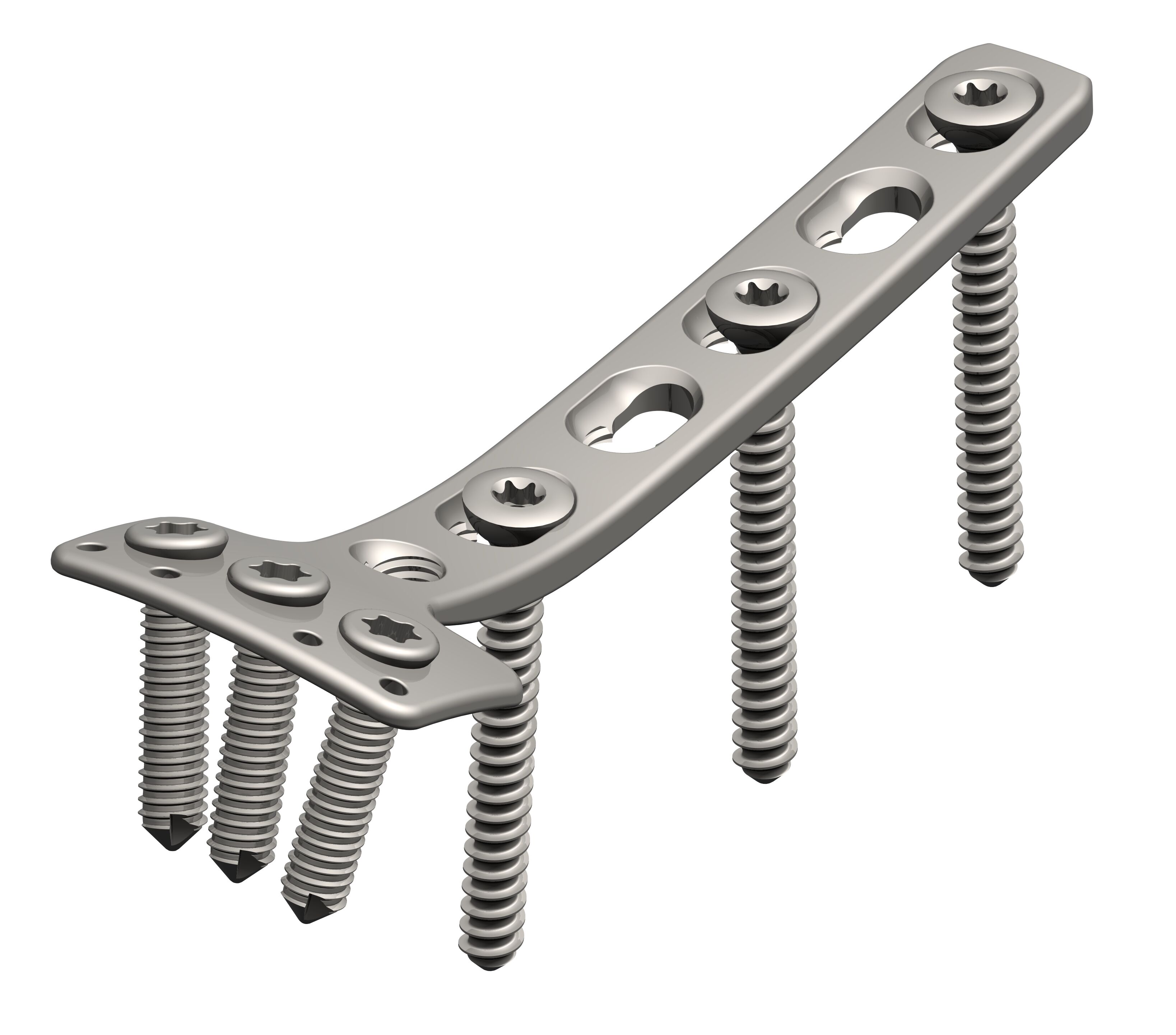
Elegir al socio OEM adecuado para placas y tornillos traumatológicos representa una de las decisiones más críticas para las empresas de dispositivos médicos y los fabricantes de instrumentos ortopédicos. El éxito de sus productos de fijación traumatológica depende directamente de la experiencia en fabricación, los estándares de calidad y las capacidades de cumplimiento normativo del proveedor OEM seleccionado. Con el crecimiento constante del mercado global de implantes traumatológicos y la creciente demanda de soluciones especializadas para la fijación de fracturas, encontrar un socio OEM fiable para placas y tornillos traumatológicos se ha vuelto esencial para mantener una ventaja competitiva y garantizar la seguridad del paciente.
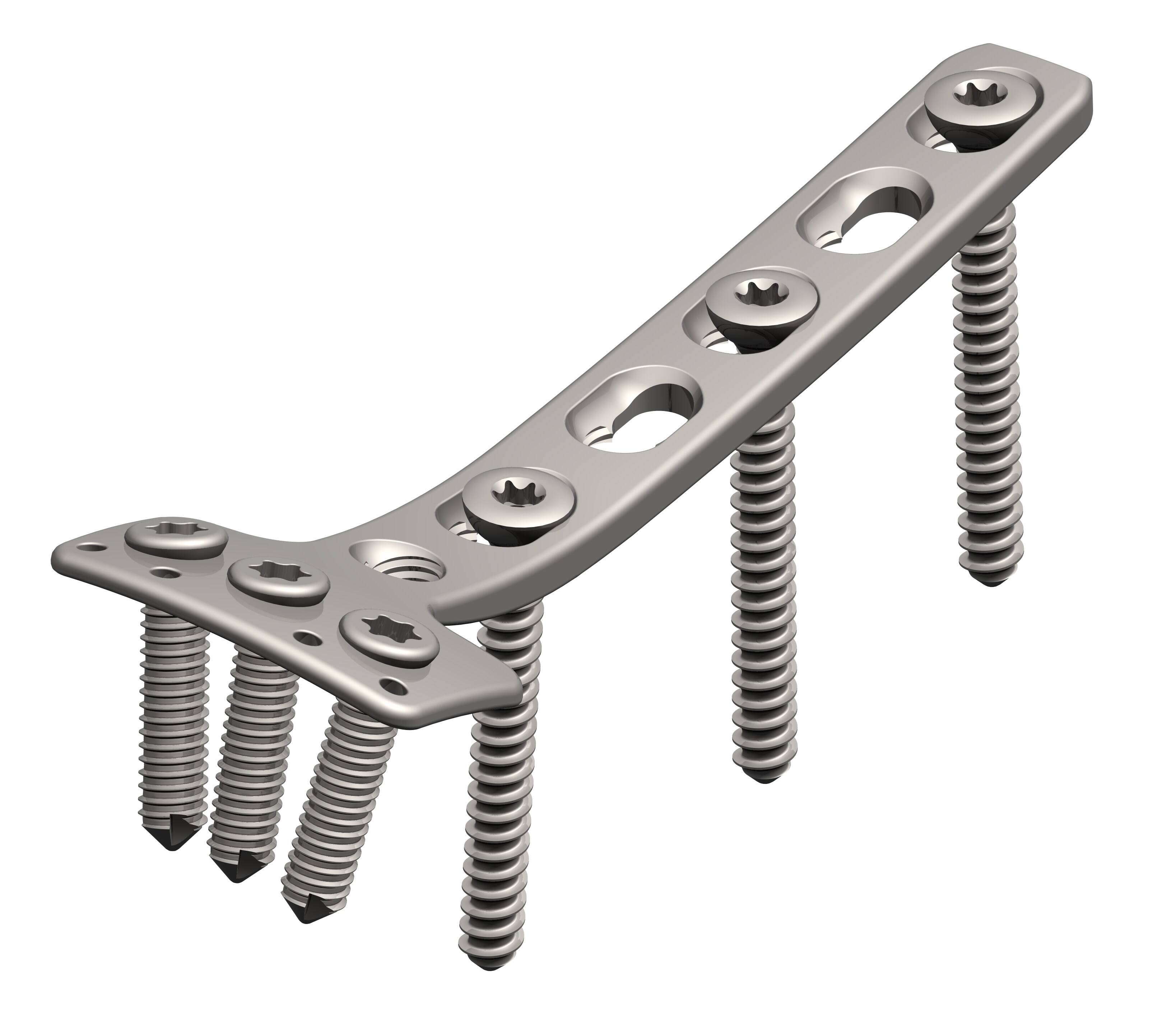
El proceso de selección de un socio OEM para placas y tornillos traumatológicos requiere una evaluación cuidadosa de múltiples factores que afectan directamente la calidad del producto, los plazos de aprobación regulatoria y la sostenibilidad empresarial a largo plazo. A diferencia de las asociaciones de fabricación estándar, las relaciones OEM en el sector de implantes traumatológicos exigen conocimientos especializados sobre materiales biocompatibles, capacidades de mecanizado de precisión y sistemas rigurosos de gestión de la calidad. Su socio elegido debe demostrar experiencia comprobada en la fabricación de dispositivos de fijación traumatológica que cumplan con las normas internacionales para dispositivos médicos, al tiempo que ofrezca la escalabilidad y el apoyo a la innovación necesarios para el éxito en el mercado.
Capacidades de Fabricación y Experiencia Técnica
Tecnologías de Mecanizado de Precisión y Tratamiento de Superficies
Un socio OEM calificado para placas y tornillos traumatológicos debe poseer capacidades avanzadas de mecanizado de precisión que garanticen una precisión dimensional constante en todos los componentes de fijación traumatológica. La instalación de fabricación debe contar con centros de mecanizado CNC de última generación, capaces de producir geometrías complejas de placas con tolerancias dentro de ±0,05 mm. Las tecnologías de tratamiento superficial desempeñan un papel igualmente crítico, ya que los implantes traumatológicos requieren acabados superficiales específicos para favorecer la osteointegración y prevenir la corrosión. Su socio OEM debe ofrecer múltiples opciones de tratamiento superficial, incluyendo anodizado, granallado y aplicaciones de recubrimientos especializados que mejoren la biocompatibilidad y las propiedades mecánicas.
La experiencia técnica del equipo de fabricación afecta directamente la calidad y la consistencia en la producción de placas y tornillos para traumatología ósea. Los socios OEM experimentados emplean ingenieros con conocimientos especializados en el diseño de implantes ortopédicos, ciencia de materiales y protocolos de ensayos biomecánicos. Esta experiencia resulta especialmente valiosa al desarrollar soluciones personalizadas de fijación traumatológica o al modificar diseños existentes para cumplir requisitos clínicos específicos. Las capacidades de fabricación también deben incluir el diseño y la fabricación internos de utillajes, lo que permite un desarrollo ágil de prototipos y una configuración eficiente de la producción para nuevos diseños de implantes traumatológicos.
Selección de materiales y capacidades de procesamiento
La selección de materiales adecuados representa un aspecto fundamental de las asociaciones OEM para placas y tornillos traumatológicos. Su socio fabricante debe demostrar un conocimiento exhaustivo de los materiales biocompatibles, incluidas las aleaciones de titanio, los grados de acero inoxidable y las composiciones poliméricas especializadas utilizadas en aplicaciones de fijación traumatológica. Las capacidades de procesamiento de materiales deben abarcar la manipulación, el almacenamiento y el mecanizado adecuados de estas aleaciones especializadas, manteniendo al mismo tiempo la trazabilidad durante todo el proceso de producción. La instalación OEM también debe mantener controles ambientales adecuados para prevenir la contaminación durante el procesamiento de materiales y el ensamblaje de componentes.
Los protocolos de certificación y ensayo de materiales constituyen componentes esenciales de una asociación fiable con un fabricante original de placas y tornillos para traumatología ósea. Su socio seleccionado debe disponer de capacidades integrales de ensayo de materiales, incluida la verificación de propiedades mecánicas, el análisis de composición química y los ensayos de biocompatibilidad conforme a las normas ISO. La instalación de fabricación también debe demostrar sistemas adecuados de gestión de inventario de materiales que garanticen la trazabilidad por lote y eviten la contaminación cruzada entre distintos grados de material. Estas capacidades adquieren especial importancia al producir implantes traumatológicos destinados a múltiples mercados con requisitos regulatorios diversos.
Gestión de la calidad y cumplimiento normativo
certificación ISO e implementación de sistemas de calidad
Un socio OEM reputado para placas y tornillos traumatológicos debe mantener sistemas integrales de gestión de la calidad que cumplan con las normas internacionales para dispositivos médicos. La instalación de fabricación debe poseer actualmente la certificación ISO 13485 específicamente para la producción de dispositivos médicos, lo que demuestra la implementación sistemática de controles de calidad en todo el proceso productivo. Esta certificación garantiza que su socio OEM siga protocolos establecidos para el control del diseño, la gestión de riesgos y los procedimientos de acción correctiva, los cuales afectan directamente la seguridad y eficacia de los productos para fijación traumatológica.
La implementación de los sistemas de calidad va más allá de los requisitos básicos de certificación para abarcar procesos de mejora continua y seguimiento del desempeño. Su socio OEM de placas y tornillos para traumatología debe mantener métricas de calidad detalladas, incluidas las tasas de defectos, las quejas de los clientes y la eficacia de las acciones correctivas. El sistema de gestión de la calidad también debe incluir procedimientos rigurosos de calificación de proveedores, garantizando que todos los materiales y componentes cumplan con los requisitos especificados. Las auditorías internas periódicas y las revisiones por parte de la dirección demuestran un compromiso continuo con la excelencia en calidad y el cumplimiento normativo en la fabricación de implantes traumatológicos.
Documentación reglamentaria y apoyo para su presentación
Navegar por el complejo panorama normativo para implantes traumatológicos requiere una experiencia especializada que va más allá de las capacidades de fabricación. Su socio OEM de placas óseas y tornillos traumatológicos debe ofrecer un soporte integral en materia de documentación normativa, incluidos los expedientes técnicos, los informes de análisis de riesgos y los resúmenes de evaluación clínica. Esta documentación constituye la base para las presentaciones normativas en mercados importantes, como las autorizaciones FDA 510(k), la marcación CE conforme al Reglamento sobre dispositivos médicos y otras aprobaciones internacionales necesarias para acceder a los mercados globales.
Las capacidades de apoyo regulatorio de su socio OEM deben incluir la supervisión continua del cumplimiento normativo y la gestión de actualizaciones a medida que evolucionan las regulaciones. Los proveedores experimentados de placas y tornillos para traumatología OEM mantienen equipos especializados en asuntos regulatorios que siguen de cerca los requisitos cambiantes y garantizan el cumplimiento continuo durante todo el ciclo de vida del producto. Este apoyo resulta especialmente valioso al expandirse a nuevos mercados geográficos o al introducir modificaciones de diseño que podrían desencadenar requisitos regulatorios adicionales. La capacidad de ofrecer una respuesta regulatoria ágil y actualizar la documentación puede influir significativamente en el tiempo de comercialización de nuevos productos de fijación traumatológica.
Apoyo a la innovación y desarrollo de diseños
Capacidades de diseño personalizado y soporte de ingeniería
Los principales socios OEM de placas y tornillos traumatológicos para huesos ofrecen un soporte integral para el desarrollo de diseños que va más allá de los servicios básicos de fabricación. El equipo de ingeniería debe poseer conocimientos especializados en biomecánica ortopédica, lo que le permite optimizar los diseños de implantes para aplicaciones clínicas específicas y condiciones de carga determinadas. Las capacidades de diseño personalizado deben incluir análisis por elementos finitos, desarrollo de prototipos y refinamiento iterativo del diseño basado en comentarios clínicos y en los resultados de ensayos biomecánicos. Este apoyo de ingeniería resulta esencial al desarrollar soluciones innovadoras de fijación traumatológica que aborden desafíos clínicos específicos o brechas del mercado.
El proceso de desarrollo del diseño debe incorporar una comprensión exhaustiva de las técnicas quirúrgicas y los requisitos del flujo de trabajo clínico. Su socio OEM de placas y tornillos para traumatología debe mantener relaciones estrechas con cirujanos ortopédicos y especialistas clínicos que aporten información valiosa durante la fase de diseño. Esta colaboración clínica garantiza que los nuevos diseños de implantes traumatológicos aborden los desafíos quirúrgicos reales, al tiempo que mantienen la compatibilidad con la instrumentación existente y los enfoques quirúrgicos actuales. La capacidad de prototipar y probar rápidamente nuevos diseños acelera los ciclos de innovación y permite una introducción más rápida en el mercado de soluciones mejoradas para la fijación traumatológica.
Protección de la propiedad intelectual y transferencia de tecnología
Las consideraciones sobre propiedad intelectual desempeñan un papel fundamental en las asociaciones OEM para placas y tornillos traumatológicos, especialmente al desarrollar diseños personalizados o implementar procesos de fabricación patentados. Su socio OEM debe mantener acuerdos claros sobre propiedad intelectual que protejan sus innovaciones de diseño, respetando al mismo tiempo las patentes y marcas registradas existentes en el sector de implantes traumatológicos. La instalación de fabricación también debe aplicar medidas adecuadas de confidencialidad y controles de acceso para proteger la información sensible sobre los diseños y las técnicas de fabricación patentadas.
Las capacidades de transferencia tecnológica permiten una colaboración eficaz entre su equipo interno de desarrollo y el socio OEM de placas y tornillos para traumatología ósea. La instalación de fabricación debe proporcionar documentación exhaustiva de los procesos productivos, los procedimientos de calidad y los protocolos de ensayo que faciliten la transferencia de conocimientos y el soporte técnico continuo. Esta documentación adquiere especial importancia al escalar los volúmenes de producción o al trasladar la fabricación a instalaciones adicionales. Protocolos claros de transferencia tecnológica garantizan una calidad de producto consistente y el cumplimiento normativo en toda la red de fabricación.
Gestión de la Cadena de Suministro y Escalabilidad
Capacidad de producción y flexibilidad
Evaluación de la capacidad de producción y escalabilidad de los posibles placas óseas y tornillos para traumatología oem la selección de socios requiere un análisis cuidadoso de los volúmenes actuales de fabricación y de las capacidades de expansión. La instalación de fabricación debe demostrar una capacidad suficiente para satisfacer la demanda proyectada, manteniendo al mismo tiempo la flexibilidad necesaria para adaptarse a las fluctuaciones de volumen y a las variaciones estacionales. La escalabilidad de la producción adquiere especial importancia a medida que su negocio de implantes traumatológicos crece y se expande a nuevos mercados geográficos con patrones de demanda diversos.
La flexibilidad de fabricación abarca la capacidad de cambiar eficientemente entre distintas líneas de productos y atender pedidos personalizados sin interrumpir los horarios habituales de producción. Su socio OEM de placas y tornillos para traumatología debe disponer de equipos de fabricación versátiles y de una plantilla cualificada capaz de gestionar especificaciones de producto diversas y tamaños variables de lotes. Esta flexibilidad permite ofrecer un servicio al cliente ágil y reduce los plazos de entrega para pedidos urgentes o modificaciones de producto. La planta de fabricación también debe demostrar su capacidad para aplicar los principios de la producción ajustada (lean manufacturing), que optimizan la eficiencia sin comprometer los estándares de calidad.
Gestión de riesgos de la cadena de suministro y planificación de contingencias
Una gestión robusta de la cadena de suministro representa un factor crítico al seleccionar un socio OEM confiable para placas y tornillos traumatológicos. La instalación de fabricación debe mantener redes diversificadas de proveedores para materiales y componentes críticos, reduciendo así la dependencia de proveedores únicos que podrían interrumpir la producción. Los protocolos de evaluación de riesgos en la cadena de suministro deben identificar posibles vulnerabilidades y establecer planes de contingencia que garanticen la continuidad del suministro durante interrupciones imprevistas. Este enfoque de gestión de riesgos resulta especialmente importante para implantes traumatológicos, ya que las interrupciones en el suministro podrían afectar la atención al paciente y los resultados clínicos.
La planificación de contingencia debe abarcar múltiples escenarios, incluidas las interrupciones de los proveedores, los retrasos en el transporte y el cierre de instalaciones debido a desastres naturales u otras emergencias. Su socio OEM de placas y tornillos traumatológicos para huesos debe mantener niveles estratégicos de inventario de materiales críticos y productos terminados que proporcionen capacidad de amortiguación durante las interrupciones de la cadena de suministro. Los planes de contingencia también deben incluir acuerdos alternativos de fabricación y opciones de envío exprés que minimicen el impacto en las entregas a los clientes. La revisión periódica y actualización de estos planes de contingencia garantiza su eficacia cuando se produzcan interrupciones reales.
Estructura de costos y estabilidad financiera
Modelos de precios transparentes y optimización de costes
Comprender la estructura de costes y la metodología de fijación de precios de los posibles socios OEM para placas y tornillos traumatológicos para huesos permite una planificación financiera precisa y estrategias competitivas de precios. El socio OEM debe proporcionar modelos de precios transparentes que detallen claramente los costes de fabricación, las tarifas de ensayos de calidad, los gastos derivados del cumplimiento normativo y otros componentes de servicio. Esta transparencia permite comparar mejor los costes entre posibles socios y facilita las negociaciones para acuerdos de precios basados en volúmenes, lo que reduce el coste por unidad a medida que aumentan los volúmenes de producción.
Las oportunidades de optimización de costes deben ir más allá de los gastos básicos de fabricación para abarcar todo el ciclo de vida del producto. Su socio OEM de placas y tornillos para traumatología debe demostrar la capacidad de identificar e implementar iniciativas de reducción de costes que mantengan los estándares de calidad al tiempo que mejoren la eficiencia operativa. Estos esfuerzos de optimización podrían incluir mejoras de procesos, sustituciones de materiales o modificaciones de diseño que reduzcan la complejidad de fabricación sin comprometer el rendimiento del producto. La capacidad de optimizar continuamente los costes manteniendo la calidad aporta una ventaja competitiva a largo plazo en el mercado de implantes traumatológicos.
Estabilidad financiera y viabilidad de la asociación a largo plazo
Evaluar la estabilidad financiera de los posibles socios OEM de placas y tornillos para traumatología ósea protege contra interrupciones del suministro y fracasos en las asociaciones que podrían afectar sus operaciones comerciales. La empresa fabricante debe demostrar un sólido desempeño financiero, un capital de trabajo adecuado y una estructura de propiedad estable que respalde compromisos de asociación a largo plazo. Los indicadores de estabilidad financiera incluyen una rentabilidad constante, niveles de deuda manejables y un flujo de caja suficiente para sostener las operaciones continuas y las inversiones de capital en equipos de fabricación y mejoras de instalaciones.
La viabilidad de una asociación a largo plazo exige la alineación de los objetivos estratégicos y el compromiso mutuo con el crecimiento y la innovación en el sector de implantes traumatológicos. Su socio OEM de placas óseas y tornillos traumatológicos debe demostrar una clara visión estratégica para la industria de dispositivos médicos, así como disposición para invertir en capacidades avanzadas de fabricación que respalden el desarrollo futuro de productos. El acuerdo de asociación debe incluir cláusulas relativas al seguimiento del desempeño, la resolución de controversias y la evolución de la asociación a medida que cambien las condiciones del mercado y los requisitos empresariales con el tiempo.
Preguntas frecuentes
¿Qué certificaciones de fabricación debo exigir a un socio OEM de placas óseas y tornillos traumatológicos?
Su socio OEM para placas y tornillos traumatológicos debe mantener, como requisito mínimo, la certificación actual ISO 13485 para la fabricación de dispositivos médicos. Otras certificaciones a considerar incluyen el registro ante la FDA para acceder al mercado estadounidense, el cumplimiento de la marcación CE para los mercados europeos y certificaciones específicas por país para los mercados internacionales objetivo. La instalación de fabricación también debe demostrar el cumplimiento de las Buenas Prácticas de Fabricación y mantener sistemas adecuados de gestión de la calidad que respalden las presentaciones regulatorias y la supervisión continua del cumplimiento.
¿Cómo puedo evaluar las capacidades técnicas de posibles socios OEM para placas y tornillos traumatológicos?
La evaluación de la capacidad técnica debe incluir auditorías integrales de las instalaciones que analicen los equipos de fabricación, las capacidades de ensayo de calidad y la experiencia técnica. Revise la cartera de productos existentes del socio en implantes traumatológicos, estudios de caso de fabricación y testimonios de clientes para comprender su nivel de experiencia. Solicite documentación técnica detallada, incluidos diagramas de flujo de procesos, procedimientos de calidad y protocolos de ensayo, para evaluar su enfoque sistemático en la fabricación bajo pedido (OEM) de placas y tornillos traumatológicos para huesos. Considere la realización de proyectos piloto o el desarrollo de prototipos para evaluar sus capacidades reales de desempeño antes de comprometerse con acuerdos de producción a gran escala.
¿Qué factores debo considerar al comparar los precios entre distintos proveedores OEM de placas y tornillos traumatológicos para huesos?
La comparación de precios debe abarcar el costo total de propiedad, incluidos los costos de fabricación, las tarifas de pruebas de calidad, los gastos de apoyo regulatorio y los cargos por envío. Considere estructuras de precios basadas en volúmenes y requisitos mínimos de pedido que puedan afectar su estructura de costos a distintos niveles de producción. Evalúe las capacidades del socio para la optimización de costos y su historial comprobado en la implementación de mejoras de eficiencia que reduzcan los costos a largo plazo. Asimismo, evalúe los servicios de valor añadido ofrecidos por cada socio OEM de placas y tornillos para traumatología ósea, incluido el soporte de diseño, la asistencia regulatoria y la gestión de la cadena de suministro, los cuales pueden justificar las diferencias de precio entre los proveedores.
¿Qué importancia tiene la ubicación geográfica al seleccionar un socio OEM de placas y tornillos para traumatología ósea?
La ubicación geográfica afecta varios factores críticos, como los costos de envío, los plazos de entrega, los requisitos de cumplimiento normativo y la eficacia de la comunicación. Los socios ubicados más cerca de sus mercados principales pueden ofrecer menores costos de transporte y tiempos de entrega más cortos, mientras que los socios internacionales podrían brindar ventajas de costo para la producción en grandes volúmenes. Considere el entorno normativo en la ubicación del socio y su capacidad para apoyar las presentaciones en sus mercados objetivo. Las diferencias horarias y las barreras lingüísticas pueden afectar la eficacia de la comunicación y la eficiencia en la gestión de proyectos para asociaciones OEM de placas y tornillos óseos para traumatología compleja, que requieren una estrecha colaboración durante las fases de desarrollo y producción.
Tabla de contenidos
- Capacidades de Fabricación y Experiencia Técnica
- Gestión de la calidad y cumplimiento normativo
- Apoyo a la innovación y desarrollo de diseños
- Gestión de la Cadena de Suministro y Escalabilidad
- Estructura de costos y estabilidad financiera
-
Preguntas frecuentes
- ¿Qué certificaciones de fabricación debo exigir a un socio OEM de placas óseas y tornillos traumatológicos?
- ¿Cómo puedo evaluar las capacidades técnicas de posibles socios OEM para placas y tornillos traumatológicos?
- ¿Qué factores debo considerar al comparar los precios entre distintos proveedores OEM de placas y tornillos traumatológicos para huesos?
- ¿Qué importancia tiene la ubicación geográfica al seleccionar un socio OEM de placas y tornillos para traumatología ósea?