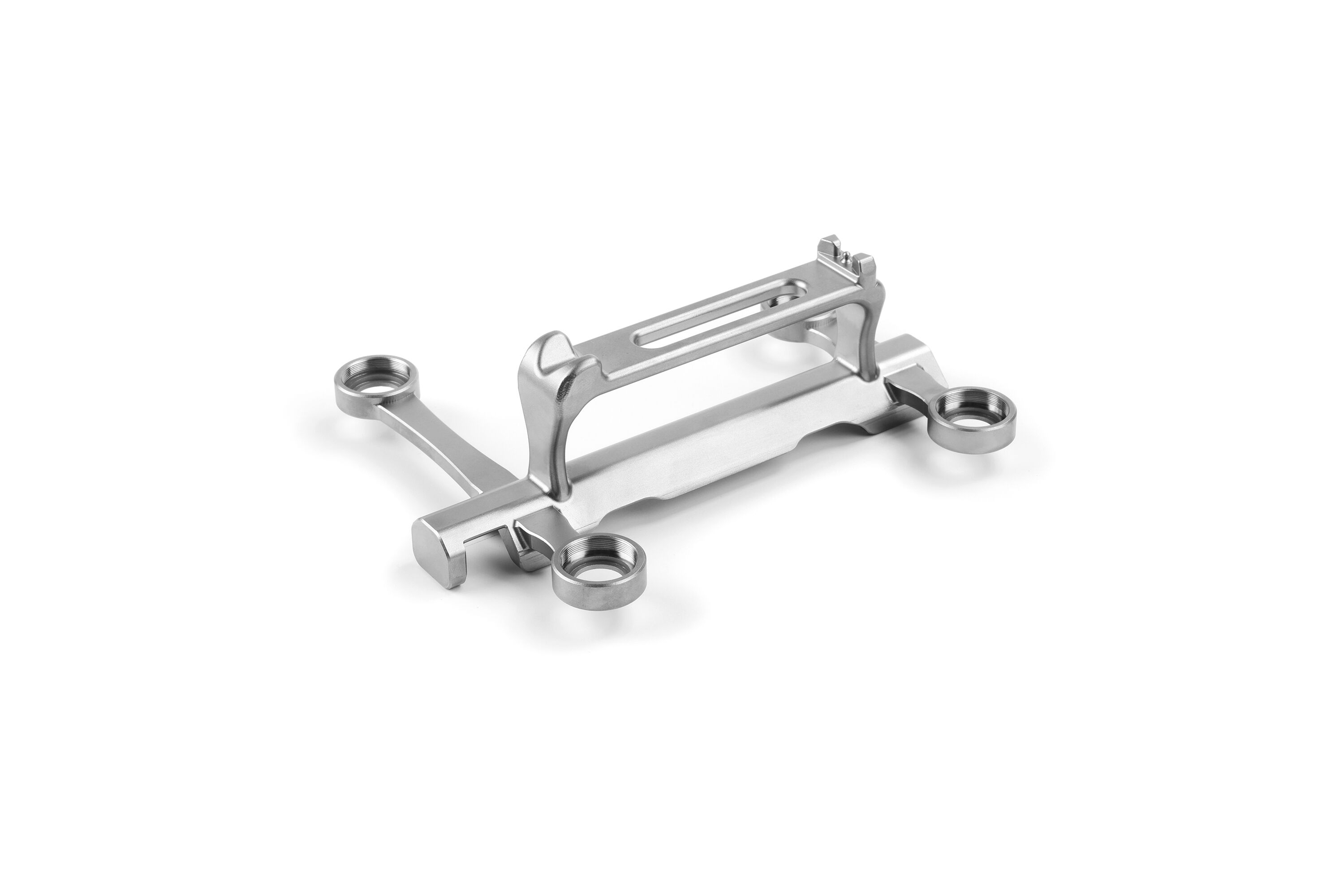
Priemysel chirurgickej robotiky zažíva bezprecedentnú transformáciu, keďže zdravotnícke systémy po celom svete vyžadujú presnejšie, efektívnejšie a minimálne invazívne chirurgické riešenia. V strede tejto revolúcie stojí kľúčová úloha špecializovaných výrobcov, ktorí vyvíjajú zložité komponenty poháňajúce tieto pokročilé zdravotnícke zariadenia. Odvetvie výroby komponentov pre chirurgické roboty sa rýchlo mení pod vplyvom technologických prelomov, regulačných zmien a meniacich sa trhových požiadaviek, ktoré preformujú spôsob návrhu, výroby a integrácie komponentov do kompletných chirurgických systémov.
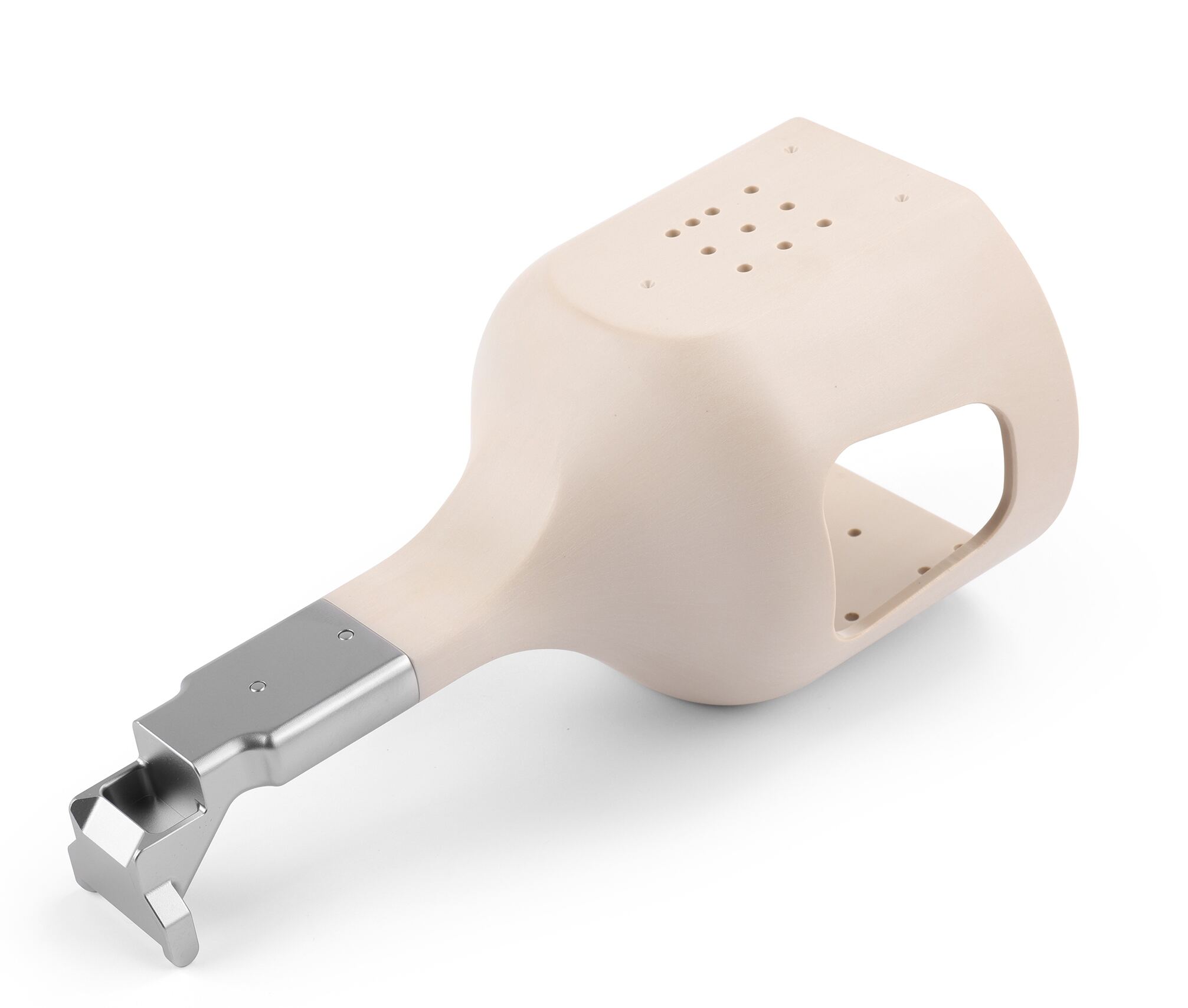
Výrobca súčastí dnešných chirurgických robotov čelí dynamickému prostrediu, v ktorom sa vznikajúce trendy zásadne menia výrobné metodiky, výber materiálov a protokoly zabezpečenia kvality. Od pokročilej integrácie senzorov a komponentov s podporou umelej inteligencie po udržateľné výrobné postupy a personalizované chirurgické riešenia – tieto trendy predstavujú nielen postupné zlepšenia, ale aj paradigmatické zmeny, ktoré budú definovať budúcnosť chirurgickej robotiky. Porozumenie týmto vznikajúcim trendom je kľúčové pre poskytovateľov zdravotnej starostlivosti, výrobcov lekárskych prístrojov a technologických partnerov, ktorí sa snažia využiť najnovšie možnosti chirurgickej robotiky pri zároveň zabezpečení bezpečnosti pacientov a operačnej excelentnosti.
Pokročilá veda o materiáloch a inovácie v oblasti výroby
Integrácia biokompatibilných chytrých materiálov
Vývoj komponentov chirurgických robotov začína revolučnými pokrokmi v oblasti materiálového inžinierstva, kde výrobcovia čoraz viac uplatňujú biokompatibilné „chytré“ materiály, ktoré dynamicky reagujú na podmienky v operačnom prostredí. Tieto inovatívne materiály, vrátane zliatin s pamäťou tvaru a samoregenerujúcich sa polymérov, umožňujú tímom výrobcov komponentov chirurgických robotov vytvárať súčiastky, ktoré sa v reálnom čase prispôsobujú operačným podmienkam a poskytujú zvýšenú presnosť a spoľahlivosť počas zložitých výkonov. Integrácia týchto materiálov predstavuje významný odchod od tradičných statických komponentov a ponúka chirurgom nástroje, ktoré dokážu upraviť svoje mechanické vlastnosti na základe teploty, tlaku alebo elektrických podnietov vyskytujúcich sa počas operácie.
Výrobné procesy týchto pokročilých materiálov vyžadujú sofistikované systémy kontroly kvality a špecializované výrobné prostredia, ktoré zabezpečujú konzistentnú biokompatibilitu a výkonné vlastnosti. Vедúce organizácie vyrábajúce komponenty chirurgických robotov investujú významné prostriedky do čistých miestností a pokročilých protokolov testovania, aby overili výkon materiálov v rôznych chirurgických scénariách. Toto angažovanosť vo vývoji materiálov sa rozširuje nad rámec základných funkcií a zahŕňa dlhodobú trvanlivosť, kompatibilitu so sterilizačnými postupmi a bezpečnosť interakcie s ľudskými tkanivami, čím vznikajú komponenty, ktoré spĺňajú najprísnejšie štandardy pre lekárske pomôcky a súčasne posúvajú hranice chirurgických možností.
Presná výroba prostredníctvom aditívnych technológií
Technológie prídavného výrobného procesu menia spôsob výroby komponentov chirurgických robotov a umožňujú vytváranie zložitých geometrií a prispôsobených riešení, ktoré boli predtým s tradičnými obrábacími metódami nemožné. Každý výrobca komponentov chirurgických robotov preskúmava pokročilé techniky 3D tlače, vrátane selektívneho laserového spekania a topenia elektrónovým lúčom, aby vyrábal komponenty so zložitými vnútornými štruktúrami, ktoré optimalizujú hmotnosť, pevnosť a funkčnosť. Tieto výrobné prístupy umožňujú vytváranie komponentov špecifických pre jednotlivého pacienta, ktoré možno prispôsobiť individuálnym anatomickej potrebe, čo predstavuje významný posun smerom k personalizovaným chirurgickým riešeniam.
Prijatie aditívnej výroby tiež umožňuje rýchle prototypovanie a iteratívne zlepšovanie návrhu, čo umožňuje tímom výrobcov komponentov chirurgických robotov urýchliť vývoj produktov a súčasne znížiť plytvanie materiálom a výrobné náklady. Pokročilé možnosti tlače z viacerých materiálov umožňujú súčasnú výrobu komponentov s rôznymi mechanickými vlastnosťami, čím sa vytvárajú jednodílne zostavy, ktoré predtým vyžadovali viacero výrobných krokov a montážnych procesov. Tento technologický vývoj je obzvlášť cenný pri výrobe zložitých aktuátorov, senzorových krytie a klzových kĺbov, ktoré vyžadujú presné tolerancie rozmerov a vynikajúce povrchové povrchové úpravy na zabezpečenie optimálneho výkonu chirurgického robota.
Umelá inteligencia a integrácia inteligentných komponentov
Systémy fúzie senzorov s pomocou umelej inteligencie
Integrácia umelej inteligencie do komponentov chirurgických robotov predstavuje transformačný trend, pri ktorom sa tradičné mechanické systémy vyvíjajú na inteligentné, samooptimalizujúce sa zariadenia schopné učiť sa z chirurgických výkonov a prispôsobovať svoje výkonnostné parametre príslušným požiadavkám. Výrobné operácie moderných výrobcov komponentov chirurgických robotov zavádzajú pokročilé systémy fúzie senzorov, ktoré kombinujú viaceré senzorové metódy – vrátane spätnej väzby sily, vizuálneho rozpoznávania a dotykovej percepcie – do jednotných inteligentných systémov, ktoré poskytujú chirurgom bezprecedentnú situatívnu pohotovosť počas výkonov. Tieto komponenty s podporou umelej inteligencie dokážu spracovať obrovské množstvá údajov v reálnom čase, aby poskytli prediktívne poznatky, detekciu odchýlok a adaptívne ovládacie odpovede, ktoré zvyšujú presnosť a bezpečnosť chirurgických zásahov.
Vývoj týchto inteligentných komponentov vyžaduje, aby tímy výrobcov komponentov pre chirurgické roboty úzko spolupracovali so softvérovými inžiniermi, vedcami pracujúcimi s dátami a lekármi, aby sa zabezpečilo, že algoritmy umelej inteligencie sú správne natrénované a overené pre chirurgické aplikácie. Modely strojového učenia zabudované do týchto komponentov neustále zlepšujú svoj výkon prostredníctvom vystavenia rozmanitým chirurgickým scenárom, čím vznikajú systémy, ktoré sa postupne stávajú schopnejšími a spoľahlivejšími. Tento vývoj smerom k inteligentným komponentom predstavuje zásadný posun od reaktívnej k proaktívnej chirurgickej robotike, pri ktorej systémy dokážu predvídať chirurgické potreby a automaticky upraviť svoje správanie za účelom optimalizácie výsledkov liečby pacientov.
Edge Computing a spracovanie v reálnom čase
Implementácia možností hraničného výpočtového spracovania (edge computing) v rámci komponentov chirurgických robotov umožňuje spracovanie dát v reálnom čase a rozhodovanie priamo na mieste chirurgického zásahu, čím sa zníži oneskorenie a zlepší sa reakčná schopnosť systému počas kritických procedúr. Každý výrobca komponentov chirurgického robota integruje výkonné mikroprocesory a špecializované výpočtové jednotky priamo do súborov komponentov, čím vytvára distribuované siete inteligencie schopné spracovávať zložité algoritmy bez potreby vonkajších výpočtových prostriedkov. Tento distribuovaný prístup zvyšuje spoľahlivosť systému a zaisťuje konzistentný výkon aj v náročných sieťových prostrediach alebo počas dlhodobých chirurgických zákrosov.
Integrácia edge computingu umožňuje tiež sofistikované opatrenia na zabezpečenie dát a ochranu súkromia, čo umožňuje spracovávať citlivé údaje pacientov a chirurgické údaje lokálne bez ich prenosu na vonkajšie servery. Táto schopnosť je obzvlášť dôležitá na zabezpečenie dodržiavania predpisov o ochrane zdravotníckych údajov a zároveň umožňuje pokročilé funkcie chirurgickej pomoci riadenej umeľnou inteligenciou. Vývoj smerom k komponentom s podporou edge computingu predstavuje významnú technickú výzvu pre výrobcov komponentov chirurgických robotov, ktorí musia disponovať odbornosťou v návrhu zabudovaných systémov, tepelnom manažmente a zmierňovaní elektromagnetických rušení, aby sa zabezpečila spoľahlivá prevádzka v náročných chirurgických prostrediach.
Modulárny dizajn a možnosti prispôsobenia
Architektúry vymeniteľných komponentov
Trend k modulárnej konštrukcii chirurgických robotov podnecuje vývoj komponentov pre chirurgické roboty smerom k štandardizovaným, vzájomne zameniteľným architektúram komponentov, ktoré umožňujú flexibilné konfigurácie systémov a zjednodušené postupy údržby. Tieto modulárne prístupy umožňujú chirurgickým tímom prispôsobiť schopnosti robota konkrétnym výkonom výberom vhodných kombinácií komponentov, čím vznikajú nákladovo efektívne riešenia, ktoré možno prispôsobiť rozmanitým chirurgickým požiadavkám bez nutnosti úplnej výmeny systému. Štandardizácia rozhraní a komunikačných protokolov medzi komponentmi umožňuje bezproblémovú integráciu a znižuje zložitosť uvádzania systému do prevádzky a následných údržbových operácií.
Implementácia princípov modulárneho návrhu vyžaduje, aby tímy výrobcov komponentov chirurgických robotov vyvíjali sofistikované systémy identifikácie komponentov a správy konfigurácií, ktoré zabezpečujú správnu kompatibilitu a optimálny výkon pri rôznych kombináciách komponentov. Pokročilé diagnostické funkcie zabudované do modulárnych komponentov umožňujú automatickú konfiguráciu systému a optimalizáciu jeho výkonu, čím sa zníži zaťaženie chirurgického personálu a zároveň sa zabezpečí konzistentný výkon systému. Táto modulárna evolúcia tiež usmerňuje aktualizácie komponentov a cykly obnovy technológií, čo umožňuje poskytovateľom zdravotnej starostlivosti postupne zlepšovať schopnosti svojich chirurgických robotov bez veľkých kapitálových investícií.
Optimalizácia komponentov pre špecifické aplikácie
Rozšírenie aplikácií chirurgickej robotiky do viacerých lekárskych špecialít podnecuje inovácie výrobcov komponentov chirurgických robotov smerom k optimalizácii pre konkrétne aplikácie, pričom komponenty sú navrhované a vyrábané tak, aby dosahovali vynikajúce výsledky v určitých chirurgických prostrediach a zodpovedali špecifickým požiadavkám na vykonávanie procedúr. Napríklad komponenty pre ortopedické chirurgické zásahy vyžadujú iné charakteristiky pevnosti a presnosti v porovnaní s neurochirurgickými alebo kardiochirurgickými aplikáciami, čo vedie k vytváraniu špecializovaných rodín komponentov, ktoré optimalizujú výkon pre konkrétne lekárske disciplíny. Táto špecializácia umožňuje chirurgom dosahovať lepšie výsledky využívaním komponentov, ktoré boli špeciálne navrhnuté pre ich konkrétne chirurgické výzvy a populáciu pacientov.
Vývoj komponentov špecifických pre dané aplikácie vyžaduje rozsiahlu spoluprácu medzi inžiniermi výrobcov komponentov chirurgických robotov a lekármi, aby sa pochopili jedinečné požiadavky a obmedzenia rôznych chirurgických špecialít. Pokročilé nástroje na simuláciu a modelovanie umožňujú optimalizáciu komponentov ešte pred fyzickým vytvorením prototypu, čím sa skracuje doba vývoja a zabezpečuje sa, že špecializované komponenty spĺňajú prísne požiadavky na výkon v rámci ich určeného použitia. Tento trend smerujúci k špecializácii predstavuje zrelý trh, kde sa univerzálne riešenia postupne nahradzujú vysokej úrovne optimalizovanými technológiami špecifickými pre jednotlivé výkony, ktoré prinášajú merateľné zlepšenia výsledkov chirurgických zákrokov a prevádzkovej efektívnosti.
Udržateľnosť a environmentálne hľadiská
Ekologicky šetrné výrobné postupy
Environmentálna udržateľnosť sa stáva čoraz dôležitejším aspektom pri výrobe komponentov chirurgických robotov, pričom poprední výrobcovia zavádzajú ekologicky šetrné výrobné procesy a stratégie získavania udržateľných materiálov, ktoré minimalizujú environmentálne dopady bez ohľadu na zachovanie najvyšších kvalitatívnych noriem. Postupne sa rozvíjajúce organizácie výrobcov komponentov chirurgických robotov prijímajú obnoviteľné zdroje energie, zavádzajú uzatvorené výrobné systémy a vyvíjajú recyklovateľné návrhy komponentov, ktoré znížia množstvo odpadu počas celého životného cyklu výrobku. Tieto iniciatívy v oblasti udržateľnosti prekračujú rámec len regulatívnej zhody a zahŕňajú aj korporátnu zodpovednosť a dlhodobé zlepšenia prevádzkovej efektívnosti.
Implementácia udržateľných výrobných postupov vyžaduje významné investície do pokročilých výrobných technológií a systémov na zníženie odpadu, avšak tieto iniciatívy často vedú k dlhodobým úsporám nákladov a zlepšeniu prevádzkovej efektívnosti. Výrobne súčiastok moderných chirurgických robotov zavádzajú pokročilé systémy riadenia energie, možnosti recirkulácie vody a systémy na využitie odpadového tepla, ktoré znižujú environmentálny dopad a zároveň zlepšujú ekonomiku výroby. Prijatie metodík posudzovania životného cyklu umožňuje výrobcom kvantifikovať environmentálny dopad a identifikovať príležitosti na ďalšie zlepšenia udržateľnosti počas celého procesu vývoja a výroby súčiastok.
Kruhová ekonomika a manažment životného cyklu súčiastok
Zavádzanie zásad kruhového hospodárstva v oblasti chirurgickej robotiky stimuluje inovácie výrobcov komponentov chirurgických robotov smerom k komplexným systémom riadenia životného cyklu komponentov, ktoré maximalizujú využitie materiálov a minimalizujú vznik odpadu. Pokročilé metodiky návrhu komponentov dnes už od počiatočných fáz vývoja zohľadňujú aspekty konca životnosti, čím sa zabezpečuje, že komponenty možno na konci ich prevádzkovej životnosti efektívne demontovať, obnoviť alebo recyklovať. Tento prístup vyžaduje sofistikovaný výber materiálov a spojovacích techník, ktoré umožňujú oddelenie komponentov a obnovu materiálov pri zachovaní štrukturálnej integrity a výkonu potrebného pre chirurgické aplikácie.
Zavádzanie zásad kruhového hospodárstva vyžaduje, aby tímy výrobcov komponentov chirurgických robotov vyvinuli komplexné systémy sledovania a správy, ktoré monitorujú výkon komponentov počas ich celého prevádzkového životného cyklu a usmerňujú optimálny čas pre obnovu alebo výmenu. Pokročilé algoritmy prediktívnej údržby dokážu identifikovať komponenty, ktoré sa blížia k koncu svojho životného cyklu, čím umožňujú proaktívne plánovanie výmeny, čo minimalizuje výpadky systému a zároveň maximalizuje efektívnosť využitia komponentov. Tento vývoj smerom k komplexnej správe životného cyklu predstavuje zásadný posun v spôsobe, akým sa komponenty chirurgických robotov navrhujú, vyrábajú a spravujú počas ich prevádzkového životného cyklu.
Často kladené otázky
Aké sú najvýznamnejšie nové trendy, ktoré v súčasnosti formujú výrobu komponentov chirurgických robotov?
Najvýznamnejšie vznikajúce trendy zahŕňajú integráciu umelej inteligencie a chytrých senzorov do komponentov, využívanie pokročilých biokompatibilných materiálov s adaptívnymi vlastnosťami, implementáciu prídavných výrobných technológií pre komplexné geometrie a vývoj modulárnych architektúr komponentov, ktoré umožňujú flexibilné konfigurácie systémov. Okrem toho nadobúdajú stále väčší význam aj otázky udržateľnosti a princípy kruhového hospodárstva, čo vedie výrobcov k ekologicky šetrným výrobným procesom a komplexným systémom manažmentu životného cyklu komponentov.
Ako sa umelej inteligencii integruje do komponentov chirurgických robotov?
Umelá inteligencia sa integruje prostredníctvom pokročilých systémov zlučovania senzorov, ktoré kombinujú viaceré senzorové metódy, schopností hraničného výpočtu (edge computing), ktoré umožňujú spracovanie a rozhodovanie v reálnom čase, a algoritmov strojového učenia, ktoré umožňujú komponentom učiť sa zo súčasných chirurgických zákrokov a prispôsobovať svoje výkony. Tieto komponenty s podporou umelej inteligencie môžu poskytovať prediktívne poznatky, detekciu odchýlok a adaptívne ovládacie odpovede, ktoré zvyšujú presnosť a bezpečnosť chirurgických zákrokov a súčasne neustále zlepšujú svoj výkon prostredníctvom vystavenia rozmanitým chirurgickým scenárom.
Akú úlohu hraje modulárny dizajn pri výrobe komponentov moderných chirurgických robotov?
Modulárny dizajn umožňuje vývoj štandardizovaných, vzájomne zameniteľných architektúr komponentov, ktoré umožňujú chirurgickým tímom prispôsobiť schopnosti robota konkrétnym výkonovým zásahom a zjednodušiť údržbové operácie. Tento prístup umožňuje nákladovo efektívne riešenia, ktoré je možné prispôsobiť rôznym chirurgickým požiadavkám, umožňuje aktualizáciu komponentov a cykly obnovy technológií a znižuje zložitosť systému pri zároveň zabezpečovaní konzistentného výkonu v rôznych kombináciách komponentov prostredníctvom pokročilých diagnostických a konfiguračných manažerských funkcií.
Ako ovplyvňujú environmentálne aspekty výrobné procesy komponentov chirurgických robotov?
Zohľadnenie udržateľnosti vedie výrobcov k ekologicky šetrným výrobným procesom, využívaniu obnoviteľných zdrojov energie, uzavretým výrobným systémom a návrhom recyklovateľných komponentov, ktoré minimalizujú environmentálny dopad počas celého životného cyklu výrobku. Medzi tieto iniciatívy patria zavádzanie princípov kruhového hospodárstva s komplexným manažmentom životného cyklu komponentov, vyvíjanie pokročilých systémov na zníženie odpadu a riadenie energie, ako aj začlenenie metodík hodnotenia životného cyklu na kvantifikáciu environmentálneho dopadu a identifikáciu príležitostí na neustále zlepšovanie výrobných operácií.
Obsah
- Pokročilá veda o materiáloch a inovácie v oblasti výroby
- Umelá inteligencia a integrácia inteligentných komponentov
- Modulárny dizajn a možnosti prispôsobenia
- Udržateľnosť a environmentálne hľadiská
-
Často kladené otázky
- Aké sú najvýznamnejšie nové trendy, ktoré v súčasnosti formujú výrobu komponentov chirurgických robotov?
- Ako sa umelej inteligencii integruje do komponentov chirurgických robotov?
- Akú úlohu hraje modulárny dizajn pri výrobe komponentov moderných chirurgických robotov?
- Ako ovplyvňujú environmentálne aspekty výrobné procesy komponentov chirurgických robotov?