The journey of an orthopedic implant or surgical instrument from initial design concept to final clinical application represents one of the most demanding manufacturing pathways in the medical device industry. For healthcare providers, surgeons, and medical device distributors seeking to understand how Orthopedic OEM partners transform engineering blueprints into life-changing medical solutions, this comprehensive exploration reveals the intricate processes, quality control measures, and technological innovations that define precision manufacturing in this specialized field. The orthopedic original equipment manufacturing sector combines advanced metallurgy, computer-aided design, strict regulatory compliance, and validated production protocols to deliver components that meet the exacting standards required for human implantation and surgical use.
Understanding the complete manufacturing process for Orthopedic OEM operations requires examining every stage from material selection through final sterilization and packaging. Unlike consumer products or general industrial components, orthopedic devices must withstand decades of biomechanical stress within the human body while maintaining biocompatibility, structural integrity, and precise dimensional tolerances measured in microns. This article provides medical professionals, procurement specialists, and industry stakeholders with a detailed roadmap of how leading Orthopedic OEM manufacturers navigate the complex pathway from design validation to clinical deployment, ensuring that every component meets both regulatory requirements and the demanding performance standards expected in modern orthopedic surgery.
Design Translation and Engineering Validation in Orthopedic OEM Manufacturing
Converting Clinical Requirements into Manufacturing Specifications
The precision manufacturing process for Orthopedic OEM products begins long before any metal is cut or machined. Design translation involves converting surgical requirements, biomechanical performance criteria, and anatomical considerations into detailed engineering specifications that manufacturing teams can execute. This critical phase requires close collaboration between orthopedic surgeons, biomedical engineers, and manufacturing specialists to ensure that the original design intent translates accurately into producible components. For Orthopedic OEM partners, this stage involves creating comprehensive technical documentation that includes material specifications, dimensional tolerances, surface finish requirements, and detailed manufacturing process plans that will guide production from start to finish.
Engineering validation during the blueprint phase employs advanced computational tools including finite element analysis to simulate stress distribution, wear patterns, and fatigue behavior under physiological loading conditions. Orthopedic OEM manufacturers utilize digital twin technology to create virtual prototypes that undergo rigorous testing before physical production begins. This computational validation identifies potential design weaknesses, optimizes material distribution, and ensures that the final product will meet the demanding performance requirements of orthopedic applications. The integration of design for manufacturability principles at this early stage prevents costly revisions later in the production cycle and ensures that complex geometries can be reliably produced at scale.
Prototype Development and Design Verification Testing
Following computational validation, Orthopedic OEM manufacturers produce physical prototypes using advanced techniques such as additive manufacturing, precision CNC machining, or investment casting depending on the component complexity and material requirements. These initial prototypes undergo comprehensive dimensional verification using coordinate measuring machines and optical scanning systems to confirm that manufactured components match the digital design specifications within acceptable tolerances. For orthopedic implants, dimensional accuracy is not merely a quality preference but a clinical necessity, as deviations of even fractions of a millimeter can compromise surgical fit, biomechanical performance, or patient outcomes.
Design verification testing for Orthopedic OEM products encompasses both mechanical performance evaluation and biocompatibility assessment. Mechanical testing protocols include static and dynamic load testing, wear simulation, fatigue testing, and corrosion resistance evaluation under conditions that replicate the challenging environment inside the human body. Biocompatibility testing follows established ISO 10993 standards to ensure that materials and surface treatments do not provoke adverse biological responses. This comprehensive verification process generates the technical evidence required for regulatory submissions and provides Orthopedic OEM partners with confidence that their manufacturing processes will consistently produce devices that meet all performance and safety requirements before full-scale production commences.
Material Selection and Preparation for Orthopedic OEM Applications
Biomaterial Specifications for Implantable Components
Material selection represents a foundational decision in the Orthopedic OEM manufacturing process, as the chosen biomaterial directly influences device performance, longevity, and biocompatibility. Titanium alloys, particularly Ti-6Al-4V, dominate implant applications due to their exceptional strength-to-weight ratio, corrosion resistance, and proven biocompatibility. Cobalt-chromium alloys offer superior wear resistance for articulating surfaces in joint replacement systems. Stainless steel grades such as 316L provide cost-effective solutions for temporary fixation devices and surgical instruments. Each material selection for Orthopedic OEM production must balance mechanical properties, biological compatibility, manufacturing processability, and cost considerations while meeting stringent regulatory requirements for medical device materials.
Advanced Orthopedic OEM manufacturers maintain rigorous material traceability systems that document the complete provenance of every raw material batch from certified suppliers. Material certification includes chemical composition analysis, mechanical property testing, and verification of compliance with relevant ASTM or ISO standards for medical-grade materials. This traceability extends throughout the manufacturing process, ensuring that every finished component can be traced back to specific material lots with documented properties. For implantable devices, this material documentation becomes part of the permanent device history record required by regulatory authorities and provides essential information for post-market surveillance and any necessary product recalls.
Material Processing and Surface Treatment Technologies
Raw materials undergo specialized processing to optimize their properties for orthopedic applications before entering the primary manufacturing operations. Heat treatment protocols for Orthopedic OEM components control grain structure, hardness, and residual stress patterns to achieve the desired mechanical properties. Solution annealing, aging treatments, and stress relief cycles must be precisely controlled and validated to ensure consistent material performance across production batches. These thermal processes are conducted in controlled atmosphere furnaces to prevent surface oxidation or contamination that could compromise material properties or biocompatibility.
Surface treatment represents a critical value-added capability for Orthopedic OEM manufacturers, as surface properties profoundly influence device performance and biological integration. Plasma spray coatings apply hydroxyapatite or other bioactive materials to promote bone ingrowth on implant surfaces. Porous coating technologies create three-dimensional surface structures that facilitate biological fixation. Surface passivation treatments enhance corrosion resistance and biocompatibility. For surgical instruments and Orthopedic OEM components that require sterilization compatibility, specialized surface treatments ensure dimensional stability and prevent discoloration or degradation during repeated sterilization cycles. Each surface treatment protocol undergoes validation to confirm that it consistently produces the intended surface characteristics without compromising bulk material properties.
Precision Machining and Manufacturing Operations
Computer Numerical Control Machining for Complex Geometries
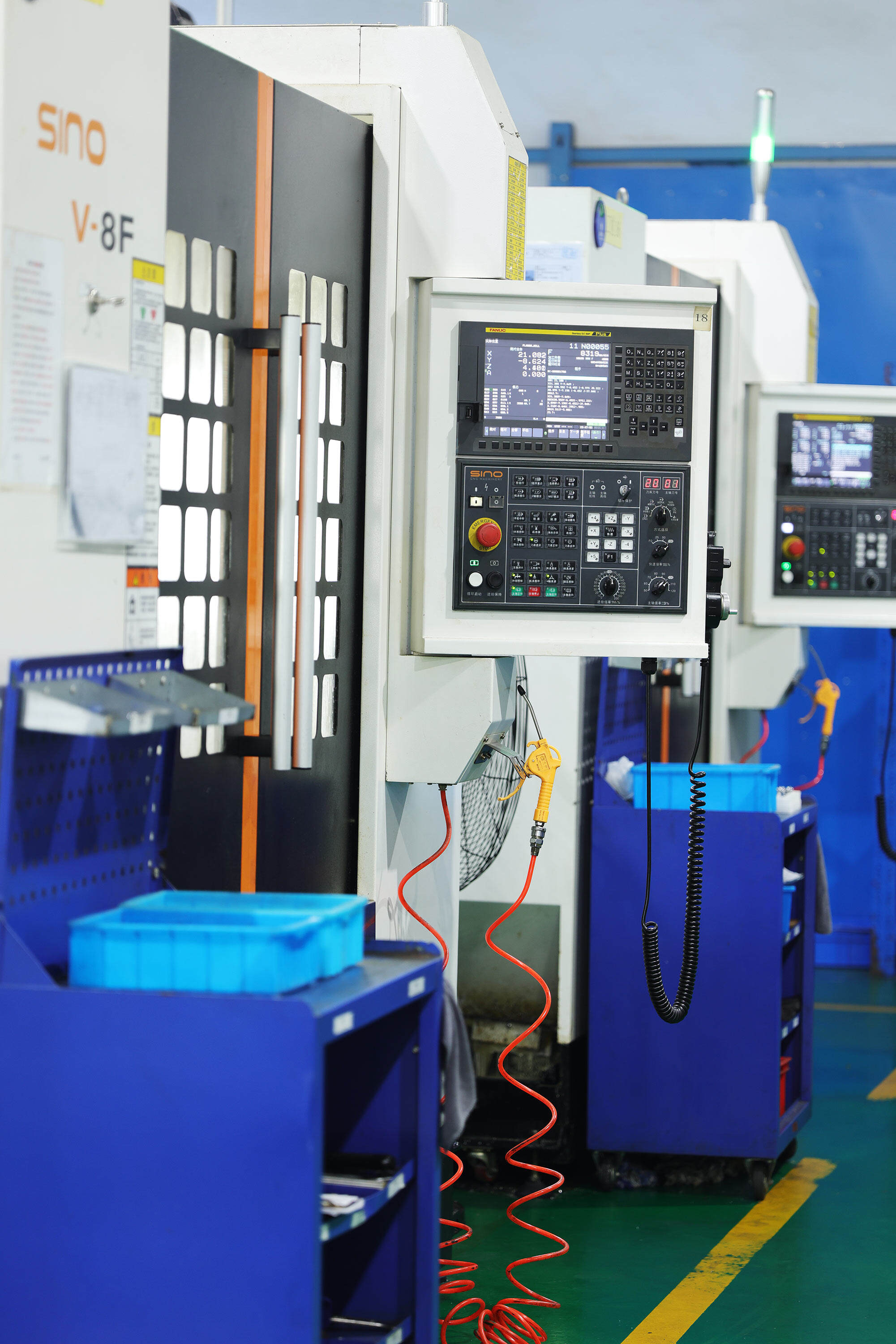
The transformation of raw materials into finished Orthopedic OEM components relies heavily on advanced CNC machining capabilities that can achieve the demanding tolerances and complex geometries required for modern orthopedic devices. Multi-axis CNC machining centers enable the production of intricate implant designs with anatomically contoured surfaces, internal features, and precise mating interfaces that ensure proper fit and function during surgical implantation. For Orthopedic OEM manufacturers, maintaining a fleet of state-of-the-art machining equipment represents a significant capital investment, but this technology foundation enables the production of increasingly sophisticated device designs that improve patient outcomes.
Machining programs for Orthopedic OEM production are developed using computer-aided manufacturing software that translates three-dimensional CAD models into precise tool path instructions. These programs must account for material properties, tool deflection, thermal expansion, and other factors that influence dimensional accuracy. Process validation confirms that machining operations consistently produce components within specified tolerances across multiple production runs and different machine operators. Statistical process control monitors critical dimensions during production, providing early warning of any process drift that could lead to out-of-specification parts. This combination of advanced equipment, validated programs, and continuous monitoring ensures that complex Orthopedic OEM components meet the exacting quality standards required for surgical applications.
Additive Manufacturing and Hybrid Production Techniques
Additive manufacturing technologies have revolutionized certain segments of Orthopedic OEM production, particularly for patient-specific implants, complex porous structures, and low-volume specialty components. Powder bed fusion techniques using titanium or cobalt-chromium powders can create intricate lattice structures that promote bone ingrowth while reducing implant mass. Direct metal laser sintering enables the production of customized implants tailored to individual patient anatomy based on pre-operative imaging data. For Orthopedic OEM partners offering these advanced capabilities, additive manufacturing expands the design possibilities beyond what traditional subtractive manufacturing can achieve.
Hybrid manufacturing approaches combine additive and subtractive processes to optimize both design freedom and dimensional precision. An Orthopedic OEM manufacturer might use additive techniques to create the basic implant structure with its complex internal architecture, then employ precision CNC machining to achieve the tight tolerances required for articulating surfaces or instrument interfaces. This hybrid approach leverages the strengths of each technology while mitigating their respective limitations. Quality control for additively manufactured Orthopedic OEM components requires specialized inspection techniques including computed tomography scanning to verify internal porosity and structural integrity, ensuring that these innovative manufacturing methods produce devices that meet the same rigorous standards as conventionally manufactured implants.
Quality Control and Regulatory Compliance Throughout Production
In-Process Inspection and Dimensional Verification
Quality assurance for Orthopedic OEM manufacturing is not a final inspection activity but rather an integrated system of controls that monitor component quality throughout every production stage. In-process inspection protocols verify critical dimensions and features at strategic points during manufacturing, preventing the accumulation of errors and reducing waste from out-of-specification components. Coordinate measuring machines provide non-contact dimensional verification with micron-level accuracy, comparing manufactured components against the original CAD models. Optical comparators and vision systems enable rapid inspection of complex geometries and surface features. For high-volume Orthopedic OEM production, automated inspection systems can evaluate every component, providing 100% verification rather than sample-based quality control.
Surface finish verification represents another critical quality control checkpoint for Orthopedic OEM components, as surface roughness influences wear behavior, corrosion resistance, and biological response. Profilometry equipment measures surface texture parameters, confirming that machining and finishing operations produce the specified surface characteristics. Visual inspection under controlled lighting identifies surface defects, contamination, or workmanship issues that could compromise device performance or patient safety. These inspection activities generate objective quality data that becomes part of the device history record, documenting that each component met all specified requirements before proceeding to subsequent manufacturing operations or final release.
Cleanroom Manufacturing and Contamination Control
Advanced Orthopedic OEM facilities incorporate cleanroom environments for critical manufacturing, assembly, and packaging operations to minimize particulate contamination that could compromise device biocompatibility or sterility. Cleanroom classification levels are selected based on the specific device risk profile and regulatory requirements, with implantable components typically requiring ISO Class 7 or better environments. Environmental monitoring systems continuously track particulate counts, temperature, humidity, and differential pressure to ensure that cleanroom conditions remain within validated parameters. Personnel gowning protocols, material transfer procedures, and equipment cleaning protocols all contribute to maintaining the controlled environment necessary for medical device manufacturing.
For Orthopedic OEM manufacturers, contamination control extends beyond airborne particulates to include control of residual machining fluids, cleaning solution residues, and handling-related contamination. Validated cleaning processes remove manufacturing residues while avoiding the introduction of new contaminants. Cleanliness verification techniques including total organic carbon analysis and surface energy measurements confirm that components meet established cleanliness criteria before proceeding to sterilization and packaging. This comprehensive approach to contamination control ensures that Orthopedic OEM products reach the surgical environment in a pristine condition, ready for immediate clinical use without additional preparation that could introduce variables or delay patient care.
Sterilization Validation and Final Packaging for Clinical Distribution
Terminal Sterilization Methods and Validation Protocols
Sterilization represents the final critical manufacturing step that renders Orthopedic OEM devices safe for implantation by eliminating all viable microorganisms. The selection of sterilization method depends on material compatibility, device geometry, and packaging requirements. Steam sterilization using validated autoclave cycles remains the preferred method for heat-stable materials due to its effectiveness, speed, and lack of toxic residues. Ethylene oxide sterilization accommodates heat-sensitive materials and complex device geometries, though extended aeration cycles are required to remove residual gas. Gamma irradiation offers the advantage of sterilizing devices in their final packaging without heat exposure, making it suitable for certain polymer components or pre-packaged surgical sets.
Sterilization validation for Orthopedic OEM products follows established standards including ISO 11135 for ethylene oxide, ISO 11137 for radiation sterilization, and ISO 17665 for steam sterilization. These validation protocols demonstrate that the sterilization process consistently achieves the required sterility assurance level, typically a 10^-6 probability of a non-sterile unit. Validation includes biological indicator testing, process parameter monitoring, and demonstration that the sterilization cycle penetrates throughout the device load. For Orthopedic OEM manufacturers, maintaining validated sterilization processes requires ongoing monitoring, periodic revalidation, and documentation that forms part of the technical file supporting regulatory approval for device marketing.
Protective Packaging and Device Labeling Requirements
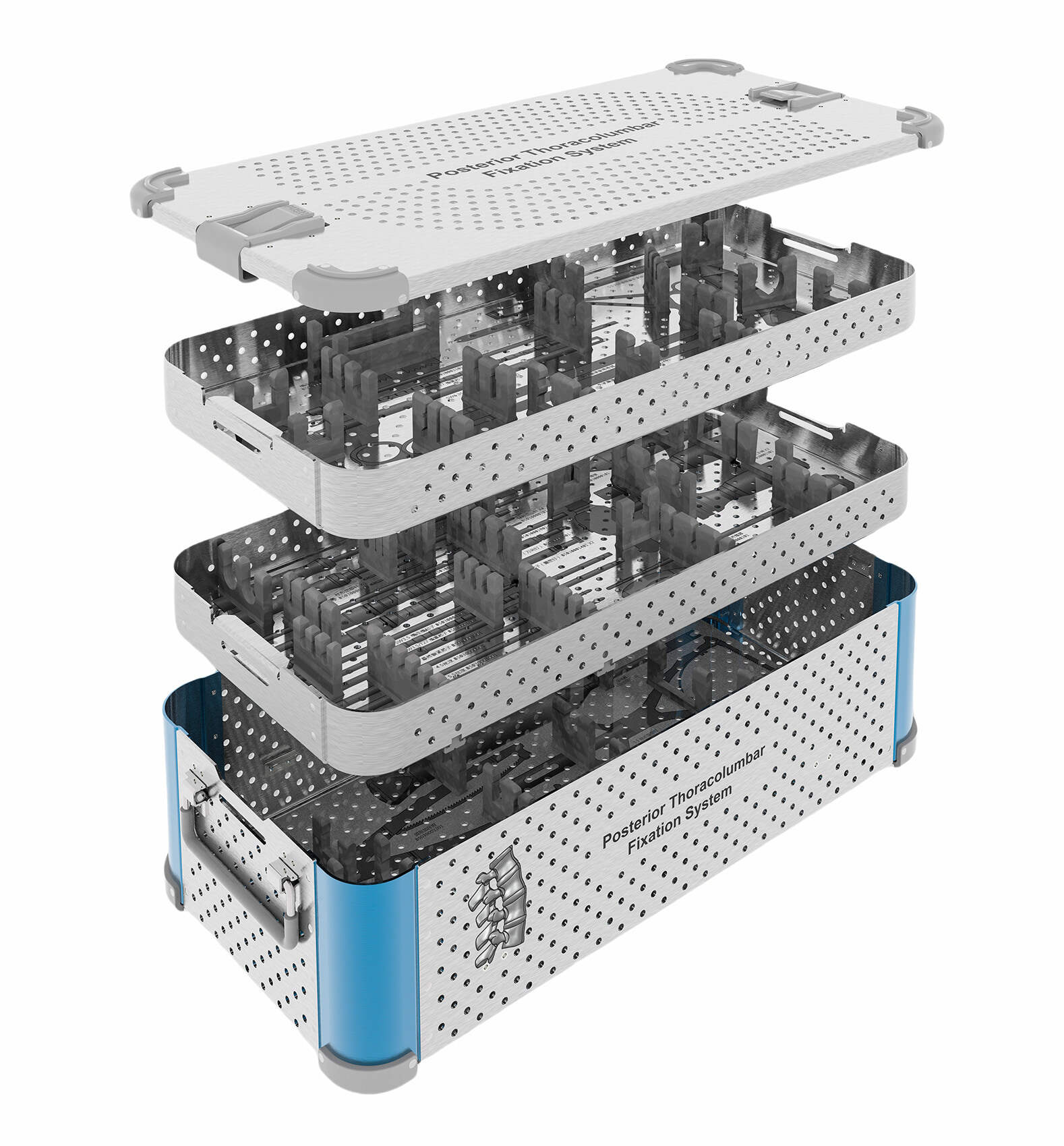
Packaging design for Orthopedic OEM products must protect device sterility during storage and transportation while facilitating aseptic presentation in the surgical environment. Multilayer barrier packaging systems combining medical-grade papers, polymeric films, and Tyvek materials provide microbial barriers while allowing sterilant penetration during ethylene oxide or steam sterilization. Package seal integrity testing confirms that heat seals consistently create hermetic closures that maintain sterility throughout the device shelf life. Package validation includes accelerated aging studies that simulate extended storage conditions, with periodic sterile barrier testing confirming that packaging maintains its protective function over the labeled product shelf life.
Device labeling for Orthopedic OEM products must comply with jurisdiction-specific requirements including FDA regulations in the United States, EU Medical Device Regulation in Europe, and other regional standards. Labels must include unique device identifiers, sterilization indicators, use-by dates, and comprehensive instructions for use. For implantable devices, traceability information enables tracking from manufacturing through implantation, supporting post-market surveillance and adverse event investigation. Advanced Orthopedic OEM manufacturers implement automated serialization systems that assign unique identifiers to individual devices, enabling supply chain visibility and supporting emerging regulatory requirements for device tracking. This comprehensive labeling and traceability infrastructure provides the documentation foundation for responsible device commercialization and ongoing quality management.
FAQ
What distinguishes Orthopedic OEM manufacturing from general medical device production?
Orthopedic OEM manufacturing requires specialized capabilities beyond general medical device production due to the unique demands of load-bearing implantable devices and precision surgical instruments. The materials used in orthopedic applications, primarily titanium alloys and cobalt-chromium, demand advanced metallurgical expertise and specialized machining capabilities. The dimensional tolerances for Orthopedic OEM components are typically tighter than for many other medical devices, as proper fit and articulation are critical for device function and longevity. Additionally, orthopedic devices must withstand decades of cyclic loading within the human body, requiring extensive fatigue testing and validation that exceeds requirements for single-use or externally worn medical devices. The combination of biocompatibility requirements, mechanical performance demands, and regulatory complexity creates a manufacturing environment where only specialized Orthopedic OEM partners with appropriate facilities, equipment, and quality systems can successfully operate.
How long does the typical Orthopedic OEM manufacturing process take from design to clinical availability?
The timeline for Orthopedic OEM manufacturing from initial design concept to clinical availability varies significantly based on device complexity, regulatory classification, and whether the design represents a modification of existing devices or an entirely novel innovation. For relatively straightforward modifications to existing predicate devices, the process might be completed in twelve to eighteen months including design validation, process development, and regulatory clearance. More complex novel devices requiring extensive clinical data can require three to seven years from concept to market availability. The manufacturing process itself, once validated, typically requires several weeks to months depending on component complexity, with machining operations measured in hours but surface treatments, sterilization, and quality documentation adding substantial time. Strategic planning with experienced Orthopedic OEM partners during the design phase can significantly compress timelines by ensuring manufacturability, avoiding design iterations, and streamlining regulatory submissions through early engagement with appropriate quality systems and documentation practices.
What quality certifications should hospitals and distributors expect from Orthopedic OEM manufacturers?
Reputable Orthopedic OEM manufacturers should maintain ISO 13485 certification, the internationally recognized quality management system standard specific to medical device manufacturing. This certification demonstrates that the manufacturer has implemented comprehensive quality systems covering design controls, process validation, supplier management, and post-market surveillance. For organizations distributing into the United States market, FDA registration and compliance with 21 CFR Part 820 Quality System Regulation is essential. European market access requires compliance with EU Medical Device Regulation and the associated technical documentation requirements. Beyond these foundational certifications, leading Orthopedic OEM partners often maintain additional credentials such as AS9100 aerospace quality standards for precision manufacturing, ISO 14001 environmental management certification, and specific accreditations from notified bodies or regulatory authorities in target markets. When evaluating potential Orthopedic OEM partners, hospitals and distributors should request copies of current certificates, review audit records, and assess the manufacturer's track record for regulatory compliance and quality performance as demonstrated through complaint rates, recall history, and customer references.
How do Orthopedic OEM manufacturers ensure consistent quality across large production volumes?
Consistent quality in high-volume Orthopedic OEM production relies on validated manufacturing processes, statistical process control, and comprehensive quality management systems rather than inspection alone. Process validation demonstrates that manufacturing operations consistently produce components meeting all specifications when operated within defined parameters. Statistical process control continuously monitors critical process variables and product characteristics, providing early detection of any process drift before out-of-specification products are produced. Automated inspection systems can provide 100% dimensional verification for high-volume components, ensuring that every unit meets specifications rather than relying on sample-based inspection. Preventive maintenance programs keep production equipment operating within calibrated parameters, while operator training and qualification ensure consistent execution of manufacturing procedures. Advanced Orthopedic OEM facilities implement digital quality management systems that integrate data from equipment sensors, inspection systems, and environmental monitors, providing real-time visibility into process performance and enabling rapid response to any deviations. This systematic approach, combined with a culture of quality consciousness throughout the organization, enables leading manufacturers to scale production volumes while maintaining the uncompromising quality standards required for implantable orthopedic devices.
Table of Contents
- Design Translation and Engineering Validation in Orthopedic OEM Manufacturing
- Material Selection and Preparation for Orthopedic OEM Applications
- Precision Machining and Manufacturing Operations
- Quality Control and Regulatory Compliance Throughout Production
- Sterilization Validation and Final Packaging for Clinical Distribution
-
FAQ
- What distinguishes Orthopedic OEM manufacturing from general medical device production?
- How long does the typical Orthopedic OEM manufacturing process take from design to clinical availability?
- What quality certifications should hospitals and distributors expect from Orthopedic OEM manufacturers?
- How do Orthopedic OEM manufacturers ensure consistent quality across large production volumes?