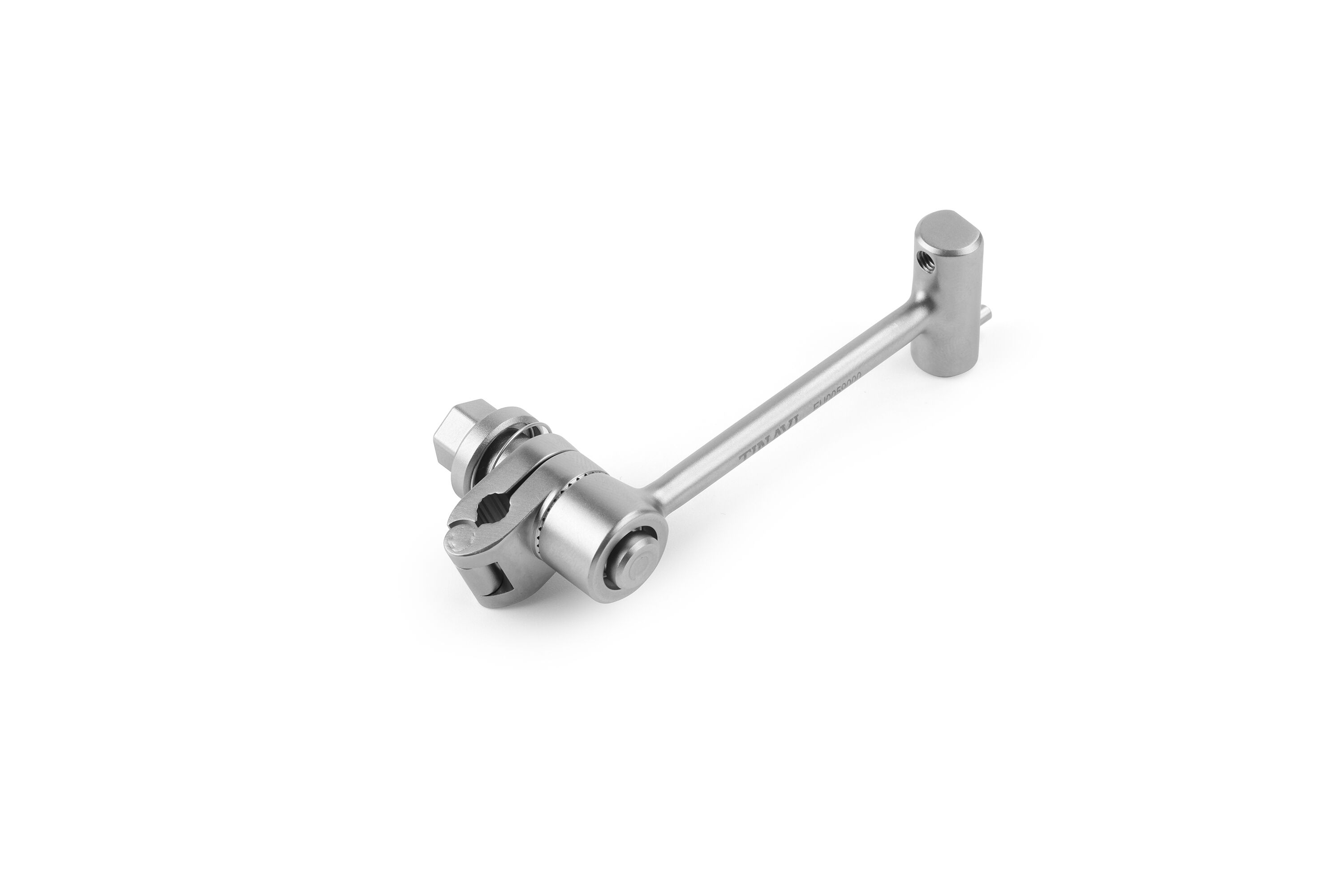
The medical technology landscape has undergone remarkable transformation over the past two decades, with surgical robotics emerging as one of the most significant innovations in modern healthcare. At the heart of this revolution lies the critical role of a specialized surgical robot component manufacturer, whose precision-engineered parts enable surgeons to perform minimally invasive procedures with unprecedented accuracy. These advanced manufacturing entities combine cutting-edge engineering expertise with stringent quality control measures to produce components that meet the exacting standards required for life-saving medical procedures.
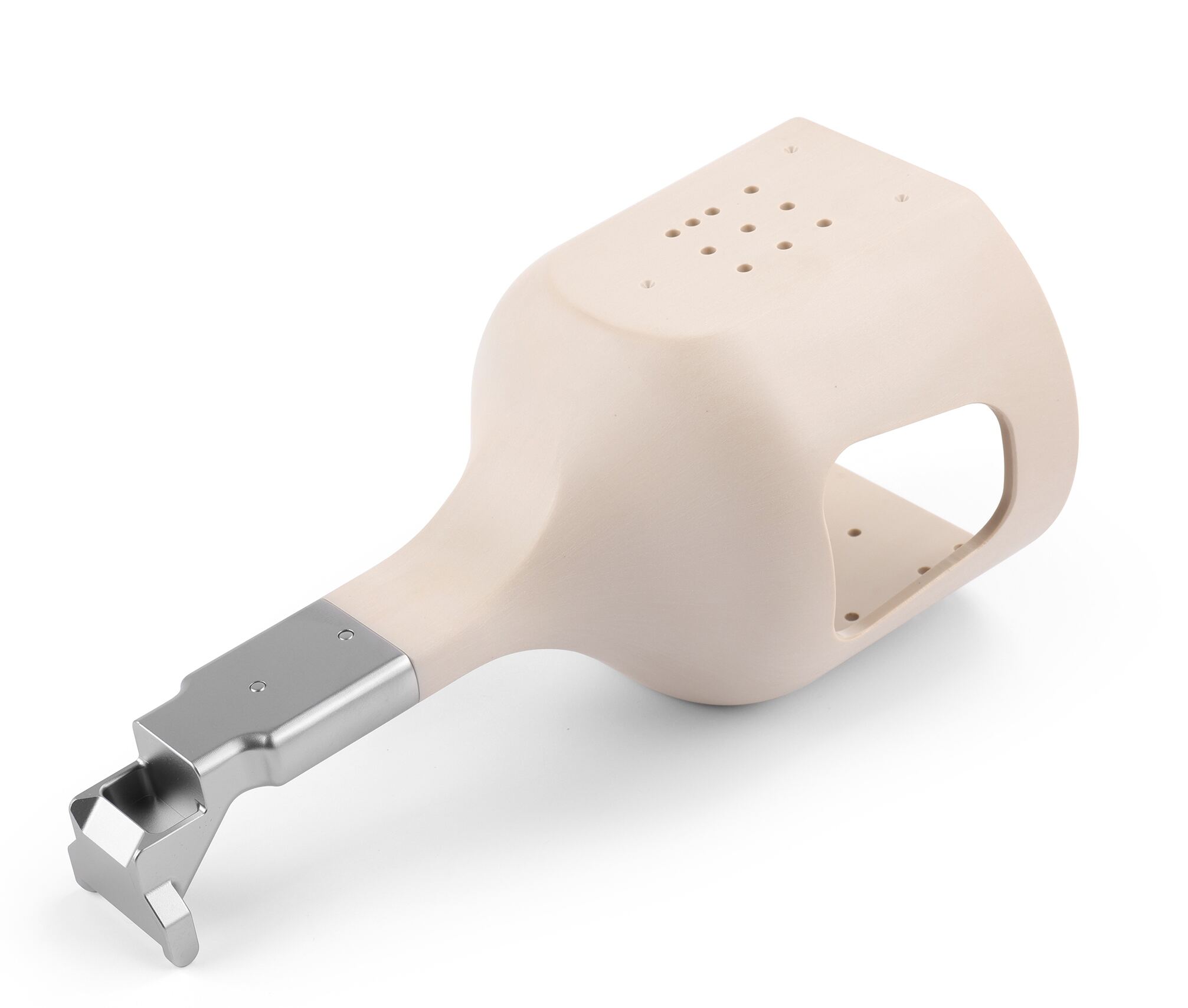
The integration of robotic systems into surgical environments has created an entirely new ecosystem of specialized suppliers and manufacturers. A reputable surgical robot component manufacturer must navigate complex regulatory requirements while simultaneously pushing the boundaries of technological innovation. This dual challenge requires exceptional expertise in materials science, precision machining, and quality assurance protocols that far exceed conventional manufacturing standards.
Core Technologies in Surgical Robot Manufacturing
Advanced Materials and Biocompatibility Standards
Modern surgical robot components demand materials that exhibit exceptional biocompatibility while maintaining structural integrity under extreme operational conditions. A leading surgical robot component manufacturer typically employs titanium alloys, medical-grade stainless steel, and specialized polymers that have undergone rigorous testing for cytotoxicity and long-term stability. These materials must withstand repeated sterilization cycles without degradation while providing the mechanical properties necessary for precise robotic movements.
The selection process for these materials involves extensive collaboration with materials scientists and biomedical engineers who understand the unique challenges of the surgical environment. Each component must demonstrate not only mechanical reliability but also chemical inertness when exposed to various sterilization agents and bodily fluids. This comprehensive approach to materials selection distinguishes professional manufacturers from those attempting to enter the market without adequate expertise.
Precision Manufacturing Techniques
The manufacturing processes employed by a surgical robot component manufacturer require tolerances measured in micrometers, demanding sophisticated machining capabilities and meticulous quality control systems. Computer numerical control machinery, combined with advanced metrology equipment, ensures that each component meets the exacting specifications required for seamless integration into complex robotic systems. These manufacturing processes often incorporate multiple verification stages to guarantee dimensional accuracy and surface finish quality.
Additive manufacturing technologies have also revolutionized the capabilities of surgical robot component manufacturers, enabling the production of complex geometries that would be impossible or prohibitively expensive using traditional machining methods. Three-dimensional printing techniques, particularly selective laser melting and electron beam melting, allow for the creation of intricate internal structures that optimize weight distribution while maintaining structural strength.
Quality Assurance and Regulatory Compliance
International Standards and Certifications
A responsible surgical robot component manufacturer operates within a framework of international quality standards that govern medical device manufacturing. ISO 13485 certification serves as the foundation for quality management systems, while ISO 14971 provides guidelines for risk management throughout the product lifecycle. These standards ensure that every aspect of the manufacturing process, from design validation to final inspection, meets the rigorous requirements of medical device regulators worldwide.
The implementation of these quality standards requires comprehensive documentation systems that track every component from raw material receipt through final delivery. Traceability protocols ensure that any quality issue can be quickly identified and addressed, minimizing potential risks to patient safety. This level of documentation and oversight represents a significant investment in quality infrastructure that distinguishes established manufacturers from newcomers to the industry.
Testing and Validation Procedures
Comprehensive testing protocols employed by a surgical robot component manufacturer encompass both mechanical and biological evaluation procedures. Fatigue testing simulates years of operational use within compressed timeframes, while biocompatibility assessments evaluate potential interactions with human tissue. These testing procedures often require specialized equipment and expertise that represent substantial capital investments for manufacturing organizations.
Environmental testing ensures that components maintain their performance characteristics under various storage and operational conditions. Temperature cycling, humidity exposure, and vibration testing simulate the challenging conditions that surgical robots may encounter during transport, storage, and clinical use. The results of these comprehensive testing programs provide the scientific foundation for regulatory submissions and clinical validation studies.
Innovation and Design Engineering
Collaborative Development Processes
The most successful surgical robot component manufacturer organizations establish strong collaborative relationships with robotic system integrators, surgical instrument designers, and clinical specialists. These partnerships facilitate the development of components that not only meet current technical requirements but also anticipate future innovations in surgical robotics. Cross-functional design teams include mechanical engineers, biomedical specialists, and clinical advisors who contribute diverse perspectives to the development process.
Design for manufacturability principles guide the development of new components, ensuring that innovative features can be produced consistently at scale while maintaining cost-effectiveness. This approach requires close coordination between design engineers and manufacturing specialists who understand the capabilities and limitations of available production technologies. The integration of these perspectives during the early design phases prevents costly redesigns and accelerates time-to-market for new products.
Emerging Technologies and Future Trends
Artificial intelligence and machine learning technologies are beginning to influence the operations of surgical robot component manufacturer facilities, particularly in quality control and predictive maintenance applications. Computer vision systems can detect microscopic defects that might escape human inspection, while predictive algorithms can anticipate equipment maintenance requirements before failures occur. These technologies represent the next evolution in manufacturing excellence for surgical robotics components.
Miniaturization trends in surgical robotics continue to challenge component manufacturers to develop smaller, more precise parts without compromising functionality or reliability. Micro-electromechanical systems and nanotechnology applications are expanding the possibilities for next-generation surgical robots that can perform increasingly complex procedures through minimal access points. A forward-thinking surgical robot component manufacturer invests heavily in research and development to stay ahead of these technological curves.
Supply Chain Management and Global Distribution
Strategic Supplier Relationships
Effective supply chain management represents a critical success factor for any surgical robot component manufacturer, requiring carefully cultivated relationships with suppliers who understand the unique requirements of medical device manufacturing. Raw material suppliers must demonstrate consistent quality, reliable delivery schedules, and comprehensive documentation capabilities that support regulatory compliance requirements. The qualification process for new suppliers often requires months of evaluation and validation to ensure compatibility with existing quality systems.
Geographic diversification of supply sources provides resilience against potential disruptions while maintaining competitive cost structures. However, this diversification must be balanced against the need for consistent quality and regulatory compliance across all supplier locations. Many successful manufacturers maintain dual-source strategies for critical materials, ensuring continuity of supply while fostering competitive pricing through supplier competition.
Logistics and Distribution Networks
The global nature of the surgical robotics market requires sophisticated distribution networks that can deliver components quickly and reliably to customers worldwide. A surgical robot component manufacturer must balance the costs of maintaining regional inventory with the need for rapid response to customer requirements. Advanced inventory management systems utilize predictive analytics to optimize stock levels while minimizing carrying costs and obsolescence risks.
Temperature-controlled logistics become particularly important for certain component types that may be sensitive to environmental conditions during transport and storage. Specialized packaging solutions protect delicate components from shock, vibration, and contamination while providing clear identification and traceability information. These logistics capabilities often represent a significant competitive advantage for manufacturers serving global markets.
Market Analysis and Industry Outlook
Current Market Dynamics
The market for surgical robot components continues to experience robust growth driven by increasing adoption of minimally invasive surgical techniques and expanding clinical applications for robotic systems. Market research indicates that the global surgical robotics market is expected to reach significant valuations within the next decade, creating substantial opportunities for established surgical robot component manufacturer organizations. This growth trajectory reflects both increasing acceptance of robotic surgery among healthcare providers and growing patient preference for minimally invasive procedures.
Regional variations in market development present both opportunities and challenges for component manufacturers. Developed markets in North America and Europe demonstrate strong demand for advanced surgical robotics, while emerging markets in Asia and Latin America represent significant growth potential. A successful surgical robot component manufacturer must develop strategies that address the diverse requirements and regulatory environments of these different regional markets.
Competitive Landscape and Differentiation Strategies
The competitive environment for surgical robot component manufacturing includes both specialized medical device manufacturers and diversified industrial companies seeking to enter the lucrative healthcare technology sector. Successful differentiation requires a combination of technical expertise, quality certifications, and established relationships within the surgical robotics ecosystem. Companies that can demonstrate superior performance, reliability, and regulatory compliance often command premium pricing for their products.
Innovation capacity serves as a primary differentiator among competing manufacturers, with companies investing heavily in research and development to create next-generation components that enable new surgical capabilities. Patent portfolios protect these investments while creating barriers to entry for potential competitors. The most successful surgical robot component manufacturer organizations maintain active intellectual property development programs that support long-term competitive positioning.
FAQ
What certifications are required for surgical robot component manufacturers
Surgical robot component manufacturers must obtain ISO 13485 certification for medical device quality management systems, along with FDA registration for components sold in the United States market. European markets require CE marking compliance, while other regions have their specific regulatory requirements. These certifications demonstrate adherence to international quality standards and regulatory compliance for medical device manufacturing.
How long does it typically take to develop a new surgical robot component
The development timeline for new surgical robot components typically ranges from 18 to 36 months, depending on the complexity of the design and regulatory requirements. This timeline includes design validation, prototype testing, regulatory submissions, and manufacturing scale-up activities. More complex components or those requiring significant innovation may require longer development periods to ensure safety and efficacy standards are met.
What materials are commonly used in surgical robot component manufacturing
Common materials include medical-grade titanium alloys, stainless steel, and specialized polymers that offer biocompatibility and sterilization resistance. These materials must meet strict requirements for cytotoxicity, corrosion resistance, and mechanical properties. The selection of specific materials depends on the component's function, sterilization requirements, and expected service life within the surgical robot system.
How do manufacturers ensure consistent quality across global production facilities
Quality consistency across global facilities is maintained through standardized manufacturing processes, comprehensive training programs, and regular audits by quality assurance teams. Advanced manufacturing execution systems provide real-time monitoring and control of production parameters, while statistical process control techniques identify potential quality issues before they affect product performance. Regular calibration of measuring equipment and cross-facility quality comparisons ensure consistent standards are maintained worldwide.
Table of Contents
- Core Technologies in Surgical Robot Manufacturing
- Quality Assurance and Regulatory Compliance
- Innovation and Design Engineering
- Supply Chain Management and Global Distribution
- Market Analysis and Industry Outlook
-
FAQ
- What certifications are required for surgical robot component manufacturers
- How long does it typically take to develop a new surgical robot component
- What materials are commonly used in surgical robot component manufacturing
- How do manufacturers ensure consistent quality across global production facilities