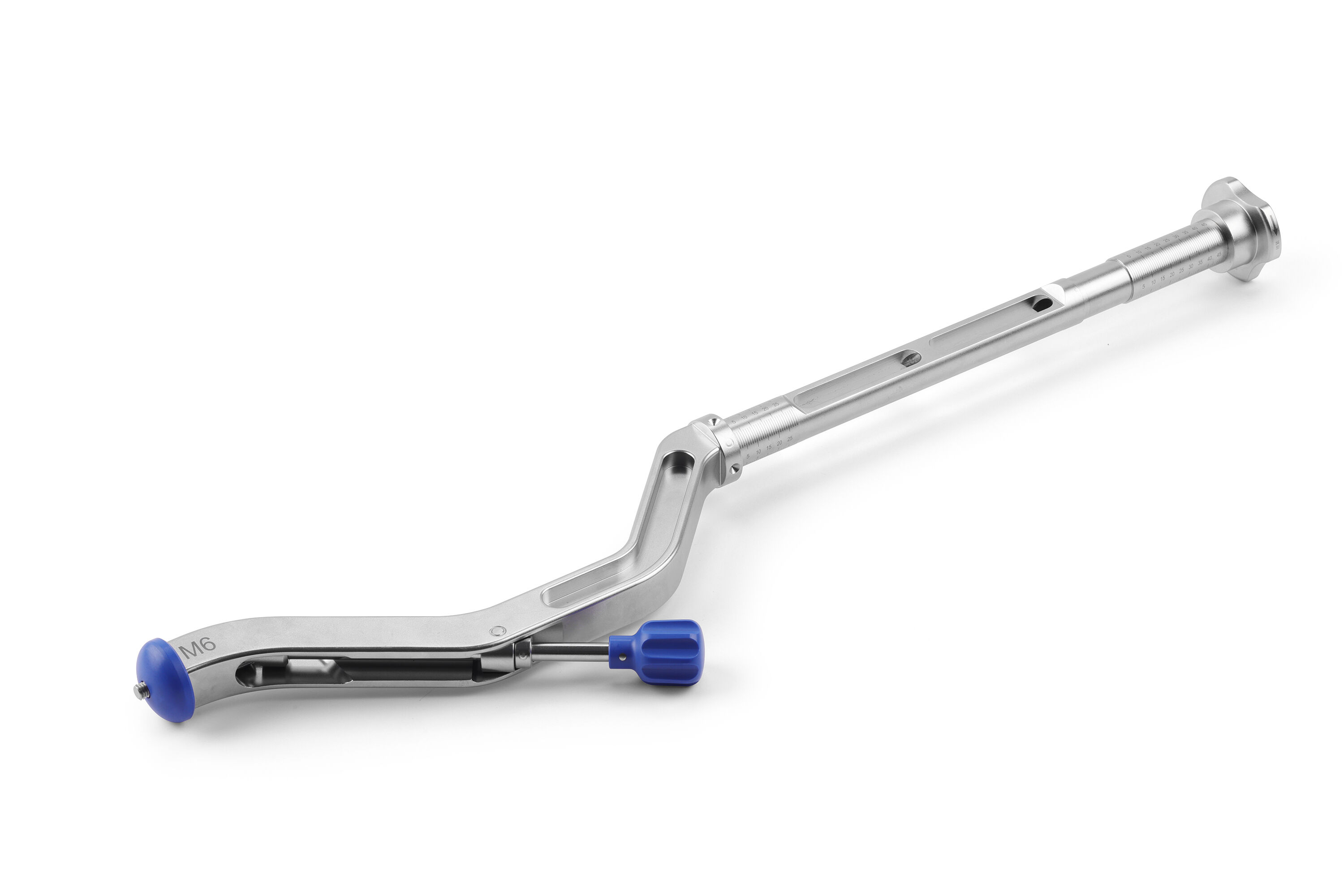
The medical device industry has witnessed unprecedented growth in robotic surgery systems, driving demand for specialized components that meet the highest quality standards. A reliable surgical robot component manufacturer must navigate complex regulatory frameworks while delivering precision-engineered parts that ensure patient safety and surgical efficacy. Modern healthcare facilities increasingly depend on advanced robotic systems for minimally invasive procedures, making the role of component manufacturers more critical than ever in supporting successful surgical outcomes.
Regulatory Compliance Framework
FDA Requirements and Standards
Every surgical robot component manufacturer operating in the United States must comply with stringent FDA regulations governing medical device production. The FDA's Quality System Regulation under 21 CFR Part 820 establishes comprehensive requirements for design controls, manufacturing processes, and quality assurance protocols. These regulations mandate that manufacturers implement robust documentation systems, conduct thorough risk assessments, and maintain detailed records of all production activities to ensure traceability throughout the supply chain.
Component manufacturers must also adhere to specific biocompatibility standards outlined in ISO 10993 series, which evaluates the biological response of medical devices when in contact with human tissue. This comprehensive testing framework assesses cytotoxicity, sensitization, irritation, and systemic toxicity to ensure that surgical robot components pose no adverse biological risks during clinical use. The FDA requires extensive documentation of these biocompatibility studies as part of the premarket approval process.
International Harmonization Standards
Global market access requires surgical robot component manufacturer operations to align with international standards such as ISO 13485, which specifies requirements for quality management systems specific to medical devices. This standard emphasizes risk-based thinking, process validation, and continuous improvement methodologies that enhance product reliability and patient safety. Manufacturers must demonstrate consistent compliance with these standards across all international markets where their components are distributed.
The Medical Device Regulation in Europe has introduced additional requirements for component manufacturers, including enhanced clinical evidence requirements and post-market surveillance obligations. These regulations mandate that manufacturers maintain comprehensive technical documentation files and implement robust post-market clinical follow-up systems to monitor long-term safety and performance of surgical robot components in clinical settings.
Manufacturing Excellence Standards
Precision Engineering Requirements
Surgical robotics demand exceptional precision in component manufacturing, with tolerances often measured in micrometers to ensure optimal system performance. A leading surgical robot component manufacturer must invest in advanced manufacturing technologies such as computer numerical control machining, precision molding, and automated assembly systems to achieve these exacting specifications. Quality control measures must include statistical process control, coordinate measuring machine inspections, and comprehensive dimensional analysis to verify that each component meets design specifications.
Material selection plays a crucial role in meeting precision engineering requirements, with manufacturers utilizing specialized alloys, polymers, and composite materials that offer superior mechanical properties and biocompatibility. These materials must undergo rigorous testing to verify their performance characteristics under various operating conditions, including sterilization cycles, mechanical stress, and environmental exposure that components may encounter during surgical procedures.
Sterilization and Biocompatibility
Sterilization compatibility represents a fundamental requirement for any surgical robot component manufacturer, as all components must withstand multiple sterilization cycles without degradation of mechanical or functional properties. Common sterilization methods include steam sterilization, ethylene oxide gas, hydrogen peroxide plasma, and gamma irradiation, each presenting unique challenges for component design and material selection.
Biocompatibility testing extends beyond initial material evaluation to include finished component assessment, considering factors such as extractable substances, particulate generation, and surface characteristics that may affect biological response. Manufacturers must conduct accelerated aging studies to simulate long-term exposure effects and ensure that components maintain their biocompatible properties throughout their intended service life in surgical applications.
Quality Assurance Protocols
Design Control Implementation
Effective design controls form the foundation of quality assurance for every surgical robot component manufacturer, establishing systematic procedures for design planning, input definition, output documentation, review processes, verification activities, validation studies, and design transfer protocols. These controls ensure that components are developed according to predetermined specifications and that any design changes are properly evaluated and documented throughout the development lifecycle.
Risk management processes integrated with design controls help identify potential hazards associated with component failure modes and implement appropriate risk mitigation strategies. This systematic approach to risk assessment considers both individual component risks and system-level interactions that could affect overall surgical robot performance and patient safety outcomes.
Supplier Quality Management
A comprehensive supplier quality management program ensures that all materials and subcomponents meet established quality standards before incorporation into final products. Surgical robot component manufacturer operations typically include supplier qualification processes, incoming inspection protocols, supplier performance monitoring, and corrective action procedures to maintain consistent supply chain quality.
Regular supplier audits and quality assessments help identify potential quality risks and ensure continuous improvement in supplier performance. These audits evaluate supplier quality systems, manufacturing capabilities, regulatory compliance status, and risk management practices to verify their ability to consistently deliver components that meet specified requirements.
Testing and Validation Procedures
Mechanical Performance Testing
Comprehensive mechanical testing protocols verify that surgical robot components can withstand the mechanical stresses encountered during clinical use, including cyclic loading, fatigue testing, and ultimate strength evaluation. These tests simulate real-world operating conditions and help establish component service life and maintenance requirements that ensure reliable surgical system performance.
Advanced testing methodologies such as finite element analysis and accelerated life testing provide valuable insights into component performance characteristics and help optimize design parameters for enhanced durability and reliability. Testing protocols must be validated and documented according to established standards to ensure reproducibility and regulatory acceptance of test results.
Functional Validation Studies
Functional validation ensures that surgical robot components perform as intended within the complete surgical system, requiring comprehensive integration testing and clinical simulation studies. These validation activities assess component compatibility, system integration effectiveness, and overall surgical workflow optimization to verify that components contribute positively to surgical outcomes.
Clinical validation studies conducted in collaboration with healthcare institutions provide valuable real-world performance data and help identify opportunities for component optimization and improvement. These studies must be conducted according to good clinical practice guidelines and documented thoroughly to support regulatory submissions and quality improvement initiatives.
Supply Chain Management
Traceability Systems
Robust traceability systems enable surgical robot component manufacturer operations to track components throughout the entire supply chain, from raw material procurement through final product delivery and clinical use. These systems must capture detailed information about material sources, manufacturing processes, quality test results, and distribution channels to support rapid response in case of quality issues or product recalls.
Electronic traceability systems utilizing barcode, RFID, or other identification technologies provide real-time visibility into component location, status, and quality history. This capability supports efficient inventory management, quality investigation processes, and regulatory reporting requirements while minimizing the risk of component mix-ups or quality escapes.
Risk Mitigation Strategies
Effective risk mitigation strategies address potential supply chain disruptions, quality issues, and regulatory changes that could impact component availability or quality. These strategies typically include supplier diversification, strategic inventory management, alternative material qualification, and contingency planning to ensure continuous supply of critical components for surgical robot systems.
Regular risk assessments help identify emerging threats and opportunities for supply chain improvement, enabling proactive management of potential issues before they impact surgical robot component manufacturer operations or customer satisfaction. These assessments consider factors such as geopolitical risks, natural disasters, supplier financial stability, and regulatory changes that could affect supply chain performance.
Innovation and Technology Integration
Advanced Manufacturing Technologies
Leading surgical robot component manufacturer facilities integrate advanced manufacturing technologies such as additive manufacturing, precision machining, micro-molding, and automated assembly systems to achieve superior component quality and manufacturing efficiency. These technologies enable production of complex geometries, improved surface finishes, and enhanced material properties that support advanced surgical robot capabilities.
Digital manufacturing systems incorporating artificial intelligence and machine learning algorithms optimize manufacturing processes, predict quality issues, and improve overall operational efficiency. These systems analyze vast amounts of manufacturing data to identify patterns and trends that support continuous improvement and quality optimization initiatives.
Smart Component Integration
Emerging trends in surgical robotics include integration of smart components with embedded sensors, communication capabilities, and data processing functions that enhance surgical system performance and provide valuable clinical insights. These intelligent components require specialized manufacturing processes and quality assurance protocols to ensure reliable operation in demanding surgical environments.
Cybersecurity considerations become increasingly important as surgical robot components incorporate connectivity features and data processing capabilities. Manufacturers must implement robust cybersecurity measures throughout the design and manufacturing process to protect against potential security threats and ensure patient data privacy and system integrity.
Customer Support and Service Excellence
Technical Support Services
Comprehensive technical support services differentiate leading surgical robot component manufacturer organizations by providing customers with expert assistance in component selection, integration, troubleshooting, and optimization. These services typically include application engineering support, custom design capabilities, and ongoing technical consultation to help customers maximize the performance of surgical robot systems.
Remote monitoring and diagnostic capabilities enable proactive identification of potential component issues and support predictive maintenance strategies that minimize surgical system downtime. These advanced support services leverage data analytics and machine learning algorithms to optimize component performance and extend service life while maintaining the highest safety standards.
Training and Education Programs
Educational programs provided by surgical robot component manufacturer organizations help healthcare professionals understand component capabilities, proper handling procedures, and maintenance requirements that ensure optimal surgical system performance. These programs typically include hands-on training sessions, online learning modules, and comprehensive documentation that support safe and effective component utilization.
Continuous education initiatives keep healthcare professionals informed about new component technologies, updated procedures, and best practices that enhance surgical outcomes and patient safety. These programs demonstrate manufacturer commitment to supporting the entire surgical robotics ecosystem and fostering innovation in minimally invasive surgical techniques.
FAQ
What certifications are required for surgical robot component manufacturers
A surgical robot component manufacturer must obtain ISO 13485 certification for medical device quality management systems, comply with FDA Quality System Regulation 21 CFR Part 820, and meet specific regional regulatory requirements such as CE marking for European markets. Additional certifications may include ISO 14971 for risk management and ISO 10993 for biocompatibility testing, depending on component applications and intended markets.
How do manufacturers ensure component biocompatibility
Biocompatibility is ensured through comprehensive testing according to ISO 10993 standards, which evaluate biological response including cytotoxicity, sensitization, irritation, and systemic toxicity. Manufacturers conduct material selection studies, finished product testing, and accelerated aging studies to verify that components maintain biocompatible properties throughout their intended service life in surgical applications.
What quality control measures are essential during manufacturing
Essential quality control measures include statistical process control, coordinate measuring machine inspections, comprehensive dimensional analysis, and material property verification. Manufacturers must also implement robust documentation systems, conduct regular audits, and maintain detailed traceability records to ensure consistent component quality and support regulatory compliance requirements.
How long does the typical component development cycle take
The typical development cycle for surgical robot components ranges from 18 to 36 months, depending on component complexity, regulatory requirements, and testing protocols. This timeline includes design development, prototype testing, biocompatibility studies, regulatory submissions, and manufacturing process validation. Complex components with novel materials or innovative designs may require extended development periods to ensure comprehensive validation and regulatory approval.