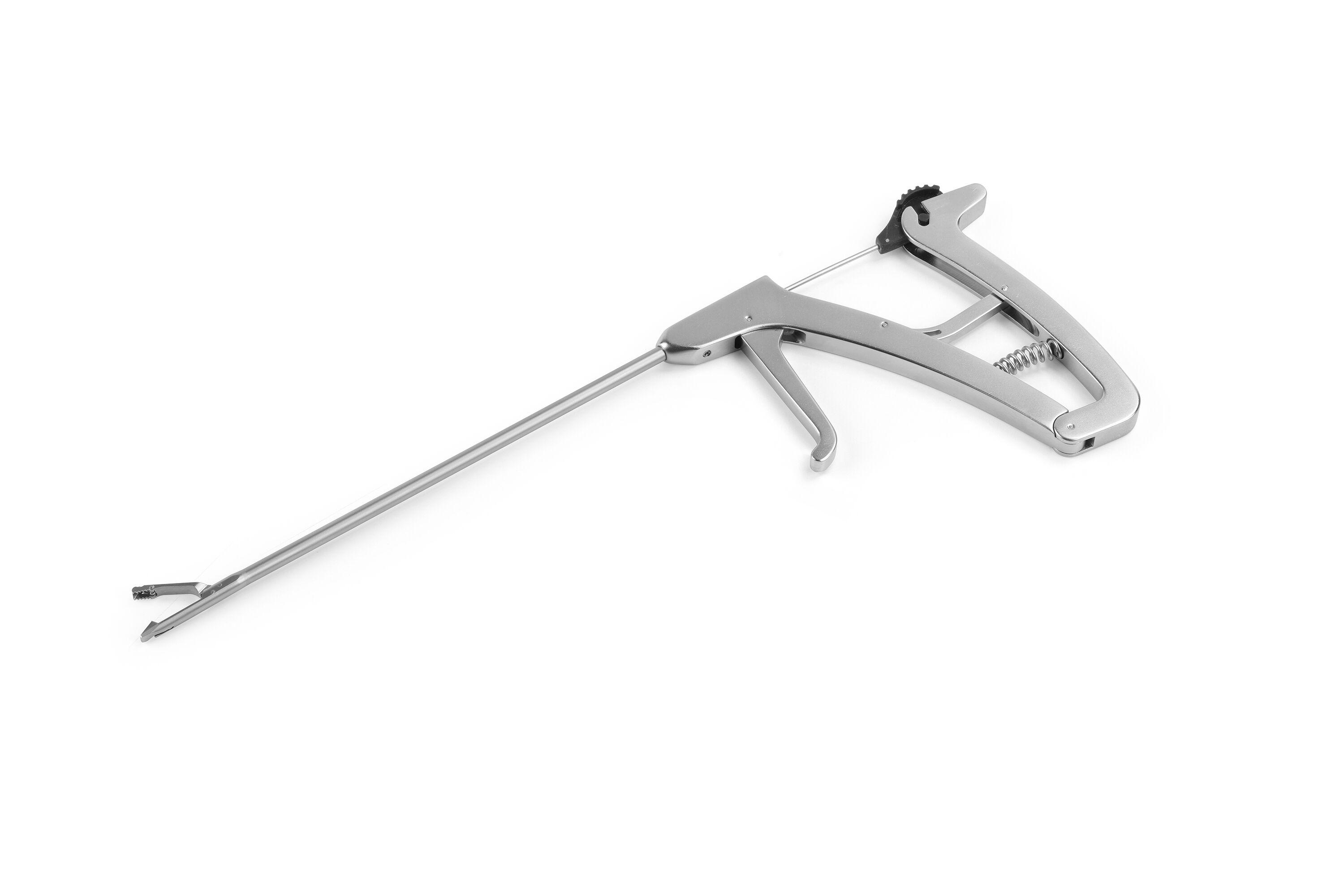
The landscape of sports medicine has evolved dramatically over the past decade, with surgical procedures becoming increasingly sophisticated and specialized. As orthopedic surgeons strive to deliver optimal patient outcomes, the importance of precision-engineered instruments cannot be overstated. Sports medicine instruments customization has emerged as a critical factor in achieving surgical excellence, offering tailored solutions that address the unique challenges of athletic injuries and performance-related conditions. While standard instrument sets provide a foundation for basic procedures, customized solutions deliver enhanced precision, improved ergonomics, and procedure-specific functionality that can significantly impact both surgical outcomes and long-term patient recovery.
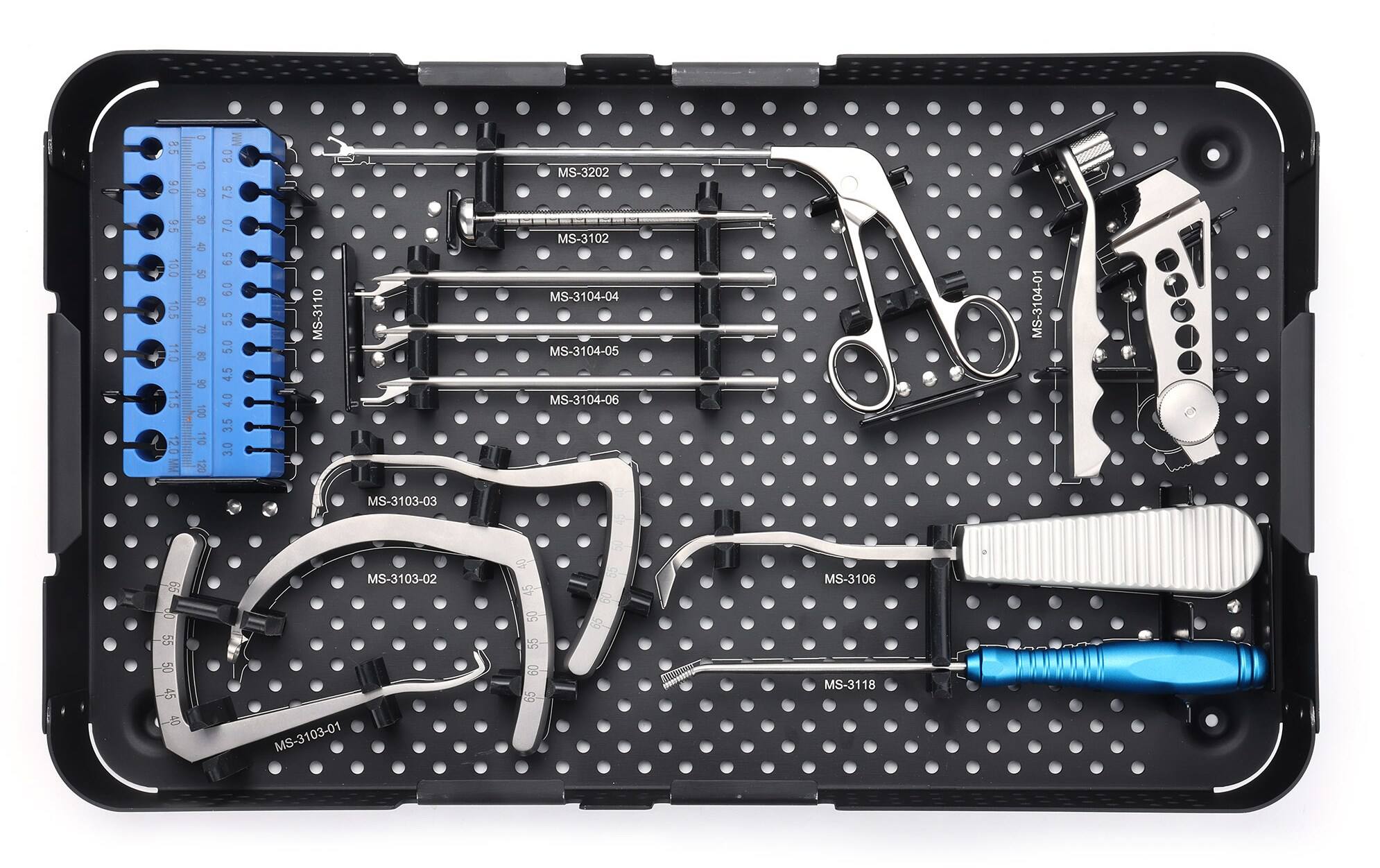
The decision to invest in customized sports medicine instruments represents a strategic choice that extends far beyond initial procurement costs. Healthcare facilities must carefully evaluate the comprehensive value proposition, considering factors such as surgical efficiency, patient safety, instrument longevity, and competitive positioning in the market. Understanding the true cost-benefit relationship of sports medicine instruments customization requires a thorough analysis of both immediate expenses and long-term returns on investment.
Understanding Customization in Sports Medicine Instrumentation
Defining Custom Sports Medicine Instruments
Sports medicine instruments customization encompasses the design, manufacturing, and modification of surgical tools specifically tailored to meet the unique requirements of athletic injury treatment and prevention. This process involves close collaboration between surgeons, biomedical engineers, and instrument manufacturers to create tools that address specific procedural challenges, anatomical variations, and surgeon preferences. Customization can range from minor modifications to existing instruments to the complete design of entirely new surgical tools.
The customization process typically begins with detailed consultations between surgical teams and instrument manufacturers. Surgeons identify specific limitations or challenges they encounter with standard instruments, such as accessibility issues during arthroscopic procedures, grip concerns during lengthy operations, or the need for specialized angles to accommodate unique anatomical structures. These requirements are then translated into technical specifications that guide the design and manufacturing process.
Types of Customization Options Available
Modern sports medicine instruments customization offers multiple levels of modification to suit varying needs and budgets. Surface treatments and coatings represent the most basic level of customization, including specialized finishes that reduce glare, improve grip, or enhance biocompatibility. These modifications typically require minimal additional investment while providing tangible benefits in surgical performance and instrument durability.
Dimensional modifications constitute a more substantial level of customization, involving changes to instrument length, width, angle, or curvature to better suit specific procedures or surgeon preferences. Ergonomic enhancements, such as modified handle designs or weight distribution adjustments, can significantly reduce surgeon fatigue and improve precision during extended procedures. At the highest level, completely custom instruments are designed from scratch to address unique surgical challenges or innovative techniques that standard instruments cannot accommodate effectively.
Cost Analysis of Customized Sports Medicine Instruments
Initial Investment Considerations
The upfront costs associated with sports medicine instruments customization vary significantly based on the complexity and scope of modifications required. Basic customizations, such as surface treatments or minor dimensional adjustments, typically add 15-25% to the cost of standard instruments. More complex modifications, including ergonomic redesigns or specialized functionality additions, can increase costs by 50-100% or more compared to off-the-shelf alternatives.
Development costs represent a significant component of the initial investment, particularly for completely custom instruments. These expenses include design consultation fees, prototyping costs, testing and validation expenses, and regulatory compliance requirements. However, these development costs are often amortized across multiple instrument sets, making customization more economically viable for facilities that perform high volumes of specific procedures.
Long-term Financial Implications
While the initial investment in sports medicine instruments customization may appear substantial, the long-term financial benefits often justify the additional expense. Customized instruments frequently demonstrate superior durability and longevity compared to standard alternatives, resulting in reduced replacement costs over time. The precision engineering involved in customization often translates to better material selection, improved manufacturing processes, and enhanced quality control measures.
Maintenance and sterilization costs also factor into the long-term financial equation. Well-designed custom instruments often feature improved accessibility for cleaning and sterilization, reducing processing time and extending instrument life. Additionally, the enhanced precision and efficiency provided by customized tools can lead to shorter procedure times, increased surgical volume capacity, and improved resource utilization throughout the healthcare facility.
Value Proposition of Customized Instruments
Enhanced Surgical Precision and Outcomes
The primary value driver for sports medicine instruments customization lies in the potential for improved surgical precision and patient outcomes. Customized instruments are designed to address specific anatomical challenges and procedural requirements that standard instruments may not handle optimally. This enhanced precision can result in more accurate tissue manipulation, reduced surgical trauma, and improved implant positioning in procedures such as ACL reconstruction or rotator cuff repair.
Studies have demonstrated that surgeons using properly customized instruments often achieve more consistent results across patient populations. The ergonomic benefits of customization can reduce surgeon fatigue and tremor, leading to steadier hands and more precise movements throughout lengthy procedures. This consistency in surgical performance translates directly to improved patient outcomes, reduced complication rates, and enhanced long-term functional recovery for athletes returning to competitive sports.
Competitive Advantages and Market Positioning
Healthcare facilities that invest in sports medicine instruments customization often gain significant competitive advantages in their markets. The ability to offer cutting-edge, specialized surgical techniques using state-of-the-art instrumentation can attract top surgical talent and discerning patients seeking the highest quality care. This market positioning can translate to increased patient volume, premium pricing opportunities, and enhanced reputation within the sports medicine community.
Marketing benefits extend beyond patient acquisition to include relationships with professional sports teams, athletic programs, and insurance providers who recognize the value of advanced surgical capabilities. The investment in customized instrumentation demonstrates a commitment to excellence that resonates with stakeholders throughout the sports medicine ecosystem, creating opportunities for partnerships and referral relationships that generate substantial long-term value.
Implementation Strategies for Customization Programs
Vendor Selection and Partnership Development
Successful sports medicine instruments customization requires careful selection of manufacturing partners with proven expertise in surgical instrument design and production. Leading manufacturers offer comprehensive customization programs that include design consultation, prototyping services, regulatory support, and ongoing technical assistance. The selection process should evaluate manufacturers based on their experience with similar customization projects, quality certifications, regulatory compliance history, and ability to provide ongoing support throughout the instrument lifecycle.
Partnership development involves establishing clear communication channels, defining project timelines, and setting quality expectations from the outset. Successful customization programs typically involve multiple iterations of design review and refinement, requiring manufacturers who can provide rapid prototyping and flexible modification capabilities. The relationship should extend beyond initial delivery to include ongoing support for instrument maintenance, replacement part availability, and future enhancement opportunities.
Training and Integration Protocols
The implementation of customized sports medicine instruments requires comprehensive training programs to ensure optimal utilization and safety. Surgical teams must become familiar with the unique features and capabilities of customized tools, understanding how to leverage their enhanced functionality while avoiding potential misuse. Training programs should include hands-on workshops, simulation exercises, and mentorship opportunities with experienced users of similar customized instruments.
Integration protocols must address workflow modifications, inventory management, and quality assurance procedures specific to customized instrumentation. Sports medicine instruments customization often requires updated sterilization protocols, specialized storage requirements, and modified tracking systems to ensure proper instrument handling throughout their lifecycle. These operational considerations must be thoroughly planned and implemented to realize the full benefits of the customization investment.
Risk Management and Quality Assurance
Regulatory Compliance and Validation
Sports medicine instruments customization must comply with stringent regulatory requirements to ensure patient safety and legal compliance. Custom instruments typically require additional validation testing compared to standard FDA-cleared devices, including biocompatibility assessments, sterility validation, and performance testing under simulated use conditions. The customization process must maintain full traceability and documentation to support regulatory submissions and quality audits.
Quality assurance protocols for customized instruments often exceed standard requirements due to the unique nature of each design. Manufacturers must implement rigorous testing procedures to validate that custom modifications do not compromise the fundamental safety and performance characteristics of the base instrument design. This includes mechanical testing, material compatibility verification, and clinical validation studies when appropriate.
Performance Monitoring and Continuous Improvement
Ongoing performance monitoring represents a critical component of successful sports medicine instruments customization programs. Healthcare facilities must establish metrics to evaluate the effectiveness of customized instruments in achieving their intended objectives, including surgical outcome improvements, efficiency gains, and user satisfaction measures. Regular performance reviews provide opportunities to identify areas for further refinement and optimization.
Continuous improvement processes should incorporate feedback from surgical teams, patient outcome data, and comparative analysis with standard instrument performance. This information guides future customization decisions and helps optimize the return on investment for existing custom instruments. Many successful programs establish formal review cycles that evaluate instrument performance annually and identify opportunities for updates or enhancements based on evolving surgical techniques and technologies.
Future Trends in Sports Medicine Instrument Customization
Technology Integration and Smart Instruments
The future of sports medicine instruments customization increasingly incorporates advanced technologies such as sensors, connectivity features, and data collection capabilities. Smart instruments equipped with force feedback sensors can provide real-time guidance to surgeons, helping optimize tissue handling and reduce the risk of complications. These technological enhancements represent the next evolution in customization, offering unprecedented levels of precision and control in sports medicine procedures.
Integration with surgical navigation systems and augmented reality platforms creates opportunities for customized instruments that seamlessly interface with digital surgical environments. This convergence of physical and digital technologies enables new levels of customization that adapt to individual patient anatomy and real-time surgical conditions, potentially revolutionizing the field of sports medicine surgery.
Personalized Medicine and Patient-Specific Solutions
Advances in medical imaging and 3D printing technologies are enabling sports medicine instruments customization at the patient-specific level. Surgeons can now utilize detailed anatomical models derived from patient imaging studies to design instruments optimized for individual cases. This level of personalization represents the ultimate expression of customization, offering tools that are perfectly matched to specific anatomical variations and surgical requirements.
The economic model for patient-specific customization continues to evolve as manufacturing technologies become more efficient and cost-effective. While currently limited to the most complex cases, patient-specific sports medicine instruments customization may become more widespread as the cost-benefit ratio improves and surgical outcomes demonstrate clear advantages over traditional approaches.
FAQ
How much does sports medicine instruments customization typically cost compared to standard instruments?
The cost of sports medicine instruments customization varies significantly based on the complexity of modifications required. Basic customizations such as surface treatments or minor dimensional changes typically add 15-25% to the standard instrument cost, while more complex modifications including ergonomic redesigns or specialized functionality can increase costs by 50-100% or more. However, these initial investments are often offset by improved durability, enhanced surgical efficiency, and better patient outcomes over the instrument's lifetime.
What factors should healthcare facilities consider when evaluating customization investments?
Healthcare facilities should evaluate multiple factors including surgical volume for specific procedures, surgeon preferences and expertise, competitive market positioning, patient outcome goals, and long-term financial planning. The decision should consider both quantifiable benefits such as reduced procedure times and complication rates, as well as intangible advantages like surgeon satisfaction and market reputation. A comprehensive cost-benefit analysis should include development costs, training requirements, and ongoing support needs.
How long does the customization process typically take from initial consultation to delivery?
The timeline for sports medicine instruments customization depends on the complexity of modifications and manufacturer capabilities. Simple customizations may require 6-12 weeks from design approval to delivery, while complex custom instruments can take 3-6 months or longer. The process includes design consultation, prototyping, testing, regulatory review, and manufacturing phases. Facilities should plan customization projects well in advance of anticipated use dates and consider interim solutions during the development period.
What ongoing support is typically available for customized sports medicine instruments?
Reputable manufacturers of customized sports medicine instruments provide comprehensive ongoing support including technical assistance, maintenance guidance, replacement part availability, and future modification opportunities. Support services often include training updates, performance monitoring assistance, and consultation for additional customization needs. Many manufacturers offer extended warranty programs and priority service for custom instruments, recognizing the specialized nature of these products and the importance of maintaining optimal performance throughout their operational life.
Table of Contents
- Understanding Customization in Sports Medicine Instrumentation
- Cost Analysis of Customized Sports Medicine Instruments
- Value Proposition of Customized Instruments
- Implementation Strategies for Customization Programs
- Risk Management and Quality Assurance
- Future Trends in Sports Medicine Instrument Customization
-
FAQ
- How much does sports medicine instruments customization typically cost compared to standard instruments?
- What factors should healthcare facilities consider when evaluating customization investments?
- How long does the customization process typically take from initial consultation to delivery?
- What ongoing support is typically available for customized sports medicine instruments?