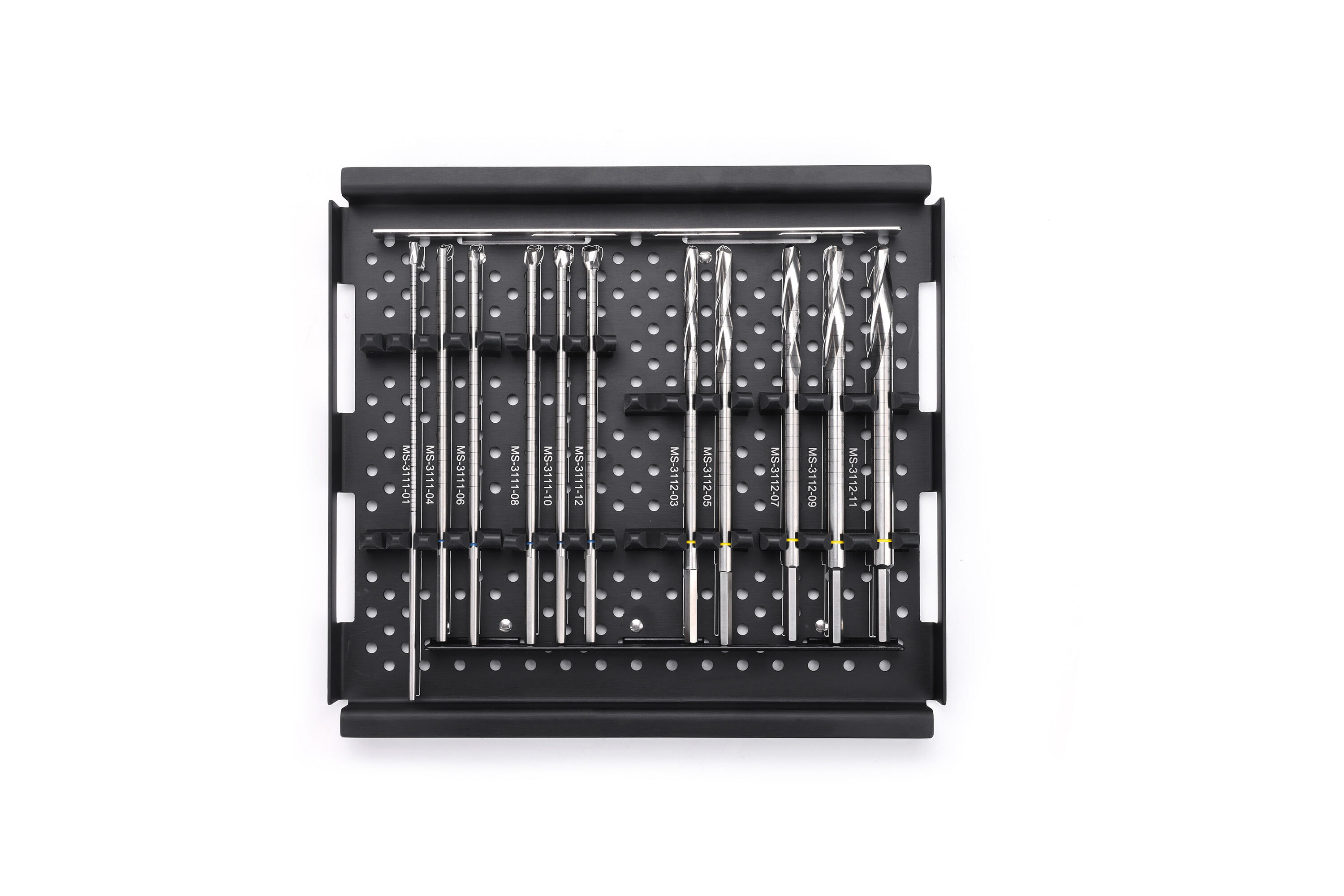
The landscape of orthopedic surgery has evolved dramatically over the past decade, with sports medicine instruments customization emerging as a pivotal factor in achieving superior patient outcomes. Modern healthcare facilities are increasingly recognizing that standardized surgical tools may not adequately address the diverse anatomical variations and specific procedural requirements encountered in sports-related injuries. This shift toward personalized surgical solutions has revolutionized how medical professionals approach complex orthopedic procedures, particularly in high-performance athletic environments where precision and efficiency are paramount.
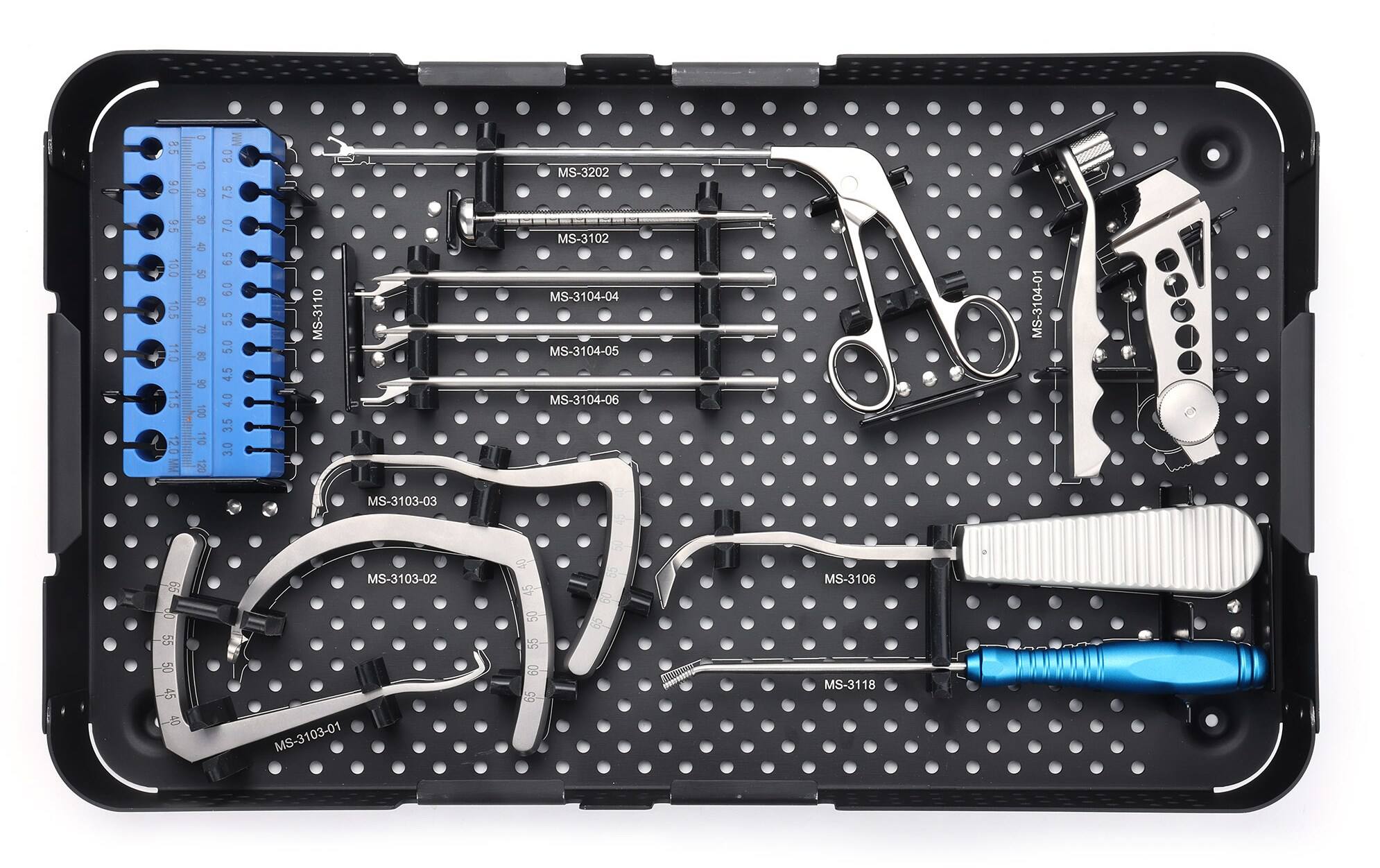
Contemporary surgical practices demand instruments that can adapt to unique patient anatomies while maintaining the highest standards of sterility and functionality. The customization process involves sophisticated engineering approaches that consider factors such as surgeon ergonomics, patient-specific measurements, and procedural complexity. Leading medical device manufacturers have invested heavily in advanced manufacturing technologies to meet these evolving demands, resulting in innovative solutions that significantly enhance surgical precision and reduce operative time.
Healthcare institutions worldwide are witnessing unprecedented growth in demand for specialized orthopedic tools that can accommodate various surgical techniques and patient demographics. This trend reflects the broader movement toward personalized medicine, where treatment approaches are tailored to individual patient characteristics rather than following one-size-fits-all protocols. The integration of cutting-edge materials science, biomechanical engineering, and digital manufacturing has created opportunities for developing highly specialized instruments that were previously unimaginable.
Advanced Material Engineering in Surgical Instrument Development
Titanium Alloy Integration for Enhanced Durability
The incorporation of advanced titanium alloys has revolutionized sports medicine instruments customization by providing exceptional strength-to-weight ratios while maintaining biocompatibility standards required for surgical applications. These sophisticated materials offer superior corrosion resistance and can withstand repeated sterilization cycles without degrading their structural integrity. Modern titanium alloys used in customized instruments feature enhanced surface treatments that improve grip characteristics and reduce the likelihood of instrument slippage during critical procedures.
Manufacturing facilities specializing in sports medicine instruments customization have adopted advanced metallurgical processes to optimize titanium alloy properties for specific surgical applications. These processes include precision heat treatment protocols, surface modification techniques, and quality control measures that ensure consistent performance across different instrument designs. The resulting products demonstrate remarkable longevity and maintain their precision characteristics throughout extended use periods, making them particularly valuable in high-volume surgical environments.
Carbon Fiber Composite Applications
Carbon fiber composites have emerged as game-changing materials in the development of lightweight yet incredibly strong surgical instruments. These advanced materials enable the creation of complex geometric shapes that would be impossible to achieve using traditional metallic construction methods. The unique properties of carbon fiber allow for the development of instruments with optimized weight distribution, reducing surgeon fatigue during lengthy procedures while maintaining exceptional structural strength.
The integration of carbon fiber technology in sports medicine instruments customization has opened new possibilities for creating instruments with enhanced tactile feedback characteristics. Surgeons report improved sensitivity when using carbon fiber instruments, allowing for more precise manipulation of tissues and implants. Additionally, these materials exhibit excellent radiolucent properties, making them ideal for procedures requiring real-time imaging guidance without interference from the instruments themselves.
Digital Manufacturing Technologies Transforming Production
Additive Manufacturing Revolution
Three-dimensional printing technologies have fundamentally transformed the sports medicine instruments customization landscape by enabling rapid prototyping and small-batch production of highly specialized tools. Advanced additive manufacturing systems can produce complex geometries with internal channels, lattice structures, and integrated features that are impossible to create using traditional machining methods. This capability allows manufacturers to develop instruments with optimized ergonomics and enhanced functionality tailored to specific surgical procedures.
The precision achievable through modern 3D printing technologies has reached levels suitable for producing finished surgical instruments rather than just prototypes. Layer resolution capabilities now approach tolerances required for critical surgical applications, while post-processing techniques ensure surface finishes meet stringent medical device standards. This technological advancement has significantly reduced lead times for custom instrument production, enabling healthcare facilities to obtain specialized tools within weeks rather than months.
Computer-Aided Design Integration
Sophisticated computer-aided design software platforms have become indispensable tools in the sports medicine instruments customization process, enabling engineers to simulate performance characteristics before physical production begins. These advanced systems incorporate biomechanical modeling capabilities that predict how instruments will perform under various loading conditions and usage scenarios. The integration of finite element analysis allows designers to optimize instrument geometries for maximum strength while minimizing material usage.
Modern CAD platforms facilitate collaborative design processes where surgeons can provide direct input into instrument development, ensuring that final products meet specific procedural requirements. Virtual reality integration allows medical professionals to evaluate proposed designs in simulated surgical environments, identifying potential improvements before costly physical prototypes are produced. This collaborative approach has significantly improved the success rate of custom instrument projects while reducing development timelines.
Ergonomic Optimization for Surgeon Performance
Biomechanical Analysis of Hand Movements
Comprehensive biomechanical studies have revealed critical insights into how surgeons interact with their instruments during various procedures, leading to significant improvements in sports medicine instruments customization approaches. Advanced motion capture technologies analyze hand positioning, grip pressure, and movement patterns to identify optimal instrument configurations that reduce strain and improve precision. These studies have demonstrated that properly designed ergonomic features can reduce surgeon fatigue by up to 30% during complex procedures.
The application of biomechanical principles in instrument design has resulted in handles with optimized diameter, texture patterns that enhance grip security, and weight distribution characteristics that minimize hand strain. Research has shown that instruments designed using these principles enable surgeons to maintain steady hand positions for extended periods while providing enhanced tactile feedback. This improved performance directly translates to better patient outcomes and reduced procedure times.
Anthropometric Data Integration
The incorporation of comprehensive anthropometric data into the design process has enabled manufacturers to create instrument families that accommodate the wide range of hand sizes and grip preferences found among surgical professionals. Advanced measurement techniques capture detailed information about hand dimensions, finger lengths, and grip strength variations across different demographic groups. This data drives the development of adjustable features and multiple size options within instrument product lines.
Customization options based on anthropometric analysis include adjustable handle lengths, interchangeable grip surfaces, and modular components that can be configured to match individual surgeon preferences. These features are particularly valuable in training environments where multiple surgeons may use the same instruments, as well as in facilities that perform a high volume of procedures requiring extended instrument use. The ability to optimize instrument fit for individual users has been shown to improve surgical precision and reduce the incidence of repetitive strain injuries.
Patient-Specific Instrument Development
Medical Imaging Integration
The integration of advanced medical imaging data into the sports medicine instruments customization process has enabled the development of patient-specific surgical guides and instruments that improve procedural accuracy. High-resolution CT and MRI scans provide detailed anatomical information that can be used to create custom cutting guides, drilling templates, and alignment tools tailored to individual patient anatomy. This approach has proven particularly valuable in complex reconstruction procedures where precise component placement is critical to long-term success.
Sophisticated image processing algorithms can automatically generate instrument specifications based on patient scan data, significantly reducing the time required to develop custom solutions. These systems can identify optimal entry points, trajectory angles, and depth measurements while accounting for anatomical variations that might affect surgical approach. The resulting custom instruments enable surgeons to achieve consistent results even in challenging cases where standard instruments might be inadequate.
Anatomical Variation Accommodation
Recognition of significant anatomical variations among patient populations has driven the development of adaptive instrument designs that can accommodate different bone geometries and soft tissue characteristics. Advanced measurement techniques have revealed that standard instrument configurations may be suboptimal for significant portions of the patient population, particularly in specific demographic groups where anatomical norms differ from traditional design assumptions.
Modern sports medicine instruments customization approaches incorporate adjustable features that allow real-time adaptation to encountered anatomical variations during procedures. These innovations include expandable components, articulating joints, and modular assemblies that can be reconfigured based on intraoperative findings. Such flexibility reduces the need for instrument changes during procedures while ensuring optimal fit and function across diverse patient anatomies.
Technology Integration and Smart Instrument Features
Sensor-Enabled Performance Monitoring
The incorporation of miniaturized sensor technologies into surgical instruments has opened new possibilities for real-time performance monitoring and data collection during procedures. Advanced sports medicine instruments customization now includes embedded force sensors, accelerometers, and temperature monitors that can provide valuable feedback to surgeons while documenting procedural parameters for quality improvement initiatives. These smart features enable more precise control of applied forces and help prevent tissue damage from excessive pressure.
Data collected from sensor-enabled instruments contributes to the development of evidence-based surgical protocols and helps identify best practices for specific procedures. Advanced analytics platforms can process this information to generate recommendations for instrument modifications or technique improvements. The integration of wireless communication capabilities allows real-time data transmission to external monitoring systems, enabling immediate feedback and documentation of surgical parameters.
Augmented Reality Interface Development
Cutting-edge augmented reality systems are being integrated with customized surgical instruments to provide enhanced visualization and guidance during complex procedures. These systems can overlay digital information onto the surgical field, displaying optimal instrument positioning, anatomical landmarks, and procedural steps directly in the surgeon's field of view. The combination of custom instruments designed for specific procedures with AR guidance systems represents a significant advancement in surgical precision and efficiency.
The development of AR-compatible instruments requires careful consideration of optical properties, geometric constraints, and tracking requirements that ensure accurate system performance. Custom markers and reference points integrated into instrument designs enable precise tracking and alignment with virtual guidance information. This technology integration has shown particular promise in training applications where novice surgeons can benefit from real-time guidance while using specialized instruments.
Quality Control and Regulatory Compliance
Advanced Testing Methodologies
The sports medicine instruments customization industry has developed sophisticated testing protocols that ensure custom instruments meet or exceed standard performance requirements while accommodating unique design features. Advanced mechanical testing equipment can simulate years of clinical use in accelerated timeframes, identifying potential failure modes and validating design modifications. These testing methodologies include fatigue analysis, corrosion resistance evaluation, and biocompatibility assessment protocols specifically adapted for custom instrument designs.
Quality assurance programs for customized instruments incorporate statistical process control methods that monitor manufacturing consistency across small production batches. Advanced measurement systems can detect dimensional variations at the micrometer level, ensuring that custom specifications are maintained throughout the production process. These rigorous quality control measures are essential for maintaining regulatory compliance while delivering the precision required for successful surgical outcomes.
Regulatory Framework Navigation
Navigating the complex regulatory landscape for custom medical devices requires specialized expertise and comprehensive documentation systems that demonstrate safety and efficacy for each unique design. Regulatory pathways for sports medicine instruments customization vary significantly depending on the degree of modification from predicate devices and the intended clinical application. Manufacturers must maintain detailed design controls, risk management documentation, and clinical evaluation data that support regulatory submissions for custom instrument approvals.
The development of standardized documentation templates and approval processes has streamlined the regulatory pathway for many types of custom instruments while maintaining appropriate safety oversight. Collaboration between manufacturers, regulatory agencies, and clinical users has resulted in more efficient approval processes that balance innovation with patient safety requirements. These improvements have reduced time-to-market for custom instruments while ensuring that all safety and performance standards are met.
Market Trends and Future Developments
Artificial Intelligence Integration
Artificial intelligence technologies are beginning to revolutionize the sports medicine instruments customization process by automating design optimization and predicting performance characteristics based on historical data and simulation results. Machine learning algorithms can analyze vast databases of surgical outcomes to identify instrument features that correlate with improved patient results. These AI systems can generate design recommendations that optimize multiple performance parameters simultaneously while ensuring manufacturing feasibility.
The integration of AI into the customization workflow has the potential to significantly reduce design iteration cycles while improving final product performance. Advanced neural networks can predict how design modifications will affect instrument behavior under various clinical conditions, enabling engineers to make informed decisions without extensive physical testing. This capability is particularly valuable for developing instruments for rare procedures where limited clinical data is available for traditional design validation approaches.
Sustainable Manufacturing Practices
Environmental sustainability has become an increasingly important consideration in sports medicine instruments customization, driving the development of eco-friendly materials and manufacturing processes. Advanced recycling technologies enable the recovery and reuse of high-value materials such as titanium and specialized alloys, reducing waste and environmental impact. Manufacturers are also exploring bio-based materials that can provide similar performance characteristics while offering improved end-of-life disposal options.
Energy-efficient manufacturing processes and renewable energy integration are becoming standard practices in modern instrument production facilities. The adoption of lean manufacturing principles combined with advanced automation has reduced material waste and energy consumption while maintaining high quality standards. These sustainability initiatives not only reduce environmental impact but also contribute to cost reduction that can make customized instruments more accessible to healthcare facilities with limited budgets.
FAQ
What factors determine the cost of sports medicine instruments customization
The cost of sports medicine instruments customization depends on several key factors including the complexity of design modifications, materials selected, production volume, and regulatory requirements. Simple modifications such as handle adjustments or surface treatments typically cost significantly less than complete redesigns requiring new tooling and extensive testing. Material selection plays a major role, with advanced alloys and composites commanding premium prices but offering superior performance characteristics. Production volume affects unit costs, with larger batches benefiting from economies of scale while single-unit custom instruments incur higher per-piece costs due to setup and tooling requirements.
How long does the typical customization process take from concept to delivery
The timeline for sports medicine instruments customization varies considerably based on project complexity and regulatory requirements, typically ranging from 4-16 weeks for standard modifications to 6-12 months for completely new designs requiring extensive validation. Simple modifications such as ergonomic adjustments or surface treatments can often be completed within 4-6 weeks, while complex custom geometries requiring new tooling may take 12-16 weeks. Projects requiring regulatory approval for significant design changes can extend timelines to 6-12 months, particularly if clinical evaluation data is required. Expedited processing is available for urgent cases, though this typically involves additional costs.
What quality standards apply to customized surgical instruments
Customized surgical instruments must meet the same rigorous quality standards as mass-produced devices, including ISO 13485 quality management requirements, biocompatibility testing per ISO 10993 standards, and performance validation according to relevant ASTM and ISO test methods. Additional requirements may apply depending on the degree of customization, with significant design changes potentially requiring clinical evaluation data and regulatory approval. Manufacturing facilities must maintain comprehensive quality systems that document design controls, risk management processes, and batch records for each custom instrument. Regular audits by regulatory agencies ensure ongoing compliance with applicable standards and regulations.
Can existing instruments be modified rather than creating completely new designs
Many sports medicine instruments customization projects involve modifications to existing proven designs rather than complete redesigns, which can significantly reduce development time and costs while maintaining regulatory compliance. Common modification approaches include ergonomic adjustments, surface treatments, dimensional changes within established tolerances, and the addition of specialized features such as measurement markings or attachment points. However, extensive modifications may require the same validation and regulatory approval processes as new designs, particularly if changes affect critical performance characteristics or safety features. Manufacturers typically maintain databases of approved base designs that can serve as starting points for customization projects, streamlining the development process while ensuring regulatory compliance.
Table of Contents
- Advanced Material Engineering in Surgical Instrument Development
- Digital Manufacturing Technologies Transforming Production
- Ergonomic Optimization for Surgeon Performance
- Patient-Specific Instrument Development
- Technology Integration and Smart Instrument Features
- Quality Control and Regulatory Compliance
- Market Trends and Future Developments
- FAQ