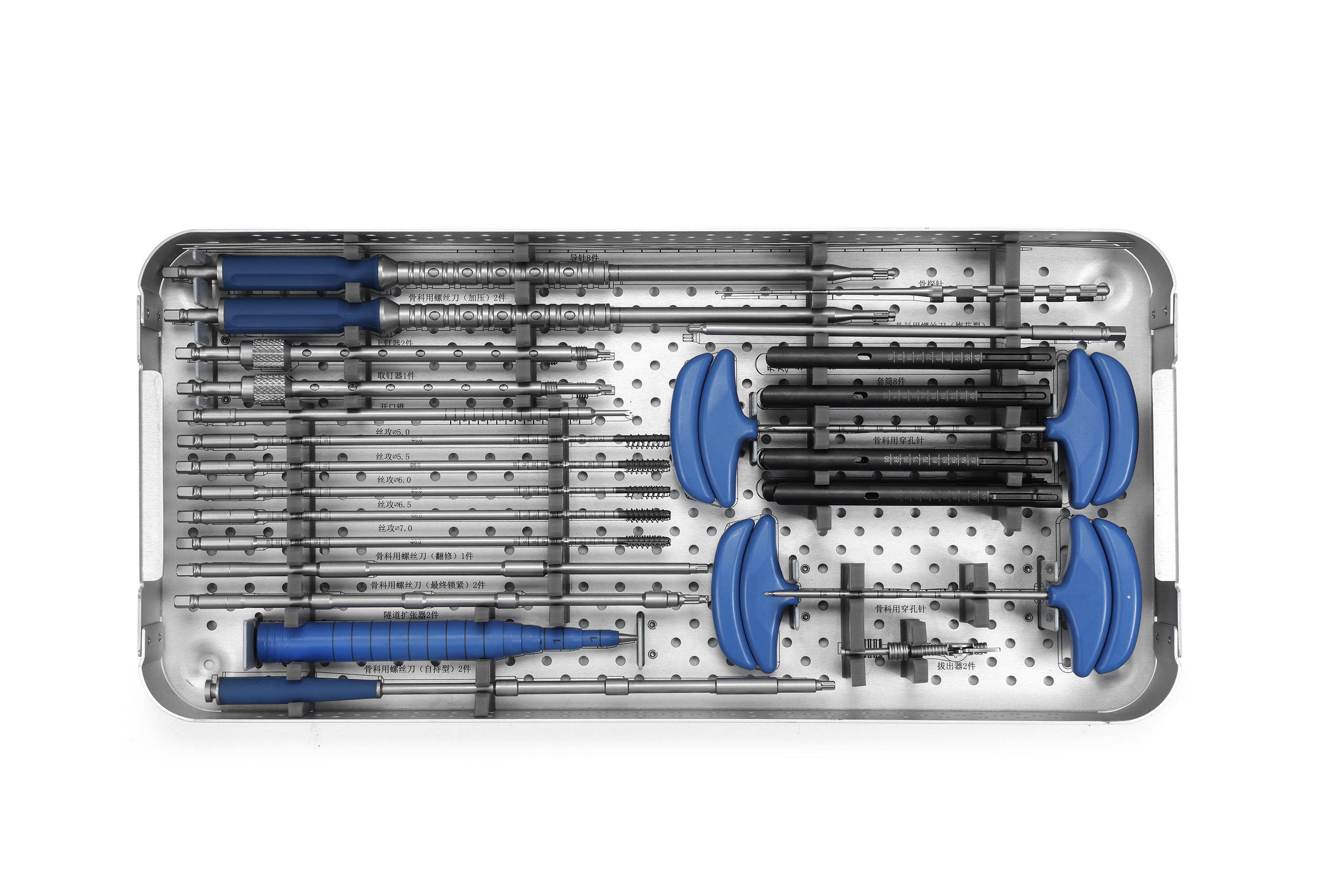
The global spine surgery market continues to expand rapidly, driven by an aging population and increasing prevalence of spinal disorders. For medical device companies looking to enter this lucrative sector, partnering with a qualified spinal instruments oem manufacturer represents a strategic approach to market entry. This partnership model offers numerous advantages including reduced development costs, accelerated time-to-market, and access to specialized manufacturing expertise that would otherwise require years to develop internally.
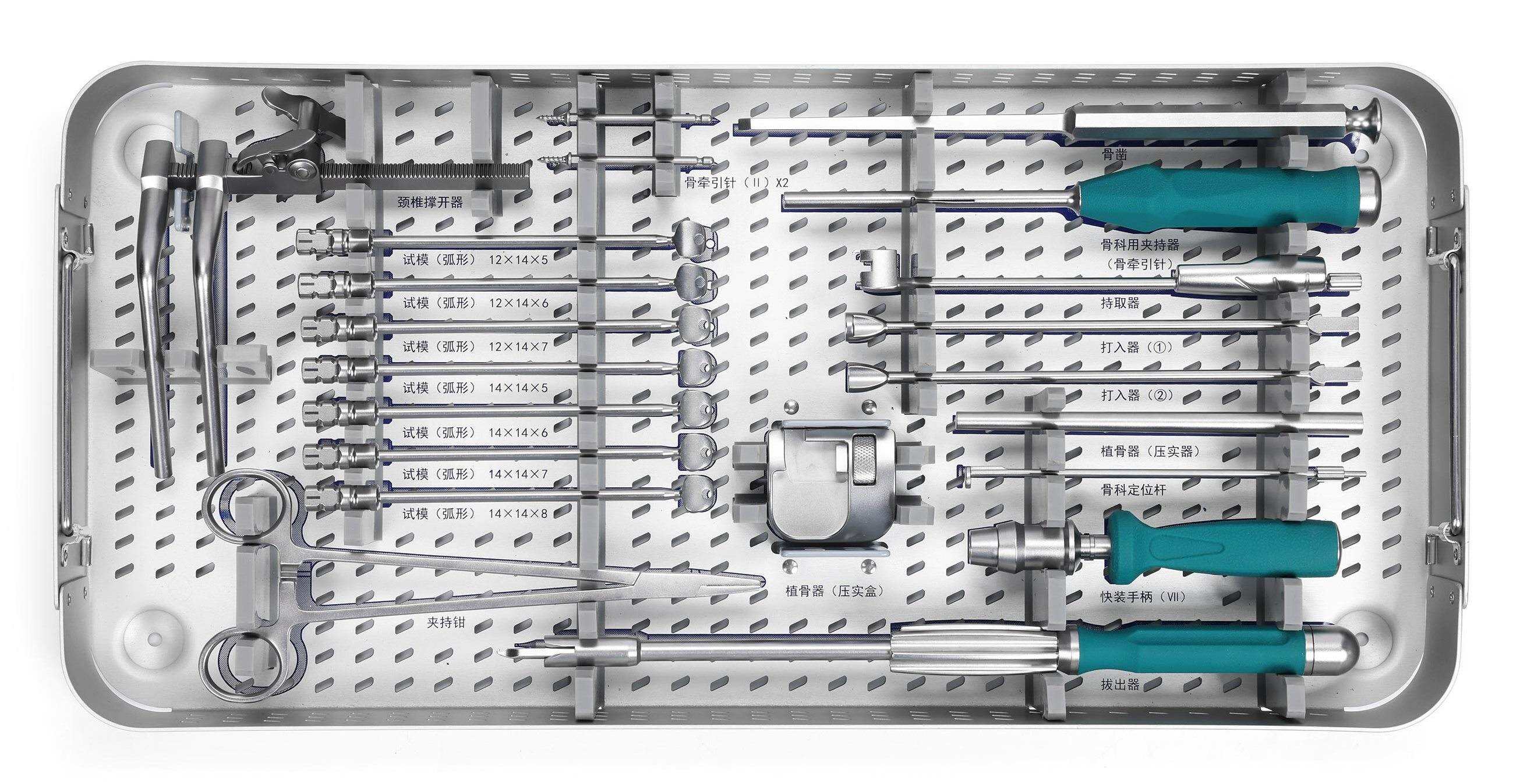
Modern spinal surgery demands precision instruments that meet stringent regulatory requirements while delivering consistent performance outcomes. Working with an established spinal instruments oem manufacturer ensures access to proven manufacturing processes, quality systems, and regulatory compliance frameworks. These partnerships enable companies to focus on their core competencies such as sales, marketing, and customer relationships while leveraging the manufacturing expertise of specialized partners.
Manufacturing Expertise and Quality Standards
Advanced Production Capabilities
A professional spinal instruments oem manufacturer typically operates state-of-the-art facilities equipped with precision machining centers, advanced inspection equipment, and cleanroom environments. These facilities are designed specifically for medical device manufacturing, incorporating features such as temperature and humidity control, air filtration systems, and contamination prevention protocols. The manufacturing processes employed by experienced OEM partners often include computer numerical control machining, automated assembly systems, and comprehensive testing procedures that ensure consistent product quality.
Quality management systems implemented by reputable spinal instruments oem manufacturer partners typically exceed basic regulatory requirements. These systems incorporate risk management principles, statistical process control, and continuous improvement methodologies that drive operational excellence. Advanced quality control measures include dimensional inspection using coordinate measuring machines, material verification through spectroscopic analysis, and functional testing that validates instrument performance under simulated surgical conditions.
Regulatory Compliance Framework
Navigating the complex regulatory landscape for spinal instruments requires deep expertise and established systems. An experienced spinal instruments oem manufacturer maintains comprehensive quality management systems that comply with international standards such as ISO 13485, FDA regulations, and European Medical Device Regulation requirements. These systems include documented procedures for design controls, risk management, supplier qualification, and post-market surveillance activities that ensure ongoing compliance throughout the product lifecycle.
The regulatory expertise provided by a qualified manufacturing partner extends beyond basic compliance to include strategic guidance on regulatory pathways, submission strategies, and global market access requirements. This expertise proves invaluable when developing new products or entering new geographic markets, as regulatory requirements can vary significantly between jurisdictions and product classifications.
Cost Efficiency and Resource Optimization
Capital Investment Reduction
Establishing internal manufacturing capabilities for spinal instruments requires substantial capital investments in specialized equipment, facility infrastructure, and quality systems. Partnering with an established spinal instruments oem manufacturer eliminates these upfront costs while providing immediate access to proven manufacturing capabilities. The capital that would otherwise be invested in manufacturing infrastructure can be redirected toward product development, market expansion, or other strategic initiatives that drive business growth.
The economies of scale achieved by dedicated manufacturing partners result in lower per-unit production costs compared to internal manufacturing operations. These cost advantages stem from optimized production processes, bulk material purchasing power, and efficient utilization of specialized equipment across multiple product lines. The cost benefits become particularly significant for companies with moderate production volumes that cannot justify the fixed costs of dedicated manufacturing facilities.
Operational Flexibility
Market demand for spinal instruments can fluctuate based on seasonal factors, new product launches, and changes in surgical procedures. A reliable spinal instruments oem manufacturer provides the operational flexibility needed to accommodate these demand variations without the burden of maintaining excess internal capacity. This flexibility extends to product mix changes, custom product development, and rapid scaling of production volumes to support market expansion initiatives.
The operational flexibility provided by OEM partnerships also enables companies to respond quickly to market opportunities and competitive pressures. When new product requirements emerge or existing products require modifications, an experienced manufacturing partner can implement changes more rapidly than internal operations constrained by resource limitations and competing priorities.
Innovation and Product Development Support
Design and Engineering Expertise
Leading spinal instruments oem manufacturer partners bring extensive design and engineering expertise to product development initiatives. This expertise encompasses understanding of surgical procedures, biomechanical principles, and material science considerations that influence instrument design and performance. Collaborative development processes leverage this expertise to create innovative products that address specific clinical needs while meeting manufacturing and cost objectives.
The design for manufacturability expertise provided by experienced OEM partners helps optimize product designs for efficient production, quality consistency, and cost effectiveness. This optimization process considers factors such as material selection, manufacturing processes, assembly requirements, and inspection capabilities to ensure successful transition from concept to commercial production.
Technology Integration
Modern spinal surgery increasingly incorporates advanced technologies such as navigation systems, robotics, and minimally invasive techniques. A forward-thinking spinal instruments oem manufacturer stays current with these technological developments and can integrate new technologies into instrument designs. This technological integration capability ensures that partnered companies can offer cutting-edge products that meet evolving surgical requirements and maintain competitive differentiation.
The technology integration expertise extends beyond individual product features to encompass system-level considerations such as instrument compatibility, workflow optimization, and user interface design. These system-level considerations become increasingly important as surgical procedures become more sophisticated and integrated with digital technologies.
Market Access and Competitive Advantages
Time-to-Market Acceleration
Speed to market represents a critical competitive advantage in the dynamic spinal instruments sector. Partnering with an established spinal instruments oem manufacturer significantly reduces product development timelines through access to existing manufacturing capabilities, proven processes, and regulatory expertise. This acceleration enables companies to capitalize on market opportunities, respond to competitive threats, and generate revenue streams more quickly than competitors relying on internal development efforts.
The time-to-market advantages extend throughout the product lifecycle, including new product introductions, product modifications, and geographic market expansion initiatives. Experienced manufacturing partners can implement changes and scale production more rapidly than internal operations, providing sustained competitive advantages in fast-moving markets.
Global Supply Chain Access
International expansion requires understanding of local regulations, distribution channels, and market preferences. A global spinal instruments oem manufacturer provides access to established supply chains, regulatory expertise, and market knowledge that facilitate international expansion. This global reach enables companies to pursue worldwide market opportunities without the complexity and investment required to establish international manufacturing and distribution capabilities.
The supply chain advantages provided by experienced OEM partners include supplier relationships, logistics capabilities, and inventory management systems that support efficient global operations. These capabilities become particularly valuable during supply chain disruptions or when entering markets with unique requirements or constraints.
Risk Management and Business Continuity
Operational Risk Mitigation
Manufacturing medical devices involves numerous operational risks including equipment failures, quality issues, regulatory compliance challenges, and supply chain disruptions. An experienced spinal instruments oem manufacturer implements comprehensive risk management systems that identify, assess, and mitigate these operational risks. These systems include preventive maintenance programs, backup equipment strategies, supplier qualification processes, and business continuity plans that ensure consistent production capabilities.
The risk mitigation capabilities extend to regulatory compliance risks through established quality management systems, documented procedures, and ongoing monitoring activities. These capabilities provide confidence that products will consistently meet regulatory requirements and quality specifications, reducing the risk of costly recalls, regulatory actions, or market access delays.
Financial Risk Distribution
Partnering with a spinal instruments oem manufacturer distributes financial risks associated with manufacturing operations across multiple parties. This risk distribution includes sharing of costs related to equipment maintenance, facility upgrades, regulatory compliance, and quality system improvements. The shared risk model provides financial stability and predictability that supports long-term business planning and investment decisions.
Financial risk distribution also extends to market risks through flexible manufacturing arrangements that can accommodate demand fluctuations without the fixed cost burden of internal manufacturing operations. This flexibility provides financial resilience during market downturns while maintaining the capability to scale operations during periods of growth.
FAQ
What qualifications should I look for in a spinal instruments oem manufacturer?
When selecting a manufacturing partner, prioritize companies with ISO 13485 certification, FDA registration, and proven experience in spinal instrument manufacturing. Look for facilities with advanced machining capabilities, cleanroom environments, and comprehensive quality management systems. Evaluate their regulatory compliance history, customer references, and ability to support your specific product requirements and market objectives.
How can I ensure quality consistency when working with an OEM manufacturer?
Establish clear quality agreements that define specifications, acceptance criteria, and testing requirements. Implement regular audits of the manufacturing facility and quality systems. Require statistical process control data, inspection reports, and certificates of conformance for each batch. Maintain ongoing communication with the manufacturing team and conduct periodic reviews of quality performance metrics and improvement initiatives.
What are the typical lead times for spinal instrument manufacturing?
Lead times vary depending on product complexity, quantity, and customization requirements. Standard instruments typically require 4-8 weeks for production, while custom or complex products may need 12-16 weeks. Initial product development and tooling can add 8-12 weeks to the timeline. An experienced spinal instruments oem manufacturer will provide realistic timelines based on your specific requirements and maintain communication throughout the production process.
How do I protect my intellectual property when partnering with an OEM manufacturer?
Establish comprehensive non-disclosure agreements and intellectual property protection clauses in your manufacturing agreements. Consider filing patents for key innovations before sharing detailed designs with manufacturing partners. Limit access to proprietary information to essential personnel and implement secure data sharing protocols. Work with manufacturers who have established track records of respecting client confidentiality and intellectual property rights.
Table of Contents
- Manufacturing Expertise and Quality Standards
- Cost Efficiency and Resource Optimization
- Innovation and Product Development Support
- Market Access and Competitive Advantages
- Risk Management and Business Continuity
-
FAQ
- What qualifications should I look for in a spinal instruments oem manufacturer?
- How can I ensure quality consistency when working with an OEM manufacturer?
- What are the typical lead times for spinal instrument manufacturing?
- How do I protect my intellectual property when partnering with an OEM manufacturer?