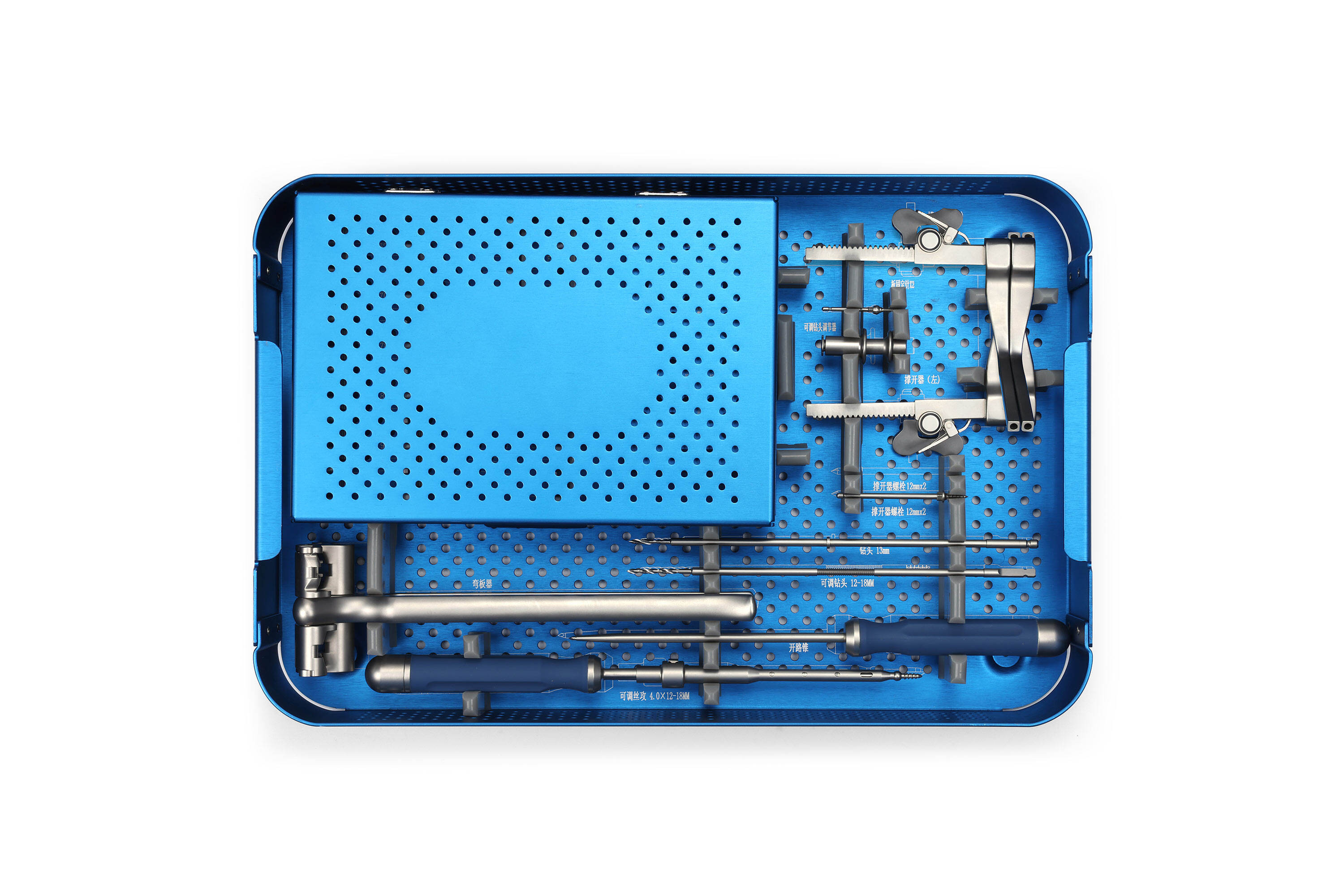
Selecting the right surgical instruments manufacturer is a critical decision that directly impacts patient safety, operational efficiency, and long-term healthcare facility success. Healthcare providers, hospitals, and medical distributors must carefully evaluate potential partners to ensure they receive high-quality instruments that meet stringent medical standards. The complexity of modern surgical procedures demands precision-engineered tools manufactured by experienced companies with proven track records in the medical device industry. Understanding the key factors that distinguish exceptional manufacturers from mediocre ones empowers healthcare professionals to make informed decisions that benefit both their organizations and the patients they serve.
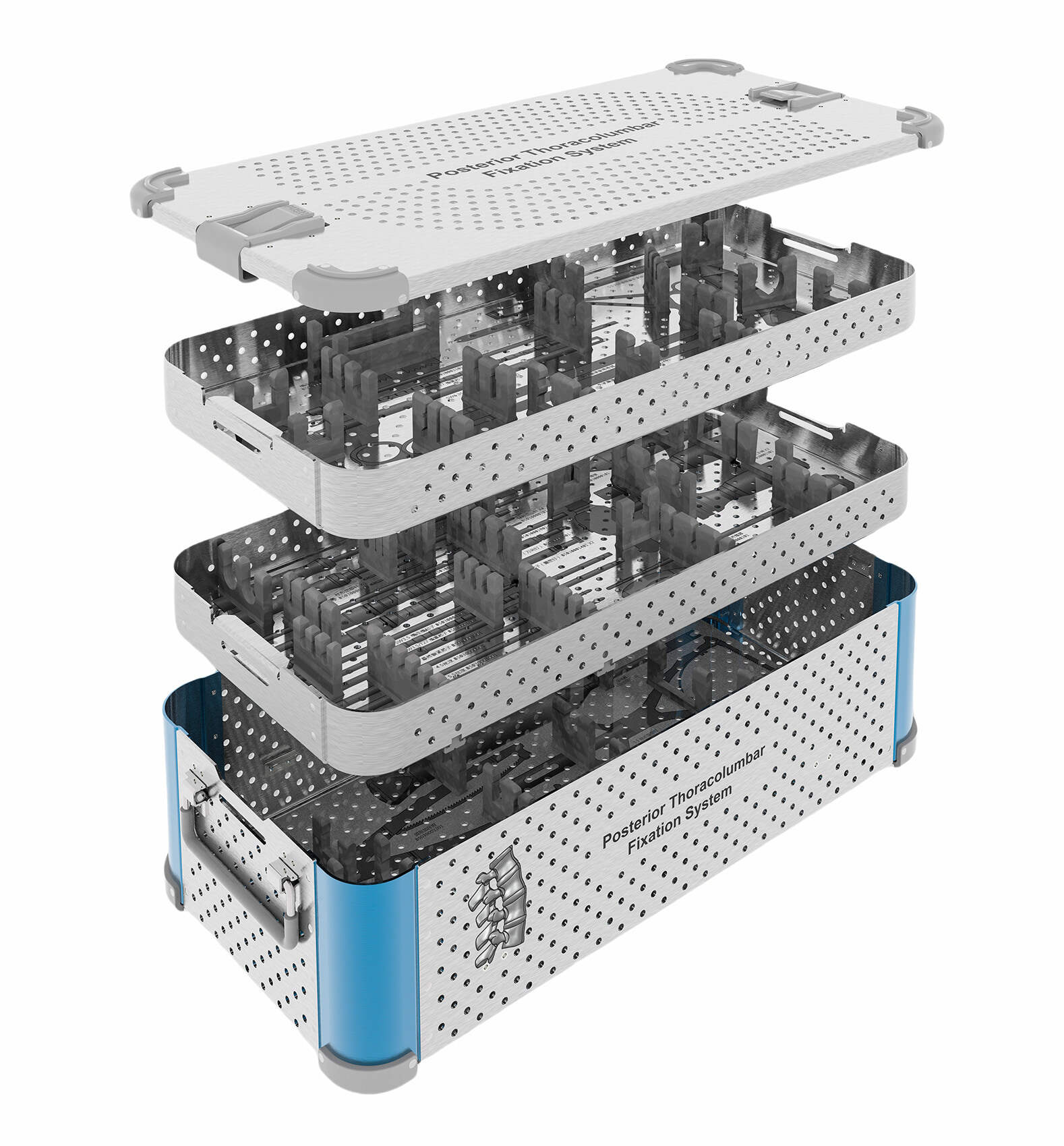
Quality Standards and Certifications
ISO Certification Requirements
A reputable surgical instruments manufacturer must possess ISO 13485 certification, which specifically addresses quality management systems for medical devices. This international standard ensures that manufacturing processes consistently meet customer and regulatory requirements while demonstrating continuous improvement in quality control. The certification process involves rigorous auditing of production facilities, documentation systems, and quality assurance protocols. Healthcare buyers should verify that their chosen manufacturer maintains current ISO certification and undergoes regular third-party audits to ensure ongoing compliance.
Beyond ISO 13485, leading manufacturers often pursue additional certifications such as ISO 9001 for general quality management and ISO 14001 for environmental management systems. These supplementary certifications indicate a comprehensive commitment to excellence across all operational aspects. When evaluating a surgical instruments manufacturer, request copies of current certificates and verify their validity through the issuing certification bodies.
FDA Registration and Compliance
For manufacturers serving the United States market, FDA registration and 510(k) clearance for applicable devices are mandatory requirements. The FDA maintains strict oversight of medical device manufacturing, requiring companies to register their facilities and list their products with the agency. A reliable surgical instruments manufacturer will readily provide their FDA establishment registration number and demonstrate compliance with Good Manufacturing Practice (GMP) regulations.
The 510(k) premarket notification process requires manufacturers to demonstrate that their devices are substantially equivalent to legally marketed predicate devices. This regulatory pathway ensures that surgical instruments meet safety and effectiveness standards before reaching healthcare providers. When selecting a manufacturer, verify that all relevant products have appropriate FDA clearances and that the company maintains current registration status.
Manufacturing Capabilities and Technology
Advanced Production Facilities
Modern surgical instrument manufacturing requires sophisticated production facilities equipped with state-of-the-art machinery and controlled environments. A professional surgical instruments manufacturer should operate cleanroom facilities with appropriate environmental controls to prevent contamination during production processes. These facilities typically maintain specific temperature, humidity, and air filtration standards to ensure consistent product quality.
Computer Numerical Control (CNC) machining capabilities are essential for producing precise surgical instruments with tight tolerances. Advanced manufacturers utilize multi-axis CNC machines, laser cutting systems, and automated finishing processes to achieve the precision required for surgical applications. The integration of robotics and automation in manufacturing processes not only improves consistency but also reduces human error and contamination risks.
Material Selection and Sourcing
The choice of raw materials significantly impacts the performance, durability, and biocompatibility of surgical instruments. Leading manufacturers source high-grade stainless steel, typically 316L or 440C grades, which offer excellent corrosion resistance and mechanical properties. Some specialized applications may require titanium alloys or other advanced materials with specific characteristics for particular surgical procedures.
A responsible surgical instruments manufacturer maintains detailed material traceability records and works with certified suppliers who provide materials with appropriate mill certifications. This documentation ensures that all raw materials meet specified chemical compositions and mechanical properties. Additionally, manufacturers should conduct incoming material inspections and testing to verify quality before processing begins.
Quality Control and Testing Procedures
In-Process Quality Monitoring
Comprehensive quality control throughout the manufacturing process is essential for producing reliable surgical instruments. Effective manufacturers implement statistical process control (SPC) methods to monitor critical parameters during production. This approach enables real-time detection of process variations and prevents the production of defective instruments.
Each manufacturing stage should include specific inspection points where trained quality technicians verify dimensional accuracy, surface finish, and functional performance. Modern quality control systems utilize automated measurement equipment, coordinate measuring machines (CMMs), and optical inspection systems to ensure consistent accuracy. A dependable surgical instruments manufacturer will provide detailed quality documentation for each production batch.
Final Product Testing and Validation
Before shipment, all surgical instruments must undergo rigorous final testing to verify performance, durability, and safety. This testing includes mechanical property verification, corrosion resistance evaluation, and biocompatibility assessment where applicable. Functional testing ensures that instruments perform as intended under simulated use conditions.
Sterilization validation is another critical aspect of final product testing. Manufacturers must demonstrate that their instruments can withstand repeated sterilization cycles without degradation in performance or material properties. This validation typically involves accelerated aging studies and functional testing after multiple sterilization exposures using various sterilization methods commonly employed in healthcare facilities.
Customer Support and Service Excellence
Technical Support and Training
Exceptional customer support distinguishes superior manufacturers from their competitors in the medical device industry. A reliable surgical instruments manufacturer provides comprehensive technical support to help customers optimize instrument performance and troubleshoot any issues that may arise. This support should include detailed product documentation, user manuals, and maintenance guidelines tailored to specific instrument types.
Training programs for healthcare staff demonstrate a manufacturer's commitment to customer success. These programs may include proper instrument handling techniques, maintenance procedures, and troubleshooting guidance. Some manufacturers offer on-site training or webinar-based education to ensure that healthcare teams can maximize the value of their instrument investments.
Warranty and After-Sales Service
Comprehensive warranty coverage reflects a manufacturer's confidence in their product quality and commitment to customer satisfaction. Leading manufacturers typically offer warranty periods that align with industry standards while providing clear terms regarding coverage limitations and claim procedures. The warranty should cover manufacturing defects and premature failures under normal use conditions.
Efficient after-sales service includes responsive customer service teams, streamlined warranty claim processes, and expedited replacement or repair services when needed. A professional surgical instruments manufacturer maintains adequate inventory levels to support quick turnaround times for warranty replacements and has established procedures for handling customer complaints or quality issues.
Supply Chain Management and Delivery
Production Capacity and Scalability
Understanding a manufacturer's production capacity and scalability is crucial for ensuring reliable supply chain management. Healthcare facilities require consistent instrument availability to maintain operational continuity. A capable surgical instruments manufacturer should demonstrate adequate production capacity to meet current demand while maintaining flexibility to accommodate future growth or unexpected volume increases.
Manufacturers with multiple production facilities or strategic partnerships can provide additional security against supply disruptions. Geographic diversification of manufacturing capabilities reduces risks associated with regional disruptions, natural disasters, or other unforeseen circumstances that could impact production. Inquire about backup production capabilities and contingency plans during the evaluation process.
Inventory Management and Logistics
Efficient inventory management systems enable manufacturers to maintain appropriate stock levels while minimizing carrying costs and obsolescence risks. Modern inventory management utilizes demand forecasting, automated reorder points, and real-time tracking systems to optimize stock levels. A well-organized surgical instruments manufacturer can provide accurate delivery commitments and maintain transparency regarding order status throughout the fulfillment process.
Logistics partnerships with established shipping companies ensure reliable delivery services with appropriate handling procedures for medical devices. Temperature-controlled shipping, secure packaging, and tracking capabilities are essential elements of professional logistics operations. The manufacturer should provide comprehensive shipping documentation and maintain chain-of-custody records for regulatory compliance purposes.
Cost Considerations and Value Proposition
Total Cost of Ownership Analysis
While initial purchase price is an important consideration, healthcare buyers should evaluate the total cost of ownership when selecting a surgical instruments manufacturer. This comprehensive analysis includes not only the acquisition cost but also factors such as product longevity, maintenance requirements, warranty coverage, and replacement frequency. High-quality instruments may command premium prices but often provide superior value through extended service life and reduced maintenance needs.
Hidden costs associated with poor-quality instruments can significantly impact the total cost of ownership. These costs may include increased replacement frequency, additional sterilization cycles due to premature wear, staff time for maintenance and troubleshooting, and potential risks to patient safety. A reputable surgical instruments manufacturer focuses on delivering long-term value rather than competing solely on initial price points.
Payment Terms and Financing Options
Flexible payment terms and financing options can enhance the value proposition of working with a particular manufacturer. Many established companies offer various payment structures, including net payment terms, volume discounts, and contract pricing for large orders. Some manufacturers provide leasing programs or equipment financing partnerships to help healthcare facilities manage cash flow while acquiring necessary instruments.
Long-term partnership agreements often include favorable pricing structures, priority allocation during high-demand periods, and enhanced service levels. These relationships benefit both parties by providing manufacturers with predictable revenue streams while offering customers improved pricing and service advantages. Evaluate the manufacturer's willingness to develop mutually beneficial long-term partnerships during the selection process.
FAQ
What certifications should I look for in a surgical instruments manufacturer
Key certifications to verify include ISO 13485 for medical device quality management systems, FDA registration for US market access, and CE marking for European compliance. Additional certifications like ISO 9001 and ISO 14001 demonstrate broader commitment to quality and environmental management. Always verify that certifications are current and issued by accredited certification bodies.
How can I evaluate the quality of surgical instruments before purchasing
Request product samples for hands-on evaluation, review quality documentation including material certificates and test reports, and conduct facility audits if possible. Examine the manufacturer's quality control processes, testing procedures, and customer feedback. Consider requesting references from existing customers in similar healthcare settings to gather firsthand experience reports.
What should I expect regarding delivery times and minimum order quantities
Delivery times vary based on product complexity, customization requirements, and current demand levels. Standard instruments typically ship within 2-4 weeks, while custom products may require 6-12 weeks. Minimum order quantities depend on the manufacturer's business model, with some specializing in large volume orders while others accommodate smaller quantities for specialized applications.
How important is it to choose a manufacturer with local presence or support
Local presence can significantly enhance customer service, technical support, and warranty service responsiveness. However, many international manufacturers provide excellent remote support through authorized distributors or regional offices. Evaluate the manufacturer's support infrastructure in your region and their track record for responsive customer service regardless of geographic location.
Table of Contents
- Quality Standards and Certifications
- Manufacturing Capabilities and Technology
- Quality Control and Testing Procedures
- Customer Support and Service Excellence
- Supply Chain Management and Delivery
- Cost Considerations and Value Proposition
-
FAQ
- What certifications should I look for in a surgical instruments manufacturer
- How can I evaluate the quality of surgical instruments before purchasing
- What should I expect regarding delivery times and minimum order quantities
- How important is it to choose a manufacturer with local presence or support