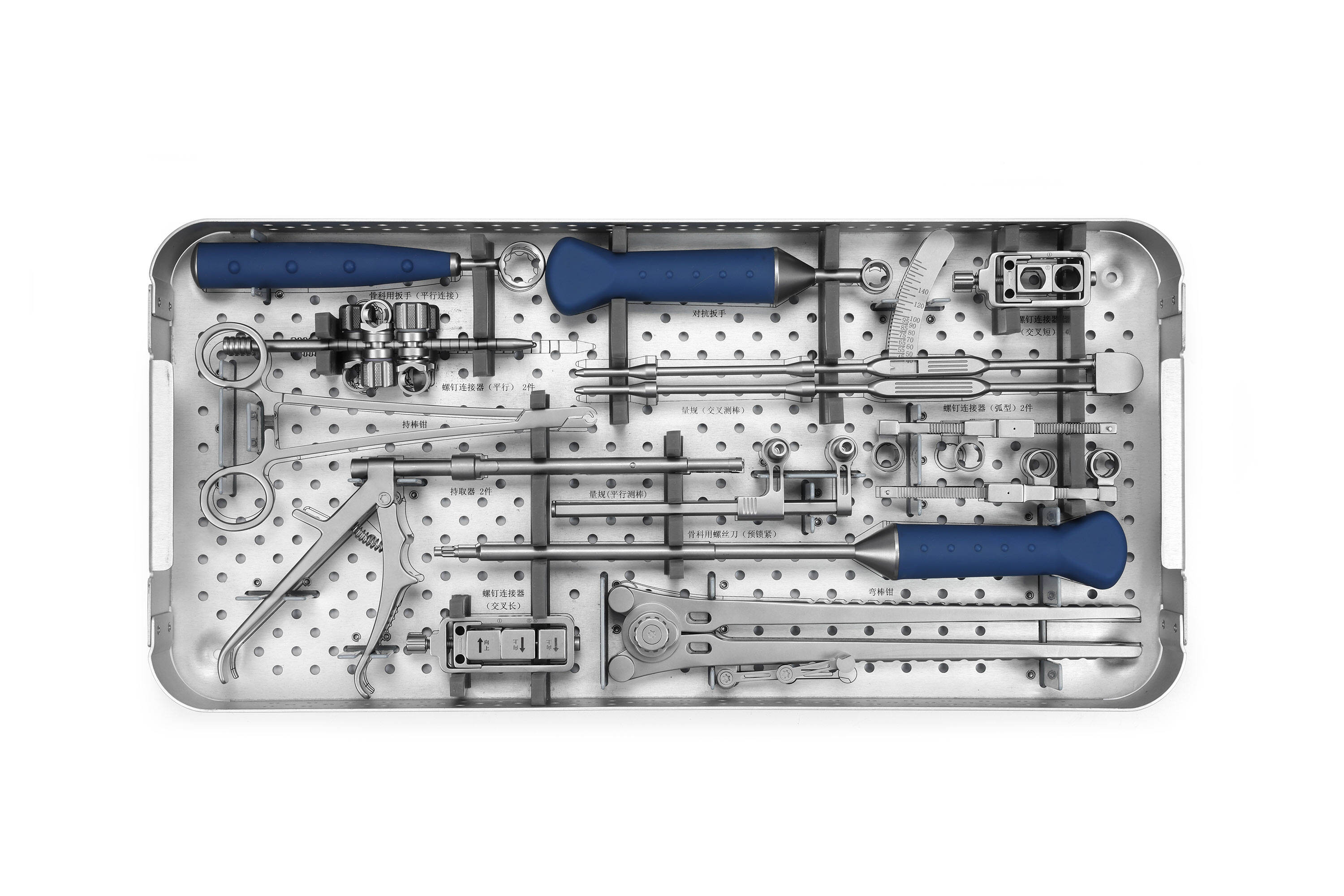
The medical device industry has witnessed unprecedented growth in recent years, with the global surgical instruments market experiencing remarkable expansion. As healthcare systems worldwide continue to modernize and patient volumes increase, the role of a reliable surgical instruments manufacturer becomes increasingly critical in ensuring optimal patient outcomes. These specialized companies serve as the backbone of modern surgical procedures, providing essential tools that enable medical professionals to perform life-saving operations with precision and confidence. The complexity of manufacturing surgical instruments requires extensive expertise, cutting-edge technology, and unwavering commitment to quality standards that meet the stringent requirements of healthcare institutions globally.
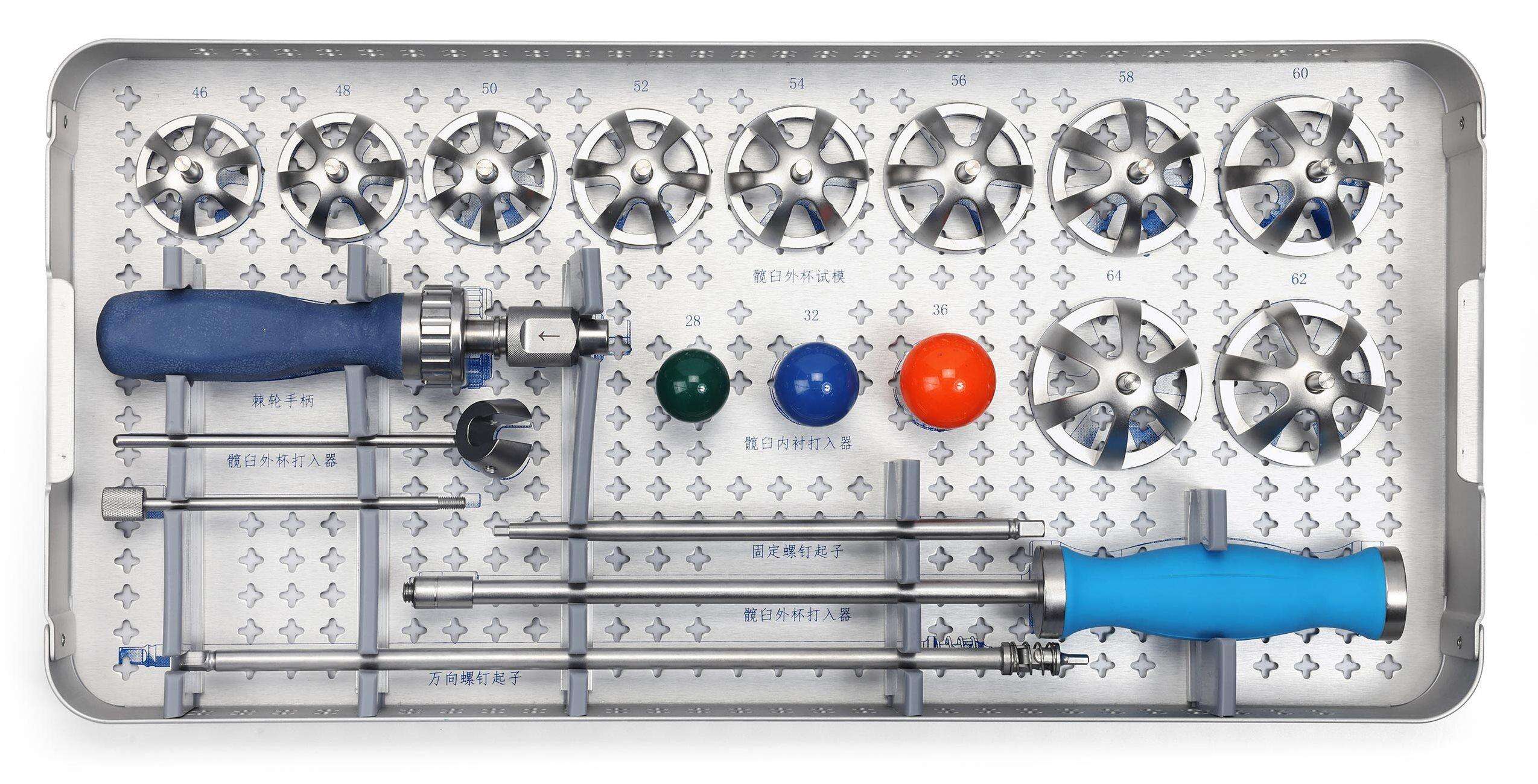
Manufacturing Excellence in Surgical Instruments
Advanced Production Technologies
Modern surgical instruments manufacturer facilities incorporate state-of-the-art production technologies that ensure precision manufacturing at every stage. Computer-controlled machining centers enable the creation of instruments with tolerances measured in micrometers, while advanced metallurgical processes guarantee optimal material properties. These technological investments allow manufacturers to produce instruments that meet the exacting demands of contemporary surgical procedures. The integration of automated quality control systems throughout the production line ensures consistent product excellence and minimizes human error potential.
Investment in research and development remains a cornerstone of successful surgical instruments manufacturer operations. Companies allocate significant resources toward developing innovative designs that enhance surgical efficiency and patient safety. Advanced CAD software enables engineers to optimize instrument geometry for improved ergonomics and functionality. Prototype testing using sophisticated simulation software allows manufacturers to refine designs before committing to full-scale production, reducing development time and costs while ensuring superior end-product performance.
Quality Assurance Protocols
Rigorous quality assurance protocols form the foundation of every reputable surgical instruments manufacturer operation. Multi-stage inspection processes beginning with raw material verification and continuing through final product testing ensure that only instruments meeting the highest standards reach healthcare facilities. Statistical process control methodologies enable manufacturers to identify potential quality issues before they affect production output. Environmental testing chambers subject instruments to extreme conditions, verifying their performance under various clinical scenarios.
Certification compliance represents another critical aspect of surgical instruments manufacturer quality systems. International standards such as ISO 13485 and FDA regulations establish comprehensive frameworks for medical device manufacturing. Regular third-party audits verify adherence to these standards, while internal quality teams conduct continuous monitoring to maintain compliance. Documentation systems track every aspect of the manufacturing process, creating detailed records that support regulatory submissions and enable rapid response to any quality concerns that may arise.
Material Science and Engineering Innovation
Advanced Alloy Development
The selection and development of materials represents a fundamental challenge for every surgical instruments manufacturer seeking to create durable, corrosion-resistant products. Stainless steel alloys remain the primary material choice for most surgical instruments due to their excellent biocompatibility and resistance to sterilization processes. However, advanced manufacturing techniques now enable the use of specialized alloys that offer enhanced properties such as improved edge retention, reduced weight, and superior resistance to chemical degradation. Titanium alloys provide exceptional strength-to-weight ratios for delicate instruments requiring precise manipulation.
Surface treatment technologies have revolutionized the performance characteristics of surgical instruments manufactured by leading companies. Specialized coating processes create surfaces with enhanced antimicrobial properties, reducing the risk of infection transmission. Plasma treatments modify surface topography at the molecular level, improving instrument grip and reducing glare under surgical lighting. These innovations demonstrate how a forward-thinking surgical instruments manufacturer can differentiate their products through advanced materials engineering while maintaining the reliability and durability that healthcare professionals demand.
Precision Engineering Capabilities
Contemporary surgical procedures demand instruments manufactured with extraordinary precision, requiring surgical instruments manufacturer facilities to invest in advanced engineering capabilities. Multi-axis CNC machining centers enable the production of complex geometries with consistent accuracy across large production volumes. Laser cutting and welding technologies provide precise material joining without introducing thermal stress that could compromise instrument performance. Coordinate measuring machines verify dimensional accuracy to ensure that every instrument meets design specifications exactly.
Micro-manufacturing techniques allow surgical instruments manufacturer companies to produce increasingly sophisticated products that support minimally invasive procedures. Specialized tooling and fixtures enable the consistent production of instruments with features measured in fractions of millimeters. Advanced surface finishing processes create instruments with optimal tactile properties while maintaining the smooth surfaces necessary for effective sterilization. These capabilities enable manufacturers to support the ongoing evolution toward less invasive surgical techniques that benefit both patients and healthcare systems.
Regulatory Compliance and Global Standards
International Certification Requirements
Navigating the complex landscape of international medical device regulations requires extensive expertise that distinguishes professional surgical instruments manufacturer organizations from less sophisticated competitors. The European Medical Device Regulation (MDR) and FDA Quality System Regulation establish comprehensive requirements for design controls, risk management, and post-market surveillance. Successful manufacturers maintain dedicated regulatory affairs teams that monitor evolving requirements and ensure continued compliance across all target markets. These regulatory frameworks protect patients while creating barriers to entry that benefit established manufacturers with proven compliance capabilities.
The global nature of the medical device market requires surgical instruments manufacturer companies to maintain certifications in multiple jurisdictions simultaneously. Health Canada, the Japanese Pharmaceuticals and Medical Devices Agency, and other regulatory bodies each impose unique requirements that must be satisfied for market access. Harmonization efforts through organizations such as the Global Harmonization Task Force help streamline some requirements, but significant differences remain. Successful manufacturers develop comprehensive regulatory strategies that enable efficient market entry while maintaining the highest safety and efficacy standards.
Clinical Evidence and Validation
The development of clinical evidence supporting instrument safety and efficacy represents an increasingly important aspect of surgical instruments manufacturer operations. Regulatory agencies now require more extensive clinical data to support marketing applications, particularly for innovative products that incorporate new technologies or materials. Manufacturers must collaborate with healthcare institutions and research organizations to generate robust clinical evidence demonstrating product performance in real-world surgical environments. This evidence-based approach enhances regulatory approval prospects while providing valuable insights for product improvement initiatives.
Post-market surveillance systems enable surgical instruments manufacturer companies to monitor product performance continuously after commercial release. These systems collect data from healthcare facilities regarding instrument performance, adverse events, and user feedback. Sophisticated data analysis techniques identify trends and patterns that may indicate potential safety concerns or opportunities for product enhancement. Proactive surveillance demonstrates manufacturer commitment to patient safety while providing valuable intelligence for future product development initiatives.
Market Dynamics and Industry Trends
Emerging Surgical Technologies
The rapid evolution of surgical techniques creates new opportunities and challenges for every surgical instruments manufacturer seeking to maintain market leadership. Robotic-assisted surgery systems require specialized instruments designed to interface with complex mechanical systems while maintaining the precision and reliability that surgeons demand. These instruments must incorporate advanced sensors, actuators, and communication systems while preserving the fundamental performance characteristics of traditional surgical tools. Manufacturers investing in robotic surgery capabilities position themselves advantageously for future market growth.
Minimally invasive surgical techniques continue to drive demand for innovative instruments that enable procedures through smaller incisions. A progressive surgical instruments manufacturer must develop products that provide surgeons with enhanced visualization, improved dexterity, and superior control within constrained anatomical spaces. Advanced imaging integration, haptic feedback systems, and smart instrument technologies represent emerging areas of opportunity for manufacturers willing to invest in next-generation surgical solutions. These technologies promise to improve patient outcomes while creating new revenue streams for innovative manufacturers.
Global Market Expansion
International market expansion represents a significant growth opportunity for established surgical instruments manufacturer companies seeking to diversify their revenue base. Emerging markets in Asia, Latin America, and Africa demonstrate increasing demand for high-quality surgical instruments as healthcare infrastructure continues to develop. However, these markets often present unique challenges including price sensitivity, regulatory complexity, and distribution channel requirements that differ significantly from developed market norms. Successful expansion requires careful market analysis and strategic planning to ensure sustainable profitability.
Digital transformation initiatives are reshaping how surgical instruments manufacturer companies interact with their customers and manage their operations. Electronic commerce platforms enable direct sales to smaller healthcare facilities while reducing distribution costs. Digital marketing techniques provide more targeted and cost-effective customer outreach compared to traditional marketing approaches. Supply chain digitization improves inventory management and reduces lead times, enhancing customer satisfaction while optimizing working capital requirements. These technological capabilities become increasingly important as the industry evolves toward more sophisticated business models.
Sustainability and Environmental Responsibility
Green Manufacturing Initiatives
Environmental sustainability has become an increasingly important consideration for surgical instruments manufacturer operations as healthcare systems worldwide adopt more comprehensive sustainability policies. Energy-efficient manufacturing processes reduce operational costs while minimizing environmental impact. Waste reduction initiatives including material optimization and recycling programs demonstrate corporate responsibility while improving profitability. Water conservation technologies and renewable energy systems further reduce environmental footprint while potentially providing long-term cost advantages as energy prices continue to fluctuate.
Life cycle assessment methodologies enable surgical instruments manufacturer companies to evaluate the complete environmental impact of their products from raw material extraction through end-of-life disposal. These assessments identify opportunities for environmental improvement while supporting marketing claims regarding product sustainability. Sustainable packaging solutions reduce waste while maintaining the product protection necessary for sterile medical devices. These initiatives appeal to environmentally conscious healthcare customers while potentially reducing costs through improved material utilization and waste minimization.
Circular Economy Principles
The adoption of circular economy principles offers significant opportunities for innovative surgical instruments manufacturer companies willing to reimagine their business models. Instrument refurbishment and remanufacturing programs extend product life cycles while providing cost-effective alternatives for price-sensitive customers. Take-back programs ensure proper disposal of end-of-life instruments while potentially recovering valuable materials for reuse in new products. These initiatives create new revenue streams while demonstrating environmental leadership that appeals to sustainability-focused healthcare organizations.
Design for circularity principles influence product development decisions to maximize material recovery and reuse potential. Modular designs enable component-level refurbishment and replacement, extending overall instrument life while reducing waste. Material selection criteria now include recyclability and environmental impact considerations alongside traditional performance requirements. Forward-thinking surgical instruments manufacturer companies recognize that sustainability initiatives provide competitive advantages while supporting long-term business viability in an increasingly environmentally conscious marketplace.
FAQ
What certifications should healthcare facilities look for when selecting a surgical instruments manufacturer
Healthcare facilities should prioritize surgical instruments manufacturer companies that maintain ISO 13485 certification for medical device quality management systems, along with appropriate regulatory approvals for their target markets such as FDA 510(k) clearance or CE marking under European MDR. Additional certifications such as ISO 14001 for environmental management and ISO 45001 for occupational health and safety demonstrate comprehensive commitment to quality and responsibility. Facilities should also verify that manufacturers maintain current good manufacturing practice compliance and undergo regular third-party audits to ensure ongoing adherence to quality standards.
How do modern manufacturing technologies impact surgical instrument quality and performance
Advanced manufacturing technologies employed by leading surgical instruments manufacturer companies significantly enhance product quality through improved precision, consistency, and material properties. Computer-controlled machining enables tolerances measured in micrometers, while advanced metallurgy and surface treatments create instruments with superior corrosion resistance and durability. Automated quality control systems provide real-time monitoring throughout production, ensuring consistent quality and rapid identification of any deviation from specifications. These technological capabilities enable manufacturers to produce instruments that meet the increasingly demanding requirements of contemporary surgical procedures.
What factors should be considered when evaluating surgical instrument suppliers for long-term partnerships
Healthcare organizations should evaluate potential surgical instruments manufacturer partners based on their regulatory compliance history, quality system robustness, and financial stability to ensure reliable long-term supply. Technical capabilities including manufacturing capacity, product range, and innovation potential should align with the organization's current and future needs. Service capabilities such as technical support, training programs, and post-sale service availability contribute significantly to overall partnership value. Additionally, consider the manufacturer's commitment to sustainability, ethical business practices, and their ability to adapt to evolving healthcare requirements and regulatory changes.
How do regulatory requirements vary between different global markets for surgical instruments
Regulatory requirements for surgical instruments manufacturer companies vary significantly between markets, with the FDA requiring 510(k) premarket notification or PMA approval for the US market, while the European Union requires CE marking under the Medical Device Regulation with involvement of notified bodies. Japan requires PMDA approval with specific clinical data requirements, while Health Canada has its own medical device licensing system. Emerging markets often have developing regulatory frameworks that may reference established standards but include unique local requirements. Successful manufacturers maintain dedicated regulatory expertise to navigate these complex and evolving requirements while ensuring consistent global market access for their products.
Table of Contents
- Manufacturing Excellence in Surgical Instruments
- Material Science and Engineering Innovation
- Regulatory Compliance and Global Standards
- Market Dynamics and Industry Trends
- Sustainability and Environmental Responsibility
-
FAQ
- What certifications should healthcare facilities look for when selecting a surgical instruments manufacturer
- How do modern manufacturing technologies impact surgical instrument quality and performance
- What factors should be considered when evaluating surgical instrument suppliers for long-term partnerships
- How do regulatory requirements vary between different global markets for surgical instruments