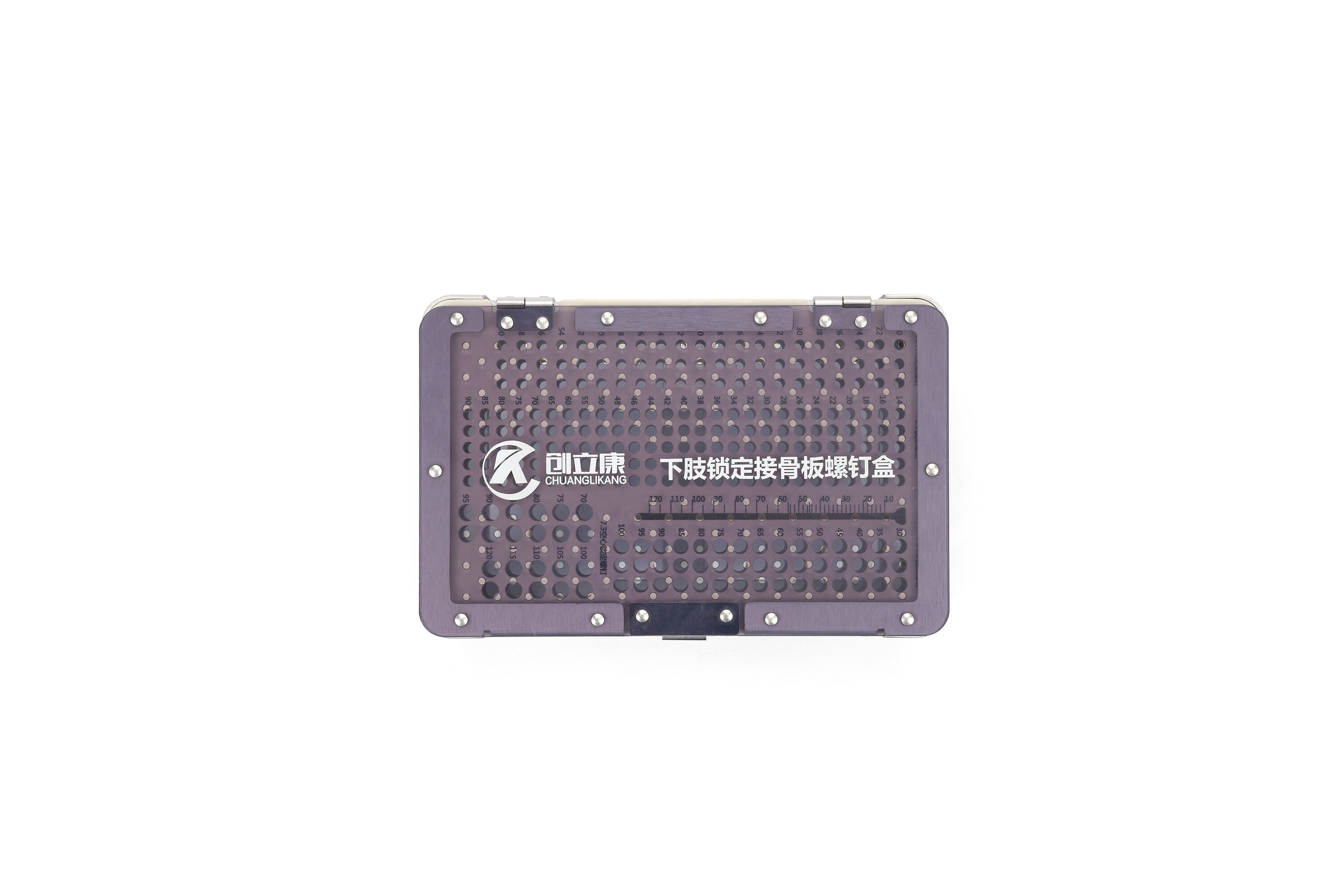
The healthcare industry demands precision, reliability, and excellence in every medical procedure. When selecting a surgical instruments manufacturer, healthcare facilities face a critical decision that directly impacts patient safety, operational efficiency, and long-term costs. Understanding the balance between cost and quality requires careful evaluation of manufacturing standards, material specifications, regulatory compliance, and the manufacturer's track record in delivering reliable surgical equipment. This comprehensive guide explores the essential factors that distinguish exceptional surgical instrument manufacturers from their competitors.
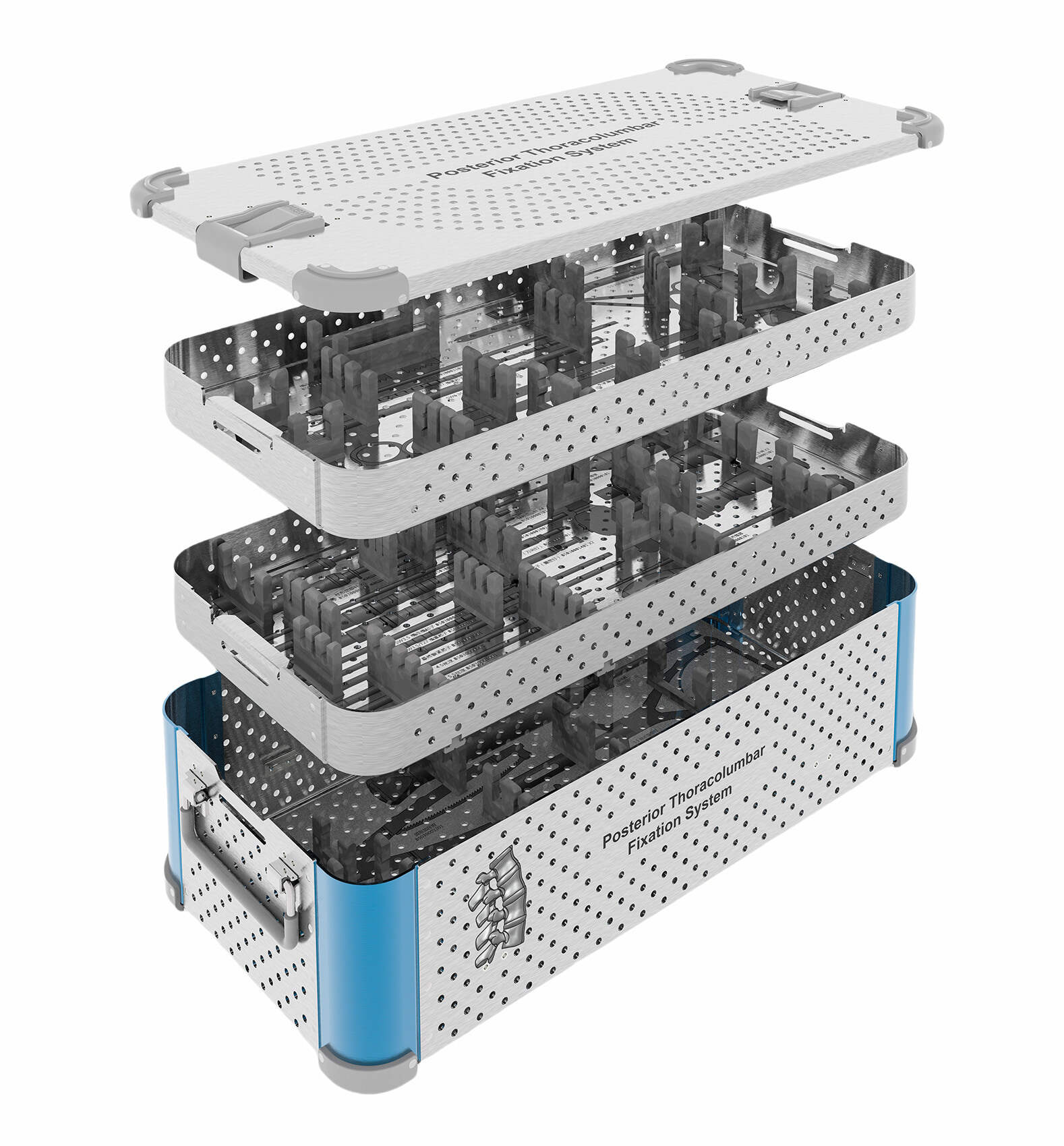
Modern healthcare facilities require surgical instruments that meet stringent quality standards while remaining cost-effective over their operational lifespan. The relationship between a hospital and its surgical instruments manufacturer extends beyond simple procurement, encompassing ongoing support, maintenance protocols, and technological advancement. Healthcare administrators must consider multiple variables when evaluating potential suppliers, including manufacturing capabilities, quality assurance processes, regulatory compliance, and post-sale service offerings.
The global surgical instruments market continues to evolve with advancing medical technologies, increasing patient safety requirements, and growing demand for minimally invasive procedures. Leading manufacturers invest heavily in research and development to create innovative instruments that enhance surgical precision while reducing procedure times. These investments in technology and quality ultimately benefit healthcare providers through improved patient outcomes and operational efficiency.
Manufacturing Standards and Quality Assurance
Material Selection and Specifications
Premium surgical instruments begin with exceptional raw materials, typically featuring high-grade stainless steel alloys that resist corrosion, maintain sharpness, and withstand repeated sterilization cycles. A reputable surgical instruments manufacturer sources materials from certified suppliers who provide detailed composition reports and traceability documentation. The choice of materials directly affects instrument performance, longevity, and maintenance requirements throughout the product lifecycle.
Manufacturing specifications must align with international standards such as ASTM, ISO, and AISI guidelines for surgical instrument production. These standards define acceptable tolerances for dimensional accuracy, surface finish quality, hardness levels, and corrosion resistance. Manufacturers who consistently meet or exceed these specifications demonstrate their commitment to producing instruments that perform reliably in demanding surgical environments.
Advanced manufacturing processes include precision forging, computer-controlled machining, and specialized heat treatment procedures that optimize instrument performance characteristics. The integration of modern manufacturing technologies ensures consistent quality while maintaining competitive pricing structures that benefit healthcare facilities.
Quality Control Processes
Comprehensive quality control systems distinguish exceptional manufacturers from those who prioritize cost reduction over product excellence. Leading surgical instruments manufacturers implement multi-stage inspection processes that begin with incoming material verification and continue through final product testing. Each instrument undergoes dimensional verification, surface quality assessment, and functional performance evaluation before receiving approval for shipment.
Statistical process control methodologies enable manufacturers to identify potential quality variations before they affect production output. These systems track key performance indicators such as dimensional accuracy, surface finish consistency, and material hardness levels across production batches. Regular calibration of measuring equipment and ongoing technician training ensure that quality standards remain consistent over time.
Third-party quality certifications provide additional assurance that manufacturing processes meet industry standards. Certifications from organizations such as ISO 13485 for medical device quality management systems demonstrate a manufacturer's commitment to maintaining rigorous quality standards throughout their operations.
Cost Analysis and Value Assessment
Initial Investment Considerations
Healthcare facilities must evaluate surgical instrument purchases as long-term investments rather than simple procurement transactions. While initial costs vary significantly among manufacturers, the true value emerges through operational performance, maintenance requirements, and instrument longevity. A surgical instruments manufacturer offering competitive initial pricing may provide excellent value if their instruments demonstrate superior durability and performance characteristics.
Budget considerations should encompass not only purchase prices but also training requirements for surgical staff, sterilization compatibility, and maintenance protocols. Instruments that require specialized handling procedures or unique sterilization parameters may generate additional operational costs that offset initial savings. Comprehensive cost analysis includes these factors to provide accurate total cost of ownership calculations.
Volume purchasing agreements often provide significant cost advantages while ensuring consistent instrument availability for scheduled procedures. Manufacturers may offer tiered pricing structures that reward larger order quantities with reduced per-unit costs and enhanced service offerings.
Long-term Value Proposition
The relationship between cost and quality becomes most apparent through extended use periods where premium instruments demonstrate their value through consistent performance and reduced replacement requirements. High-quality surgical instruments maintain their precision and functionality through thousands of sterilization cycles, while inferior products may require frequent sharpening, adjustment, or replacement.
Warranty coverage and service support significantly impact long-term value calculations. Manufacturers who provide comprehensive warranty protection and responsive technical support reduce the total cost of ownership by minimizing downtime and replacement expenses. These service offerings often distinguish premium manufacturers from low-cost alternatives.
Return on investment calculations should consider factors such as improved surgical efficiency, reduced procedure times, and enhanced patient safety outcomes. Premium instruments that enable surgeons to work more efficiently can generate substantial value through increased case volumes and improved patient satisfaction scores.
Regulatory Compliance and Certifications
FDA Approval and Registration
United States healthcare facilities must ensure that their surgical instruments manufacturer maintains proper FDA registration and product approvals for all supplied instruments. FDA compliance demonstrates that manufacturing processes, quality systems, and product specifications meet rigorous safety and performance standards established for medical devices. This regulatory oversight provides assurance that instruments are safe for patient use and manufactured according to established protocols.
The FDA registration process requires manufacturers to submit detailed documentation regarding their manufacturing capabilities, quality assurance procedures, and product specifications. Regular facility inspections and compliance audits ensure ongoing adherence to regulatory requirements. Facilities should verify that their suppliers maintain current registration status and respond appropriately to any regulatory changes or requirements.
Product recall procedures and adverse event reporting systems provide additional layers of safety oversight. Reputable manufacturers maintain comprehensive traceability systems that enable rapid identification and notification of affected products in the event of quality issues or safety concerns.
International Standards Compliance
Global healthcare markets require surgical instruments that comply with various international standards and regulatory frameworks. Manufacturers serving multiple markets must demonstrate compliance with standards such as CE marking for European markets, Health Canada licensing, and other regional requirements. This broad regulatory compliance indicates sophisticated quality management systems and manufacturing capabilities.
ISO 13485 certification for medical device quality management systems provides a framework for consistent quality assurance across all manufacturing operations. This standard requires documented procedures for design controls, risk management, corrective and preventive actions, and management review processes. Manufacturers with ISO 13485 certification demonstrate their commitment to systematic quality management.
Regular third-party audits and certification renewals ensure ongoing compliance with evolving regulatory requirements. These audit processes verify that quality systems remain effective and that manufacturing practices continue to meet established standards.
Technological Innovation and Product Development
Advanced Manufacturing Techniques
Leading surgical instruments manufacturers invest in advanced manufacturing technologies that improve product quality while maintaining competitive cost structures. Computer-controlled machining centers enable precise dimensional control and consistent surface finishes that enhance instrument performance and longevity. These technological investments benefit healthcare facilities through improved instrument quality and reliability.
Additive manufacturing technologies enable the production of complex instrument geometries that were previously impossible or cost-prohibitive to manufacture using traditional methods. These capabilities allow for customized instrument designs that meet specific surgical requirements while maintaining cost-effective production volumes.
Surface treatment technologies such as specialized coatings and hardening processes enhance instrument performance characteristics. These treatments can improve corrosion resistance, reduce friction, and extend service life without significantly increasing production costs.
Research and Development Investments
Innovative surgical instruments emerge from sustained research and development investments that focus on improving surgical outcomes and procedural efficiency. A forward-thinking surgical instruments manufacturer collaborates with surgeons, medical institutions, and technology partners to develop instruments that address evolving clinical needs and surgical techniques.
Product development partnerships with leading medical institutions provide valuable insights into clinical requirements and performance expectations. These collaborations ensure that new instrument designs address real-world surgical challenges while maintaining compatibility with existing surgical protocols and sterilization procedures.
Investment in materials research leads to the development of new alloys and surface treatments that enhance instrument performance. These material innovations can provide significant advantages in terms of durability, biocompatibility, and sterilization resistance.
Supplier Evaluation and Selection Criteria
Manufacturing Capability Assessment
Healthcare facilities should conduct thorough assessments of potential surgical instruments manufacturers to ensure they possess the necessary capabilities to meet current and future requirements. Manufacturing capacity, equipment sophistication, and production flexibility are critical factors that determine a supplier's ability to deliver consistent quality and meet delivery schedules.
Site visits and facility audits provide valuable insights into manufacturing processes, quality control procedures, and overall organizational capabilities. These assessments should evaluate equipment condition, employee training programs, documentation systems, and management commitment to quality. Direct observation of manufacturing operations often reveals important details that are not apparent from written documentation alone.
Production capacity and scalability considerations ensure that selected suppliers can accommodate changing demand patterns and volume fluctuations. Manufacturers with adequate capacity reserves and flexible production systems can better support growing healthcare facilities and emergency procurement requirements.
Service and Support Capabilities
Comprehensive service offerings distinguish premium surgical instruments manufacturers from commodity suppliers. Technical support capabilities, training programs, and maintenance services provide ongoing value that extends well beyond the initial instrument purchase. These service capabilities often justify premium pricing by reducing total cost of ownership and improving operational efficiency.
Response times for technical inquiries, warranty claims, and emergency replacement requests significantly impact operational continuity. Manufacturers with dedicated customer service teams and efficient logistics systems minimize disruptions to surgical schedules and maintain high levels of customer satisfaction.
Training programs for surgical staff and central processing personnel ensure proper instrument handling, cleaning, and sterilization procedures. These educational offerings help maximize instrument performance and longevity while maintaining patient safety standards.
FAQ
What factors should healthcare facilities prioritize when selecting a surgical instruments manufacturer
Healthcare facilities should prioritize regulatory compliance, quality certifications, manufacturing capabilities, and long-term service support when selecting a surgical instruments manufacturer. The supplier's track record for delivering consistent quality, meeting delivery schedules, and providing responsive technical support are equally important considerations that impact operational success.
How do premium surgical instruments justify their higher initial costs compared to budget alternatives
Premium surgical instruments typically justify higher initial costs through superior materials, advanced manufacturing processes, comprehensive quality testing, and extended warranty coverage. These instruments often demonstrate better durability, maintain precision longer, and require fewer replacements, resulting in lower total cost of ownership over their operational lifespan.
What role do regulatory certifications play in surgical instrument procurement decisions
Regulatory certifications such as FDA approval, ISO 13485, and CE marking provide essential assurance that surgical instruments meet established safety and performance standards. These certifications indicate that the manufacturer maintains appropriate quality management systems and follows recognized manufacturing protocols, which is crucial for patient safety and regulatory compliance.
How can healthcare facilities evaluate the long-term reliability of a surgical instruments manufacturer
Healthcare facilities can evaluate long-term reliability by reviewing the manufacturer's quality certifications, conducting facility audits, examining warranty terms, and seeking references from current customers. Financial stability, investment in research and development, and responsiveness to customer feedback are additional indicators of a manufacturer's long-term viability and commitment to quality.
Table of Contents
- Manufacturing Standards and Quality Assurance
- Cost Analysis and Value Assessment
- Regulatory Compliance and Certifications
- Technological Innovation and Product Development
- Supplier Evaluation and Selection Criteria
-
FAQ
- What factors should healthcare facilities prioritize when selecting a surgical instruments manufacturer
- How do premium surgical instruments justify their higher initial costs compared to budget alternatives
- What role do regulatory certifications play in surgical instrument procurement decisions
- How can healthcare facilities evaluate the long-term reliability of a surgical instruments manufacturer