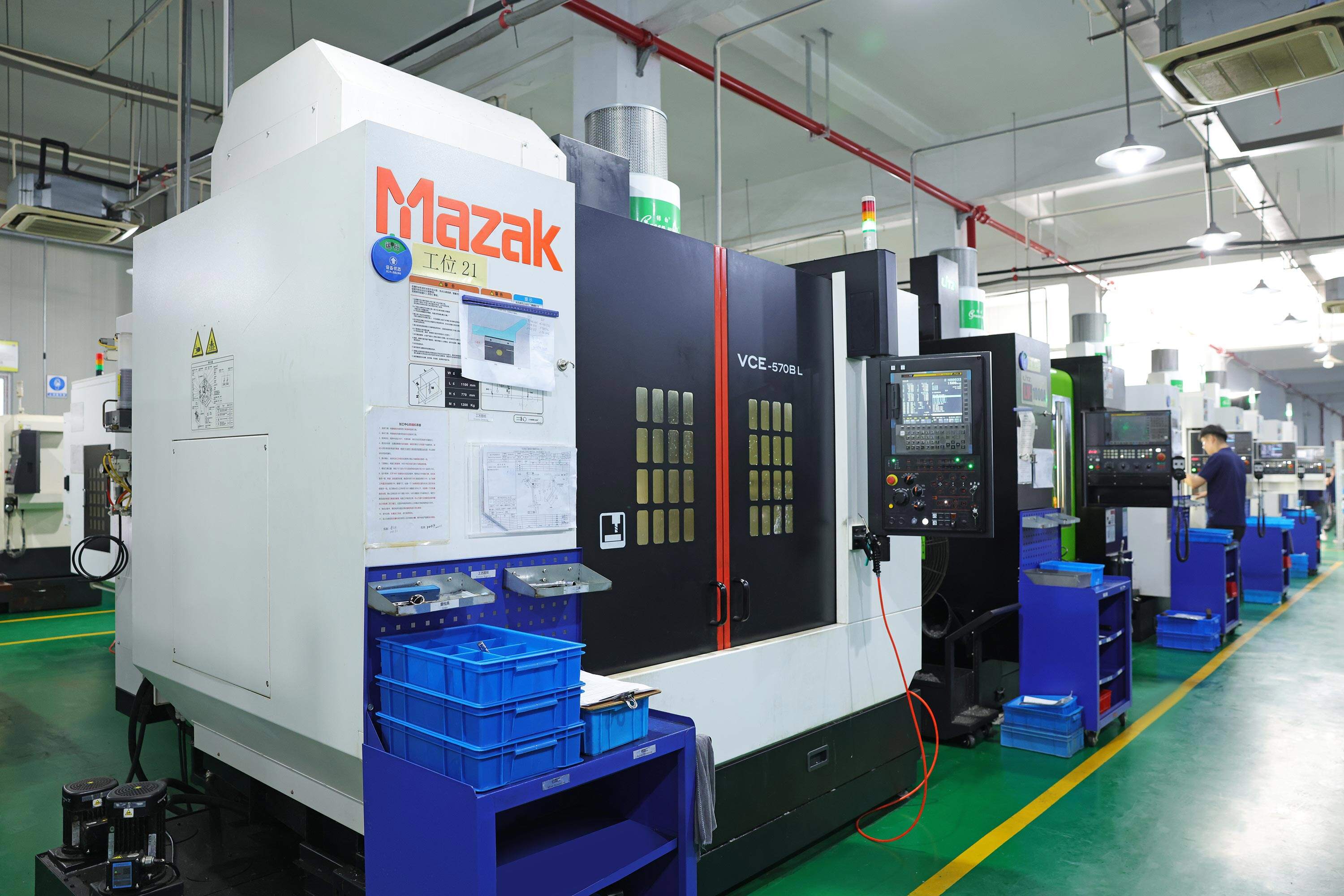
The orthopedic medical device industry faces a unique challenge when developing specialized implants and instruments for niche surgical procedures or patient-specific anatomical requirements. Unlike high-volume standard products, these custom orthopedic devices demand exceptional precision engineering while maintaining economic viability despite small production runs. For medical device companies, research hospitals, and specialized surgical teams, partnering with a qualified low-volume custom orthopedic device OEM represents a strategic pathway to bringing innovative solutions to market without prohibitive capital investments in manufacturing infrastructure. The ability to balance surgical-grade precision with cost-effective production processes distinguishes truly capable OEM partners from conventional manufacturers operating within traditional mass-production paradigms.
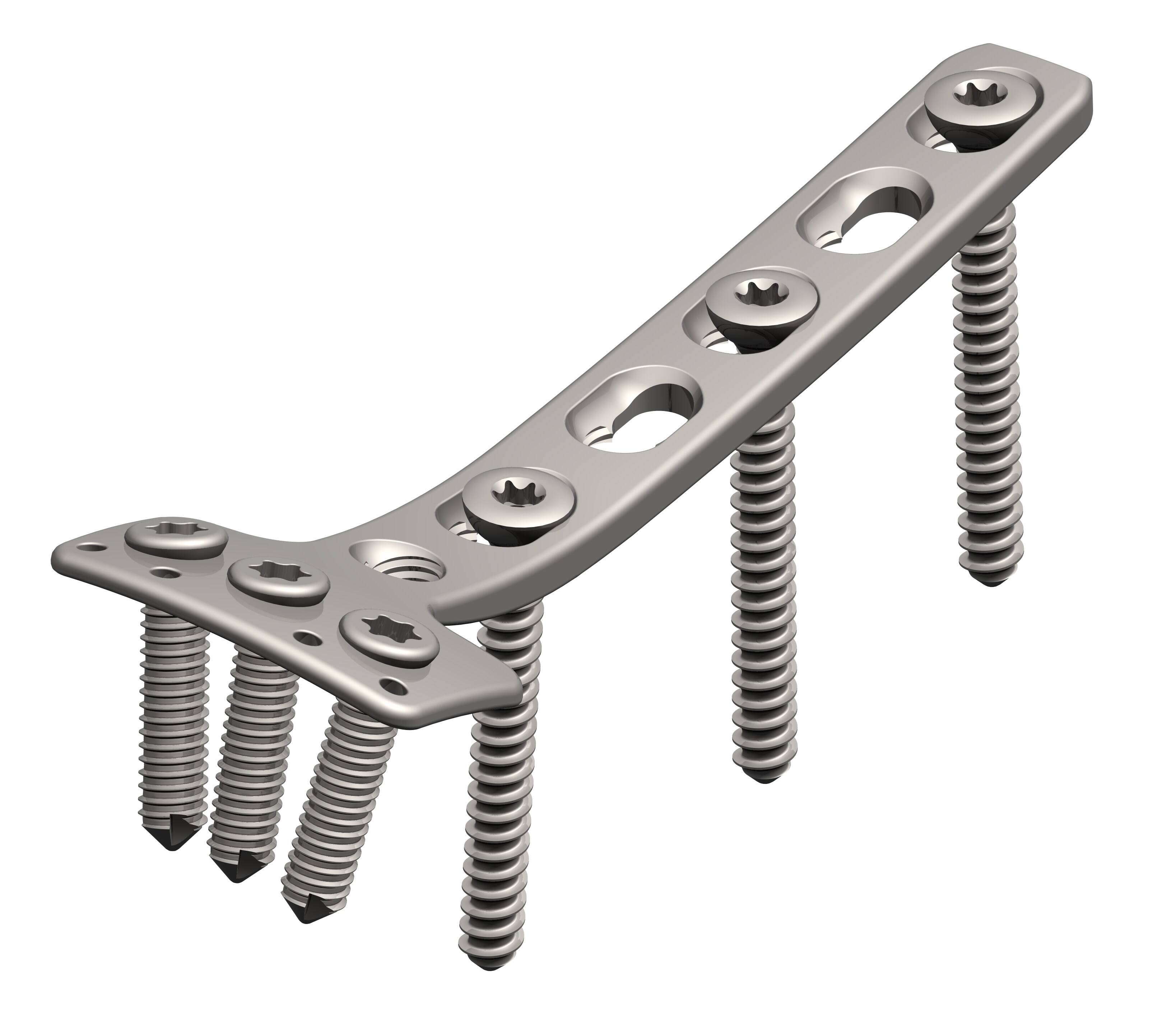
This manufacturing challenge intensifies when considering the regulatory requirements, material specifications, and quality assurance protocols essential to orthopedic implant production. A specialized low-volume custom orthopedic device OEM must demonstrate not only advanced machining capabilities and material expertise but also comprehensive understanding of biocompatibility standards, sterilization validation, and traceability documentation. The intersection of technical precision and economic efficiency becomes particularly critical when production quantities range from dozens to several hundred units annually, where traditional economies of scale fail to apply and conventional cost reduction strategies prove inadequate. Understanding how specialized OEM manufacturers achieve this balance provides essential insights for companies seeking to develop custom orthopedic solutions without compromising either clinical performance or financial sustainability.
The Manufacturing Economics Challenge in Low-Volume Orthopedic Production
Understanding Fixed Cost Distribution Across Limited Units
The fundamental economic challenge facing any low-volume custom orthopedic device OEM stems from the fixed cost structure inherent in medical device manufacturing. Regardless of production quantity, substantial investments in precision tooling, quality system validation, regulatory documentation, and process qualification remain constant. When these fixed expenses distribute across thousands of units, per-unit costs decrease dramatically, but with production runs of fifty or one hundred custom implants, these same costs create significant financial pressure. Specialized OEM manufacturers address this challenge through strategic approaches including modular tooling systems, validated platform processes adaptable to multiple device geometries, and shared quality infrastructure serving diverse product portfolios simultaneously.
Advanced low-volume custom orthopedic device OEM facilities implement flexible manufacturing cells designed specifically for rapid changeover between different custom designs. Rather than dedicating entire production lines to single products, these manufacturers utilize programmable machining centers, adaptable fixturing systems, and digitally controlled processes that minimize setup time and tooling investment for each unique device configuration. This manufacturing flexibility allows fixed infrastructure costs to amortize across multiple distinct projects rather than burdening individual low-volume products with unsustainable overhead allocation. The economic model shifts from traditional mass production thinking toward a service-oriented manufacturing approach where process capability and technical expertise constitute the primary value rather than volume-driven unit cost reduction.
Material Procurement Strategies for Small Batch Production
Material costs present another significant challenge in low-volume orthopedic device manufacturing, as medical-grade titanium alloys, cobalt-chromium materials, and specialized polymers typically require minimum order quantities far exceeding the needs of small production runs. A capable low-volume custom orthopedic device OEM maintains strategic material inventory across multiple concurrent projects, purchasing certified medical-grade raw materials in economically viable quantities while allocating appropriate amounts to individual custom device programs. This inventory management approach requires sophisticated supply chain coordination and material traceability systems ensuring each implant maintains complete documentation linking finished devices to specific material lot certifications and test reports.
Furthermore, experienced OEM partners leverage established relationships with material suppliers to negotiate favorable terms for medical-grade stock, often maintaining framework agreements that provide access to certified materials without excessive minimum order commitments. This procurement infrastructure proves particularly valuable when developing custom orthopedic devices requiring specialized material grades or specific metallurgical properties not commonly stocked by general industrial suppliers. The ability to source appropriate materials efficiently and cost-effectively without forcing device developers to purchase excess inventory represents a significant value proposition of specialized low-volume custom orthopedic device OEM partnerships.
Regulatory Compliance Cost Management
Regulatory compliance requirements impose substantial costs regardless of production volume, as quality system validation, process validation documentation, and regulatory submission preparation demand equivalent effort whether manufacturing ten units or ten thousand. A specialized low-volume custom orthopedic device OEM addresses these compliance costs through established quality management systems already validated for orthopedic implant production, allowing custom device projects to leverage existing infrastructure rather than building compliance frameworks from scratch. This shared regulatory foundation dramatically reduces the per-project compliance burden while maintaining full conformity with applicable standards including ISO 13485, FDA Quality System Regulation, and Medical Device Regulation requirements.
The most effective low-volume custom orthopedic device OEM partners maintain comprehensive design control processes, risk management systems, and validation protocols structured to accommodate custom device development without requiring complete system re-qualification for each new project. This regulatory efficiency stems from platform-based quality approaches where core manufacturing processes undergo thorough validation, with custom device variations documented through controlled design history files and device master records that reference the validated manufacturing foundation. By structuring quality systems this way, specialized OEM manufacturers distribute regulatory infrastructure costs across multiple projects while ensuring each custom device receives appropriate oversight and documentation.
Precision Engineering Requirements for Custom Orthopedic Devices
Dimensional Accuracy Standards in Implant Manufacturing
Custom orthopedic implants demand exceptional dimensional precision, typically requiring tolerances within ±0.05mm for critical features including articulating surfaces, locking mechanism interfaces, and anatomical contours. A qualified low-volume custom orthopedic device OEM maintains advanced metrology capabilities including coordinate measuring machines, optical scanning systems, and specialized inspection fixtures designed to verify complex three-dimensional geometries against CAD specifications. This measurement infrastructure must operate within temperature-controlled environments and utilize calibrated equipment traceable to national standards, ensuring that dimensional verification data meets regulatory requirements for process validation and ongoing production monitoring.
The precision challenge intensifies when custom devices incorporate patient-specific anatomical features derived from medical imaging data, where the manufacturing process must faithfully reproduce complex contours and geometries without accumulating tolerance stack-up errors. Skilled low-volume custom orthopedic device OEM manufacturers employ multi-axis CNC machining centers, precision grinding equipment, and advanced CAM programming techniques to achieve the required dimensional accuracy while maintaining efficient production throughput. These facilities typically implement statistical process control methodologies adapted for low-volume production, monitoring critical dimensions across sequential manufacturing runs to detect any process drift before dimensional deviations exceed specification limits.
Surface Finish and Biocompatibility Considerations
Beyond dimensional accuracy, orthopedic implant surfaces require specific finish characteristics that influence both biocompatibility and functional performance. A specialized low-volume custom orthopedic device OEM understands that articulating surfaces, bone-contacting areas, and soft tissue interfaces each demand distinct surface treatments optimized for their biological and mechanical functions. Precision finishing processes including electropolishing, passivation, sandblasting with specific media, and controlled roughening techniques all require validated procedures with documented parameters ensuring consistent results across low-volume production runs.
Surface finish specifications for custom orthopedic devices typically range from mirror-polished articulating surfaces with roughness values below 0.05 microns Ra to deliberately textured bone-integration surfaces with controlled roughness profiles promoting osseointegration. Achieving these varied surface characteristics within tight specification windows requires specialized equipment, trained operators, and comprehensive process validation documentation. The most capable low-volume custom orthopedic device OEM partners maintain dedicated finishing departments with environmental controls preventing contamination during critical surface preparation steps, ensuring that finished implants meet both dimensional and surface quality requirements essential for clinical performance and regulatory compliance.
Material Properties and Heat Treatment Validation
Custom orthopedic devices manufactured from titanium alloys or cobalt-chromium materials often require specific heat treatment protocols to achieve optimal mechanical properties including strength, ductility, and fatigue resistance. A qualified low-volume custom orthopedic device OEM operates validated heat treatment equipment with documented temperature uniformity, controlled atmosphere capabilities, and comprehensive process monitoring ensuring that each production batch receives appropriate thermal processing. These heat treatment validations must demonstrate that the thermal cycles consistently produce material properties meeting specification requirements, with validation documentation including temperature distribution studies, material property testing results, and ongoing process monitoring data.
For custom devices requiring stress relief, solution annealing, or age hardening, the OEM manufacturer must maintain detailed process specifications defining time-temperature profiles, heating and cooling rates, and atmospheric conditions. When producing low volumes, efficient heat treatment scheduling becomes essential to avoid excessive energy consumption and equipment utilization costs. Experienced low-volume custom orthopedic device OEM facilities often coordinate thermal processing across multiple projects, batching compatible devices together while maintaining complete traceability ensuring each implant receives documented heat treatment conforming to its specific material and design requirements.
Design Collaboration and Development Support Services
Engineering Partnership During Product Development
The relationship between device developers and a low-volume custom orthopedic device OEM extends beyond simple manufacturing transactions to encompass collaborative engineering support throughout product development cycles. Experienced OEM partners provide design for manufacturability consultation, identifying potential production challenges early in the design phase when modifications require minimal effort compared to post-design manufacturing process development. This collaborative approach proves particularly valuable for custom orthopedic devices where novel geometries, unique material applications, or innovative fixation mechanisms may present unforeseen manufacturing complexities.
A sophisticated low-volume custom orthopedic device OEM maintains engineering teams familiar with orthopedic implant design principles, biomechanical requirements, and surgical technique considerations. These technical resources can evaluate proposed designs for manufacturing feasibility, suggest alternative approaches that maintain clinical functionality while improving production efficiency, and identify opportunities for cost reduction without compromising device performance. This engineering partnership becomes especially important when developing custom devices intended for eventual commercialization, where manufacturing scalability considerations should influence initial design decisions even when initial production volumes remain small.
Prototyping and Validation Support
Before committing to production tooling and process validation, custom orthopedic device development typically requires multiple prototype iterations for design verification, biomechanical testing, and surgical technique evaluation. A capable low-volume custom orthopedic device OEM provides rapid prototyping services utilizing the same materials and similar manufacturing processes intended for production, ensuring that prototype devices accurately represent final product characteristics. This prototyping capability allows device developers to conduct meaningful testing and evaluation without the delays and expenses associated with full production process qualification.
Advanced OEM partners often maintain both additive manufacturing capabilities for initial design exploration and precision machining resources for functional prototypes requiring final material properties and surface finishes. This dual capability enables efficient progression from concept validation through design refinement to production readiness. The low-volume custom orthopedic device OEM should also support validation testing coordination, providing test samples with appropriate documentation, assisting with test protocol development, and offering guidance on regulatory requirements for design verification and validation activities essential to market approval submissions.
Regulatory Documentation and Submission Support
Navigating regulatory pathways for custom orthopedic devices requires comprehensive documentation demonstrating device safety, performance, and manufacturing quality. An experienced low-volume custom orthopedic device OEM contributes significantly to regulatory submission preparation by providing manufacturing process descriptions, validation reports, quality system certifications, and biocompatibility documentation required for premarket notification or approval applications. This documentation support proves particularly valuable for smaller device companies or research institutions lacking extensive regulatory affairs resources but seeking to commercialize innovative orthopedic solutions.
The most valuable OEM partnerships include proactive regulatory guidance based on the manufacturer's experience with similar device submissions and familiarity with current regulatory expectations. A knowledgeable low-volume custom orthopedic device OEM can advise on validation testing requirements, help structure design history files, and provide manufacturing documentation formatted appropriately for regulatory review. This regulatory support capability reduces the time and expense required to achieve market clearance or approval, accelerating the pathway from custom device concept to clinical availability while ensuring compliance with all applicable regulatory requirements.
Quality Management and Traceability Systems
Batch Record Documentation for Low-Volume Production
Despite small production quantities, custom orthopedic devices require the same rigorous documentation standards applied to high-volume medical device manufacturing. A compliant low-volume custom orthopedic device OEM maintains comprehensive device history records for each manufactured unit, documenting all manufacturing operations, inspection results, material certifications, and process parameters. This traceability system must enable complete reconstruction of manufacturing history for any individual implant, supporting post-market surveillance activities, complaint investigation, and potential recall actions if quality issues emerge after distribution.
The documentation challenge in low-volume production stems from the economic inefficiency of manual record-keeping when production quantities don't justify extensive automation investment. Progressive low-volume custom orthopedic device OEM facilities address this challenge through scalable electronic quality management systems that accommodate both high and low volume products within common platforms. These systems capture critical manufacturing data electronically while providing flexible workflow configurations suitable for custom device production where process sequences may vary between different device designs. The resulting documentation provides full regulatory compliance and complete traceability without imposing unsustainable administrative burden on small production runs.
Supplier Qualification and Material Traceability
Custom orthopedic devices often incorporate purchased components including fasteners, articulation components, or specialized coatings requiring qualified suppliers and maintained material traceability. A responsible low-volume custom orthopedic device OEM maintains approved supplier lists with documented qualification records, periodic audits, and incoming inspection procedures ensuring that all purchased materials and components meet specification requirements. This supplier management infrastructure applies equally to low-volume custom devices and high-volume standard products, ensuring consistent quality regardless of production scale.
Material traceability systems must link each finished device to specific raw material lots, purchased component lot numbers, and processing consumables used during manufacturing. For medical-grade materials like titanium alloys, this traceability includes material test reports, chemical composition certifications, and mechanical property documentation from the material supplier. When a low-volume custom orthopedic device OEM maintains multiple concurrent projects utilizing similar materials, sophisticated inventory management systems prevent material cross-contamination while ensuring each project receives materials meeting its specific requirements and maintaining complete documentation supporting regulatory compliance and post-market traceability obligations.
Non-Conformance Management and Corrective Action
Quality issues inevitably arise during medical device manufacturing, requiring systematic investigation, corrective action, and documentation regardless of production volume. A mature low-volume custom orthopedic device OEM operates formal non-conformance management systems that identify quality deviations, assess their impact on device safety and performance, implement appropriate containment actions, and develop permanent corrective measures preventing recurrence. These systems must function effectively even when production quantities are small and statistical analysis tools designed for high-volume manufacturing prove inappropriate.
For low-volume custom devices, quality management often relies more heavily on process control, operator training, and documented procedures than statistical sampling plans. The low-volume custom orthopedic device OEM must demonstrate that manufacturing processes remain under control through combination of in-process monitoring, first article inspection protocols, and periodic process audits ensuring consistent adherence to validated procedures. When non-conformances occur, thorough investigation determines root causes, evaluates the scope of potential impact, and implements corrective actions proportionate to the risk while maintaining appropriate documentation supporting regulatory compliance and continuous improvement objectives.
Strategic Selection Criteria for OEM Partners
Technical Capability Assessment
Selecting an appropriate low-volume custom orthopedic device OEM requires careful evaluation of technical capabilities including manufacturing equipment, metrology systems, material expertise, and process validation experience. Device developers should conduct detailed capability assessments examining not only equipment specifications but also operator qualifications, process documentation practices, and previous experience with similar device types or manufacturing challenges. The most revealing capability indicators often emerge from reviewing sample validation protocols, inspection reports, and manufacturing travelers that demonstrate how the OEM actually operates rather than simply what equipment they possess.
Beyond basic manufacturing capability, the ideal low-volume custom orthopedic device OEM demonstrates comprehensive understanding of orthopedic implant requirements including biocompatibility considerations, sterilization compatibility, packaging requirements, and labeling regulations. This domain expertise proves especially valuable during product development when manufacturing decisions influence regulatory strategy, clinical performance, and long-term product success. Device developers should seek OEM partners who ask probing questions about intended applications, surgical techniques, and clinical requirements rather than simply accepting technical drawings and material specifications without deeper understanding of device functionality and performance expectations.
Quality System Maturity and Regulatory Compliance
The regulatory credentials of a potential low-volume custom orthopedic device OEM warrant thorough evaluation including review of quality system certifications, regulatory inspection history, and documented compliance with applicable standards. ISO 13485 certification provides baseline assurance of quality system adequacy, but device developers should also examine the scope of certification, any nonconformities identified during certification audits, and how the OEM addressed those findings. For devices intended for U.S. markets, evidence of FDA registration and previous experience with FDA-regulated medical device manufacturing adds confidence regarding regulatory compliance capability.
Beyond formal certifications, the maturity of quality culture within a low-volume custom orthopedic device OEM organization reveals itself through documentation practices, employee training records, and management commitment to quality objectives. Device developers should request facility tours, interview quality personnel, and review sample documentation including validation protocols, change control records, and corrective action reports. These materials provide insight into whether quality management exists as genuine operational practice or merely paper compliance with minimal actual impact on manufacturing consistency and product reliability.
Communication and Project Management Capabilities
Successful partnerships with a low-volume custom orthopedic device OEM depend significantly on effective communication and project management throughout development, validation, and production phases. Device developers should evaluate potential partners' communication practices including responsiveness, technical understanding, and project status reporting. The ability to explain technical challenges clearly, propose alternative solutions when problems arise, and maintain transparent communication about schedules, costs, and quality issues distinguishes truly collaborative OEM partners from transactional manufacturers simply executing purchase orders without deeper engagement.
Project management capability becomes especially critical when coordinating multiple parallel activities including tooling development, process validation, regulatory documentation preparation, and initial production. An organized low-volume custom orthopedic device OEM maintains structured project management methodologies with defined milestones, clear responsibility assignments, and documented decision-making processes. These management systems ensure that complex custom device projects progress efficiently toward commercial readiness while maintaining appropriate oversight and quality control throughout development and manufacturing phases. The most successful partnerships combine technical manufacturing excellence with professional project management creating efficient pathways from custom device concept to clinical availability.
FAQ
What minimum order quantities typically apply when working with a low-volume custom orthopedic device OEM?
Minimum order quantities vary significantly among OEM manufacturers based on their business models and cost structures, but specialized low-volume custom orthopedic device OEM partners typically accommodate initial production runs as small as 25-50 units for custom implants. Some manufacturers accept even smaller quantities for highly specialized devices or initial clinical evaluation studies, though unit costs increase substantially at extremely low volumes due to fixed tooling and validation expenses. The most flexible OEM partners structure pricing models that balance reasonable minimum commitments with recognition that custom orthopedic devices often enter markets gradually through limited surgical evaluations before expanding to broader commercial distribution. Device developers should discuss volume expectations transparently during partner selection, ensuring alignment between anticipated production needs and the OEM's economic requirements for sustainable manufacturing relationships.
How does a low-volume custom orthopedic device OEM manage regulatory compliance for multiple custom products simultaneously?
Experienced low-volume custom orthopedic device OEM manufacturers implement platform-based quality management systems where core manufacturing processes undergo comprehensive validation, with individual custom devices documented through controlled design history files and device master records that reference the validated manufacturing foundation. This approach allows the OEM to maintain a single comprehensive quality system covering all products while accommodating device-specific variations through structured change control and product-specific documentation. The quality management system addresses common elements including equipment qualification, process validation methodology, supplier qualification, and non-conformance management, while device-specific documentation captures unique design features, material specifications, and special process requirements. This systematic approach enables efficient management of multiple custom products without requiring complete quality system re-qualification for each new device while ensuring full regulatory compliance and appropriate oversight for all manufactured products.
What cost factors most significantly impact pricing for low-volume custom orthopedic device manufacturing?
Tooling and fixturing costs represent the most significant variable expense in low-volume custom orthopedic device OEM pricing, as custom devices often require specialized work-holding fixtures, cutting tools, and inspection gauges specific to unique geometries. These tooling investments must amortize across limited production quantities, substantially impacting per-unit costs compared to high-volume products where tooling costs distribute across thousands of units. Material costs also contribute significantly, particularly for medical-grade titanium or cobalt-chromium alloys purchased in quantities insufficient to achieve volume pricing discounts. Process validation and documentation requirements impose substantial fixed costs regardless of production volume, including protocol development, validation testing, and regulatory documentation preparation. The most cost-effective approach to low-volume custom device manufacturing involves design optimization for manufacturability that minimizes specialized tooling requirements, selection of OEM partners with existing validated processes adaptable to custom geometries, and realistic production forecasts enabling appropriate tooling investment decisions balancing initial costs against long-term unit pricing expectations.
Can a low-volume custom orthopedic device OEM support eventual transition to higher volume production if a custom device achieves commercial success?
Reputable low-volume custom orthopedic device OEM manufacturers typically design their processes and documentation systems to accommodate volume growth, allowing custom devices that achieve commercial success to scale production without complete manufacturing re-qualification. The validated manufacturing processes, quality systems, and regulatory documentation established during low-volume production provide the foundation for increased manufacturing capacity, with modifications primarily involving equipment capacity expansion, operator training, and potentially automation investment for repetitive operations. Device developers should discuss scalability expectations during initial OEM partner selection, ensuring that the manufacturing approach and documentation structure support eventual volume increases. Some OEM facilities operate multiple production areas with different optimization levels, allowing custom devices to begin in flexible low-volume cells and transition to dedicated higher-volume production lines as demand grows. The most valuable partnerships involve OEM manufacturers who view custom device relationships as long-term collaborations potentially evolving from initial low-volume production through commercial scale manufacturing as products achieve market success.
Table of Contents
- The Manufacturing Economics Challenge in Low-Volume Orthopedic Production
- Precision Engineering Requirements for Custom Orthopedic Devices
- Design Collaboration and Development Support Services
- Quality Management and Traceability Systems
- Strategic Selection Criteria for OEM Partners
-
FAQ
- What minimum order quantities typically apply when working with a low-volume custom orthopedic device OEM?
- How does a low-volume custom orthopedic device OEM manage regulatory compliance for multiple custom products simultaneously?
- What cost factors most significantly impact pricing for low-volume custom orthopedic device manufacturing?
- Can a low-volume custom orthopedic device OEM support eventual transition to higher volume production if a custom device achieves commercial success?