
Selecting the right orthopedic oem manufacturer represents one of the most critical decisions facing medical device companies, healthcare institutions, and surgical equipment distributors. The quality standards governing this selection process directly impact patient safety, regulatory compliance, and long-term business success. Modern orthopedic manufacturing requires precision engineering, advanced materials science, and adherence to stringent international quality frameworks that ensure every implant, instrument, and device meets the highest standards of medical excellence.
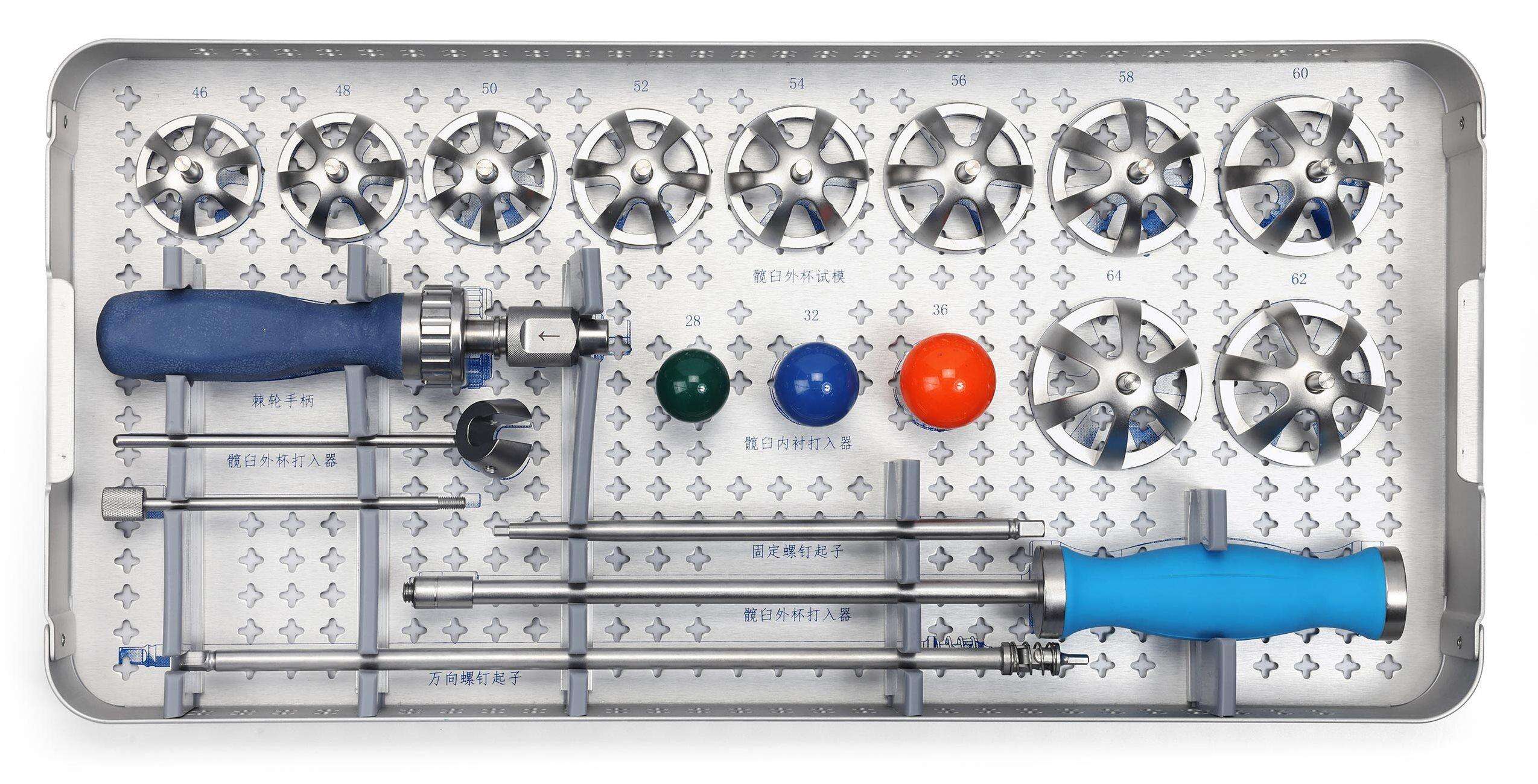
The orthopedic device industry operates under increasingly complex regulatory environments, where manufacturing partners must demonstrate comprehensive quality management systems, advanced technological capabilities, and unwavering commitment to patient safety. Understanding the essential quality standards that define excellent manufacturing partnerships enables stakeholders to make informed decisions that protect patients while supporting successful product development and market distribution strategies.
Regulatory Compliance and Certification Standards
ISO 13485 Medical Device Quality Management
The foundation of any reputable orthopedic manufacturing partnership begins with ISO 13485 certification, which establishes comprehensive quality management systems specifically designed for medical device manufacturing. This international standard requires manufacturers to implement documented processes covering design controls, risk management, corrective and preventive actions, and continuous improvement methodologies. Leading manufacturers demonstrate their commitment to quality through regular third-party audits, maintaining detailed quality records, and implementing robust change control procedures that ensure consistent product performance.
Beyond basic certification requirements, exceptional orthopedic manufacturers invest in advanced quality management technologies, including statistical process control systems, real-time monitoring capabilities, and predictive analytics that identify potential quality issues before they impact production. These proactive approaches to quality management demonstrate manufacturer commitment to excellence and provide customers with confidence in long-term partnership reliability and product consistency.
FDA Registration and Compliance Framework
Manufacturing partners serving the United States market must maintain current FDA registration status and demonstrate comprehensive understanding of Quality System Regulation requirements under 21 CFR Part 820. This regulatory framework governs design controls, manufacturing processes, corrective actions, and post-market surveillance activities that ensure continued product safety and effectiveness throughout the device lifecycle. Qualified manufacturers maintain detailed documentation systems, implement rigorous change control procedures, and demonstrate ongoing compliance through regular internal audits and management reviews.
The complexity of FDA regulatory requirements demands manufacturing partners with dedicated regulatory affairs expertise, established relationships with regulatory consultants, and proven track records of successful product approvals. Manufacturers who invest in regulatory excellence provide valuable support throughout the product development process, offering guidance on regulatory strategy, submission preparation, and post-market compliance activities that reduce time-to-market and minimize regulatory risks.
International Standards Alignment
Global orthopedic device distribution requires manufacturing partners who understand and comply with international regulatory frameworks, including European Medical Device Regulation, Health Canada requirements, and emerging market standards in Asia-Pacific regions. Leading manufacturers maintain multiple certifications, demonstrate cultural competency in diverse regulatory environments, and provide comprehensive support for international market entry strategies that expand product reach while maintaining consistent quality standards.
The harmonization of international standards creates opportunities for manufacturers who invest in global compliance capabilities, offering customers streamlined pathways to multiple markets through single manufacturing partnerships. These comprehensive regulatory capabilities reduce complexity, minimize compliance costs, and accelerate international expansion timelines for orthopedic device companies seeking global market presence.
Manufacturing Technology and Process Excellence
Advanced Manufacturing Capabilities
Modern orthopedic device manufacturing demands sophisticated technological capabilities, including computer numerical control machining, additive manufacturing, surface treatment technologies, and precision assembly processes. Leading manufacturers invest continuously in advanced equipment, automated quality control systems, and innovative manufacturing techniques that improve product quality while reducing production costs. The integration of Industry 4.0 technologies, including Internet of Things sensors, artificial intelligence, and machine learning algorithms, enables real-time process optimization and predictive maintenance strategies that ensure consistent production quality.
Manufacturing excellence extends beyond equipment capabilities to encompass process validation, statistical process control, and continuous improvement methodologies that drive operational efficiency and product quality improvements. Exceptional manufacturers demonstrate their technological leadership through published case studies, industry recognition, and ongoing research and development investments that advance manufacturing science and improve patient outcomes.
Material Science and Biocompatibility
The selection and processing of materials for orthopedic applications requires deep expertise in biocompatibility, mechanical properties, and long-term performance characteristics. Qualified manufacturers maintain comprehensive material testing capabilities, established relationships with certified material suppliers, and documented procedures for material traceability throughout the manufacturing process. Advanced material characterization techniques, including mechanical testing, surface analysis, and biocompatibility assessment, ensure that every component meets stringent performance requirements for implantable medical devices.
Innovation in material science drives improvements in device performance, patient outcomes, and surgical efficiency. Leading manufacturers collaborate with material suppliers, research institutions, and clinical partners to develop advanced materials and surface treatments that enhance osseointegration, reduce wear rates, and improve long-term implant stability. These collaborative relationships demonstrate manufacturer commitment to advancing orthopedic science and improving patient care through technological innovation.
Quality Control and Testing Protocols
Comprehensive quality control programs encompass incoming material inspection, in-process monitoring, final product testing, and packaging validation activities that ensure every device meets specified requirements. Advanced testing protocols include dimensional verification, mechanical property assessment, surface finish evaluation, and sterility validation procedures that demonstrate product safety and effectiveness. Leading manufacturers invest in state-of-the-art testing equipment, accredited laboratory facilities, and highly trained quality assurance personnel who maintain detailed testing records and provide comprehensive quality documentation.
The implementation of statistical process control methodologies enables manufacturers to monitor process performance, identify trends, and implement corrective actions before quality issues impact product delivery. These proactive quality management approaches demonstrate manufacturer commitment to excellence and provide customers with confidence in product consistency and reliability throughout the supply chain.
Supply Chain Management and Risk Mitigation
Supplier Qualification and Management
Effective supply chain management begins with comprehensive supplier qualification programs that evaluate potential partners based on quality capabilities, regulatory compliance, financial stability, and long-term partnership potential. Leading manufacturers maintain detailed supplier auditing procedures, implement ongoing performance monitoring systems, and establish clear quality agreements that define expectations for material quality, delivery performance, and continuous improvement activities. The development of strategic supplier partnerships enables manufacturers to leverage specialized expertise, access advanced technologies, and maintain competitive pricing while ensuring consistent material quality and supply reliability.
Risk mitigation strategies include supplier diversification, inventory management optimization, and contingency planning activities that ensure supply chain resilience during market disruptions or supply shortages. Manufacturers who invest in robust supply chain management capabilities provide customers with confidence in delivery reliability and product availability throughout changing market conditions.
Traceability and Documentation Systems
Comprehensive traceability systems enable manufacturers to track materials, components, and finished products throughout the manufacturing process, providing essential documentation for regulatory compliance and post-market surveillance activities. Advanced enterprise resource planning systems integrate quality data, production records, and supply chain information to provide complete product genealogy and facilitate rapid response to quality issues or regulatory inquiries. Leading manufacturers maintain detailed batch records, implement serialization capabilities, and provide comprehensive documentation packages that support customer quality requirements and regulatory submissions.
The integration of digital technologies, including blockchain, radio frequency identification, and cloud-based data management systems, enhances traceability capabilities while improving data security and accessibility. These advanced documentation systems demonstrate manufacturer commitment to transparency and provide customers with comprehensive visibility into manufacturing processes and product quality history.
Business Continuity Planning
Robust business continuity planning encompasses risk assessment, emergency response procedures, and recovery strategies that ensure continued operations during natural disasters, supply disruptions, or other business interruptions. Leading manufacturers maintain multiple manufacturing locations, implement comprehensive backup systems, and establish clear communication protocols that minimize disruption to customer operations during challenging circumstances. The development of detailed contingency plans demonstrates manufacturer commitment to long-term partnership success and provides customers with confidence in supply chain reliability.
Investment in business continuity capabilities includes facility redundancy, data backup systems, and cross-training programs that ensure operational flexibility and rapid recovery from unexpected disruptions. These comprehensive planning activities demonstrate manufacturer maturity and provide essential protection for customers who depend on reliable product supply for critical medical applications.
Innovation and Research Development Capabilities
Design and Engineering Excellence
Leading orthopedic manufacturers maintain comprehensive design and engineering capabilities that support customer product development from concept through commercialization. These capabilities include computer-aided design, finite element analysis, rapid prototyping, and design validation services that accelerate product development timelines while ensuring regulatory compliance and clinical effectiveness. Investment in advanced design software, simulation capabilities, and testing equipment enables manufacturers to optimize product performance, reduce development costs, and minimize time-to-market for innovative orthopedic solutions.
Collaboration with clinical experts, research institutions, and technology partners enhances design capabilities and ensures that new products address real clinical needs while incorporating the latest advances in orthopedic science. These collaborative relationships demonstrate manufacturer commitment to innovation and provide customers with access to cutting-edge technologies and clinical expertise that improve competitive positioning and patient outcomes.
Clinical Research Support
Comprehensive clinical research support includes study design consultation, data management services, regulatory submission assistance, and post-market surveillance activities that demonstrate product safety and effectiveness. Leading manufacturers maintain relationships with clinical research organizations, key opinion leaders, and academic medical centers that facilitate clinical study execution and provide valuable insights into product performance and market requirements. The integration of clinical research capabilities with manufacturing expertise creates synergies that accelerate product development and improve clinical outcomes.
Investment in clinical research infrastructure demonstrates manufacturer commitment to evidence-based medicine and provides customers with valuable support for product validation and market acceptance. These comprehensive research capabilities enable manufacturers to contribute meaningful data to the orthopedic literature while supporting customer success through rigorous product validation and clinical evidence generation.
Intellectual Property Management
Effective intellectual property management protects customer innovations while enabling manufacturers to contribute their own technological advances to partnership success. Leading manufacturers maintain comprehensive patent portfolios, implement robust confidentiality procedures, and establish clear intellectual property agreements that protect customer interests while facilitating collaborative innovation. The development of proprietary manufacturing processes, advanced materials, and innovative design techniques creates competitive advantages that benefit manufacturing partners and their customers.
Collaboration in intellectual property development enables manufacturers and customers to share risks and rewards associated with innovation while accelerating technology commercialization. These partnerships demonstrate manufacturer commitment to long-term relationship success and provide customers with access to advanced technologies and competitive advantages that improve market positioning and financial performance.
Customer Service and Partnership Excellence
Technical Support and Consultation
Comprehensive technical support encompasses design consultation, manufacturing optimization, regulatory guidance, and post-market assistance that ensures customer success throughout the product lifecycle. Leading manufacturers maintain teams of experienced engineers, regulatory specialists, and quality experts who provide ongoing support for product development, manufacturing process optimization, and regulatory compliance activities. The availability of dedicated account management, technical hotlines, and on-site consultation services demonstrates manufacturer commitment to customer success and partnership excellence.
Investment in customer support infrastructure includes training programs, technical documentation, and digital communication platforms that facilitate efficient collaboration and knowledge sharing. These comprehensive support capabilities enable customers to leverage manufacturer expertise while maintaining focus on their core competencies and strategic objectives.
Quality Communication and Transparency
Effective communication encompasses regular quality reporting, proactive issue notification, and transparent discussion of manufacturing challenges and improvement opportunities. Leading orthopedic oem manufacturer partners maintain open communication channels, implement customer portals for real-time access to quality data, and provide regular performance reviews that demonstrate continuous improvement and partnership value. The establishment of clear communication protocols ensures that customers receive timely information about product quality, delivery status, and manufacturing developments that impact their operations.
Transparency in quality communication builds trust, facilitates collaborative problem-solving, and enables continuous improvement activities that benefit both manufacturing partners and their customers. These open communication practices demonstrate manufacturer integrity and provide customers with confidence in partnership reliability and long-term success potential.
Continuous Improvement and Innovation
Commitment to continuous improvement encompasses process optimization, technology advancement, and capability expansion activities that enhance manufacturing performance and customer value. Leading manufacturers implement formal improvement programs, invest in employee training and development, and establish metrics that track progress toward operational excellence and customer satisfaction objectives. The integration of customer feedback, market intelligence, and technological advances drives innovation and ensures that manufacturing capabilities evolve to meet changing market requirements and customer needs.
Partnership in continuous improvement activities creates shared value and strengthens long-term relationships through collaborative problem-solving and joint investment in capability development. These improvement partnerships demonstrate manufacturer commitment to excellence and provide customers with ongoing access to enhanced capabilities and competitive advantages that support market success and growth objectives.
FAQ
What certifications should I look for when selecting an orthopedic manufacturing partner
Essential certifications include ISO 13485 medical device quality management, FDA registration for US market access, and relevant international certifications such as CE marking for European markets. Additional certifications may include ISO 14001 environmental management and specific industry standards depending on your product requirements and target markets.
How do I evaluate the manufacturing capabilities of potential partners
Evaluate manufacturing capabilities through facility audits, technology assessments, capacity reviews, and reference checks with existing customers. Review equipment lists, quality control procedures, testing capabilities, and production volumes to ensure alignment with your product requirements and business objectives. Request samples and conduct pilot programs to validate manufacturing quality and process consistency.
What factors determine the cost structure of orthopedic manufacturing partnerships
Cost factors include material specifications, manufacturing complexity, volume requirements, quality standards, and geographic considerations. Additional costs may include tooling, validation, regulatory support, and logistics. Leading manufacturers provide transparent pricing structures and work collaboratively to optimize costs while maintaining quality standards and delivery requirements.
How can I ensure long-term supply chain security with manufacturing partners
Ensure supply chain security through comprehensive supplier agreements, business continuity planning, financial stability assessment, and relationship diversification strategies. Establish clear communication protocols, implement performance monitoring systems, and maintain regular reviews to identify and address potential risks before they impact your operations. Consider geographic diversification and backup supplier qualification to enhance supply chain resilience.
Table of Contents
- Regulatory Compliance and Certification Standards
- Manufacturing Technology and Process Excellence
- Supply Chain Management and Risk Mitigation
- Innovation and Research Development Capabilities
- Customer Service and Partnership Excellence
-
FAQ
- What certifications should I look for when selecting an orthopedic manufacturing partner
- How do I evaluate the manufacturing capabilities of potential partners
- What factors determine the cost structure of orthopedic manufacturing partnerships
- How can I ensure long-term supply chain security with manufacturing partners