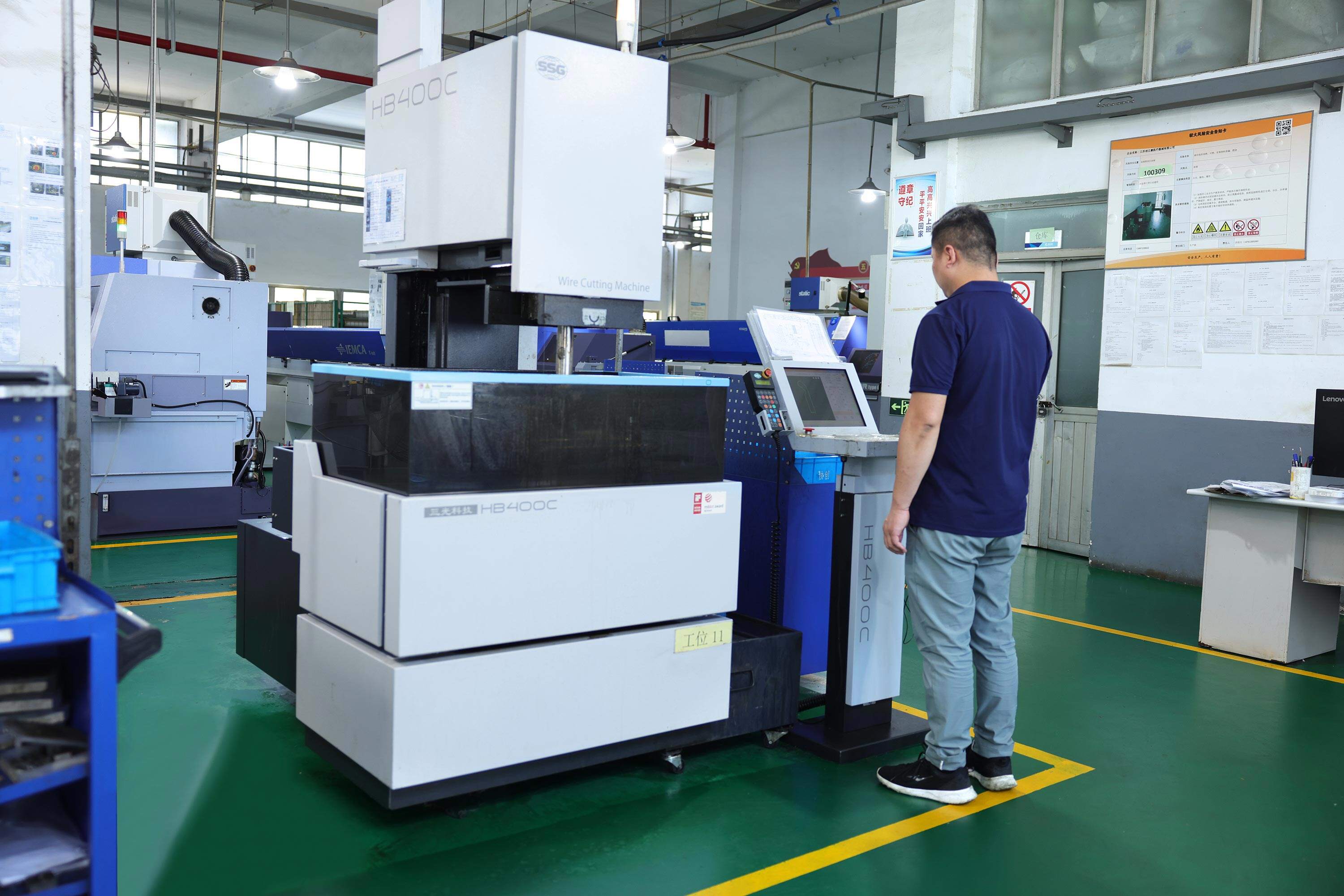
Partnerstvo sa vodećom fabrikom trauma instrumenata može značajno transformirati vaše poslovanje distribucije medicinskih uređaja, strategiju nabavke zdravstvenih ustanova ili lanac snabdevanja hirurškom opremom. Ovaj proces zahtijeva strateško planiranje, temeljnu provjeru i jasno razumijevanje standarda usklađenosti s propisima koji uređuju proizvodnju i distribuciju trauma hirurških instrumenata.
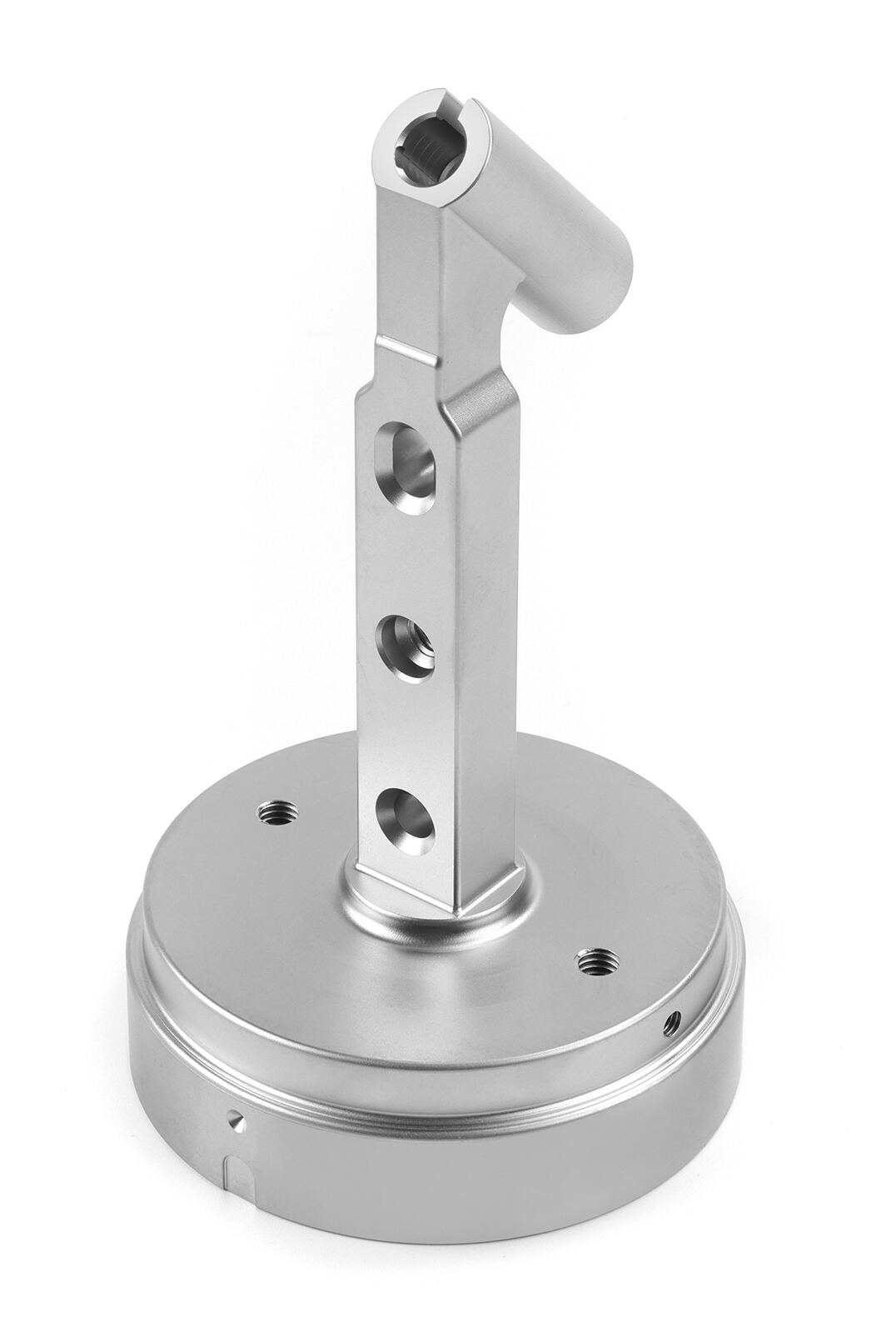
Uspostavljanje uspješnog partnerstva sa fabrikom instrumenata za traumu uključuje nekoliko kritičnih koraka, od početne procene fabrike i provjere kvaliteta do ugovornih pregovora i tekućeg upravljanja odnosima. Organizacije za zdravstvenu zaštitu, medicinski distributeri i stručnjaci za nabavku moraju da se bave složenim tehničkim specifikacijama, regulatornim zahtevima i dinamikom tržišta kako bi osigurali pouzdana partnerstva koja pružaju doslednu vrednost svojim krajnjim kupcima.
Procjena kapaciteta fabrike za traume
Procjena infrastrukture proizvodnje
Kada se procenjuje potencijal fabrika trauma instrumenata partner, počinju sa sveobuhvatnom procenom njihove proizvodne infrastrukture. Moderni instrumenti za traumu zahtevaju sofisticirane mašinske sposobnosti, preciznu proizvodnu opremu i kontrolisana proizvodna okruženja kako bi ispunili stroge standarde medicinskih uređaja.
Pregledajte proizvodni kapacitet fabrike, specifikacije mašina i raspored objekata kako biste bili sigurni da mogu da se nose sa vašim očekivanim potrebama za količinom. Vodeća fabrika instrumenata za traumu treba da pokaže skalabilnu proizvodnu sposobnost, sa posebnim proizvodnim linijama za različite kategorije instrumenata kao što su kostne ploče, vijci, štapovi i hirurški alati.
Uzmimo za primjer ulaganje fabrike u automatizaciju i sisteme kontrole kvaliteta. Napredni traumatološki instrumenti za proizvodnju obično uključuju centar za obradu pod kontrolom računara, automatizovane sisteme inspekcije i platforme za upravljanje digitalnim kvalitetom koje osiguravaju dosledne specifikacije proizvoda i sledljivost tokom cijelog proizvodnog procesa.
Provera sistema upravljanja kvalitetom
Sistem upravljanja kvalitetom je osnova svakog renomiranog pogona fabrike za traume. Provjerite da li vaš potencijalni partner održava trenutnu ISO 13485 sertifikaciju, registraciju FDA i usklađenost sa relevantnim regionalnim propisima o medicinskim uređajima kao što su MDR u Evropi ili zahtjevi Health Canada.
Pregledajte procese kontrole kvaliteta u fabrici, uključujući inspekciju ulaznih materijala, praćenje u toku procesa i postupke testiranja konačnog proizvoda. Kvalifikovana fabrika instrumenata za traumu treba da vodi detaljnu dokumentaciju svih aktivnosti kontrole kvaliteta, sa robusnim sistemima korekcijskih i preventivnih mera kako bi se brzo riješili svi problemi sa kvalitetom.
Procijenite laboratorijske mogućnosti i opremu za testiranje u fabrici. Instrumenti za traume zahtijevaju opsežna mehanička ispitivanja, validaciju biokompatibilnosti i validaciju sterilizacije, što zahtijeva specijalizovanu opremu za testiranje i kvalificirano tehničko osoblje kako bi se osigurala sigurnost i efikasnost proizvoda.
Uspostavljanje okvira i sporazuma o partnerstvu
Razvoj ugovorne strukture
Razvoj sveobuhvatnog ugovornog okvira sa fabrikom trauma instrumenata zahtijeva pažljivu pažnju na više poslovnih i tehničkih razmatranja. Počnite definisanjem jasnih očekivanja performansi, standarda kvaliteta, rasporeda isporuke i strukture cijena koje su u skladu sa zahtjevima tržišta i poslovnim ciljevima.
Uključiti posebne klauzule koje se odnose na zaštitu intelektualne svojine, raspodjelu odgovornosti za proizvode i odgovornosti za usklađenost s propisima. Dobro strukturirani sporazum o partnerstvu sa fabrikom instrumenata za traumu treba jasno definisati koja strana se bavi regulatornim podnošenjima, održavanjem sistema kvaliteta i procedurama povlačenja proizvoda ako je potrebno.
Uspostaviti jasne komunikacijske protokole i postupke za eskalaciju za rješavanje problema proizvodnje, problema kvaliteta ili promjena na tržištu. Efektivna trauma instrumenata fabrika partnerstva zahtijevaju redovne revizije sastanaka, monitoring sistema performansi, i zajednički pristup rješavanju problema da bi se održao dugoročni uspjeh.
Planiranje integracije lanca snabdevanja
Uspešno partnerstvo sa fabrikom trauma instrumenata zahtijeva besprekornu integraciju lanca snabdevanja za optimizaciju upravljanja zalihama, smanjenje vremena isporuke i minimiziranje ukupnih troškova vlasništva. Radite sa svojim tvorničkim partnerom na uspostavljanju efikasnih procesa narudžbe, sistema upravljanja zalihama i logističkih koordinacionih protokola.
Razvoj jasnih procedura za prognozu i planiranje potražnje koje omogućavaju tvornici trauma instrumenata da optimizuje planiranje proizvodnje i nabavku sirovina. Uvođenje sistema zajedničkog planiranja koji pružaju vidljivost proizvodnog kapaciteta, vremena isporuke i potencijalnih poremećaja lanca snabdevanja.
Razmislite o implementaciji programa za skladištenje zaliha ili aranžmana za pošiljku koji mogu smanjiti vaše potrebe za obrtnim kapitalom, uz osiguravanje adekvatne dostupnosti proizvoda. Mnogi partneri u proizvodnji trauma instrumenata nude fleksibilna rješenja za upravljanje zalihama prilagođena specifičnim tržišnim dinamikama i zahtjevima novčanih tokova svojih kupaca.
Pravna usklađenost i upravljanje dokumentacijom
Koordinacija regulatorne strategije
Koordinacija regulatorne strategije sa vašim partnerom iz fabrike za instrumente za traumu je od suštinskog značaja za uspješan pristup tržištu i kontinuirano održavanje usklađenosti. Ustanoviti jasne odgovornosti za podnošenje regulatornih zahtjeva, generisanje kliničkih podataka i aktivnosti praćenja nakon stavljanja na tržište koje zahtevaju različita regulatorna tijela.
Osigurajte da vaš partner u fabrici instrumenata za traumu ima trenutnu informaciju o regulatornim zahtevima na ciljnim tržištima. To uključuje informisanje o promjenama propisa o medicinskim proizvodima, zahtjevima sistema kvaliteta i obavezama nadzora nakon stavljanja na tržište koji mogu uticati na vaše partnerstvo.
Razvoj zajedničkih procesa za upravljanje regulatornom dokumentacijom, uključujući osnovne datoteke proizvoda, tehničku dokumentaciju i evidenciju sistema kvaliteta. Efikasna partnerstva u proizvodnji instrumenata za traume uključuju zajedničku odgovornost za održavanje usklađenosti sa propisima i podršku svim regulatornim inspekcijama ili revizijama.
Sistemi dokumentovanja i praćenja
Implementacija robusnih sistema dokumentacije i sledljivosti sa vašim proizvođačem trauma instrumenata osigurava usklađenost sa propisima o medicinskim uređajima i podržava efikasno upravljanje životnim ciklusom proizvoda. Uvođenje jasnih procedura za održavanje evidencije istorije uređaja, sledljivosti serije i dokumentacije o kvalitetu u cijelom lancu snabdevanja.
Provjerite da li fabrika trauma instrumenata održava sveobuhvatne evidencije serije, izveštaje o inspekciji i certifikat o usklađenosti dokumentacije za sve proizvode. Ovi dokumenti su od suštinskog značaja za usklađenost sa propisima, osiguranje kvaliteta i upravljanje potencijalnim povlačenjem ako se pojave problemi sa kvalitetom.
Uvođenje digitalnih sistema upravljanja dokumentima koji pružaju pristup u realnom vremenu kritičnim informacijama o proizvodu, evidencijama o kvaliteti i regulatornoj dokumentaciji. Savremeni trauma instrumenti fabrika operacije obično nude elektronske mogućnosti razmjene podataka koje pojednostavljuju upravljanje dokumentacijom i poboljšavaju vidljivost lanca snabdevanja.
Praćenje performansi i upravljanje odnosima
Razvoj ključnih pokazatelja performansi
Uspostavljanje jasnih ključnih pokazatelja performansi pomaže da se osigura da vaše partnerstvo sa fabrikom trauma instrumenata donosi doslednu vrijednost i ispunjava poslovne ciljeve. Razvoj metrika koji prate kvalitetu, pouzdanost isporuke, konkurentnost troškova i zadovoljstvo kupaca u svom portfelju proizvoda.
Pratite kvalitete, uključujući stopu defekta, pritužbe kupaca i vreme reakcije na korektivne mere kako biste osigurali da vaš proizvodni partner održava visoke standarde kvalitete. Uvođenje redovnih pregleda kvaliteta i revizija kako bi se provjerila stalna usklađenost sa zahtjevima sistema upravljanja kvalitetom.
Pratite performanse isporuke kao što su stope isporuke na vrijeme, doslednost vremena isporuke i tačnost ispunjavanja narudžbi. Pouzdana isporuka od strane vašeg partnera za proizvodnju trauma instrumenata je od suštinskog značaja za održavanje zadovoljstva kupaca i optimizaciju troškova upravljanja zalihama.
Inicijative kontinuiranog unapređenja
Implementacija inicijativa kontinuiranog poboljšanja sa vašim trauma instrumentima tvorni partner pokreće dugoročno stvaranje vrijednosti i konkurentne prednosti. Uspostaviti zajedničke programe poboljšanja koji se fokusiraju na smanjenje troškova, poboljšanje kvaliteta i mogućnosti razvoja inovacija.
Podstičite svog partnera u tvornici trauma instrumenata da ulaže u nove tehnologije, proizvodne procese i sisteme kvaliteta koji mogu poboljšati kvalitet proizvoda i smanjiti troškove. Mnogo uspješnih partnerstava uključuje zajedničko ulaganje u novu opremu, nadogradnju tehnologije ili projekte proširenja kapaciteta.
Razvoj redovnih pregleda poslovanja koji procjenjuju rezultate partnerstva, identifikuju mogućnosti za poboljšanje i usklađuju se sa budućim strateškim prioritetima. Efikasni faktori traume zahtijevaju stalnu komunikaciju, zajedničko planiranje i uzajamnu posvećenost stalnom poboljšanju.
Često postavljana pitanja
Koje kvalifikacije treba da tražim prilikom izbora partnera za proizvodnju traumatoloških instrumenata?
Prilikom izbora partnera za proizvodnju traumatoloških instrumenata, dajte prioritet objektima sa ISO 13485 sertifikatom, FDA registracijom i dokazanim iskustvom proizvodnje traumatoloških hirurških instrumenata. Provjeriti njihove sisteme upravljanja kvalitetom, proizvodne mogućnosti i istoriju usklađenosti s propisima. Tražite fabrike sa posebnim proizvodnim linijama za traume, naprednim mehaničkim kapacitetima i sveobuhvatnim laboratorijama za testiranje. Osim toga, procenite njihovu finansijsku stabilnost, referenciju kupaca i posvećenost inicijativama za kontinuirano poboljšanje.
Koliko vremena obično treba da se uspostavi partnerstvo sa fabrikom trauma instrumenata?
Uspostavljanje sveobuhvatnog partnerstva sa fabrikom trauma instrumenata obično zahtijeva 3-6 mjeseci, u zavisnosti od složenosti vaših zahtjeva i regulatornih razmatranja. Ovaj vremenski okvir uključuje procenu fabrike, revizije sistema kvaliteta, pregled regulatorne dokumentacije, pregovore o ugovoru i početnu validaciju proizvoda. Činili koji mogu produžiti ovaj vremenski period uključuju zahtjeve za razvoj proizvoda na prilagođen način, više regulatornih prijava ili složene potrebe za integracijom lanca snabdevanja.
Koje su ključne troškove kada se partnerstvo sa fabrikom za traumatološke instrumente?
Ključni troškovi uključuju troškove proizvodnje jedinice, naknade za opremu i instalaciju, troškove održavanja sistema kvaliteta, troškove usklađenosti sa propisima i logističke troškove. Mnoge kompanije koje proizvode instrumente za traume zahtevaju početna ulaganja u alatke, validaciju proizvoda i podnošenje zahtjeva regulatornim tijelima. Trživi troškovi uključuju troškove proizvodnje, aktivnosti osiguranja kvaliteta, troškove vođenja inventara i troškove upravljanja odnosima. Pri procjeni mogućnosti partnerstva razmotrite ukupne troškove vlasništva, a ne samo cijene jedinica.
Kako mogu da obezbedim dosljednu kvalitetu od svog partnera iz fabrike za traumatološke instrumente?
Obezbedite dosledan kvalitet primenom sveobuhvatnih sporazuma o kvalitetu, redovnim rasporedom revizije i kontinuiranim sistemima praćenja sa vašim partnerom iz fabrike instrumenata za traumu. Ustanoviti jasne specifikacije kvaliteta, kriterije prihvatanja i postupke korektivnih mjera. Implementirati statističke sisteme kontrole procesa, redovne preglede kvaliteta i inicijative za zajedničko poboljšanje. Održavanje direktnih komunikacijskih kanala sa timom za upravljanje kvalitetom u fabrici i učešće u njihovim aktivnostima stalnog poboljšanja kako bi se osigurala dugoročna dosljednost kvaliteta.
Sadržaj
- Procjena kapaciteta fabrike za traume
- Uspostavljanje okvira i sporazuma o partnerstvu
- Pravna usklađenost i upravljanje dokumentacijom
- Praćenje performansi i upravljanje odnosima
-
Često postavljana pitanja
- Koje kvalifikacije treba da tražim prilikom izbora partnera za proizvodnju traumatoloških instrumenata?
- Koliko vremena obično treba da se uspostavi partnerstvo sa fabrikom trauma instrumenata?
- Koje su ključne troškove kada se partnerstvo sa fabrikom za traumatološke instrumente?
- Kako mogu da obezbedim dosljednu kvalitetu od svog partnera iz fabrike za traumatološke instrumente?