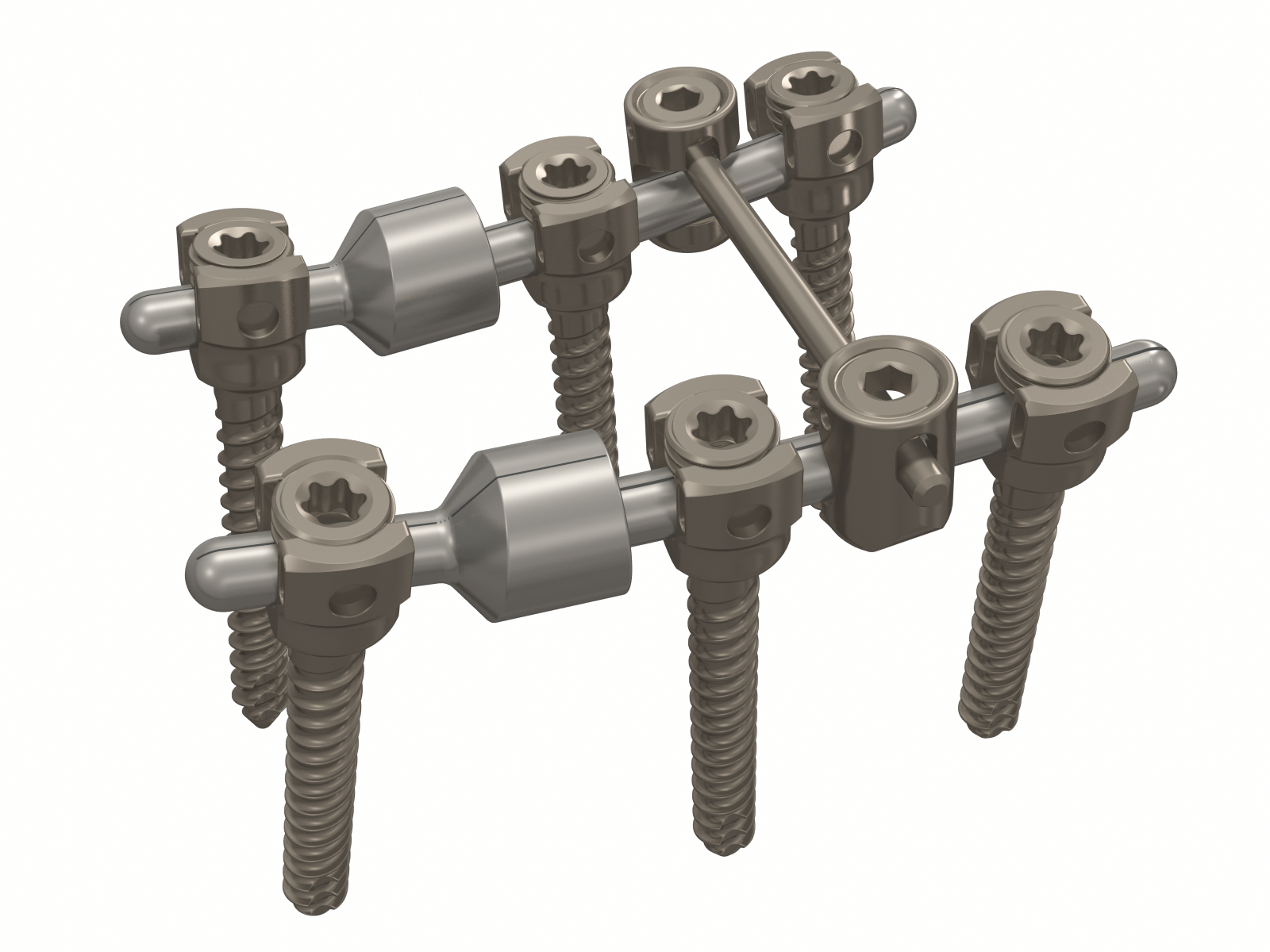
Pasaran implan ortopedik global terus berkembang dengan pesat pada tahun 2025, dengan plat tulang dan skru trauma mewakili salah satu segmen paling kritikal bagi syarikat peranti perubatan yang mencari rakan pembuatan yang boleh dipercayai. Apabila hospital menuntut implan berkualiti tinggi pada harga yang kompetitif, perkongsian dengan pengilang kelengkapan asal (OEM) telah menjadi penting bagi pengedar, jenama label peribadi, dan syarikat teknologi perubatan baharu yang ingin menubuhkan kehadiran mereka dalam pasaran pembedahan trauma.
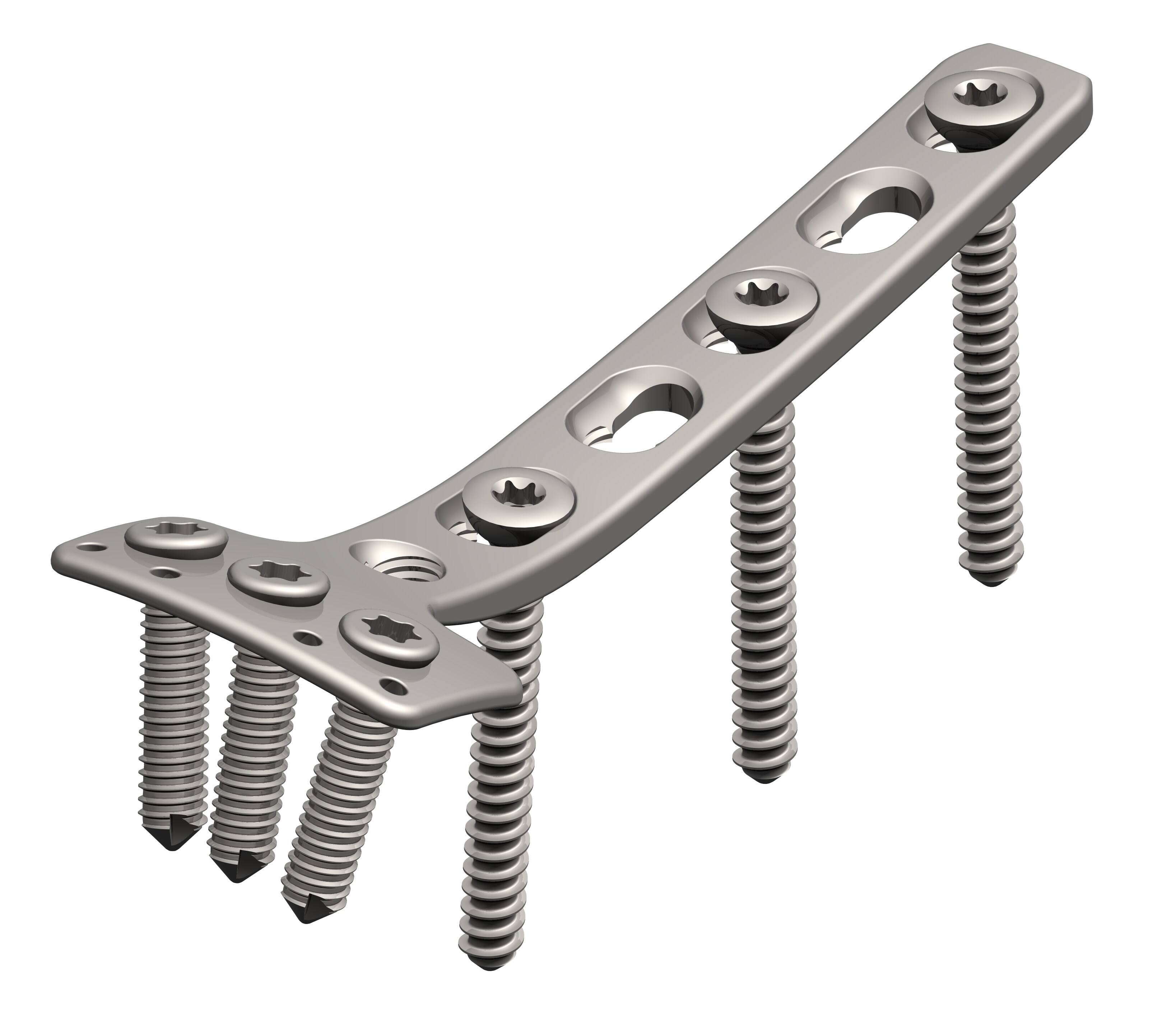
Mengarungi landskap yang kompleks dalam pembuatan berlesen (OEM) plat dan skru tulang trauma memerlukan pemahaman terhadap keperluan peraturan, spesifikasi bahan, keupayaan rekabentuk, dan protokol jaminan kualiti yang menjamin keselamatan pesakit sambil memenuhi objektif komersial. Panduan komprehensif ini mengkaji faktor-faktor penting yang mesti dinilai oleh syarikat peranti perubatan apabila memilih rakan pembuatan, menubuhkan rantaian bekalan, dan memasukkan produk fiksasi trauma ke pasaran pada tahun 2025.
Memahami Dinamika Pasaran OEM Plat dan Skru Tulang Trauma
Permintaan Pasaran Semasa dan Pendorong Pertumbuhan
Sektor pembuatan jentera asli (OEM) untuk plat dan skru tulang trauma telah mengalami pertumbuhan yang ketara disebabkan oleh peningkatan kes trauma global, penuaan populasi, dan kemajuan teknik pembedahan. Syarikat peranti perubatan semakin bergantung kepada rakan OEM khusus untuk memanfaatkan kepakaran pembuatan, mengurangkan pelaburan modal, dan mempercepatkan masa pelancaran ke pasaran bagi produk fiksasi trauma mereka. Permintaan terhadap penyelesaian OEM untuk plat dan skru tulang trauma semakin meningkat apabila syarikat berusaha menawarkan portofolio produk yang komprehensif tanpa perlu melabur dalam infrastruktur pembuatan yang mahal.
Dinamika pasaran pada tahun 2025 mencerminkan peralihan ke arah penjagaan kesihatan berdasarkan nilai, di mana keberkesanan dari segi kos dan hasil klinikal menjadi pendorong keputusan pembelian. Pengilang OEM yang mampu menunjukkan kualiti unggul, pematuhan peraturan, dan harga yang kompetitif telah menentukan diri mereka sebagai rakan utama bagi susunan OEM plat dan skru trauma tulang. Trend ini telah mencipta peluang bagi pengilang khusus untuk membangunkan perkongsian jangka panjang dengan syarikat peranti perubatan yang mencari penyelesaian rantai bekalan yang boleh dipercayai.
Persekitaran Peraturan dan Keperluan Pematuhan
Lanskap peraturan untuk pengeluaran OEM plat dan skru tulang trauma telah menjadi semakin ketat, dengan agensi seperti FDA, pihak berkuasa penandaan CE, dan regulator global lain melaksanakan mekanisme pengawasan yang diperkukuh. Pengeluar OEM mesti mengekalkan sistem pengurusan kualiti yang komprehensif yang mematuhi piawaian ISO 13485 sambil memastikan produk fiksasi trauma mereka memenuhi semua peraturan peranti perubatan yang berlaku di pasaran sasaran.
Rakan kongsi OEM plat dan skru tulang trauma yang berjaya memerlukan pengeluar untuk menunjukkan sistem dokumentasi yang kukuh, protokol ketelusuran, dan keupayaan penyeliaan pasaran selepas jualan. Syarikat yang memasuki hubungan OEM mesti mengesahkan bahawa rakan pengeluaran mereka mengekalkan sijil peraturan semasa dan memiliki proses yang ditetapkan untuk menguruskan perubahan peraturan yang boleh menjejaskan kelulusan produk atau akses ke pasaran.
Spesifikasi Pengeluaran Kritikal dan Piawaian Kualiti
Keperluan Sains Bahan dan Keserasian Biologi
Pemilihan bahan yang sesuai merupakan pertimbangan asas dalam pembuatan plat dan skru tulang trauma oleh pengilang asal (OEM), dengan aloi titanium, keluli tahan karat, dan polimer khusus digunakan untuk pelbagai aplikasi klinikal. Pengilang OEM perlu menunjukkan kepakaran dalam pemprosesan bahan, rawatan permukaan, dan ujian keserasian biologi bagi memastikan produk mereka memenuhi keperluan ketat aplikasi pembedahan trauma.
Teknik pembuatan lanjutan seperti pembuatan tambahan (additive manufacturing), pemesinan tepat, dan aplikasi salutan khusus semakin penting dalam oem plat dan skru tulang trauma pengeluaran. Pengilang mesti mengekalkan kawalan ketat terhadap sifat bahan, toleransi dimensi, dan ciri-ciri permukaan bagi memastikan prestasi produk yang konsisten serta pematuhan terhadap peraturan di seluruh kelompok pengeluaran.
Pembuatan Tepat dan Proses Kawalan Kualiti
Kerumitan plat dan skru tulang trauma memerlukan proses pembuatan yang canggih untuk mencapai spesifikasi dimensi yang tepat sambil mengekalkan keberkesanan dari segi kos. Pengilang OEM mesti menunjukkan keupayaan dalam pemesinan berpaksi banyak, geometri kompleks, dan proses penyelesaian khusus yang memastikan antara muka optimum antara tulang dan implan serta ciri-ciri prestasi mekanikal.
Sistem kawalan kualiti untuk pengilangan OEM plat dan skru tulang trauma mesti menggabungkan kawalan proses statistik, teknologi pemeriksaan automatik, dan protokol ujian menyeluruh yang mengesahkan sifat mekanikal, ketepatan dimensi, dan kualiti permukaan. Pengilang terkemuka melaksanakan sistem kualiti berbasis risiko yang mengenal pasti mod kegagalan berpotensi dan menetapkan kawalan pencegahan di sepanjang proses pengeluaran.
Pembangunan Rakan Kongsi Strategik dan Pengurusan Rantai Bekalan
Menilai Rakan Pengilangan OEM
Memilih rakan kongsi yang sesuai untuk pengilangan OEM plat dan skru tulang trauma memerlukan penilaian menyeluruh terhadap keupayaan teknikal, sistem kualiti, pematuhan peraturan, dan kebolehlabaan komersial. Syarikat peranti perubatan perlu menilai pengilang berpotensi berdasarkan pengalaman mereka dengan produk serupa, sijil kemudahan, rujukan pelanggan, dan keupayaan untuk meningkatkan pengeluaran mengikut tuntutan pasaran.
Proses penilaian harus merangkumi audit kemudahan secara komprehensif, semakan sistem kualiti, dan penilaian keupayaan teknikal yang mengesahkan keupayaan pengilang untuk menghasilkan plat dan skru tulang trauma dalam bentuk OEM mengikut keperluan yang ditetapkan. Syarikat juga perlu menilai kestabilan kewangan pengilang, keupayaan perancangan kapasiti, dan komitmen terhadap inisiatif penambahbaikan berterusan yang menyokong kejayaan perkongsian jangka panjang.
Perjanjian Pengilangan Kontrak dan Pengurusan Risiko
Perkongsian OEM untuk plat dan skru tulang trauma yang berjaya memerlukan perjanjian yang diatur dengan teliti untuk menetapkan tanggungjawab, jangkaan kualiti, perlindungan harta intelek, dan metrik prestasi. Kontrak mesti menangani obligasi pematuhan peraturan, prosedur kawalan perubahan, dan mekanisme penyelesaian pertikaian yang melindungi kedua-dua pihak sambil memastikan keselamatan pesakit dan kualiti produk.
Strategi pengurusan risiko dalam pembuatan OEM untuk plat dan skru tulang trauma harus merangkumi pelbagai rantaian bekalan, protokol jaminan kualiti, dan perancangan tindakan cadangan bagi gangguan yang berpotensi. Syarikat mesti menubuhkan sistem pemantauan yang mengesan penunjuk prestasi utama, metrik kualiti, dan status pematuhan untuk memastikan keberkesanan perkongsian secara berterusan serta mengenal pasti isu-isu berpotensi sebelum ia memberi kesan terhadap ketersediaan atau kualiti produk.
Inovasi dan Integrasi Teknologi dalam Pembuatan OEM
Teknologi Pembuatan Masa Depan
Penggabungan teknologi pembuatan lanjutan telah mengubah keupayaan pengeluaran OEM bagi plat dan skru tulang trauma, membolehkan pengilang menghasilkan geometri kompleks, implan khusus pesakit, dan rawatan permukaan yang ditingkatkan. Teknologi seperti pembuatan tambahan, pemesinan kawalan berangka komputer, dan sistem pemasangan automatik telah meningkatkan kecekapan pengeluaran sambil mengekalkan ketepatan yang diperlukan untuk peranti fiksasi trauma.
Sistem pembuatan digital semakin penting dalam operasi OEM bagi plat dan skru tulang trauma, menyediakan pemantauan pengeluaran masa nyata, penjejakan kualiti, dan keupayaan kesurutan yang menyokong pematuhan peraturan serta inisiatif penambahbaikan berterusan. Pengilang yang melabur dalam teknologi digital dapat menawarkan transparansi yang lebih baik, masa tindak balas yang lebih cepat, dan jaminan kualiti yang ditingkatkan kepada rakan-rakan OEM mereka.
Kemampuan Pembangunan Produk dan Penyesuaian
Pengilang OEM plat dan skru tulang trauma terkemuka menawarkan perkhidmatan pembangunan produk yang komprehensif untuk menyokong objektif inovasi dan strategi pembezaan pasaran rakan kongsi mereka. Perkhidmatan ini termasuk pengoptimuman rekabentuk, analisis unsur terhingga, pembangunan prototaip, dan sokongan ujian klinikal yang mempercepatkan jadual pembangunan produk sambil memastikan pematuhan peraturan.
Kemampuan penyesuaian telah menjadi semakin penting apabila syarikat peranti perubatan berusaha membezakan produk OEM plat dan skru tulang trauma mereka di pasaran yang kompetitif. Pengilang yang mampu menawarkan ubahsuai rekabentuk, salutan khas, dan penyelesaian khusus pesakit memberikan nilai signifikan kepada rakan kongsi mereka sambil mengekalkan proses pengeluaran yang cekap serta piawaian kualiti.
Pengurusan Kos dan Pertimbangan Ekonomi
Strategi Penetapan Harga dan Analisis Struktur Kos
Aspek ekonomi dalam pembuatan papan dan skru tulang trauma secara OEM melibatkan struktur kos yang kompleks, termasuk kos bahan, overhead pengeluaran, perbelanjaan jaminan kualiti, dan pelaburan untuk mematuhi peraturan. Syarikat peranti perubatan perlu memahami faktor-faktor penentu kos ini untuk merundingkan perjanjian harga yang adil sambil memastikan rakan pengeluaran mereka mampu mengekalkan piawaian kualiti dan kebolehan kewangan.
Pengurusan kos yang berkesan dalam perkongsian OEM untuk papan dan skru tulang trauma memerlukan komunikasi yang telus mengenai unjuran isipadu, kerumitan rekabentuk, dan keperluan pasaran yang mempengaruhi kos pengeluaran. Syarikat yang membina perkongsian jangka panjang dengan unjuran isipadu yang komited sering dapat merundingkan harga yang lebih menguntungkan, sambil memberikan rakan pengeluaran mereka kestabilan yang diperlukan untuk melabur dalam peningkatan kapasiti dan kemampuan.
Pulangan Pelaburan dan Strategi Masuk Pasaran
Keputusan untuk mengejar pengilangan papan dan skru tulang trauma secara OEM berbanding pengilangan dalaman melibatkan analisis teliti keperluan modal, masa pemasukan ke pasaran, dan penentuan kedudukan persaingan. Syarikat perlu menilai jumlah kos kepemilikan bagi perkongsian OEM, termasuk kos produk, perbelanjaan jaminan kualiti, dan pelaburan dalam pengurusan hubungan, berbanding kos modal dan operasi untuk menubuhkan kemampuan pengilangan dalaman.
Strategi pemasukan ke pasaran bagi produk papan dan skru tulang trauma secara OEM harus mengambil kira keperluan peraturan mengikut wilayah, preferensi saluran pengedaran, dan dinamika persaingan yang mempengaruhi penentuan kedudukan produk dan strategi penetapan harga. Syarikat yang berjaya membangunkan pelan pemasukan ke pasaran yang komprehensif dengan memanfaatkan kemampuan rakan pengilangan mereka sambil menetapkan perbezaan yang jelas di pasaran sasaran.
Soalan Lazim
Apakah keperluan peraturan utama bagi pengilangan papan dan skru tulang trauma secara OEM?
Pengilang asal (OEM) untuk plat dan skru tulang trauma mesti mematuhi peraturan peranti perubatan di pasaran sasaran mereka, termasuk kelulusan FDA 510(k) atau kelulusan PMA di Amerika Syarikat, penandaan CE di bawah Peraturan Peranti Perubatan di Eropah, dan kelulusan serupa di wilayah lain. Pengilang mesti mengekalkan sistem pengurusan kualiti ISO 13485, melaksanakan pengurusan risiko mengikut ISO 14971, dan membuktikan keserasian biologi mengikut piawaian ISO 10993.
Bagaimana saya menilai keupayaan kualiti rakan kongsi OEM potensial untuk plat dan skru tulang trauma?
Menilai rakan kongsi pembuatan OEM untuk plat dan skru tulang trauma memerlukan penilaian menyeluruh terhadap sistem pengurusan kualiti mereka, keupayaan pembuatan, dan rekod pematuhan peraturan. Kriteria penilaian utama termasuk sijil kemudahan, rujukan pelanggan, kepakaran teknikal dalam pembuatan implan ortopedik, kapasiti untuk menghasilkan isipadu pengeluaran yang diperlukan, serta keupayaan terbukti mengekalkan piawaian kualiti yang konsisten merentasi kelompok pengeluaran.
Faktor-faktor apa yang mempengaruhi harga dalam perjanjian pembuatan OEM untuk plat dan skru tulang trauma?
Harga untuk plat dan skru tulang trauma dalam pembuatan OEM bergantung kepada kerumitan produk, spesifikasi bahan, isipadu pengeluaran, keperluan kualiti, dan kos pematuhan peraturan. Faktor tambahan termasuk pelaburan dalam perkakasan, keperluan pengubahsuaian rekabentuk, spesifikasi pembungkusan, serta tahap sokongan teknikal yang disediakan oleh pengilang. Komitmen isipadu jangka panjang dan rekabentuk yang dipermudah biasanya menghasilkan struktur harga yang lebih menguntungkan.
Bagaimanakah syarikat-syarikat dapat memastikan kebolehpercayaan rantaian bekalan dalam perkongsian OEM untuk plat dan skru tulang trauma?
Kebolehpercayaan rantai bekalan dalam pembuatan OEM plat dan skru tulang trauma memerlukan pemilihan rakan niaga yang teliti, perjanjian kualiti yang komprehensif, serta pengurusan hubungan yang berterusan. Syarikat harus menetapkan metrik prestasi yang jelas, melaksanakan prosedur audit berkala, mengekalkan saluran komunikasi yang terbuka, dan membangunkan pelan tindakan cadangan bagi gangguan yang berpotensi. Mempelbagaikan pembekal dan mengekalkan tahap inventori strategik juga dapat meningkatkan ketahanan rantai bekalan.
Kandungan
- Memahami Dinamika Pasaran OEM Plat dan Skru Tulang Trauma
- Spesifikasi Pengeluaran Kritikal dan Piawaian Kualiti
- Pembangunan Rakan Kongsi Strategik dan Pengurusan Rantai Bekalan
- Inovasi dan Integrasi Teknologi dalam Pembuatan OEM
- Pengurusan Kos dan Pertimbangan Ekonomi
-
Soalan Lazim
- Apakah keperluan peraturan utama bagi pengilangan papan dan skru tulang trauma secara OEM?
- Bagaimana saya menilai keupayaan kualiti rakan kongsi OEM potensial untuk plat dan skru tulang trauma?
- Faktor-faktor apa yang mempengaruhi harga dalam perjanjian pembuatan OEM untuk plat dan skru tulang trauma?
- Bagaimanakah syarikat-syarikat dapat memastikan kebolehpercayaan rantaian bekalan dalam perkongsian OEM untuk plat dan skru tulang trauma?