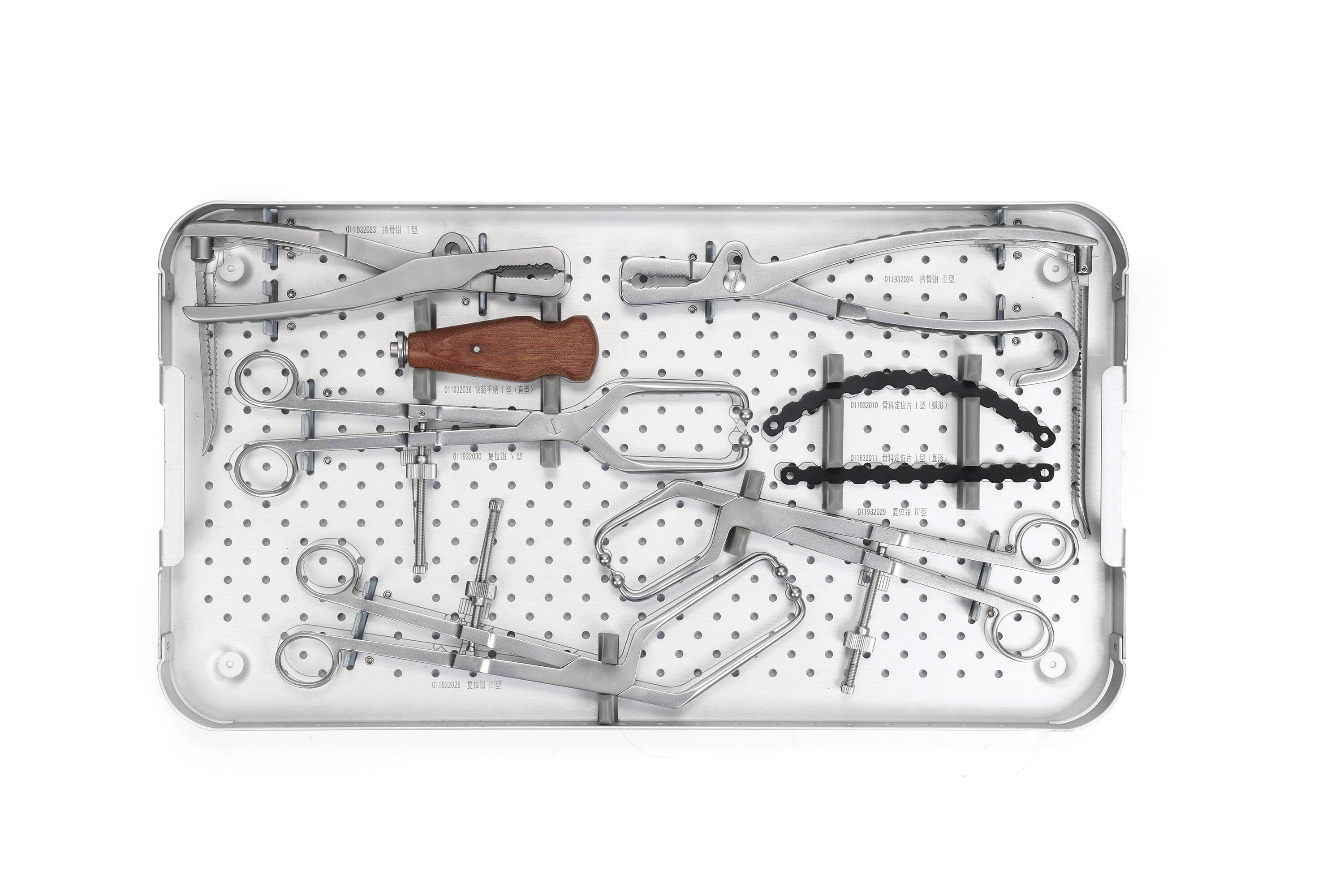
After two decades of designing and validating orthopedic implants and surgical instruments, I have developed an unshakable conviction: the quality of precision manufacturing systems employed by an OEM partner fundamentally determines whether a hip or knee implant will deliver predictable clinical outcomes or become a source of complications and costly revisions. This perspective stems not from abstract engineering theory but from countless hours analyzing implant failures, reviewing dimensional metrology reports, and witnessing the downstream consequences when manufacturers underinvest in their production infrastructure. Throughout my career collaborating with global orthopedic device companies, I have observed a stark divide between OEM partners who treat precision manufacturing systems as strategic assets versus those who view them as cost centers to be minimized.
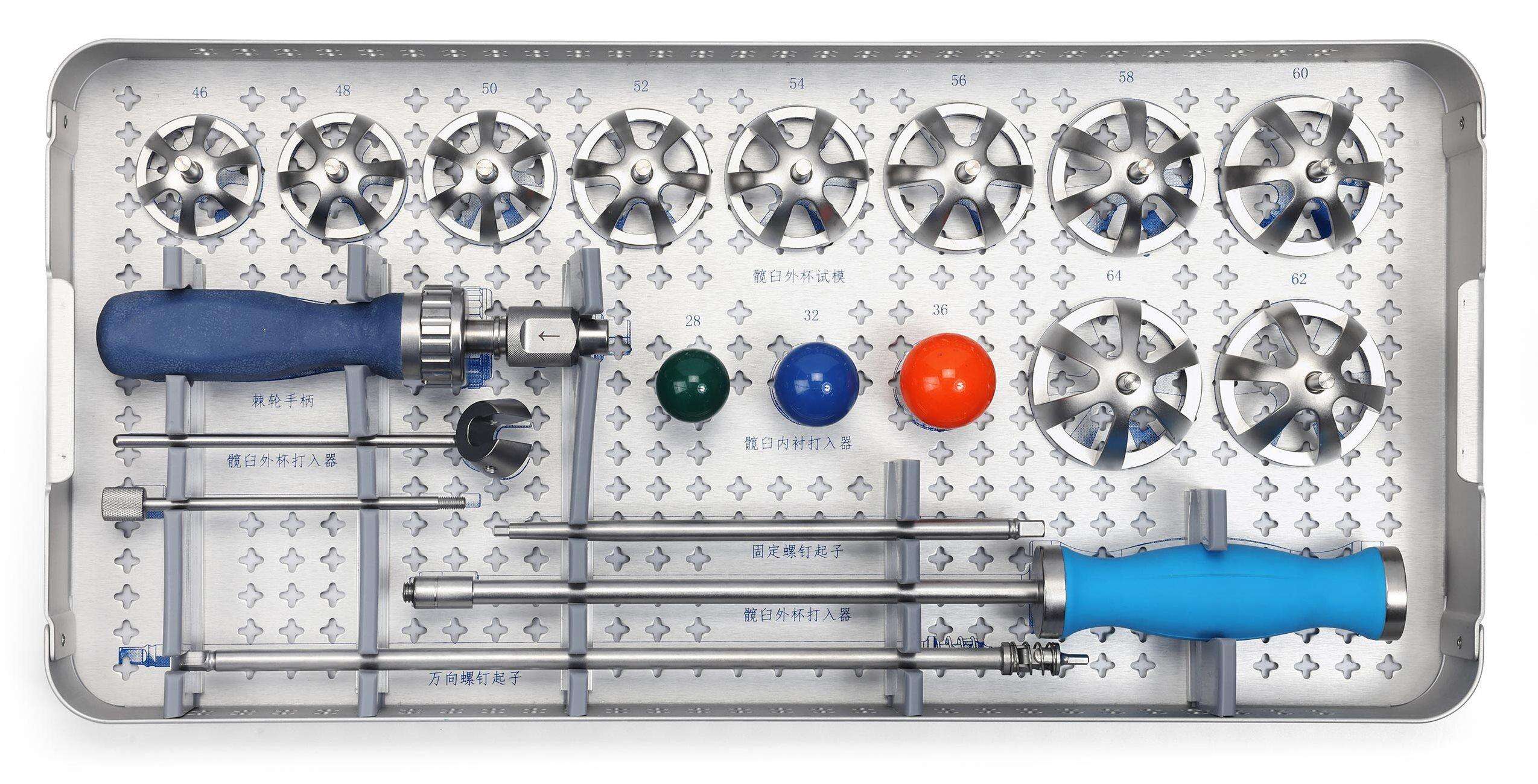
The decision to insist on robust precision manufacturing systems is rooted in the unforgiving realities of orthopedic device performance. When an acetabular cup deviates from specification by even fifty microns, the consequences cascade through the entire clinical experience: polyethylene wear rates accelerate, joint stability suffers, and revision surgery becomes statistically more probable within the first decade post-implantation. My insistence on evaluating an OEM partner's manufacturing infrastructure before approving any production relationship has prevented numerous quality disasters and protected the clinical reputation of the products I have helped develop. This article explains the engineering rationale behind my uncompromising stance on manufacturing precision and provides guidance for medical device companies navigating OEM partner selection.
The Critical Connection Between Manufacturing Precision and Implant Performance
Why Dimensional Tolerances Matter More in Orthopedics Than Almost Any Other Industry
Orthopedic implants operate in one of the most demanding mechanical environments imaginable: the human body subjects joints to millions of loading cycles annually, often under forces exceeding three times body weight during normal activities. This biomechanical reality makes dimensional accuracy a non-negotiable requirement. When I evaluate precision manufacturing systems at a potential OEM partner, I am assessing their capability to consistently hold tolerances that directly influence wear characteristics, fixation stability, and long-term implant survival. A femoral stem with surface roughness exceeding specified limits by even a few micrometers can trigger accelerated corrosion at the modular taper junction, leading to adverse local tissue reactions and eventual implant failure.
The connection between manufacturing precision and clinical outcomes becomes particularly evident when examining polyethylene wear in total hip arthroplasty. Research has conclusively demonstrated that acetabular liner thickness uniformity, which depends entirely on the precision manufacturing systems used during machining and molding processes, directly correlates with volumetric wear rates over time. When liner wall thickness varies beyond specification, stress concentrations develop that accelerate material fatigue and particle generation. I have reviewed failure analysis reports where implants from manufacturers with inadequate precision manufacturing systems showed wear rates double those of dimensionally consistent components from the same material grade. These failures are not material science problems but manufacturing execution failures.
Surface Finish Quality as a Predictor of Long-Term Biological Response
Beyond dimensional tolerances, the surface characteristics achieved through precision manufacturing systems profoundly influence how the body responds to an implant over decades. The surface roughness profile of a cementless femoral stem determines whether osseointegration proceeds predictably or whether micromotion at the bone-implant interface leads to fibrous encapsulation and eventual loosening. My engineering analyses consistently show that OEM partners lacking advanced precision manufacturing systems struggle to achieve the controlled surface topography required for reliable biological fixation. Surface finish is not merely an aesthetic consideration but a functional requirement that dictates implant biology.
When examining the capabilities of precision manufacturing systems, I specifically evaluate their ability to produce consistent surface finishes across production batches and over extended manufacturing runs. Tool wear management, coolant system effectiveness, and process parameter monitoring all factor into surface finish consistency. I have encountered OEM partners whose initial samples demonstrated excellent surface characteristics, only to see quality drift significantly as production volumes increased because their precision manufacturing systems lacked adequate in-process monitoring. This quality inconsistency is unacceptable in orthopedic manufacturing, where every implant must perform identically regardless of when it was produced or which shift manufactured it.
Material Property Preservation Through Precision Processing
Advanced orthopedic materials such as titanium alloys, cobalt-chrome, and highly crosslinked polyethylene derive their exceptional properties from carefully controlled metallurgical and polymer processing. However, these properties can be compromised if precision manufacturing systems introduce excessive thermal or mechanical stress during machining operations. I insist on OEM partners with sophisticated precision manufacturing systems because only advanced equipment with proper cooling, vibration damping, and process control can machine these materials without degrading their engineered properties. The subsurface microstructure of a titanium alloy can be altered by inappropriate machining parameters, creating residual stresses that serve as crack initiation sites under cyclic loading.
The thermal management capabilities integrated into modern precision manufacturing systems represent a critical differentiator between adequate and excellent OEM partners. When machining operations generate excessive heat due to dull tooling or inappropriate cutting parameters, the affected material can experience phase transformations, work hardening, or thermal softening that compromise fatigue resistance. My specification reviews always include thermal analysis of the manufacturing process to ensure the precision manufacturing systems employed maintain material temperatures within safe ranges throughout all operations. This level of process sophistication requires significant capital investment, which separates serious orthopedic manufacturers from general machining shops attempting to enter the medical device market.
Engineering Requirements That Define Adequate Precision Manufacturing Systems
Multi-Axis CNC Capabilities and Simultaneous Machining Operations
The geometric complexity of modern orthopedic implants demands precision manufacturing systems with five-axis simultaneous machining capabilities. An precision manufacturing systems approach enables the production of complex acetabular cup geometries, anatomically contoured femoral components, and intricate instrumentation features that would be impossible or prohibitively expensive with conventional three-axis equipment. When I audit an OEM partner's manufacturing floor, I specifically evaluate their multi-axis machining capabilities because this technology directly determines their ability to produce complex geometries while maintaining tight tolerances across all surfaces.
Beyond basic multi-axis capability, I assess whether the precision manufacturing systems incorporate advanced features such as on-machine probing, thermal compensation, and real-time tool offset adjustments. These capabilities transform a machining center from a simple cutting tool into an intelligent manufacturing system that continuously monitors and corrects its own performance. OEM partners whose precision manufacturing systems lack these features inevitably experience quality drift as environmental conditions change, tool wear progresses, or material properties vary between lots. The best manufacturing partners I have worked with treat their precision manufacturing systems as integrated quality control platforms, not merely material removal equipment.
Metrology Integration and Statistical Process Control Architecture
Precision manufacturing systems achieve their full potential only when coupled with comprehensive metrology capabilities and robust statistical process control frameworks. My engineering specifications require OEM partners to demonstrate coordinate measuring machine capabilities with measurement uncertainty at least ten times better than the tightest tolerance they must hold. This metrology ratio ensures that measurement system variability does not mask actual process variation, enabling accurate process control and continuous improvement. I have rejected OEM partnerships where the proposed manufacturing partner possessed excellent machining equipment but inadequate metrology infrastructure, because precision without verification is merely assumption.
The integration between precision manufacturing systems and quality data management systems determines whether an OEM partner can demonstrate statistical control and process capability. I require manufacturing partners to implement real-time SPC monitoring with automated alerts when process parameters drift toward specification limits. This proactive quality approach prevents defective product from being produced rather than merely catching defects after the fact. OEM partners with mature precision manufacturing systems can provide Cpk data demonstrating process capability indices above 1.67 for critical dimensions, indicating their processes consistently operate well within specification limits with minimal risk of producing nonconforming product.
Environmental Control and Machine Foundation Engineering
Truly robust precision manufacturing systems operate within environmentally controlled facilities where temperature, humidity, and vibration are actively managed to prevent dimensional variation. Thermal expansion coefficients of metals mean that a five-degree Celsius temperature swing in the manufacturing environment can cause dimensional changes exceeding typical orthopedic tolerances. My facility audits always include evaluation of HVAC systems, temperature monitoring infrastructure, and seasonal temperature stability data. OEM partners who have invested in climate-controlled manufacturing environments demonstrate their commitment to dimensional consistency across all operating conditions.
The machine foundation design supporting precision manufacturing systems receives less attention than it deserves but profoundly impacts achievable accuracy. I have encountered situations where excellent CNC equipment produced inconsistent results because it was installed on inadequate foundations that transmitted building vibrations into the machining process. Professional OEM partners isolate their precision manufacturing systems on dedicated foundations with vibration damping, ensuring that external disturbances do not compromise machining accuracy. This infrastructure investment is invisible in product samples but becomes evident when analyzing long-term process capability data and dimensional consistency across production lots.
Risk Mitigation Through Manufacturing Partner Selection
Regulatory Compliance as a Function of Process Capability
The regulatory scrutiny facing orthopedic device manufacturers has intensified dramatically over the past decade, with quality system inspections focusing increasingly on process validation and statistical evidence of manufacturing control. My insistence on OEM partners with advanced precision manufacturing systems is partly motivated by regulatory risk management. Partners whose manufacturing processes operate with high process capability indices can easily demonstrate compliance with FDA 21 CFR Part 820 and ISO 13485 requirements for process validation. Conversely, manufacturers with marginally capable processes struggle to provide convincing statistical evidence that their manufacturing operations are truly under control.
When precision manufacturing systems consistently produce parts well within specification limits, the validation burden shifts from extensive inspection to periodic verification. This manufacturing capability reduces both production costs and regulatory compliance costs while simultaneously improving product quality. I have guided multiple medical device companies through FDA inspections where the strength of the OEM partner's manufacturing process data transformed potentially problematic observations into straightforward demonstrations of quality system effectiveness. The investment in precision manufacturing systems pays dividends not only in product quality but in regulatory defensibility.
Supply Chain Resilience and Business Continuity Planning
OEM partners with substantial investments in precision manufacturing systems demonstrate business commitment that translates into supply chain stability. The capital equipment investment required for world-class orthopedic manufacturing creates significant barriers to exit and incentivizes long-term customer relationships. When I recommend an OEM partner to a medical device company, I am not merely validating their current manufacturing capability but assessing the probability they will remain a viable supplier for the fifteen or twenty-year commercial lifespan of an implant system. Partners who have invested heavily in precision manufacturing systems have strong economic incentives to maintain those capabilities and continue serving the orthopedic market.
The redundancy and capacity flexibility enabled by sophisticated precision manufacturing systems also provides business continuity advantages. OEM partners with multiple machining centers and comprehensive tool management systems can respond to demand surges or equipment failures without disrupting customer delivery schedules. I evaluate whether potential manufacturing partners have sufficient capacity redundancy to absorb unexpected volume increases or equipment downtime without compromising quality or delivery performance. This operational resilience is particularly critical in orthopedic markets where implant demand can be volatile and where supply interruptions can force surgeons to use alternative implant systems, potentially resulting in permanent market share loss.
Intellectual Property Protection Through Process Complexity
An underappreciated benefit of partnering with OEM suppliers who possess advanced precision manufacturing systems is the intellectual property protection that process complexity provides. Proprietary implant geometries, surface treatments, and assembly processes that require sophisticated manufacturing capabilities are inherently more difficult for competitors to replicate. When I design orthopedic devices, I deliberately incorporate features that leverage the precision manufacturing systems available at preferred OEM partners, creating technical barriers that protect market differentiation. This design-for-manufacturing approach transforms manufacturing capability into competitive advantage.
The tacit knowledge embedded in successfully operating complex precision manufacturing systems represents a form of trade secret protection that complements formal intellectual property rights. Even if a competitor obtained detailed engineering drawings and material specifications, replicating the manufacturing processes would require years of development and significant capital investment. OEM partners with mature precision manufacturing systems have accumulated process knowledge through thousands of production runs and continuous improvement cycles. This operational excellence cannot be easily duplicated, providing durable competitive advantages to the medical device companies they serve.
Evaluating OEM Partners Through Engineering Due Diligence
Facility Audit Protocols for Manufacturing Capability Assessment
My facility audit protocol for evaluating potential OEM partners focuses on direct observation of precision manufacturing systems in operation rather than relying solely on capability statements and marketing materials. I request to observe actual production runs of similar complexity to the components under consideration, examining setup procedures, in-process adjustments, and quality verification methods. This hands-on assessment reveals far more about true manufacturing capability than any presentation or documentation review. I specifically observe how operators interact with precision manufacturing systems, whether they understand the critical parameters affecting part quality, and whether they demonstrate disciplined adherence to documented procedures.
The maintenance practices supporting precision manufacturing systems provide crucial insights into long-term manufacturing consistency. During facility audits, I review preventive maintenance records, calibration schedules, and breakdown response procedures. OEM partners with mature manufacturing operations maintain detailed equipment histories, track mean time between failures, and continuously optimize maintenance intervals based on actual performance data. The condition of precision manufacturing systems themselves tells a story: well-maintained equipment with clean work envelopes, organized tooling systems, and proper lubrication indicates an organizational culture that values manufacturing excellence. Conversely, equipment showing deferred maintenance or ad-hoc operation suggests systemic quality vulnerabilities.
Sample Part Analysis and Process Capability Studies
No facility audit is complete without comprehensive dimensional analysis of sample parts produced on the precision manufacturing systems under evaluation. I require potential OEM partners to produce sample components that exercise the full range of tolerances, surface finishes, and geometric complexities anticipated in the actual production relationship. These samples undergo complete dimensional verification at an independent metrology laboratory, generating detailed reports that reveal actual process capability. The dimensional data from these studies provides objective evidence of whether the precision manufacturing systems can consistently meet engineering specifications under production conditions.
Beyond dimensional verification, I conduct process capability studies that assess the statistical stability of the precision manufacturing systems over multiple production runs. Short-term process studies during a facility audit may show impressive capability that does not reflect long-term performance once normal production pressures, material lot variations, and tool wear enter the equation. I request historical capability data from similar production runs to assess whether the precision manufacturing systems maintain consistent performance over time. OEM partners confident in their manufacturing capabilities willingly share this data, while those with less mature processes often resist providing longitudinal performance evidence.
Supplier Quality Agreement Development and KPI Definition
Once an OEM partner with adequate precision manufacturing systems has been identified, I develop comprehensive supplier quality agreements that define exactly how manufacturing capability will be maintained throughout the business relationship. These agreements specify process capability requirements, measurement system analysis protocols, and continuous improvement expectations. I insist on contractual commitments regarding precision manufacturing systems maintenance, calibration, and upgrade schedules to ensure manufacturing capability does not degrade over the product lifecycle. The quality agreement transforms initial capability assessment into ongoing performance expectations with clear accountability.
The key performance indicators established in supplier quality agreements must directly measure the health of the precision manufacturing systems and their output quality. I typically specify KPIs including process capability indices, first-pass yield rates, dimensional variation trends, and measurement system performance. These metrics provide early warning signals when precision manufacturing systems begin to drift or when process changes inadvertently impact product quality. Regular review of these KPIs enables proactive intervention before quality issues affect delivered products, maintaining the manufacturing excellence that justified the OEM partnership initially.
FAQ
How do precision manufacturing systems differ from standard CNC machining equipment in orthopedic applications?
Precision manufacturing systems employed in orthopedic device production incorporate multiple advanced features beyond basic CNC machining capabilities. These systems typically include five-axis simultaneous machining, on-machine probing for in-process verification, thermal compensation algorithms that adjust for temperature-induced dimensional changes, and sophisticated tool management systems that track wear and automatically adjust offsets. The structural rigidity, positioning accuracy, and repeatability of precision manufacturing systems exceed standard machining centers by an order of magnitude, enabling them to consistently hold tolerances in the range of ten to twenty microns across complex three-dimensional geometries. Additionally, precision manufacturing systems designed for orthopedic applications often feature specialized work-holding solutions, material-specific cutting strategies, and integrated quality verification that standard equipment lacks. The capital investment required for true precision manufacturing systems typically exceeds standard CNC equipment costs by factors of three to five, reflecting the engineering sophistication necessary for medical device production.
What specific capabilities should I verify when auditing an OEM partner's precision manufacturing systems?
When conducting facility audits, prioritize verification of measurement system capability, environmental controls, and process monitoring infrastructure supporting the precision manufacturing systems. Request demonstration of coordinate measuring machine accuracy through gage R&R studies and measurement uncertainty analysis, ensuring metrology capability is at least ten times better than the tightest tolerances you require. Evaluate temperature monitoring systems throughout the manufacturing area and review historical data showing seasonal temperature stability within plus or minus two degrees Celsius. Examine the statistical process control architecture, confirming that precision manufacturing systems generate real-time capability data with automated alerts for out-of-control conditions. Assess preventive maintenance documentation, calibration records, and equipment performance trending to verify systematic capability preservation. Request process capability studies from actual production runs of similar complexity to your components, analyzing Cpk values for critical dimensions. Finally, observe actual production operations to assess operator competency, setup discipline, and adherence to documented procedures, as human factors significantly influence precision manufacturing systems performance regardless of equipment sophistication.
How can medical device companies justify the higher costs associated with OEM partners using advanced precision manufacturing systems?
The economic justification for partnering with OEM suppliers possessing sophisticated precision manufacturing systems emerges from total cost of quality analysis rather than simple piece-price comparison. Manufacturing partners with high process capability consistently deliver products that require minimal incoming inspection, generate virtually zero nonconformances requiring corrective action, and eliminate field failures attributable to manufacturing defects. These quality advantages translate directly into reduced quality system costs, lower warranty expenses, and enhanced market reputation. Additionally, the regulatory compliance advantages of working with OEM partners whose precision manufacturing systems generate robust process validation data reduce audit preparation costs and minimize regulatory risk exposure. When field failures occur despite best efforts, the comprehensive process documentation associated with advanced precision manufacturing systems provides clear traceability and liability protection. Medical device companies should calculate total landed costs including quality verification, rework, regulatory compliance, and risk mitigation rather than focusing solely on quoted piece prices. In virtually every analysis I have conducted, the total cost of ownership favors OEM partners with superior precision manufacturing systems despite their higher unit prices, typically showing cost advantages of fifteen to thirty percent when all factors are included.
What warning signs indicate an OEM partner's precision manufacturing systems may not be adequate for orthopedic device production?
Several red flags during facility evaluation suggest inadequate precision manufacturing systems or immature manufacturing operations. Reluctance to share detailed process capability data from actual production runs indicates the manufacturer lacks confidence in their statistical process control or may not routinely collect such data. Absence of environmental controls such as temperature monitoring and HVAC systems designed for manufacturing stability suggests dimensional consistency will vary seasonally. Observation of informal setup procedures without documented work instructions or first-article inspection protocols indicates process discipline deficiencies that will eventually produce quality escapes. Equipment showing visible signs of deferred maintenance, inadequate housekeeping around precision manufacturing systems, or disorganized tooling management reflects cultural issues that compromise manufacturing excellence. Metrology capabilities limited to handheld instruments without coordinate measuring machines or surface finish measurement equipment indicate inability to verify complex geometries or critical surface characteristics. Manufacturing partners who cannot articulate specific process capability indices for critical dimensions or who provide only qualitative assurances about their precision manufacturing systems lack the statistical rigor required for medical device production. Finally, absence of formal change control procedures governing modifications to precision manufacturing systems, tooling, or process parameters suggests quality systems immaturity that creates unacceptable regulatory and product liability risks.
Table of Contents
- The Critical Connection Between Manufacturing Precision and Implant Performance
- Engineering Requirements That Define Adequate Precision Manufacturing Systems
- Risk Mitigation Through Manufacturing Partner Selection
- Evaluating OEM Partners Through Engineering Due Diligence
-
FAQ
- How do precision manufacturing systems differ from standard CNC machining equipment in orthopedic applications?
- What specific capabilities should I verify when auditing an OEM partner's precision manufacturing systems?
- How can medical device companies justify the higher costs associated with OEM partners using advanced precision manufacturing systems?
- What warning signs indicate an OEM partner's precision manufacturing systems may not be adequate for orthopedic device production?