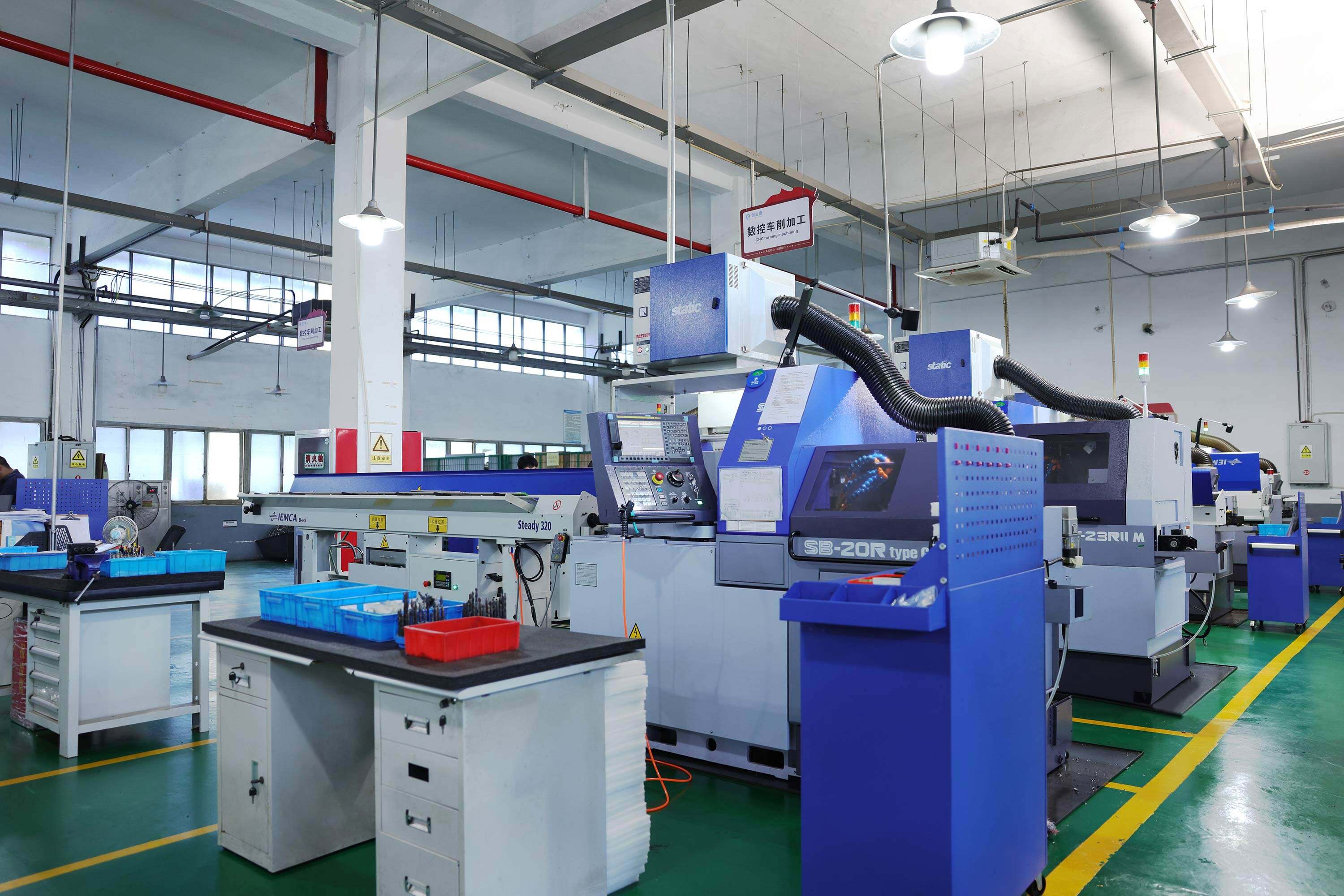
Selecting an orthopedic original equipment manufacturer (OEM) partner represents one of the most critical decisions for medical device companies, implant designers, and healthcare organizations. The success of orthopedic products—whether joint replacements, spinal implants, trauma fixation devices, or surgical instruments—depends fundamentally on the precision manufacturing capabilities of your chosen partner. These capabilities directly influence product quality, regulatory compliance, patient safety outcomes, and long-term market competitiveness. Unlike general manufacturing partnerships, orthopedic device production demands extraordinary dimensional accuracy, material expertise, biocompatibility assurance, and traceability standards that meet stringent FDA and international medical device regulations.
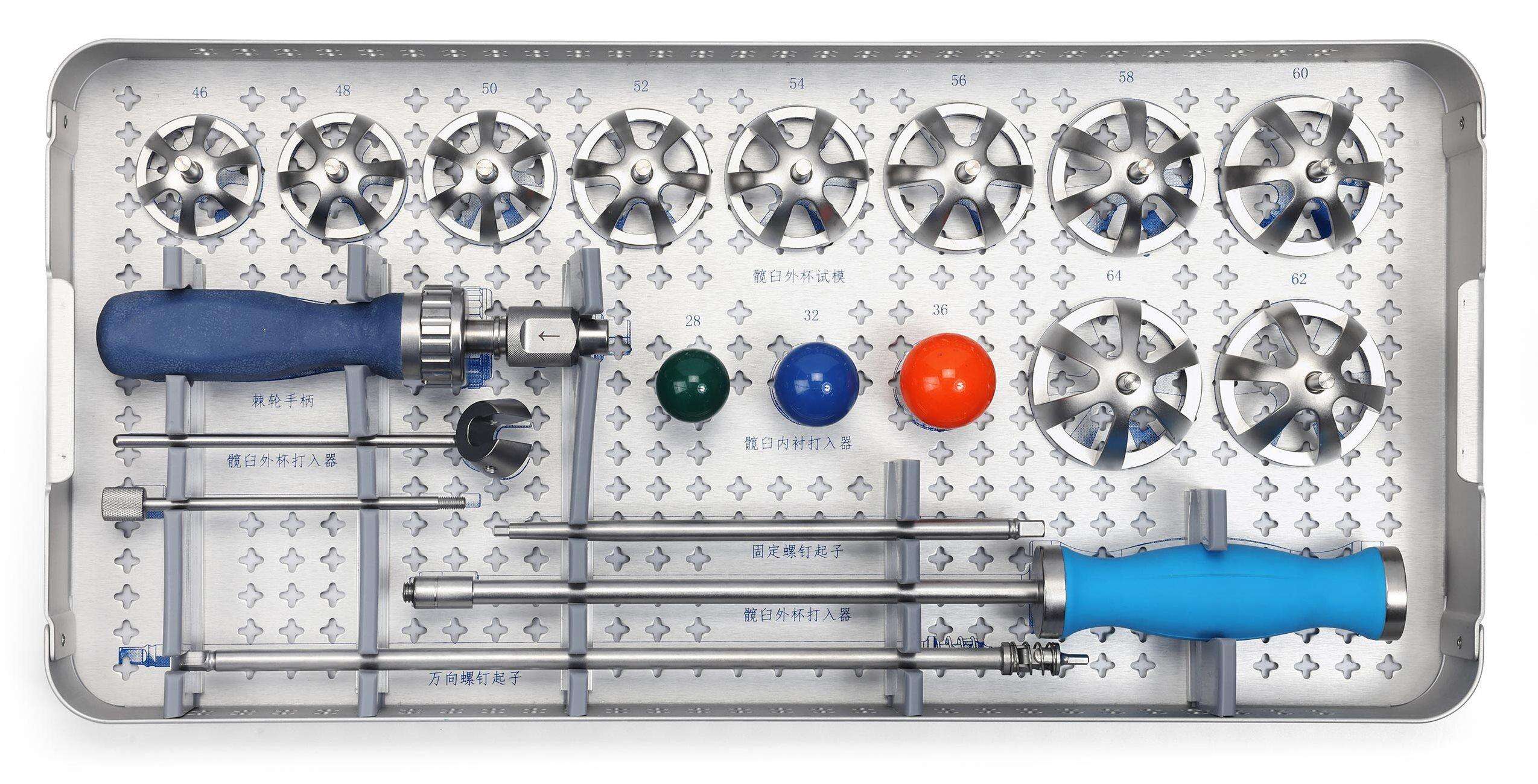
This article examines the eight essential precision manufacturing capabilities you must thoroughly evaluate before committing to an orthopedic OEM partnership. Each capability directly addresses specific technical, regulatory, and operational requirements unique to orthopedic device manufacturing. Understanding these capabilities empowers you to conduct informed due diligence, ask the right technical questions during facility audits, and ultimately select a manufacturing partner capable of translating your orthopedic designs into reliable, compliant, and commercially successful medical devices. The evaluation framework presented here draws from industry best practices, regulatory guidance documents, and practical requirements that distinguish adequate manufacturers from exceptional orthopedic manufacturing partners.
Advanced Multi-Axis CNC Machining and Micromachining Precision
Dimensional Tolerance Achievement in Orthopedic Components
The foundation of orthopedic device manufacturing rests on advanced multi-axis CNC machining capabilities that consistently achieve tolerances within microns. Orthopedic implants such as femoral stems, acetabular cups, tibial baseplates, and spinal pedicle screws require dimensional precision that directly affects osseointegration, biomechanical performance, and surgical fit. Your prospective OEM partner must demonstrate proven precision manufacturing capabilities using five-axis or higher CNC machining centers equipped with thermal compensation, real-time tool wear monitoring, and in-process measurement systems. These technologies ensure that complex geometries—including tapered surfaces, porous coating interfaces, and modular connection features—meet design specifications throughout production runs.
Evaluate the manufacturer's documented capability studies showing process capability indices (Cpk values) exceeding 1.67 for critical dimensions on representative orthopedic components. Request evidence of their micromachining proficiency for features such as locking mechanism threads with tolerances below ten microns, instrument cutting edges requiring sub-micron surface finish, and patient-specific implant features matching anatomical models within fifty-micron accuracy. The manufacturer should maintain calibrated coordinate measuring machines (CMMs) with measurement uncertainty ratios of at least ten-to-one relative to the tightest tolerances they claim to produce. Furthermore, their machine tool maintenance protocols, environmental controls for temperature and humidity stability, and operator training programs all contribute to sustained precision manufacturing capabilities over contract lifespans measured in years.
Material-Specific Machining Expertise for Orthopedic Alloys
Orthopedic devices utilize challenging materials including titanium alloys (Ti-6Al-4V, Ti-6Al-7Nb), cobalt-chromium alloys, stainless steel grades (316L, 17-4PH), and specialized materials like tantalum and PEEK polymers. Each material presents distinct machining challenges affecting tool selection, cutting parameters, coolant strategies, and surface integrity preservation. Your OEM partner must demonstrate material-specific precision manufacturing capabilities that prevent surface damage, maintain microstructural integrity, and avoid introducing residual stresses or work hardening that could compromise fatigue performance or biocompatibility. Ask to see their process development documentation showing optimized parameters for each material grade you intend to use.
Titanium machining, for instance, requires specific expertise due to the material's low thermal conductivity, chemical reactivity with cutting tools, and tendency toward chip welding. The manufacturer should employ appropriate tooling geometries, utilize high-pressure coolant delivery systems, and implement chip evacuation strategies that prevent recutting and surface contamination. Similarly, cobalt-chromium alloy machining demands recognition of work hardening behavior and appropriate depth-of-cut strategies. Request validation documentation showing that their machining processes do not introduce harmful surface alterations detectable through metallographic examination, X-ray diffraction stress analysis, or corrosion resistance testing. These material-specific precision manufacturing capabilities directly influence implant longevity and clinical performance in patient populations.
Comprehensive Surface Treatment and Finishing Technologies
Biocompatible Surface Preparation Methods
Surface characteristics profoundly influence orthopedic implant performance through mechanisms affecting osseointegration, wear resistance, corrosion behavior, and bacterial adhesion resistance. Your OEM partner must possess precision manufacturing capabilities encompassing multiple surface treatment technologies appropriate for different implant zones and functional requirements. These capabilities should include electropolishing for achieving biocompatible smooth surfaces on cobalt-chromium components, controlled grit blasting for titanium implant surfaces requiring specific roughness profiles that promote bone ingrowth, and specialized coating application methods for hydroxyapatite, titanium plasma spray, or porous tantalum structures.
Evaluate the manufacturer's surface characterization protocols using profilometry, scanning electron microscopy, and standardized roughness measurement techniques that quantify parameters such as Ra, Rz, and developed interfacial area ratio. They should demonstrate consistent achievement of target surface roughness specifications with documented statistical process control. For bearing surfaces in joint replacement components, the manufacturer must show capability for achieving ultra-smooth finishes below 0.05 microns Ra through sequential polishing or specialized finishing processes. Conversely, for bone-contacting surfaces requiring osseointegration promotion, they should control surface roughness in the range of 1-5 microns Ra with appropriate topographical features. These diverse precision manufacturing capabilities for surface engineering distinguish sophisticated orthopedic manufacturers from general machining shops.
Coating Application and Adhesion Validation
Many orthopedic implants require specialized coatings to enhance biological performance, wear resistance, or visibility under imaging modalities. Your manufacturing partner's precision manufacturing capabilities must extend to coating application technologies such as plasma spray processes for titanium or hydroxyapatite coatings, physical vapor deposition for titanium nitride wear-resistant layers, and controlled porosity coating application for cementless implant fixation surfaces. The manufacturer should maintain validated processes demonstrating consistent coating thickness control, uniform coverage over complex geometries, and reliable adhesion strength meeting ASTM F1147 standards for metallic coatings or ISO 13779 requirements for hydroxyapatite coatings.
Request documentation of their coating validation protocols including tensile adhesion testing, shear strength evaluation, thermal cycling stability assessment, and accelerated aging studies that predict long-term coating integrity under physiological conditions. The manufacturer should implement in-process monitoring during coating application to verify parameter stability and conduct lot-release testing using destructive and non-destructive methods. Their precision manufacturing capabilities should include the ability to selectively mask implant areas where coatings are not desired, such as modular taper connections or articulating surfaces, while ensuring complete coverage of designated bone-contacting zones. This selective coating capability requires sophisticated fixturing, masking design, and process control that reflect advanced manufacturing maturity specific to orthopedic applications.
Quality Management Systems Aligned with Medical Device Standards
ISO 13485 and FDA QSR Compliance Infrastructure
Regulatory compliance represents a non-negotiable dimension of precision manufacturing capabilities for orthopedic OEM partners. The manufacturer must operate under a fully implemented quality management system conforming to ISO 13485 medical device standards and FDA Quality System Regulation (21 CFR Part 820) requirements. Beyond certification status, evaluate the maturity and effectiveness of their quality system through examination of their design control procedures, process validation protocols, supplier qualification practices, corrective and preventive action (CAPA) effectiveness metrics, and complaint handling systems. Request evidence of successful regulatory audits including FDA inspection results showing no Form 483 observations related to manufacturing controls or quality system deficiencies.
The manufacturer's precision manufacturing capabilities must be supported by robust document control systems, validated computer systems for production equipment and quality data management, and comprehensive training programs ensuring operator competency for all critical processes. Examine their change control procedures to understand how manufacturing process modifications are evaluated for impact on product quality and regulatory status. Their quality system should demonstrate clear linkages between design inputs, process parameters, in-process controls, and final product acceptance criteria, creating full traceability from raw material receipt through finished device release. This systems-level precision manufacturing capability ensures that excellent machining or finishing processes translate into consistently compliant products rather than sporadic quality achievements.
Statistical Process Control and Continuous Improvement
Advanced precision manufacturing capabilities extend beyond achieving specifications to demonstrating sustained process control and continuous improvement methodologies. Your OEM partner should implement statistical process control (SPC) programs monitoring critical parameters in real-time, with established control limits, capability indices, and response protocols for out-of-control conditions. Request examples of their SPC charts for processes relevant to your product, showing sustained capability over extended production periods. The manufacturer should also demonstrate active use of measurement system analysis to validate the adequacy of their inspection and testing methods, ensuring that measurement variation represents a minimal component of total observed variation.
Evaluate their continuous improvement culture through examination of completed improvement projects addressing process capability enhancement, cycle time reduction, or defect elimination. Manufacturers with mature precision manufacturing capabilities typically employ structured problem-solving methodologies such as Six Sigma DMAIC, Lean manufacturing principles, or failure mode and effects analysis (FMEA) to systematically enhance process robustness. They should present evidence of cross-functional improvement teams, data-driven decision making, and documented capability improvements over time. This continuous improvement orientation indicates an organization that will actively partner with you to optimize manufacturing processes for your specific orthopedic devices rather than simply executing fixed procedures without adaptation or enhancement throughout your partnership.
Material Traceability and Supply Chain Control
Raw Material Qualification and Certification Management
Orthopedic implants demand exceptional material traceability extending from raw material source through finished device serialization. Your manufacturing partner's precision manufacturing capabilities must include rigorous material qualification processes ensuring that all metals, polymers, and auxiliary materials meet medical device grade specifications with complete documentation. The manufacturer should maintain approved supplier lists with documented qualification evidence including material certifications, biocompatibility test results conforming to ISO 10993 standards, and validation of material property consistency across supply lots.
Examine their incoming material inspection protocols verifying chemical composition, mechanical properties, and absence of prohibited elements or contaminants that could compromise biocompatibility or corrosion resistance. The manufacturer should implement material segregation practices preventing cross-contamination between medical-grade and non-medical materials, with clear identification systems extending from raw material storage through work-in-process and finished goods inventory. Request examples of their material certification packages demonstrating full traceability linking finished implant serial numbers back to specific raw material heat lots, supplier certifications, and receiving inspection results. These precision manufacturing capabilities for material control provide the foundation for regulatory compliance, post-market surveillance, and potential field action management should material-related issues ever emerge.
Component-Level Serialization and Tracking Systems
Modern orthopedic device regulations increasingly mandate unique device identification (UDI) and serialization enabling individual implant traceability from manufacturing through patient implantation. Your OEM partner must demonstrate precision manufacturing capabilities incorporating automated marking technologies such as laser etching, dot peening, or ink-jet printing that apply permanent, biocompatible identification marks without compromising component integrity or surface characteristics. These marking systems should integrate with manufacturing execution systems capturing process history, inspection results, and operator identification for each serialized component.
Evaluate their data management infrastructure supporting full genealogy reconstruction, linking each finished device serial number to specific manufacturing parameters including machine tool identification, process date and time, operator credentials, raw material lot numbers, inspection measurement data, and any rework or special handling events. The manufacturer should demonstrate capability to respond to hypothetical recall scenarios by quickly identifying all affected devices, their distribution history, and associated manufacturing records. This comprehensive traceability infrastructure represents sophisticated precision manufacturing capabilities that transcend basic machining proficiency, reflecting organizational maturity essential for long-term orthopedic device manufacturing partnerships operating under intensifying regulatory scrutiny and liability considerations.
Cleanroom Environment and Contamination Control
Controlled Environment Classification and Monitoring
While orthopedic implants undergo terminal sterilization, manufacturing in controlled environments significantly reduces particulate and microbial contamination risks affecting product quality and sterilization effectiveness. Your manufacturing partner's precision manufacturing capabilities should include appropriate cleanroom classifications for critical manufacturing operations, particularly final assembly, inspection, and packaging processes. ISO Class 7 or 8 cleanroom environments typically provide adequate control for orthopedic device manufacturing, with more stringent classifications warranted for particularly contamination-sensitive processes or products with complex internal geometries where particle entrapment could occur.
Examine the manufacturer's environmental monitoring programs including continuous particle counting, viable microbial sampling through air and surface testing, temperature and humidity control documentation, and differential pressure maintenance between adjacent manufacturing zones. The manufacturer should demonstrate environmental qualification studies establishing appropriate classification levels for different manufacturing areas and ongoing monitoring programs with established alert and action limits triggering investigation and correction. Their precision manufacturing capabilities should extend to gowning protocols, material transfer procedures, equipment cleaning validation, and personnel training ensuring that cleanroom disciplines are consistently maintained. Request documentation of environmental excursions and subsequent investigations, evaluating the rigor of their root cause analysis and effectiveness of corrective actions implemented.
Cleaning Validation and Residue Control
Orthopedic implants must be free from manufacturing residues including machining fluids, cleaning agents, polishing compounds, and handling contamination that could elicit adverse biological responses or interfere with sterilization processes. Your OEM partner must demonstrate validated cleaning processes with documented effectiveness removing all process residues to levels below established acceptance criteria. These precision manufacturing capabilities require analytical method development using techniques such as total organic carbon analysis, ion chromatography, or surface extraction methods quantifying residual contamination levels.
Evaluate their cleaning validation protocols addressing worst-case scenarios including complex geometries, longest process hold times before cleaning, and most difficult-to-clean material and residue combinations. The manufacturer should establish scientifically justified cleanliness acceptance criteria based on toxicological assessment or biocompatibility testing demonstrating that residual contamination levels pose no patient risk. Their ongoing cleaning process monitoring should include periodic revalidation, change control for cleaning chemistry or equipment modifications, and routine verification testing confirming sustained cleaning effectiveness. These comprehensive precision manufacturing capabilities for contamination control distinguish manufacturers capable of consistently producing implantable-grade orthopedic devices from those whose quality systems focus primarily on dimensional conformance without adequate attention to cleanliness critical for patient safety.
Advanced Metrology and Non-Destructive Testing Capabilities
Dimensional Inspection Technologies and Measurement Uncertainty
Sophisticated dimensional inspection represents a cornerstone of precision manufacturing capabilities for orthopedic devices with complex three-dimensional geometries and tight tolerance specifications. Your manufacturing partner should maintain advanced metrology equipment including coordinate measuring machines with probe configurations suitable for orthopedic component geometries, optical scanners for rapid full-surface digitization and comparison against CAD models, and specialized measurement systems for specific features such as thread gauges, surface roughness testers, and contour measuring instruments. The manufacturer should demonstrate metrological competency through accredited calibration programs, documented measurement uncertainty analyses, and gauge repeatability and reproducibility studies validating the adequacy of their measurement systems.
Request examples of inspection plans for representative orthopedic components showing sampling strategies, critical dimension identification, measurement frequencies, and acceptance criteria with appropriate consideration for measurement uncertainty. The manufacturer's precision manufacturing capabilities should include capability for first article inspection providing comprehensive dimensional reports documenting conformance to all drawing specifications, with professional presentation suitable for regulatory submission as part of design validation documentation. Their inspection data management systems should enable statistical analysis of dimensional trends, correlation analysis between related features, and early detection of process drift before nonconforming products are produced. This integration of advanced metrology with manufacturing process control represents sophisticated precision manufacturing capabilities that provide both quality assurance and continuous process improvement insights.
Non-Destructive Testing Methods for Internal Quality Verification
Beyond surface inspection, orthopedic devices often require verification of internal quality characteristics not evident through visual or dimensional inspection. Your OEM partner's precision manufacturing capabilities should encompass appropriate non-destructive testing (NDT) technologies including radiographic inspection for internal porosity or inclusion detection in cast or additive manufactured components, ultrasonic testing for material homogeneity verification, penetrant or magnetic particle inspection for surface-breaking defect detection, and computed tomography scanning for complete three-dimensional internal structure evaluation when warranted by component criticality or complexity.
Evaluate the manufacturer's NDT personnel qualifications, ensuring technicians hold appropriate certifications such as ASNT Level II or III credentials for relevant testing methods. Their NDT procedures should reference applicable standards such as ASTM E1742 for radiographic inspection or ASTM E2033 for resonant frequency analysis, with documented validation demonstrating detection capability for defect sizes and types relevant to your product specifications. The manufacturer should maintain calibrated reference standards, implement acceptance criteria based on fitness-for-use engineering analysis, and document all inspection results in permanent quality records. These comprehensive precision manufacturing capabilities for internal quality verification provide confidence that finished orthopedic devices are free from hidden defects that could compromise mechanical performance or clinical outcomes despite appearing dimensionally conformant through external inspection alone.
Sterilization Validation and Bioburden Control
Sterilization Process Development and Validation Expertise
While some orthopedic OEM partnerships involve manufacturing non-sterile components for customer sterilization, many scenarios require delivery of sterile-packaged finished devices. Your manufacturing partner's precision manufacturing capabilities should extend to sterilization process development, validation, and routine monitoring conforming to recognized standards including ISO 11135 for ethylene oxide sterilization, ISO 11137 for radiation sterilization, or ISO 17665 for steam sterilization. The manufacturer should demonstrate capability to develop sterilization cycles appropriate for your device materials and packaging configurations, considering material compatibility, dimensional stability, and maintenance of mechanical properties throughout sterilization exposure.
Examine their sterilization validation documentation including installation qualification, operational qualification, and performance qualification studies demonstrating sterility assurance levels meeting regulatory requirements, typically 10^-6 probability of non-sterile unit. The manufacturer should maintain validated bioburden testing methods establishing pre-sterilization microbial levels, conduct biological indicator testing confirming sterilization effectiveness, and implement routine parametric release programs when applicable. Their precision manufacturing capabilities should include understanding of sterilization's impact on device performance characteristics, with validation studies demonstrating that sterilized devices maintain full conformance to specifications including mechanical strength, dimensional stability, and surface characteristics. Request evidence of their sterilization troubleshooting expertise through examples of resolved validation challenges or process optimization projects balancing sterility assurance with device performance preservation.
Bioburden Reduction and Pre-Sterilization Control
Effective sterilization relies fundamentally on controlling bioburden levels prior to sterilization exposure, as excessive microbial loads compromise sterilization effectiveness and may indicate inadequate manufacturing controls. Your OEM partner must demonstrate precision manufacturing capabilities for bioburden minimization through controlled manufacturing environments, validated cleaning processes, and controlled storage conditions limiting microbial proliferation. The manufacturer should implement routine bioburden monitoring programs with established action levels triggering investigation when microbial counts exceed expected ranges, even if below maximum allowable limits for sterilization.
Evaluate their bioburden testing methods validated according to ISO 11737 standards, ensuring appropriate sample extraction techniques, neutralization of antimicrobial residues, and culture conditions supporting growth of relevant microorganisms. The manufacturer should demonstrate understanding of bioburden trends over time, correlating variations with manufacturing process changes, environmental conditions, or material sources. Their precision manufacturing capabilities should include capability to investigate bioburden excursions through environmental monitoring intensification, water system testing, and raw material bioburden assessment identifying contamination sources. This proactive bioburden management approach reflects manufacturing maturity essential for sustainable sterilization process performance and represents sophisticated precision manufacturing capabilities distinguishing experienced medical device manufacturers from those treating sterilization as merely a final processing step rather than an integrated quality system element.
Capacity Planning and Scalability Infrastructure
Production Volume Capacity and Throughput Analysis
Successful orthopedic device commercialization requires manufacturing partners with precision manufacturing capabilities scaled appropriately to your anticipated volume trajectory from clinical trial quantities through full commercial production. Evaluate the manufacturer's current capacity utilization across relevant process operations, their installed equipment base enabling parallel production capacity, and their demonstrated history managing volume increases for existing customers. Request capacity analysis documentation showing available machine hours, shift utilization patterns, and realistic throughput calculations considering cycle times, setup requirements, and quality control sampling for operations critical to your product manufacturing.
The manufacturer should present credible capacity expansion plans addressing potential volume growth scenarios, including lead times for equipment procurement, facility expansion timelines if required, and workforce scaling strategies. Their precision manufacturing capabilities should include production planning systems enabling accurate delivery commitments, inventory management protocols balancing responsiveness with cost efficiency, and flexibility accommodating demand variability inherent in orthopedic device markets influenced by seasonal patterns and surgeon preference dynamics. Examine their track record fulfilling delivery commitments for existing customers, investigating any significant backorder or delay incidents to understand root causes and implemented improvements. Manufacturing partners with mature capacity planning demonstrate precision manufacturing capabilities extending beyond technical proficiency to operational excellence essential for reliable supply chain performance supporting your commercial success.
Technology Advancement and Future-Readiness
Orthopedic device technology continually evolves with emerging materials, advanced geometries enabled by additive manufacturing, patient-specific customization, and integration of digital technologies throughout the manufacturing value chain. Your OEM partner's precision manufacturing capabilities should include demonstrated commitment to technology advancement through capital investment patterns, research and development activities, and adoption of Industry 4.0 principles including manufacturing data analytics, automated process control, and digital twin technologies. Evaluate their current initiatives in areas such as additive manufacturing for porous structures or patient-matched implants, robotic automation for repetitive operations improving consistency, and artificial intelligence applications for predictive quality control or maintenance optimization.
Request information about their technology roadmap and investment plans over your anticipated partnership duration, assessing alignment with your own product development directions. Manufacturers demonstrating forward-looking precision manufacturing capabilities through technology adoption provide strategic partnership value beyond current production competency, positioning your organization to leverage manufacturing innovation as competitive advantage. Their participation in industry organizations, collaboration with academic research institutions, and publication or presentation activities at technical conferences indicate engagement with broader orthopedic manufacturing community and access to emerging best practices. This future-orientation in precision manufacturing capabilities represents the distinction between transactional supplier relationships and strategic manufacturing partnerships capable of supporting your organization's long-term competitive success in dynamic orthopedic device markets.
FAQ
What defines adequate precision manufacturing capabilities specifically for orthopedic devices versus general medical device manufacturing?
Orthopedic device manufacturing demands exceptionally tight dimensional tolerances typically in the range of microns rather than the broader tolerances acceptable for many other medical devices, due to the mechanical loading environment, articulating surface requirements, and modular interface specifications inherent in orthopedic implants. Additionally, orthopedic-specific precision manufacturing capabilities require expertise with challenging metallic biomaterials including titanium and cobalt-chromium alloys that present distinct machining difficulties. Surface finish control is uniquely critical for orthopedic applications, requiring manufacturers to achieve both ultra-smooth bearing surfaces for wear resistance and controlled roughness profiles for osseointegration promotion on different zones of the same component. Finally, the long-term implantation duration for orthopedic devices necessitates manufacturing process controls ensuring fatigue resistance and corrosion resistance that exceed requirements for shorter-term implantable devices or external medical equipment.
How can I effectively verify a manufacturer's claimed precision manufacturing capabilities during the partner selection process?
Effective verification requires conducting comprehensive on-site facility audits where you directly observe manufacturing operations, inspect equipment condition and calibration status, review actual production travelers and quality records from recent production lots, and interview operators and quality personnel to assess competency and organizational culture. Request capability studies demonstrating statistical process control for dimensions and characteristics critical to your specific product, examining Cpk values, control charts showing sustained performance over time, and evidence of successful troubleshooting when processes deviated from control. Insist on reviewing actual FDA inspection results including any Form 483 observations and subsequent corrective actions, customer complaint trends and CAPA effectiveness metrics, and examples of validation protocols for processes similar to those your product will require. Additionally, contact references from current customers manufacturing similar orthopedic devices to gather candid feedback regarding quality performance, delivery reliability, communication effectiveness, and problem-solving responsiveness that reveal precision manufacturing capabilities in practice rather than merely documented procedures.
What role does precision manufacturing capabilities assessment play in mitigating product liability and regulatory compliance risks?
Thorough assessment of precision manufacturing capabilities directly reduces product liability exposure by ensuring your manufacturing partner possesses technical proficiency, quality system maturity, and operational controls necessary to consistently produce orthopedic devices meeting all specifications and regulatory requirements. Manufacturing defects represent significant liability risk in orthopedic devices due to the potential for catastrophic implant failure, revision surgery necessity, and patient harm, making manufacturing partner selection a critical risk management decision beyond cost considerations. From regulatory compliance perspective, the FDA and international regulatory bodies increasingly scrutinize manufacturing controls through supply chain inspection programs, making your organization potentially liable for deficiencies in contract manufacturer facilities even if you do not directly operate those facilities. Comprehensive precision manufacturing capabilities vetting provides documented evidence of appropriate due diligence should regulatory questions or legal challenges arise, demonstrating that you employed reasonable care in manufacturer selection and oversight. Furthermore, manufacturing partners with mature quality systems and precision manufacturing capabilities reduce the probability of field actions, recalls, or warning letters that damage brand reputation and market competitiveness beyond immediate financial costs.
Should different orthopedic device categories require different prioritization of the eight precision manufacturing capabilities outlined?
Yes, different orthopedic device types warrant adjusted emphasis across the eight capability categories based on specific technical and regulatory requirements. For large joint replacement systems with articulating bearing surfaces, dimensional precision and surface finishing capabilities assume paramount importance due to wear performance criticality, while trauma fixation devices may prioritize material expertise and mechanical testing capabilities ensuring fatigue resistance under cyclic loading. Patient-specific implants manufactured from preoperative imaging require particular emphasis on advanced metrology capabilities including optical scanning and deviation analysis relative to digital planning files, plus manufacturing execution systems enabling individual device traceability. Porous coated or surface-modified implants demand especially rigorous surface treatment and characterization capabilities with validated coating processes meeting adhesion and morphology specifications. Disposable surgical instruments present different priorities emphasizing cost-effective manufacturing scalability and sterilization capabilities over some precision requirements applicable to permanent implants. Therefore, while all eight precision manufacturing capabilities remain relevant for comprehensive partner evaluation, your specific product portfolio should guide which capabilities receive deepest technical assessment during due diligence, facility audits, and ongoing supplier performance monitoring throughout your manufacturing partnership.
Table of Contents
- Advanced Multi-Axis CNC Machining and Micromachining Precision
- Comprehensive Surface Treatment and Finishing Technologies
- Quality Management Systems Aligned with Medical Device Standards
- Material Traceability and Supply Chain Control
- Cleanroom Environment and Contamination Control
- Advanced Metrology and Non-Destructive Testing Capabilities
- Sterilization Validation and Bioburden Control
- Capacity Planning and Scalability Infrastructure
-
FAQ
- What defines adequate precision manufacturing capabilities specifically for orthopedic devices versus general medical device manufacturing?
- How can I effectively verify a manufacturer's claimed precision manufacturing capabilities during the partner selection process?
- What role does precision manufacturing capabilities assessment play in mitigating product liability and regulatory compliance risks?
- Should different orthopedic device categories require different prioritization of the eight precision manufacturing capabilities outlined?