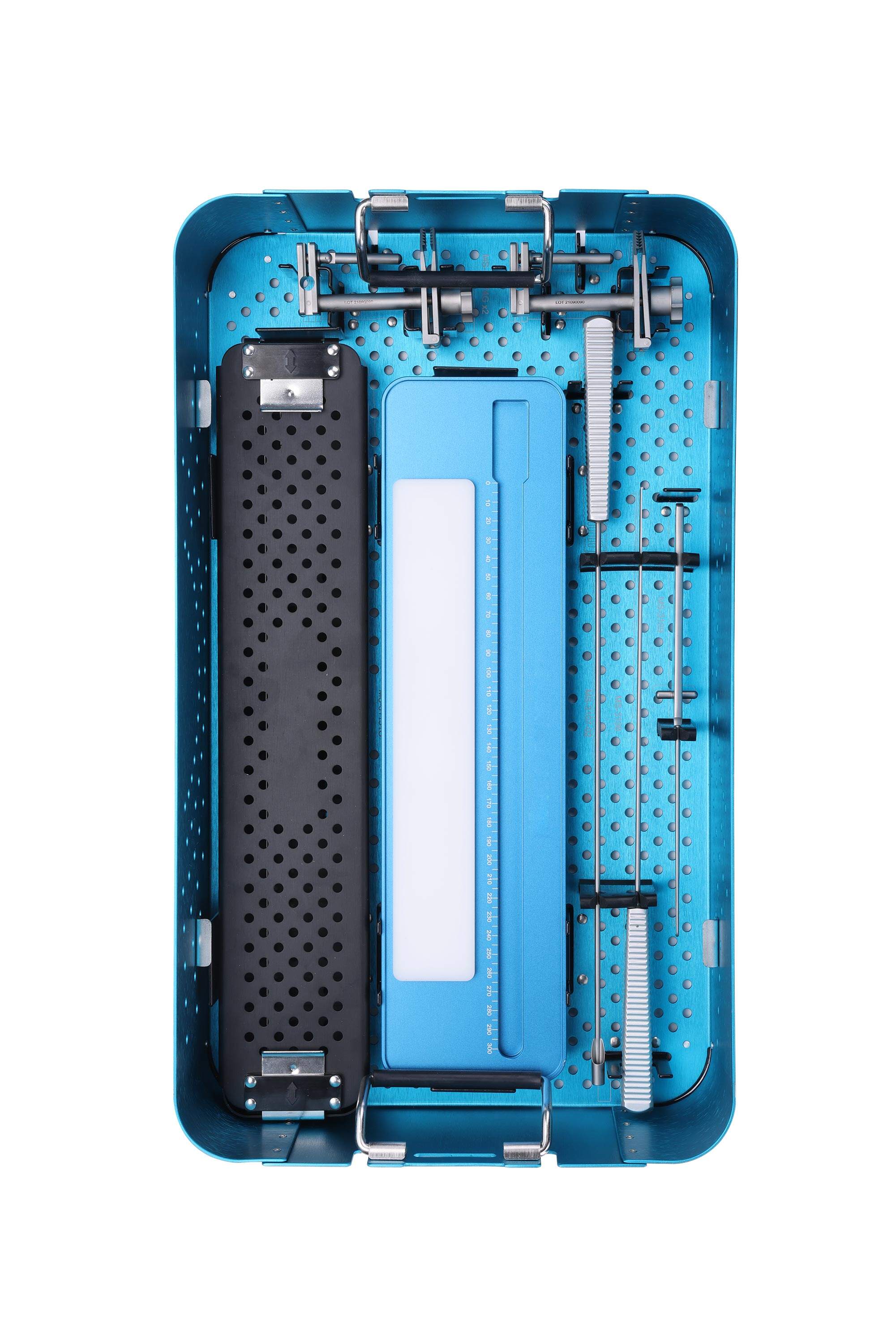
The orthopedic device manufacturing sector represents one of the most demanding segments in medical technology, where precision manufacturing challenges directly impact patient outcomes and regulatory compliance. Original equipment manufacturers specializing in orthopedic device OEM production face increasingly complex requirements as implant designs become more sophisticated and regulatory standards tighten worldwide. These manufacturers must navigate intricate geometries, biocompatible material specifications, and tolerance requirements measured in microns while maintaining cost-effectiveness and production scalability. Understanding the most critical precision manufacturing challenges enables orthopedic device OEM partners to implement proactive solutions that ensure consistent quality, regulatory adherence, and competitive advantage in this highly specialized market.
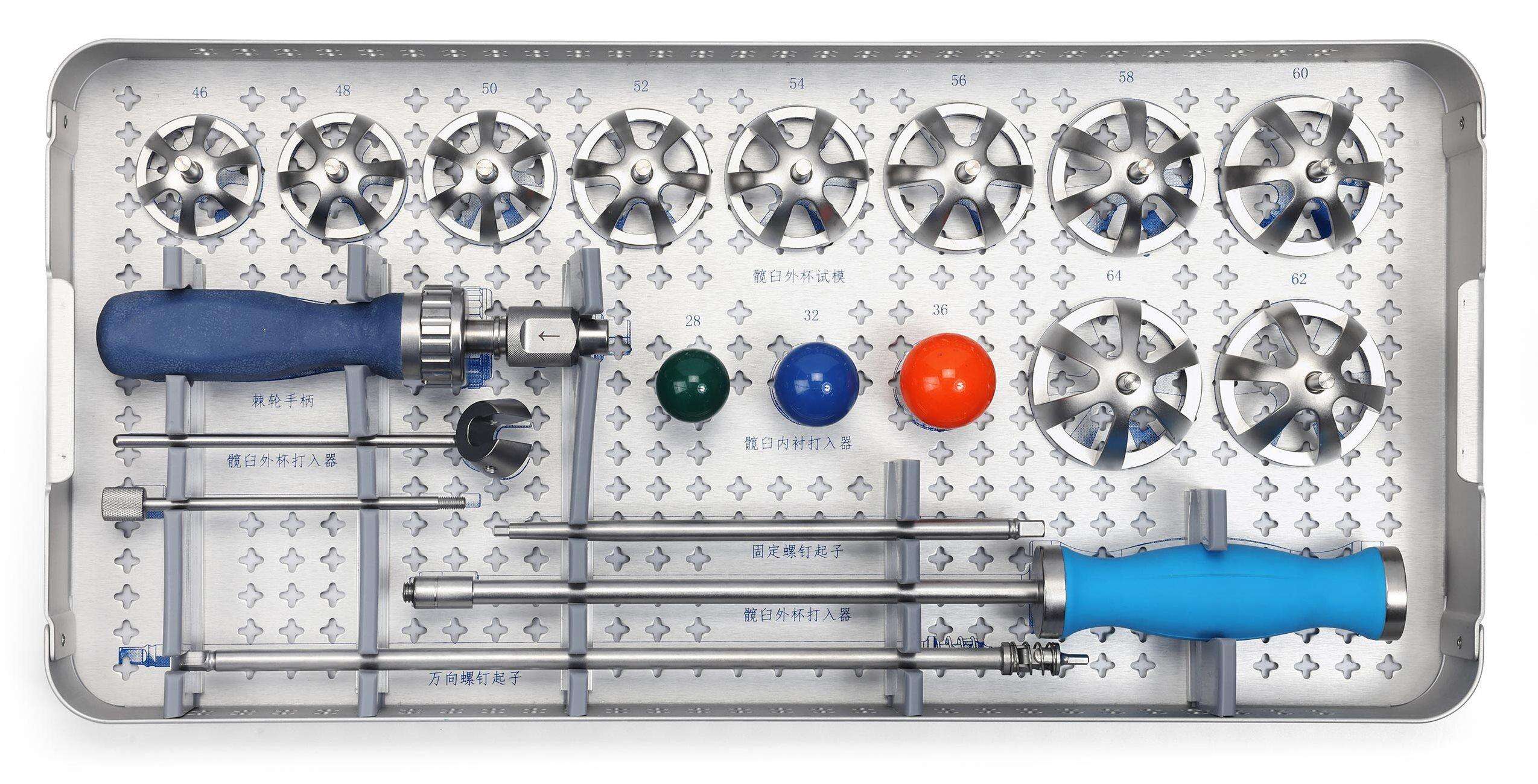
Manufacturing precision orthopedic components demands specialized capabilities that extend far beyond conventional machining expertise. The challenges facing orthopedic device OEM facilities stem from the intersection of advanced material science, stringent biocompatibility requirements, complex anatomical geometries, and zero-defect quality expectations. From acetabular cups and femoral stems to surgical instrument sets, each component must meet exacting dimensional specifications while withstanding the biomechanical forces of human movement over decades of implantation. This article examines the five most significant precision manufacturing challenges confronting orthopedic device OEM operations today and presents practical, implementable strategies to overcome them through process optimization, technology integration, and quality management enhancement.
Challenge One: Achieving Micron-Level Dimensional Accuracy Across Complex Geometries
The Critical Nature of Dimensional Precision in Orthopedic Implants
Dimensional accuracy represents the foundational challenge in orthopedic device OEM manufacturing, where deviations measured in microns can compromise implant stability, bone integration, and long-term clinical performance. Hip and knee replacement components require interface tolerances between mating surfaces that typically fall within 10 to 25 microns to ensure proper load distribution and minimize wear particle generation. Acetabular cup inner diameter tolerances must match femoral head specifications precisely to achieve optimal fluid film lubrication while preventing impingement or excessive clearance that accelerates polyethylene wear. Similarly, modular taper junctions connecting femoral heads to stems demand surface finish specifications below 0.4 micrometers Ra and angular tolerances within 0.1 degrees to prevent fretting corrosion and mechanical failure. These demanding specifications require orthopedic device OEM facilities to maintain process capabilities far exceeding those of general precision manufacturing operations.
The complexity intensifies when manufacturing anatomically contoured surfaces that replicate natural joint geometry. Porous coated regions on implant surfaces, designed to encourage bone ingrowth, must maintain precise base geometry while accommodating coating thickness variations. Threaded acetabular shells require thread form accuracy that ensures consistent pullout strength without compromising surrounding bone structure during insertion. Multi-radius articulating surfaces on femoral components demand continuous curvature control throughout the manufacturing process to prevent stress concentration points that could initiate fatigue cracks. Each geometric feature interacts with adjacent surfaces, creating cumulative tolerance stack-ups that orthopedic device OEM manufacturers must manage through careful process sequencing and measurement strategies.
Overcoming Dimensional Challenges Through Advanced Process Control
Successful orthopedic device OEM operations implement multi-layered dimensional control strategies beginning with machine tool thermal management. Temperature variations as small as one degree Celsius can cause dimensional shifts exceeding tolerance limits in precision machining operations. Leading manufacturers install environmental controls maintaining workspace temperatures within plus or minus 0.5 degrees while implementing machine preheating protocols and real-time thermal compensation systems. Coordinate measuring machines require similar environmental stability, with dedicated temperature-controlled metrology rooms isolated from production floor variations. These investments in thermal stability deliver measurable improvements in process capability indices, often elevating Cpk values from 1.33 to above 2.0 for critical dimensions.
Advanced measurement technologies enable orthopedic device OEM facilities to detect dimensional deviations before they propagate through production batches. In-process gauging systems integrated directly into CNC machining centers provide real-time feedback on critical dimensions, triggering automatic tool offset adjustments when measurements approach specification limits. Non-contact optical measurement systems capture complete surface geometries in minutes, comparing actual manufactured surfaces against nominal CAD models with resolution below five microns. Statistical process control software analyzes measurement data streams to identify trending conditions before they result in nonconforming parts. This combination of environmental control, advanced measurement, and predictive analytics transforms dimensional accuracy from a reactive inspection function into a proactive manufacturing capability that prevents defects rather than detecting them after occurrence.
Challenge Two: Managing Material Properties and Machinability Variations
The Unique Demands of Biocompatible Alloy Processing
Material selection and processing represent persistent challenges for orthopedic device OEM manufacturers working with titanium alloys, cobalt-chromium alloys, and advanced stainless steel formulations. Titanium Ti-6Al-4V ELI, the most common orthopedic implant alloy, exhibits low thermal conductivity that concentrates heat at cutting edges, accelerating tool wear and creating potential for microstructural alterations in the finished component. The hexagonal close-packed crystal structure of titanium generates high cutting forces and work hardening tendencies that complicate chip formation and surface finish achievement. Cobalt-chromium-molybdenum alloys present even greater machining difficulties with hardness values approaching 35 HRC in the solution-treated condition and abrasive carbide phases that rapidly degrade cutting tool edges. These material characteristics demand specialized machining strategies that balance productivity requirements against quality imperatives specific to orthopedic device OEM applications.
Material property variations between production lots introduce additional complexity into precision manufacturing operations. Chemical composition variations within specification ranges can produce measurable differences in machinability, requiring orthopedic device OEM facilities to adjust cutting parameters between material batches. Grain size distributions affect surface finish achievability and fatigue strength, particularly in regions subjected to cyclic loading during implant service life. Residual stress states inherited from forging or bar stock production influence dimensional stability during machining operations, sometimes causing springback or distortion after material removal. Successful manufacturers implement incoming material qualification protocols that characterize mechanical properties, microstructure, and machinability indicators before releasing materials for production, enabling proactive process adjustments rather than reactive troubleshooting.
Implementing Material-Specific Manufacturing Strategies
Progressive orthopedic device OEM operations develop material-specific process libraries that codify optimal machining parameters, tooling configurations, and quality control strategies for each alloy system. For titanium components, this includes using sharp positive rake angle geometries that minimize cutting forces, maintaining cutting speeds between 60 and 120 surface feet per minute to manage heat generation, and employing high-pressure coolant delivery to evacuate chips and prevent work hardening. Carbide tool grades incorporating aluminum oxide coatings extend tool life by reducing chemical interaction between titanium and cutting edges. Interrupted cutting operations receive special attention, with entry and exit strategies designed to prevent edge chipping that creates out-of-tolerance conditions.
Cobalt-chromium machining in orthopedic device OEM facilities benefits from ceramic cutting tools and cubic boron nitride inserts that withstand abrasive wear mechanisms while maintaining edge sharpness at elevated cutting temperatures. Reduced cutting speeds between 40 and 80 surface feet per minute combined with increased feed rates generate favorable chip formation while minimizing heat accumulation in the workpiece. Post-machining stress relief treatments prevent delayed distortion in complex geometries, particularly important for thin-walled acetabular shells and slender instrument components. Material traceability systems track alloy heat numbers through manufacturing operations, linking material certificates to finished device serialization and enabling rapid investigation if field performance issues emerge. This comprehensive approach to material management transforms raw material variability from a source of manufacturing uncertainty into a controlled variable that supports consistent precision production.
Challenge Three: Surface Finish Requirements and Biocompatibility Considerations
The Clinical Importance of Controlled Surface Characteristics
Surface finish specifications in orthopedic device OEM manufacturing directly influence both immediate surgical performance and long-term implant success. Articulating surfaces in hip and knee replacements require mirror-like finishes below 0.05 micrometers Ra to minimize friction coefficients and resist adhesive wear mechanisms that generate particulate debris. Conversely, bone-contacting surfaces often demand controlled roughness profiles between 3 and 5 micrometers Ra to promote osseointegration without creating stress concentration features that compromise fatigue strength. Surgical instrument working surfaces need intermediate finish specifications that balance tactile feedback for surgeons against cleaning validation requirements that prevent tissue adhesion and facilitate sterilization. Each surface function dictates specific finish characteristics that orthopedic device OEM facilities must reliably reproduce across production volumes while maintaining dimensional accuracy and avoiding subsurface damage.
Surface integrity extends beyond roughness measurement to encompass subsurface metallurgical conditions that affect implant longevity. Machining-induced plastic deformation can create work-hardened surface layers with residual tensile stresses that reduce fatigue resistance in cyclically loaded components. White layer formation during grinding operations introduces brittle, untempered microstructures susceptible to crack initiation. Surface contamination from cutting fluids, handling, or cleaning processes can interfere with subsequent coating adhesion or create biocompatibility concerns if residues remain on finished devices. Orthopedic device OEM manufacturers must therefore implement surface finishing strategies that simultaneously achieve roughness specifications, maintain favorable residual stress states, preserve base material microstructure, and ensure cleanliness suitable for medical device applications.
Achieving Consistent Surface Quality Through Process Optimization
Advanced orthopedic device OEM operations employ multi-stage finishing sequences tailored to specific surface requirements and material systems. Ultra-precision turning operations using polycrystalline diamond tools generate articulating surface finishes below 0.03 micrometers Ra in single setups, eliminating secondary grinding operations that risk dimensional errors and surface damage. For cobalt-chromium femoral heads, this approach reduces manufacturing cycle time by forty percent while improving surface finish consistency and reducing tool change frequency. Spherical grinding operations for larger diameter articulating surfaces incorporate in-process measurement and adaptive control systems that compensate for wheel wear and thermal effects, maintaining form accuracy within two microns across production batches.
Non-traditional finishing methods address surface requirements that challenge conventional abrasive processes. Electropolishing removes material uniformly from all exposed surfaces, reducing roughness while creating compressive residual stresses beneficial for fatigue resistance. This process particularly benefits complex surgical instrument geometries with internal passages and recessed features difficult to reach with mechanical finishing tools. Vibratory finishing and controlled shot peening operations impart desired roughness characteristics to bone-contacting surfaces while introducing compressive stress layers that enhance fatigue strength. Orthopedic device OEM facilities validate these processes through destructive testing protocols that verify subsurface integrity using metallographic cross-sections and X-ray diffraction stress analysis. Surface cleanliness validation employs total organic carbon analysis and contact angle measurements to ensure surfaces meet biocompatibility requirements before proceeding to final packaging and sterilization.
Challenge Four: Maintaining Process Validation and Regulatory Compliance
The Regulatory Landscape for Precision Orthopedic Manufacturing
Regulatory compliance represents a pervasive challenge threading through every aspect of orthopedic device OEM operations. Quality management system requirements under ISO 13485 and FDA 21 CFR Part 820 mandate documented process validation demonstrating that manufacturing operations consistently produce devices meeting predetermined specifications. For precision machining processes, this requires establishing process parameters, conducting installation qualification, operational qualification, and performance qualification studies, and maintaining ongoing process monitoring. Each critical process variable demands documented control limits, measurement methods, and corrective action protocols. Equipment qualification documentation must demonstrate that machine tools maintain positional accuracy, repeatability, and thermal stability within specifications affecting device quality. This documentation burden can overwhelm orthopedic device OEM facilities lacking robust quality systems, particularly when manufacturing multiple device families with distinct process requirements.
Design control requirements add complexity by mandating traceability between device specifications and manufacturing process parameters. Risk management activities must identify potential failure modes in manufacturing processes and demonstrate implementation of controls preventing defect occurrence. Design validation testing protocols verify that devices manufactured using validated processes meet performance requirements under simulated use conditions. For orthopedic implants, this includes mechanical testing under cyclic loading conditions, wear testing simulating years of joint articulation, and biocompatibility assessment ensuring material processing has not compromised biological safety. Orthopedic device OEM manufacturers must maintain document control systems linking design inputs, risk analyses, process validations, and verification test results while ensuring revisions to any element trigger appropriate impact assessments across this interconnected documentation network.
Building Sustainable Compliance Through Integrated Quality Systems
Leading orthopedic device OEM facilities implement quality management systems that integrate regulatory compliance into daily manufacturing operations rather than treating it as separate oversight activity. Electronic quality management software platforms provide centralized repositories for process validations, equipment qualifications, and change control documentation, automatically routing review tasks to appropriate personnel and maintaining complete audit trails. These systems link manufacturing process parameters to device master records, enabling rapid impact assessment when process changes or equipment upgrades occur. Statistical process control modules analyze real-time production data against validated control limits, triggering investigations when processes trend toward specification boundaries and preventing manufacture of nonconforming devices.
Risk-based validation strategies focus resources on process parameters demonstrating strongest correlation to device quality attributes. Advanced orthopedic device OEM operations conduct design of experiments studies identifying critical parameters requiring tight control versus those permitting wider operating windows without affecting device performance. This approach reduces unnecessary process monitoring while intensifying control over truly critical variables. Ongoing process verification protocols provide continuous confirmation that validated processes remain in statistical control, satisfying regulatory expectations for process monitoring while generating data supporting validation maintenance and continuous improvement initiatives. Supplier quality management extends these principles to raw material procurement, with approved vendor lists, incoming inspection protocols, and supplier audits ensuring material quality supports downstream manufacturing capability.
Challenge Five: Scaling Production While Preserving Precision
The Tension Between Volume and Accuracy
Production scalability presents unique challenges for orthopedic device OEM manufacturers who must balance increasing volume demands against uncompromising precision requirements. Unlike consumer products where minor quality variations remain acceptable, orthopedic implants maintain identical dimensional and surface finish specifications whether manufacturing ten devices or ten thousand annually. This eliminates traditional scaling strategies relying on relaxed tolerances or statistical acceptance of defect rates. Adding production capacity through equipment multiplication introduces machine-to-machine variation that must be characterized and controlled to prevent quality drift. Workforce expansion requires training programs ensuring new operators achieve proficiency levels matching experienced personnel. Supply chain scaling can introduce material sources with subtle property differences affecting machinability and dimensional stability during processing.
Process variability typically increases with production volume as equipment accumulates operating hours, tooling undergoes wear cycles, and environmental conditions fluctuate across shifts and seasons. Orthopedic device OEM facilities operating at higher throughput rates experience more frequent tool changes, creating opportunities for setup errors and dimensional shifts if tool presetting and offset verification procedures lack rigor. Increased measurement workload can overwhelm inspection resources, creating pressure to reduce sampling frequency or bypass verification steps to maintain production schedules. Rush orders and schedule changes disrupt established production sequences, potentially bypassing stabilization periods after equipment maintenance or introducing process parameter adjustments that have not undergone validation. These scaling-induced stresses test the robustness of quality systems and process controls, often exposing weaknesses invisible during lower-volume operations.
Sustainable Scaling Through Automation and Process Robustness
Progressive orthopedic device OEM manufacturers achieve scalability through automation investments that eliminate human variability while increasing throughput. Robotic workpiece loading and unloading systems maintain consistent part orientation and clamping force across production runs, reducing setup variation that affects dimensional accuracy. Automated tool presetting equipment verifies cutting tool dimensions before installation, preventing offset errors that would otherwise produce dimensional nonconformances. Pallet pool systems and automated workpiece storage enable lights-out machining operations, multiplying effective capacity without proportional workforce increases. These automation investments deliver dual benefits of increased throughput and reduced process variability, supporting precision maintenance as production volumes scale.
Process robustness development focuses on widening operating windows around validated parameters, creating margin against variation sources that intensify with production volume. Robust process design identifies parameter combinations delivering acceptable device quality despite normal variation in material properties, tool wear conditions, and environmental factors. This might involve optimizing cutting tool geometries to extend useful life, selecting machine tool configurations with superior thermal stability, or implementing fixture designs that accommodate material stock variations without compromising dimensional control. Advanced orthopedic device OEM operations conduct accelerated life testing on manufacturing processes, simulating months of production operation to identify wear patterns and maintenance requirements before they impact device quality during actual production. This proactive approach to scaling ensures production capacity expansion proceeds in controlled increments supported by data demonstrating maintained process capability rather than reactive crisis management after quality issues emerge at higher volumes.
FAQ
What makes orthopedic device OEM manufacturing more challenging than other precision medical device production?
Orthopedic device OEM manufacturing combines uniquely demanding requirements including extremely tight tolerances measured in microns on complex three-dimensional geometries, difficult-to-machine biocompatible alloys with poor thermal conductivity and high work hardening tendencies, surfaces requiring both ultra-smooth articulating finishes and controlled roughness for bone integration within the same component, implantable product classifications demanding extensive process validation and regulatory documentation, and decades-long service life expectations requiring fatigue resistance and wear performance far exceeding most medical devices. Additionally, the load-bearing nature of orthopedic implants means manufacturing defects can result in catastrophic clinical failures rather than mere performance degradation, creating zero-defect quality expectations that stress manufacturing processes and quality systems.
How do orthopedic device OEM manufacturers verify that their precision manufacturing processes remain under control over time?
Comprehensive process monitoring programs combine real-time statistical process control with periodic requalification activities to confirm ongoing process capability. Real-time monitoring tracks critical parameters such as dimensional measurements, surface finish values, and equipment performance indicators against validated control limits, triggering investigations when processes trend toward specification boundaries. Periodic equipment qualification verifies that machine tools maintain positional accuracy, repeatability, and environmental stability. Annual or semi-annual process capability studies using production data demonstrate maintained statistical control and capability indices exceeding regulatory expectations. Some manufacturers implement ongoing process verification protocols analyzing routine inspection data to provide continuous confirmation of process performance without conducting separate validation studies, satisfying FDA guidance while reducing documentation burden associated with traditional periodic revalidation approaches.
What role does cutting tool technology play in overcoming orthopedic device OEM manufacturing challenges?
Advanced cutting tool technologies directly address material machinability challenges, dimensional accuracy requirements, and surface finish specifications central to orthopedic device OEM production. Polycrystalline diamond tools enable ultra-precision turning operations achieving submicron form accuracy and nanometer-scale surface finishes in titanium alloy components without secondary grinding operations. Ceramic and cubic boron nitride cutting tools withstand abrasive wear mechanisms in cobalt-chromium alloys while maintaining sharp cutting edges that produce consistent surface finish throughout tool life. Specialized coatings reduce chemical interaction between cutting edges and reactive titanium alloys, extending tool life while preventing workpiece contamination. Tool geometry innovations including variable helix end mills and high-positive rake angle inserts reduce cutting forces that can cause dimensional errors through workpiece deflection or vibration, particularly important when machining thin-walled acetabular components and surgical instrument shafts with high length-to-diameter ratios demanding rigidity during processing.
How can orthopedic device OEM facilities reduce manufacturing costs while maintaining precision quality standards?
Cost reduction in precision orthopedic manufacturing focuses on efficiency improvements and waste elimination rather than tolerance relaxation or quality compromise. Process optimization reduces cycle times through improved cutting strategies, better toolpath programming, and reduced non-productive time for loading and measurement operations. Predictive maintenance programs prevent unplanned downtime that disrupts production schedules and creates rush conditions increasing error risk. First-pass yield improvement eliminates scrap costs and rework labor through robust process design and enhanced process control. Automation investments reduce per-unit labor costs while improving consistency and enabling higher equipment utilization through extended operating hours. Strategic supplier partnerships for raw materials and cutting tools can reduce procurement costs through volume commitments while ensuring material quality supports downstream manufacturing efficiency. These approaches require upfront investment and systematic process improvement methodologies but deliver sustainable cost reduction without compromising the precision and quality expectations essential to orthopedic device OEM operations.
Table of Contents
- Challenge One: Achieving Micron-Level Dimensional Accuracy Across Complex Geometries
- Challenge Two: Managing Material Properties and Machinability Variations
- Challenge Three: Surface Finish Requirements and Biocompatibility Considerations
- Challenge Four: Maintaining Process Validation and Regulatory Compliance
- Challenge Five: Scaling Production While Preserving Precision
-
FAQ
- What makes orthopedic device OEM manufacturing more challenging than other precision medical device production?
- How do orthopedic device OEM manufacturers verify that their precision manufacturing processes remain under control over time?
- What role does cutting tool technology play in overcoming orthopedic device OEM manufacturing challenges?
- How can orthopedic device OEM facilities reduce manufacturing costs while maintaining precision quality standards?