The orthopedic medical device industry stands at a critical inflection point where traditional manufacturing paradigms are rapidly giving way to intelligent, precision-driven production systems. As global demand for joint replacements, trauma implants, and spinal devices continues to surge—projected to exceed $72 billion by 2028—original equipment manufacturers face mounting pressure to deliver devices that combine superior clinical outcomes with cost efficiency. The orthopedic OEM sector is undergoing a fundamental transformation driven by smart manufacturing technologies that leverage advanced machining, real-time quality control, and data-driven process optimization to produce next-generation implants and instruments with unprecedented accuracy and consistency.
Smart precision manufacturing represents more than incremental improvement in orthopedic OEM operations—it constitutes a paradigm shift that integrates cutting-edge automation, artificial intelligence, and Industry 4.0 principles into every stage of device production. This evolution addresses longstanding challenges in the orthopedic manufacturing landscape, including the need for tighter dimensional tolerances, enhanced biocompatibility verification, streamlined regulatory compliance, and shortened development cycles. For medical device companies, orthopedic OEM partners who have embraced smart manufacturing capabilities offer a competitive advantage through their ability to produce complex geometries, maintain batch-to-batch consistency, and rapidly scale production while adhering to stringent quality standards mandated by FDA, CE Mark, and ISO 13485 frameworks.
The Technology Foundation Reshaping Orthopedic OEM Manufacturing
Advanced CNC Machining and Multi-Axis Precision
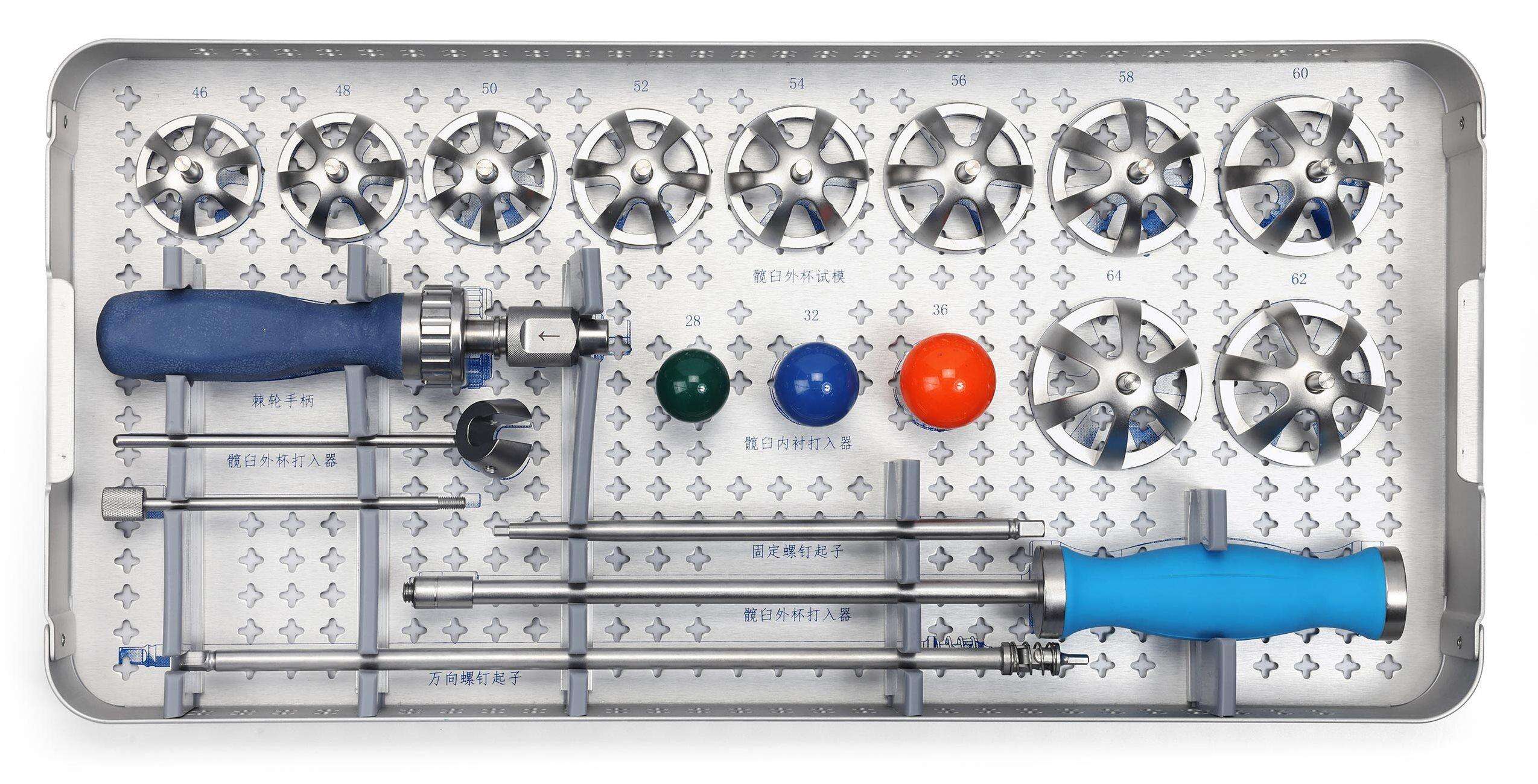
The backbone of modern orthopedic OEM manufacturing lies in sophisticated computer numerical control systems that have evolved far beyond conventional three-axis machining. Today's leading orthopedic OEM facilities deploy five-axis and even seven-axis CNC platforms capable of producing implant components with tolerances measured in micrometers. These advanced systems enable the creation of anatomically complex features such as acetabular cup geometry, femoral stem tapers, and porous coating substrates that would be impossible to achieve with traditional methods. The precision achieved through these platforms directly translates to improved implant fit, enhanced osseointegration, and reduced surgical revision rates.
What distinguishes smart precision manufacturing in the orthopedic OEM context is the integration of adaptive machining algorithms that continuously monitor cutting forces, tool wear, and thermal conditions. These intelligent systems make real-time adjustments to spindle speeds, feed rates, and tool paths to maintain dimensional accuracy throughout production runs. For titanium alloy implants and cobalt-chromium components commonly used in hip and knee replacements, this adaptive capability prevents the material property variations and surface finish inconsistencies that can compromise device performance. The result is a manufacturing process that delivers reproducible quality across thousands of units while minimizing material waste and extending tool life.
Additive Manufacturing Integration for Complex Geometries
Additive manufacturing technologies have fundamentally expanded the design possibilities available to orthopedic OEM partners and their medical device customers. Selective laser melting, electron beam melting, and binder jetting processes enable the production of lattice structures, patient-specific anatomical contours, and integrated porous surfaces that promote bone ingrowth—features that are geometrically impossible to produce through subtractive manufacturing alone. Smart orthopedic OEM manufacturers have integrated these additive capabilities not as standalone processes but as complementary technologies within hybrid manufacturing workflows that combine the precision of CNC machining with the design freedom of layer-by-layer fabrication.
The strategic value of additive manufacturing in orthopedic OEM operations extends beyond component production to encompass rapid prototyping, custom surgical guides, and low-volume specialty implants for rare anatomical cases. Advanced orthopedic OEM facilities employ build simulation software that predicts thermal distortion, residual stress patterns, and porosity distribution before physical production begins, significantly reducing development iteration cycles. This predictive capability allows device companies to accelerate time-to-market for innovative implant designs while maintaining the rigorous validation requirements inherent to orthopedic applications. The integration of post-processing automation—including heat treatment, surface finishing, and quality inspection—ensures that additively manufactured components meet the same exacting standards as traditionally machined parts.
Real-Time Quality Monitoring and Inline Inspection Systems
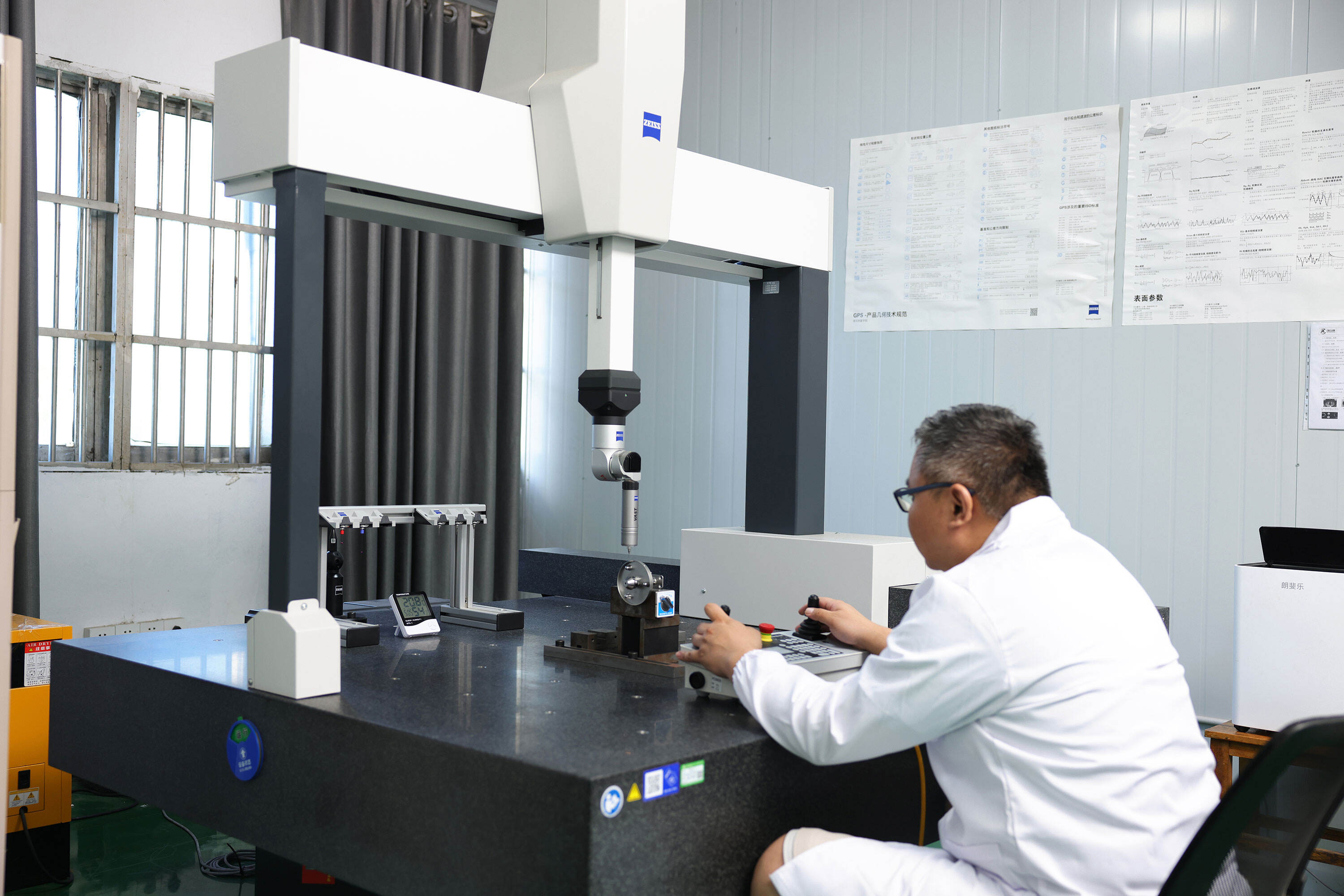
Traditional quality control in orthopedic OEM manufacturing relied on post-production sampling and batch inspection protocols that detected defects only after entire production runs were complete. Smart precision manufacturing transforms this reactive approach into a proactive quality assurance system through inline inspection technologies that evaluate every component during production. Optical measurement systems, laser scanning, and coordinate measuring machine integration provide continuous dimensional verification, enabling immediate correction of process deviations before non-conforming parts are produced. This shift from sampling-based to comprehensive inspection fundamentally improves the reliability of orthopedic OEM manufacturing operations.
Advanced orthopedic OEM manufacturers have implemented machine vision systems equipped with artificial intelligence algorithms that can detect surface anomalies, geometric irregularities, and material defects at inspection speeds that match production throughput. These systems learn from historical defect data to continuously improve detection accuracy and reduce false rejection rates. For critical features such as modular taper junctions, polyethylene liner locking mechanisms, and threaded fixation interfaces, inline inspection provides the documentation traceability required by regulatory agencies while eliminating the possibility of defective components reaching surgical facilities. The data generated by these systems also feeds back into process optimization algorithms, creating a closed-loop quality ecosystem that drives continuous improvement in orthopedic OEM operations.
Data-Driven Process Intelligence and Predictive Optimization
Industrial IoT Integration Across Manufacturing Operations
The transition to smart precision manufacturing in orthopedic OEM facilities fundamentally depends on comprehensive data collection and analysis infrastructure. Industrial Internet of Things sensors embedded throughout production equipment capture thousands of data points per minute, including machine vibration signatures, coolant temperatures, hydraulic pressures, and environmental conditions. This granular operational data flows into centralized manufacturing execution systems that provide real-time visibility into production status, equipment performance, and quality metrics across entire facilities. For orthopedic OEM partners managing multiple product lines and customer programs simultaneously, this visibility enables dynamic resource allocation and optimized production scheduling that maximizes throughput without compromising quality.
The strategic advantage of IoT-enabled orthopedic OEM manufacturing extends beyond operational monitoring to encompass predictive maintenance capabilities that minimize unplanned downtime. Machine learning algorithms analyze historical sensor data to identify patterns that precede equipment failures, enabling maintenance interventions before critical breakdowns occur. For high-precision machining centers producing acetabular components, femoral heads, and tibial baseplates, even minor equipment degradation can compromise dimensional accuracy and surface finish quality. Predictive maintenance systems protect against these quality risks while reducing total cost of ownership for capital equipment—a crucial factor in maintaining competitive pricing in the orthopedic OEM marketplace.
Digital Twin Technology for Virtual Process Validation
Leading orthopedic OEM manufacturers have adopted digital twin technology that creates virtual replicas of physical manufacturing processes, enabling simulation and optimization without disrupting production operations. These digital models incorporate machine kinematics, material properties, cutting tool geometries, and thermal behaviors to predict how design modifications or process parameter changes will affect final component quality. For new orthopedic device introductions, digital twins dramatically compress validation timelines by identifying optimal manufacturing parameters through simulation rather than physical trial-and-error experimentation. This capability is particularly valuable for complex multi-component assemblies such as modular hip systems and spinal fixation constructs where component interactions significantly influence overall device performance.
The application of digital twin technology in orthopedic OEM manufacturing extends throughout the product lifecycle, from initial design feasibility assessment through production scaling and continuous improvement initiatives. Virtual process models allow engineers to evaluate the manufacturability of proposed design features before committing to tooling investments, reducing development costs and accelerating commercialization timelines. As production progresses, the digital twin continuously updates based on actual manufacturing data, creating an increasingly accurate virtual representation that can be used for process troubleshooting, operator training, and what-if scenario analysis. This virtual-physical integration represents a fundamental shift in how orthopedic OEM partners approach manufacturing engineering and quality assurance.
Advanced Analytics for Supply Chain Optimization
Smart precision manufacturing in orthopedic OEM operations encompasses the entire value chain, including raw material procurement, inventory management, and logistics coordination. Advanced analytics platforms process data from suppliers, production systems, and customer demand forecasts to optimize material ordering, minimize work-in-progress inventory, and ensure on-time delivery performance. For orthopedic device manufacturers managing global supply chains with multiple orthopedic OEM partners, this analytical capability provides transparency into production status, quality metrics, and delivery schedules that enable better strategic planning and risk management.
The integration of blockchain technology into orthopedic OEM supply chains is creating immutable records of material provenance, manufacturing process parameters, and quality inspection results that satisfy increasingly stringent regulatory requirements. This distributed ledger approach provides complete traceability from raw material lot numbers through finished device serial numbers, supporting post-market surveillance obligations and facilitating rapid response in the event of quality concerns. For implantable devices that may remain in patients for decades, this comprehensive documentation trail represents a critical risk management capability that distinguishes sophisticated orthopedic OEM partners from conventional manufacturers.
Material Science Advances Enabling Next-Generation Devices
Biocompatible Alloy Development and Processing Expertise
The evolution of smart precision manufacturing in orthopedic OEM facilities has proceeded in parallel with advances in biomaterial science that have introduced new titanium alloys, cobalt-chromium formulations, and ceramic composites with enhanced mechanical properties and biological performance characteristics. Processing these advanced materials requires specialized manufacturing expertise that extends beyond conventional machining knowledge. Leading orthopedic OEM manufacturers have invested in materials characterization laboratories, heat treatment systems, and surface modification capabilities that enable them to optimize material properties for specific clinical applications while maintaining tight process control.
Titanium alloy processing represents a particular area where orthopedic OEM manufacturing expertise creates significant value. The pyrophoric nature of titanium chips, the material's low thermal conductivity, and its tendency toward work hardening demand specialized cutting strategies, coolant management, and tool selection. Smart manufacturing systems in advanced orthopedic OEM facilities incorporate material-specific process libraries that automatically adjust machining parameters based on alloy composition, ensuring optimal surface finish, dimensional accuracy, and subsurface integrity. This specialized knowledge base, accumulated over thousands of production runs, constitutes a significant competitive advantage that cannot be easily replicated.
Surface Treatment Technologies for Enhanced Biointegration
Modern orthopedic implants increasingly incorporate sophisticated surface treatments designed to promote osseointegration, reduce wear, and extend implant longevity. Plasma spray coating, hydroxyapatite deposition, and controlled oxidation processes require precise control of temperature, atmospheric conditions, and application parameters to achieve consistent coating thickness, adhesion strength, and biological performance. Advanced orthopedic OEM manufacturers have integrated these surface treatment capabilities into automated production lines with real-time monitoring systems that ensure every component meets specified coating characteristics.
The validation of surface treatments represents a critical quality assurance challenge in orthopedic OEM manufacturing. Non-destructive testing methods including X-ray fluorescence, scanning electron microscopy, and profilometry provide verification of coating composition, thickness, and surface roughness without compromising device functionality. Smart manufacturing systems correlate these quality measurements with process parameters to identify optimal processing windows and detect early indicators of process drift. For porous-coated acetabular components and hydroxyapatite-coated femoral stems, this rigorous surface characterization ensures consistent biological performance across production batches—a requirement that directly impacts long-term clinical outcomes.
Polymer Processing and Sterilization Compatibility
Ultra-high molecular weight polyethylene components used in joint replacement bearings demand specialized manufacturing approaches that preserve material properties throughout processing and sterilization. Advanced orthopedic OEM facilities employ precision machining, controlled atmosphere packaging, and validated sterilization protocols that maintain the oxidative stability and wear resistance essential for long-term implant performance. The integration of antioxidants, crosslinking treatments, and thermal processing steps requires careful sequencing and process control to achieve desired mechanical properties without introducing defects or residual stresses.
Recent advances in highly crosslinked polyethylene formulations and vitamin E-stabilized materials have created new manufacturing challenges that smart orthopedic OEM partners have addressed through investment in analytical capabilities and process development expertise. Differential scanning calorimetry, tensile testing, and accelerated aging protocols provide verification that polymer components meet performance specifications throughout their shelf life and implantation duration. This materials science expertise, combined with advanced manufacturing capabilities, enables orthopedic OEM manufacturers to support device innovation while maintaining the quality consistency demanded by regulatory requirements and clinical expectations.
Regulatory Compliance and Quality Management System Integration
FDA and International Regulatory Framework Navigation
The regulatory complexity surrounding orthopedic device manufacturing continues to intensify as agencies worldwide implement more stringent requirements for design control, process validation, and post-market surveillance. Leading orthopedic OEM manufacturers have embedded regulatory compliance into their smart manufacturing systems through automated documentation, electronic batch records, and integrated quality management platforms that ensure every production step meets applicable requirements. This systematic approach to compliance reduces the administrative burden on device manufacturers while providing the comprehensive documentation necessary to support regulatory submissions and facility inspections.
The implementation of risk-based quality systems in orthopedic OEM facilities aligns manufacturing controls with device classification and clinical application. High-risk components such as bearing surfaces, modular junctions, and structural elements receive enhanced process monitoring, increased inspection frequency, and rigorous validation protocols. Smart manufacturing systems automatically adjust quality control intensity based on component criticality, ensuring that resources focus on areas with greatest potential impact on device safety and effectiveness. This risk-stratified approach demonstrates regulatory maturity while optimizing operational efficiency.
Design Control and Design Transfer Capabilities
Successful orthopedic OEM partnerships depend on seamless translation of design intent into manufacturing reality through structured design transfer processes. Advanced orthopedic OEM manufacturers employ cross-functional teams that include design engineers, manufacturing engineers, quality specialists, and regulatory experts to evaluate manufacturability, identify process risks, and establish appropriate controls before production launch. Design failure mode and effects analysis, process capability studies, and production trial runs ensure that new devices can be manufactured consistently at scale while meeting all specified performance requirements.
The integration of computer-aided design systems with manufacturing execution platforms enables real-time comparison of as-manufactured dimensions against design specifications, providing immediate feedback on process capability and design margin utilization. For complex orthopedic assemblies requiring precise alignment of multiple components, this digital integration ensures that tolerance stack-ups remain within acceptable ranges and that assembly processes maintain proper fit and function. Smart orthopedic OEM manufacturers leverage this capability to support design optimization initiatives that balance clinical performance objectives with manufacturing feasibility and cost targets.
Traceability Systems and Post-Market Support Infrastructure
Comprehensive device traceability represents a fundamental requirement for orthopedic implants that may remain in patients for decades and must be traceable throughout their lifecycle. Advanced orthopedic OEM manufacturers implement serialization systems that assign unique identifiers to each device and link those identifiers to complete manufacturing histories including material lot numbers, process parameters, inspection results, and handling records. Barcode scanning, RFID tagging, and database integration ensure that this traceability information flows seamlessly from production through distribution to surgical implantation and post-market monitoring.
The infrastructure supporting post-market surveillance extends beyond simple traceability to encompass complaint handling, trend analysis, and corrective action management capabilities. When adverse events or quality concerns arise, sophisticated orthopedic OEM partners can rapidly identify affected devices, assess potential impacts, and implement containment measures to protect patient safety. This responsive capability, enabled by integrated quality management systems and comprehensive documentation practices, represents a critical risk management function that protects both device manufacturers and their orthopedic OEM partners from liability exposure while demonstrating commitment to patient welfare.
Strategic Value Creation Through Orthopedic OEM Partnerships
Innovation Acceleration and Competitive Differentiation
The competitive landscape in orthopedic devices increasingly rewards rapid innovation and differentiated product offerings that address unmet clinical needs. Strategic partnerships with technologically advanced orthopedic OEM manufacturers enable device companies to accelerate development timelines by leveraging established manufacturing capabilities, materials expertise, and regulatory infrastructure. Rather than building internal manufacturing capacity—a capital-intensive undertaking requiring years to achieve operational maturity—device innovators can access world-class production capabilities through orthopedic OEM relationships that compress time-to-market while maintaining quality standards.
The value of orthopedic OEM partnerships extends beyond manufacturing execution to encompass collaborative design optimization and manufacturing engineering support. Experienced orthopedic OEM manufacturers contribute design-for-manufacturability insights during product development, identifying opportunities to improve production efficiency, reduce costs, and enhance device performance through geometry modifications, material selection, and assembly method optimization. This collaborative approach creates superior outcomes compared to sequential hand-offs between design and manufacturing organizations, particularly for complex multi-component devices where manufacturing considerations significantly influence design feasibility.
Scalability and Flexible Capacity Management
Market demand for orthopedic devices exhibits significant variability driven by demographic trends, healthcare policy changes, and seasonal surgical scheduling patterns. Maintaining internal manufacturing capacity sufficient to meet peak demand results in substantial underutilization during slower periods, creating fixed cost burdens that erode profitability. Strategic orthopedic OEM partnerships provide flexible capacity that scales with demand fluctuations, converting fixed manufacturing costs into variable costs that align with revenue generation. This financial flexibility proves particularly valuable for emerging device companies and established manufacturers entering new market segments where demand predictability remains uncertain.
Advanced orthopedic OEM manufacturers manage production scheduling across multiple customers and product lines to optimize equipment utilization while meeting delivery commitments. Sophisticated planning systems balance capacity allocation, minimize changeover frequency, and sequence production runs to maximize efficiency. For device manufacturers, this shared capacity model provides access to advanced manufacturing technology and specialized expertise at cost points unattainable through internal operations. The ability to rapidly scale production in response to successful product launches or market expansions represents a strategic advantage that supports growth objectives without corresponding capital investment requirements.
Risk Mitigation and Business Continuity Planning
Single-source manufacturing strategies expose device companies to significant business continuity risks including equipment failures, quality system disruptions, and supply chain interruptions. Diversified orthopedic OEM partnerships distributed across multiple geographic locations provide redundancy that mitigates these risks while maintaining production continuity. Leading device manufacturers implement dual-sourcing strategies with qualified orthopedic OEM partners in different regions, ensuring that temporary disruptions at any single facility do not compromise market supply. This risk management approach also provides negotiating leverage and competitive pressure that drives continuous improvement across the manufacturing partner network.
The COVID-19 pandemic demonstrated the vulnerability of global supply chains and highlighted the importance of manufacturing flexibility and geographic diversification. Orthopedic OEM manufacturers with robust business continuity plans, diversified supplier bases, and demonstrated crisis response capabilities proved invaluable partners during this period of unprecedented disruption. The lessons learned during this experience have elevated business continuity planning to a strategic priority in orthopedic OEM partner selection, with device manufacturers placing increased emphasis on operational resilience, supply chain transparency, and demonstrated adaptability to changing circumstances.
FAQ
What specific technologies define smart precision manufacturing in orthopedic OEM operations compared to traditional manufacturing?
Smart precision manufacturing in orthopedic OEM facilities integrates advanced multi-axis CNC machining with real-time monitoring systems, artificial intelligence-driven quality control, additive manufacturing capabilities, and comprehensive data analytics. Unlike traditional approaches that rely on periodic sampling and manual inspection, smart manufacturing employs inline measurement systems that verify dimensional accuracy during production, predictive maintenance algorithms that prevent equipment failures, and digital twin technology that optimizes processes through virtual simulation. These integrated technologies enable tighter tolerances, enhanced reproducibility, comprehensive traceability, and faster response to quality deviations—capabilities essential for producing complex orthopedic implants and instruments that meet stringent regulatory requirements and clinical performance expectations.
How do orthopedic OEM partnerships accelerate time-to-market for new device innovations?
Strategic orthopedic OEM partnerships compress development timelines by providing immediate access to validated manufacturing capabilities, established quality management systems, and regulatory infrastructure that would require years to develop internally. Advanced orthopedic OEM manufacturers contribute manufacturing engineering expertise during the design phase, identifying potential production challenges and optimization opportunities before committing to tooling investments. Their experience with similar devices and materials enables faster process development, more efficient validation protocols, and reduced iteration cycles. Additionally, established relationships with regulatory agencies and demonstrated compliance histories facilitate smoother regulatory submissions and faster approvals, while flexible capacity allows rapid scaling from prototype quantities to commercial production volumes without the capital investment and lead times associated with building dedicated manufacturing facilities.
What quality assurance advantages do smart manufacturing systems provide for orthopedic implant production?
Smart manufacturing systems transform quality assurance in orthopedic OEM operations from reactive inspection to proactive prevention through continuous monitoring and real-time process control. Inline measurement technologies verify critical dimensions during production rather than after completion, enabling immediate correction before non-conforming parts are produced. Machine learning algorithms analyze quality data to identify patterns that precede defects, triggering preventive interventions before quality issues occur. Comprehensive traceability systems link every device to complete manufacturing histories including material lot numbers, process parameters, and inspection results, supporting regulatory compliance and post-market surveillance obligations. This integrated quality approach reduces scrap rates, eliminates batch rejections, ensures consistent device performance, and provides the documentation transparency demanded by regulatory agencies and healthcare systems.
How should medical device companies evaluate orthopedic OEM partners when considering smart manufacturing capabilities?
Evaluating orthopedic OEM partners requires assessment across multiple dimensions including technological sophistication, quality system maturity, regulatory compliance history, materials expertise, and collaborative capability. Device companies should examine the specific manufacturing technologies deployed, focusing on machine tool precision, automation integration, and quality monitoring systems relevant to their device requirements. Regulatory certifications including ISO 13485, FDA registration status, and successful audit histories provide evidence of quality system effectiveness. Materials processing capabilities, surface treatment expertise, and analytical laboratory infrastructure indicate technical depth. Equally important are collaborative attributes including design-for-manufacturability support, transparent communication practices, flexible capacity management, and demonstrated responsiveness to changing requirements. Site visits, reference checks with existing customers, and pilot production programs provide practical validation of claimed capabilities before committing to full-scale production partnerships.
Table of Contents
- The Technology Foundation Reshaping Orthopedic OEM Manufacturing
- Data-Driven Process Intelligence and Predictive Optimization
- Material Science Advances Enabling Next-Generation Devices
- Regulatory Compliance and Quality Management System Integration
- Strategic Value Creation Through Orthopedic OEM Partnerships
-
FAQ
- What specific technologies define smart precision manufacturing in orthopedic OEM operations compared to traditional manufacturing?
- How do orthopedic OEM partnerships accelerate time-to-market for new device innovations?
- What quality assurance advantages do smart manufacturing systems provide for orthopedic implant production?
- How should medical device companies evaluate orthopedic OEM partners when considering smart manufacturing capabilities?