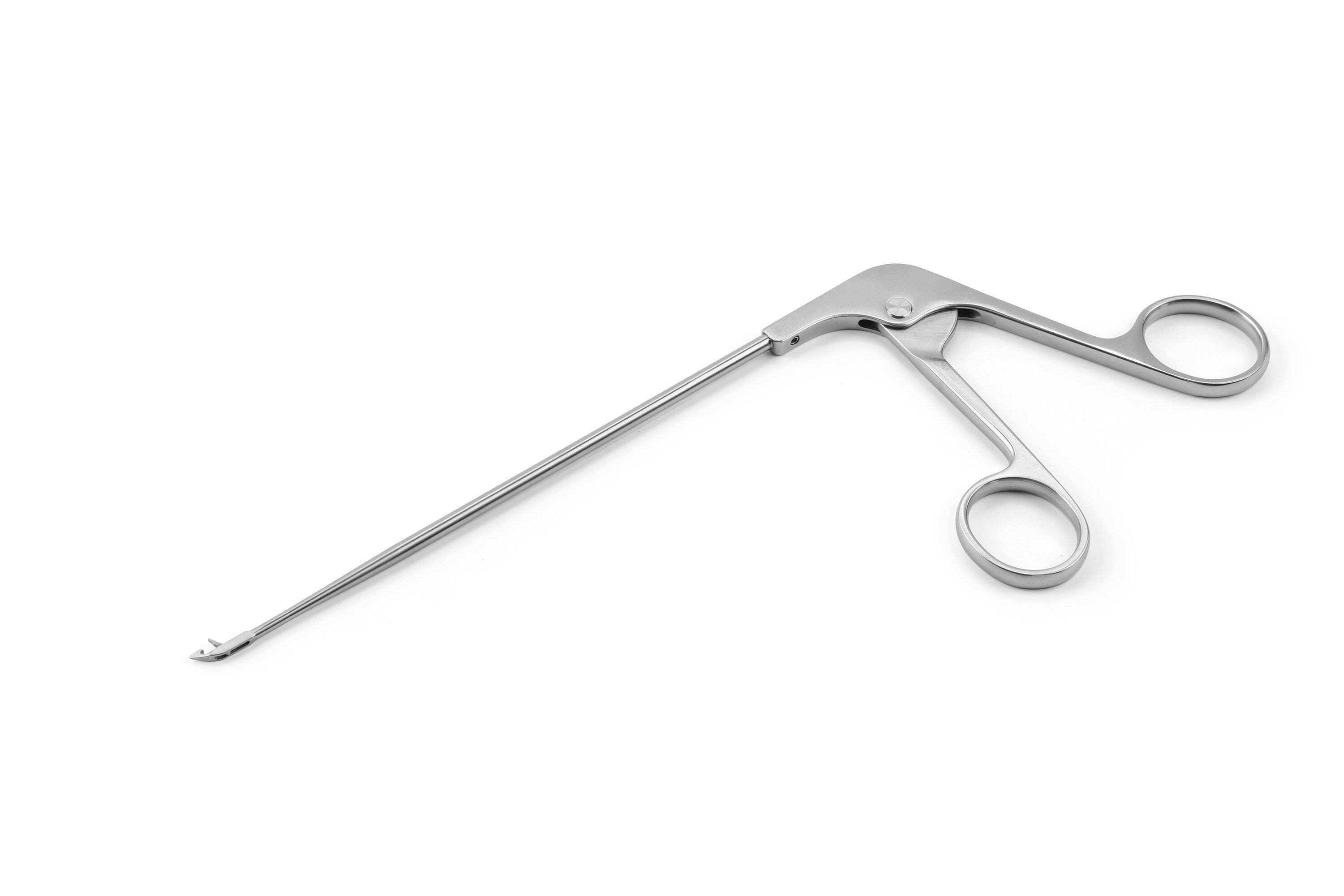
Titanium has revolutionized the orthopedic device manufacturing industry by offering an exceptional combination of biocompatibility, mechanical strength, and corrosion resistance. For orthopedic device original equipment manufacturers, understanding the complexities of titanium processing is essential to delivering implants that meet rigorous medical standards while maintaining cost efficiency. The success of modern spinal implants, joint replacements, and bone fixation systems depends heavily on how well manufacturers master the precision machining and surface treatment technologies specifically designed for titanium alloys. This guide explores the critical manufacturing processes, technical challenges, and quality control measures that define excellence in titanium orthopedic device OEM operations.
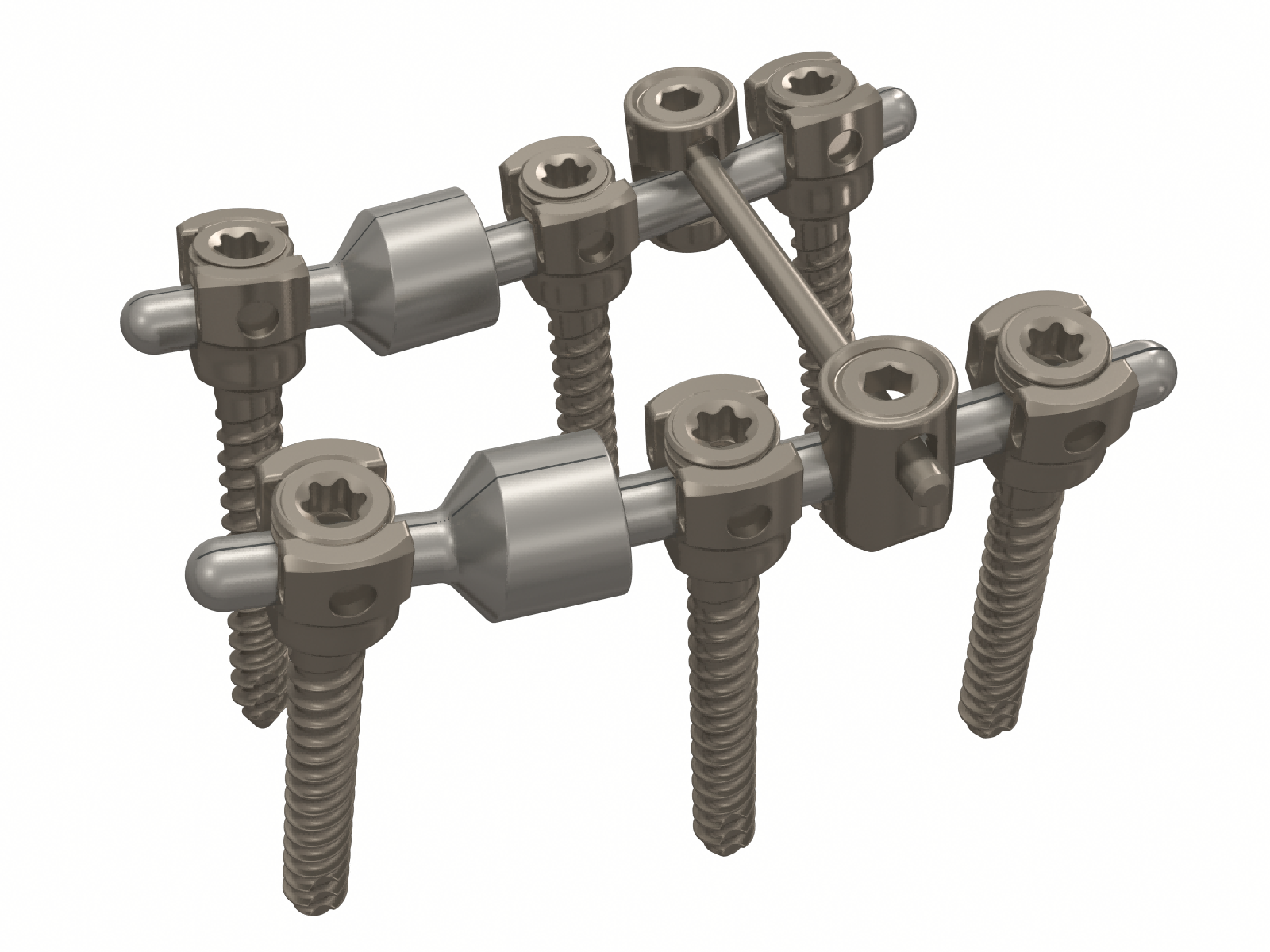
The orthopedic medical device sector demands exceptional precision from contract manufacturers, particularly when working with titanium alloys such as Ti-6Al-4V and commercially pure titanium grades. These materials present unique machining challenges due to their low thermal conductivity, high chemical reactivity at elevated temperatures, and tendency to work-harden during cutting operations. For titanium orthopedic device OEM partners, establishing robust manufacturing protocols that address these material characteristics while maintaining dimensional tolerances within microns is non-negotiable. Beyond basic machining, surface treatment technologies play an equally critical role in determining the long-term performance of implanted devices, influencing osseointegration rates, wear resistance, and the overall biological response of surrounding tissues.
Understanding Titanium Alloy Selection for Orthopedic Manufacturing
Material Grade Specifications and Medical Applications
The selection of appropriate titanium grades forms the foundation of successful titanium orthopedic device OEM manufacturing. Commercially pure titanium grades, particularly Grade 2 and Grade 4, offer excellent corrosion resistance and biocompatibility for applications where moderate strength requirements exist. These grades are commonly specified for dental implants, craniofacial plates, and certain trauma fixation devices where formability and biological acceptance outweigh the need for maximum mechanical strength. The microstructure of commercially pure titanium consists primarily of alpha phase crystals, which provide good ductility and resistance to crack propagation under cyclic loading conditions.
For load-bearing applications such as hip stems, spinal fusion cages, and titanium orthopedic device OEM pedicle screw systems, Ti-6Al-4V alloy remains the gold standard. This alpha-beta titanium alloy delivers superior tensile strength exceeding 900 MPa in the annealed condition, with excellent fatigue resistance that makes it suitable for implants subjected to millions of loading cycles over decades of service. The aluminum content provides solid solution strengthening and stabilizes the alpha phase, while vanadium stabilizes the beta phase, resulting in a balanced microstructure that can be further optimized through heat treatment protocols. Contract manufacturers specializing in titanium orthopedic device OEM production must maintain strict material traceability and certification documentation to ensure compliance with ASTM F136 and ISO 5832-3 standards.
Material Properties That Impact Machining Strategy
The unique physical and thermal properties of titanium alloys directly influence the machining strategies employed by titanium orthopedic device OEM manufacturers. Titanium's thermal conductivity is approximately one-seventh that of steel, meaning that heat generated during cutting operations concentrates at the tool-chip interface rather than dissipating throughout the workpiece. This thermal behavior accelerates tool wear and increases the risk of surface damage if cutting parameters are not carefully controlled. Additionally, the elastic modulus of titanium is roughly half that of stainless steel, causing springback and deflection during machining operations that can compromise dimensional accuracy if not properly compensated.
The chemical reactivity of titanium at elevated temperatures presents another significant challenge for precision manufacturing operations. When cutting temperatures exceed 500 degrees Celsius, titanium readily reacts with atmospheric oxygen and nitrogen, forming brittle surface layers that can compromise fatigue performance and biological response. This characteristic necessitates the use of flood coolant systems, high-pressure coolant delivery, and carefully controlled cutting speeds in titanium orthopedic device OEM machining operations. Furthermore, titanium's tendency to gall and adhere to cutting tool surfaces requires the selection of specific tool materials and coatings that minimize chemical affinity while maintaining sharp cutting edges throughout extended production runs.
Precision Machining Technologies for Titanium Orthopedic Components
Multi-Axis CNC Machining Considerations
Advanced multi-axis CNC machining centers form the backbone of modern titanium orthopedic device OEM manufacturing facilities. Five-axis simultaneous machining capability is essential for producing complex geometries such as acetabular cups, femoral stems with porous coating regions, and anatomically contoured spinal implants that cannot be efficiently manufactured using conventional three-axis equipment. The ability to maintain optimal tool orientation relative to the workpiece surface throughout the cutting path minimizes tool deflection, reduces cutting forces, and improves surface finish quality on finished titanium components.
For titanium orthopedic device OEM operations, machine tool selection must prioritize rigidity, thermal stability, and vibration damping characteristics. Inadequate machine stiffness amplifies the effects of titanium's low elastic modulus, resulting in dimensional variations and poor surface quality. High-quality machining centers designed for aerospace titanium applications typically feature polymer concrete beds, thermally symmetric spindle designs, and linear motor drive systems that minimize positioning errors. Spindle speeds for titanium machining generally range from 1500 to 4000 RPM depending on tool diameter and material removal rates, with feed rates carefully calculated to maintain appropriate chip loads that prevent work hardening while maximizing productivity.
Cutting Tool Selection and Tool Path Optimization
Cutting tool technology represents a critical success factor in economical titanium orthopedic device OEM manufacturing. Carbide tools with specialized coatings such as titanium aluminum nitride or aluminum titanium nitride provide the best balance of wear resistance, thermal stability, and chemical inertness when machining titanium alloys. These coating systems create a barrier layer that reduces heat transfer to the carbide substrate while minimizing the chemical interaction between the tool and workpiece that accelerates crater wear. Tool geometry must be optimized for titanium machining, with sharp cutting edges, large rake angles, and generous flank clearances that reduce cutting forces and heat generation.
Advanced CAM programming strategies are essential for achieving the tight tolerances required in medical device manufacturing. Trochoidal milling techniques, which utilize circular tool paths with reduced radial depth of cut, distribute tool wear more evenly around the cutting edge while reducing peak cutting forces. For titanium orthopedic device OEM applications involving deep cavities or complex internal features, high-pressure coolant delivery through the tool spindle becomes necessary to evacuate chips and maintain cutting zone temperatures below critical thresholds. Adaptive clearing strategies that automatically adjust feed rates based on real-time cutting conditions help maintain consistent chip loads and prevent the catastrophic tool failure that can result from unexpected material variations or programming errors.
Electrical Discharge Machining for Complex Features
Electrical discharge machining technology offers unique advantages for certain features in titanium orthopedic device OEM production that are difficult or impossible to create through conventional machining. Wire EDM excels at producing narrow slots, intricate contours, and starter holes for complex internal geometries without imposing mechanical cutting forces on delicate workpiece features. This non-contact material removal process is particularly valuable for manufacturing spinal implant components with thin walls, complex fenestration patterns, and sharp internal corners that would be vulnerable to damage from tool pressure or vibration.
Sinker EDM processes enable the creation of deep, narrow holes and complex cavity shapes in titanium components with exceptional dimensional accuracy and surface finish control. For titanium orthopedic device OEM manufacturers producing custom implants or small-batch specialty devices, EDM technology provides flexibility to create features that would require expensive custom tooling in conventional machining operations. The EDM process does create a recast layer on machined surfaces that must be removed through subsequent finishing operations to ensure optimal fatigue performance and biological compatibility. Surface integrity considerations require careful process parameter optimization and post-EDM surface treatment protocols to eliminate any thermally affected material that could compromise implant performance.
Surface Treatment Technologies for Enhanced Performance
Mechanical Surface Modification Methods
Surface roughness and topography exert profound influences on the biological performance of titanium implants, making mechanical surface treatment an integral component of titanium orthopedic device OEM manufacturing protocols. Grit blasting with corundum or aluminum oxide particles creates a moderately rough surface texture that enhances mechanical interlocking between the implant and surrounding bone tissue. The controlled impact of abrasive particles removes surface contaminants, work-hardened layers from machining operations, and creates a uniform micro-roughness that promotes cellular adhesion and osseointegration. Blasting parameters including particle size, impact velocity, angle of incidence, and duration must be carefully controlled to achieve consistent surface characteristics across production batches.
Shot peening represents another mechanical surface treatment employed by advanced titanium orthopedic device OEM facilities to improve fatigue resistance in load-bearing implant components. This cold working process introduces beneficial compressive residual stresses in the surface layers of titanium parts, which counteract the tensile stresses that initiate fatigue cracks during cyclic loading. The compressive stress layer can extend 100 to 300 microns below the surface, significantly extending the fatigue life of implants such as femoral stems and tibial components that experience millions of loading cycles during normal patient activity. Peening intensity must be carefully validated to ensure that beneficial compressive stresses are achieved without creating excessive surface roughness that could compromise wear performance in articulating joint systems.
Chemical and Electrochemical Surface Treatments
Acid etching protocols form a fundamental component of many titanium orthopedic device OEM surface treatment sequences, creating nano-scale and micro-scale topographical features that enhance biological response. Treatment with hydrofluoric and nitric acid mixtures removes the native oxide layer and creates a complex surface topography characterized by pits, valleys, and raised features at multiple length scales. This hierarchical surface structure provides attachment sites for osteoblastic cells while increasing the effective surface area available for protein adsorption and mineral deposition during the healing process. The depth and morphology of etched features can be controlled through acid concentration, temperature, and immersion time parameters that must be precisely validated for each implant design.
Anodization represents an electrochemical surface modification technique that offers precise control over oxide layer thickness and composition in titanium orthopedic device OEM manufacturing. By applying controlled electrical potential in an electrolytic bath, manufacturers can grow oxide layers ranging from nanometers to several microns in thickness with tailored crystalline structures and porosity characteristics. Type II anodization produces thicker oxide layers with enhanced wear resistance, while Type III anodization creates highly porous oxide structures that can be loaded with bioactive substances or antimicrobial agents. The color of anodized titanium changes predictably with oxide thickness, providing a visual quality control mechanism that helps ensure process consistency across production batches.
Advanced Bioactive Surface Coatings
Plasma spray coating technologies enable titanium orthopedic device OEM manufacturers to apply bioactive materials such as hydroxyapatite or calcium phosphate compounds to implant surfaces, accelerating bone integration and improving long-term fixation stability. The plasma spray process melts ceramic powder particles in a high-temperature plasma jet, propelling molten droplets toward the substrate surface where they rapidly solidify to form a porous, mechanically interlocked coating. Coating thickness typically ranges from 50 to 200 microns, with porosity characteristics that allow bone tissue ingrowth and biochemical bonding between the coating and surrounding biological environment. Process parameters including powder feed rate, plasma gas composition, spray distance, and substrate temperature must be carefully controlled to achieve consistent coating properties.
Physical vapor deposition techniques offer an alternative approach for applying thin, dense coatings to titanium orthopedic components with exceptional adhesion and uniformity. Magnetron sputtering and cathodic arc deposition methods can apply titanium nitride, titanium aluminum nitride, or diamond-like carbon coatings that provide enhanced wear resistance for articulating surfaces in joint replacement systems. These coatings, typically ranging from 1 to 5 microns in thickness, exhibit exceptional hardness and low friction characteristics that reduce polyethylene wear in total joint replacements. For titanium orthopedic device OEM operations focused on bearing surfaces, PVD coating technologies represent a critical capability for extending implant longevity and reducing the risk of osteolysis from wear particle generation.
Quality Control and Regulatory Compliance in Titanium OEM Manufacturing
Dimensional Inspection and Metrology Systems
Rigorous dimensional verification protocols form the foundation of quality assurance in titanium orthopedic device OEM manufacturing. Coordinate measuring machines with touch probe and optical scanning capabilities provide comprehensive three-dimensional inspection of complex implant geometries, verifying that critical dimensions, contours, and feature relationships meet design specifications and tolerance requirements. For high-volume production environments, automated inspection systems integrated with manufacturing cells enable 100 percent inspection without creating production bottlenecks. Statistical process control methodologies applied to dimensional measurement data allow manufacturers to detect process drift before non-conforming parts are produced, reducing scrap rates and ensuring consistent quality.
Surface texture measurement represents another critical quality control function for titanium orthopedic device OEM operations. Contact profilometry and optical interferometry techniques quantify surface roughness parameters such as Ra, Rz, and bearing area curves that correlate with biological performance and functional characteristics. Implant surfaces intended for bone integration typically target Ra values between 1 and 5 microns, while bearing surfaces require much smoother finishes with Ra values below 0.1 microns to minimize wear. Surface texture specifications must be clearly defined in design control documentation and verified through validated measurement procedures that account for measurement uncertainty and sampling strategies appropriate for complex three-dimensional surfaces.
Material Testing and Certification Requirements
Comprehensive material testing protocols ensure that titanium alloys used in orthopedic device manufacturing meet chemical composition, mechanical property, and microstructural requirements specified in relevant ASTM and ISO standards. Each material lot must be accompanied by mill certificates documenting chemical analysis results, tensile test data, and grain size measurements that demonstrate compliance with specified material grades. Many titanium orthopedic device OEM manufacturers perform additional incoming material verification testing to confirm mill certificate accuracy and detect any material anomalies that could compromise product performance or regulatory compliance. Spectroscopic analysis techniques provide rapid verification of elemental composition, while hardness testing offers a quick screening method for detecting heat treatment or processing variations.
Finished device testing requirements for titanium orthopedic implants typically include mechanical performance validation through static strength testing, fatigue testing, and wear testing protocols specified in device-specific FDA guidance documents and international standards. Fatigue testing is particularly critical for load-bearing implants, with test methods such as ASTM F1717 for spinal constructs requiring millions of loading cycles under physiologically relevant conditions. Surface characterization testing including scanning electron microscopy, energy dispersive spectroscopy, and X-ray photoelectron spectroscopy provide detailed information about surface composition, topography, and oxide layer characteristics that influence biological response. Biocompatibility testing according to ISO 10993 standards verifies that finished devices do not elicit cytotoxic, sensitization, or irritation responses when exposed to biological tissues.
Process Validation and Documentation Standards
Manufacturing process validation represents a fundamental regulatory requirement for titanium orthopedic device OEM operations under FDA Quality System Regulation and ISO 13485 medical device quality management standards. Installation qualification, operational qualification, and performance qualification protocols must demonstrate that manufacturing equipment, processes, and measurement systems consistently produce results meeting predetermined specifications. Process parameters identified as critical to quality must be monitored and controlled within validated ranges, with statistical evidence demonstrating process capability indices that provide adequate margin against specification limits. Change control procedures ensure that any modifications to validated processes undergo appropriate risk assessment, validation studies, and regulatory notification before implementation.
Design history files, device master records, and device history records provide the documentary foundation that demonstrates regulatory compliance throughout the product lifecycle. For contract manufacturers engaged in titanium orthopedic device OEM production, clear quality agreements must define responsibilities for design control, process validation, complaint handling, and corrective action implementation. Traceability systems must enable rapid identification of all devices manufactured from specific material lots, processed on particular equipment, or produced during defined time periods to support effective field action implementation if product issues are identified. Regular internal audits and management review processes ensure that quality management systems remain effective and continuously improve in response to changing regulatory expectations and operational performance data.
FAQ
What are the main advantages of titanium over stainless steel for orthopedic implants?
Titanium offers superior biocompatibility compared to stainless steel, with significantly lower risk of allergic reactions or adverse biological responses. Its elastic modulus more closely matches that of human bone, reducing stress shielding effects that can lead to bone resorption around implants. Titanium's exceptional corrosion resistance in physiological environments eliminates concerns about metal ion release, while its lower density reduces implant weight. These properties make titanium the preferred material for permanent implants despite higher material and processing costs compared to stainless steel alternatives.
How do surface treatments affect the osseointegration timeline for titanium implants?
Surface treatments significantly influence the speed and quality of bone integration with titanium implants. Rough, bioactive surfaces created through techniques such as acid etching, grit blasting, or hydroxyapatite coating can reduce initial healing times from several months to as little as six to eight weeks by enhancing cellular adhesion and accelerating mineral deposition. The increased surface area and topographical features provide mechanical interlocking and biochemical bonding sites that improve early implant stability. However, surface treatment selection must consider the specific anatomical location, loading conditions, and patient factors to optimize long-term performance outcomes.
What machining challenges are unique to titanium compared to other medical device materials?
Titanium's low thermal conductivity concentrates heat at the cutting interface, accelerating tool wear and requiring slower cutting speeds and specialized coolant delivery systems. Its chemical reactivity at elevated temperatures necessitates careful control of cutting conditions to prevent surface contamination. The tendency toward work hardening requires sharp tools and consistent chip loads to maintain dimensional accuracy. Additionally, titanium's springback characteristics demand precise fixturing and tool path compensation strategies. These factors combine to make titanium machining more technically demanding and costly than processing stainless steel or cobalt chromium alloys commonly used in medical devices.
How do regulatory requirements impact titanium orthopedic device OEM manufacturing processes?
Regulatory requirements under FDA and ISO standards mandate comprehensive process validation, rigorous quality control, and extensive documentation throughout titanium orthopedic device manufacturing. Every critical process parameter must be validated to demonstrate consistent performance within specified limits, with statistical evidence of process capability. Material traceability systems must track components from raw material through finished device to enable rapid response if quality issues emerge. Design control procedures ensure that manufacturing processes faithfully implement approved device designs, while change control systems prevent unauthorized modifications. These regulatory requirements significantly impact manufacturing costs and timelines but ensure consistent product safety and effectiveness.
Table of Contents
- Understanding Titanium Alloy Selection for Orthopedic Manufacturing
- Precision Machining Technologies for Titanium Orthopedic Components
- Surface Treatment Technologies for Enhanced Performance
- Quality Control and Regulatory Compliance in Titanium OEM Manufacturing
-
FAQ
- What are the main advantages of titanium over stainless steel for orthopedic implants?
- How do surface treatments affect the osseointegration timeline for titanium implants?
- What machining challenges are unique to titanium compared to other medical device materials?
- How do regulatory requirements impact titanium orthopedic device OEM manufacturing processes?