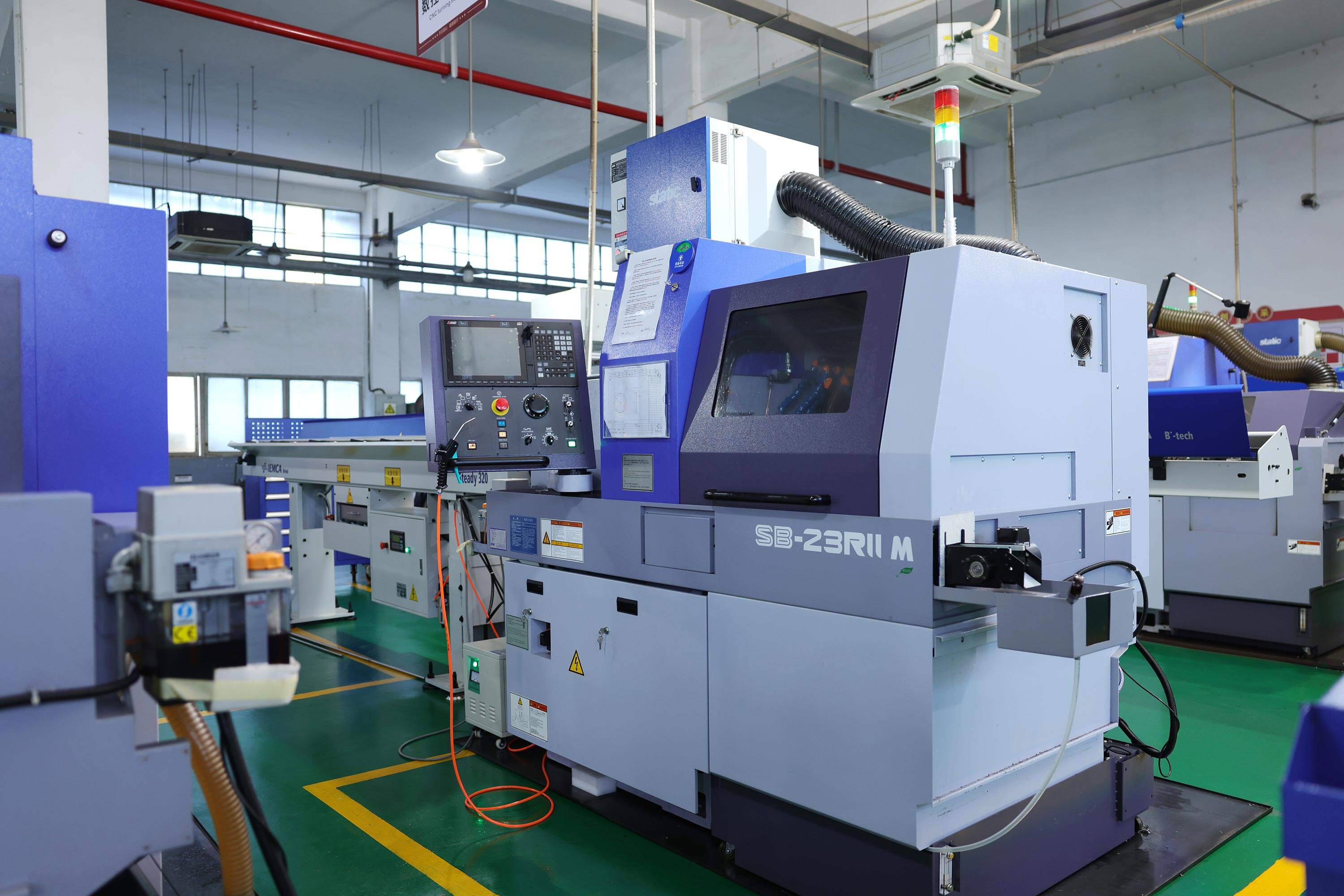
Manufacturing for minimally invasive orthopedic device OEM represents one of the most demanding challenges in medical device production today. The precision requirements extend far beyond conventional surgical instruments, demanding tolerances measured in micrometers and surface finishes that rival aerospace components. As healthcare systems worldwide shift toward less invasive procedures that reduce patient trauma and accelerate recovery times, the technical barriers for contract manufacturers have intensified dramatically. These devices must navigate confined anatomical spaces, withstand physiological forces, maintain sterility under extreme conditions, and deliver repeatable clinical outcomes across thousands of procedures. Understanding the specific precision standards required in this specialized field is essential for procurement teams, orthopedic device developers, and quality engineers evaluating potential manufacturing partners.
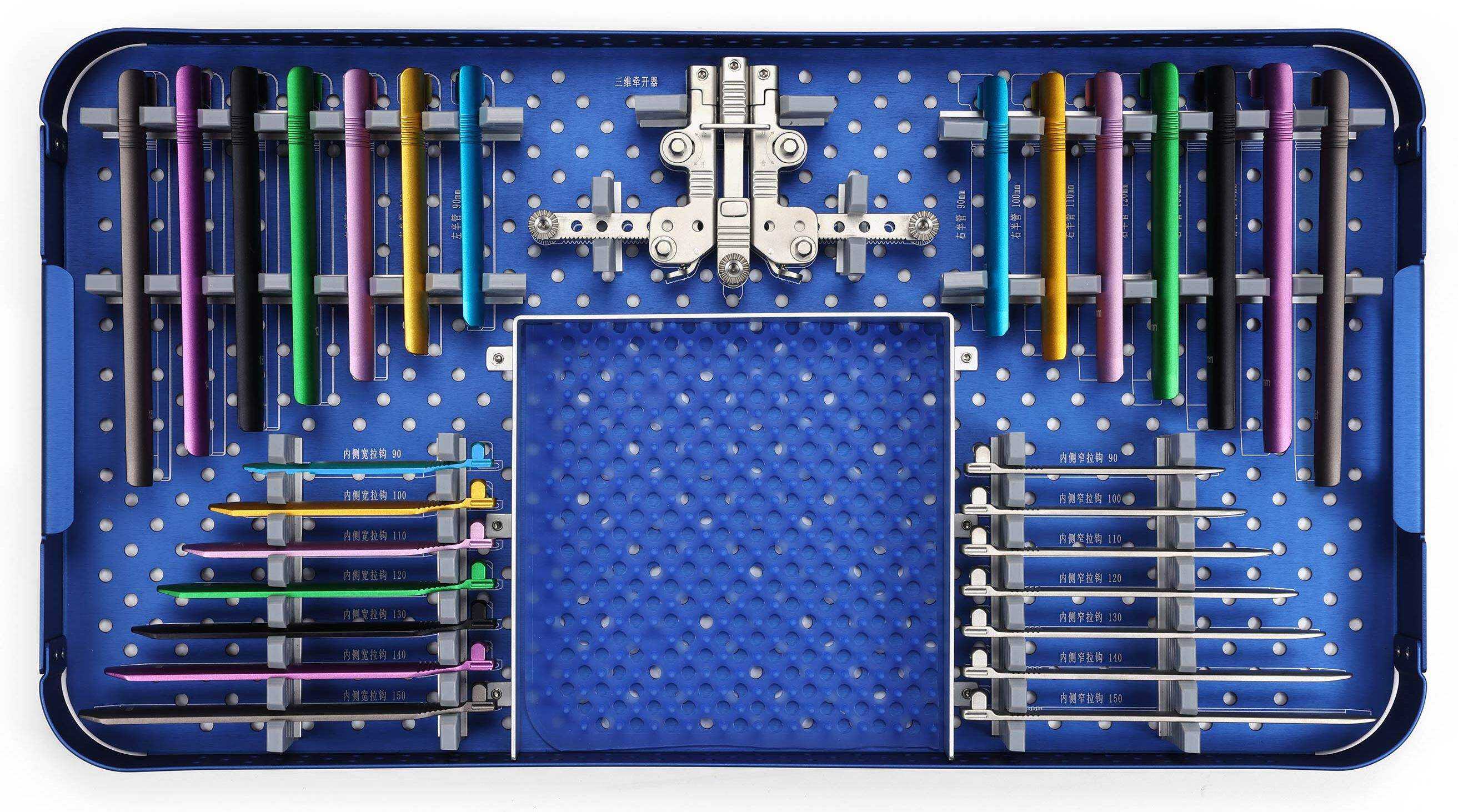
The complexity of minimally invasive orthopedic device OEM operations stems from the convergence of multiple engineering disciplines including precision machining, material science, biocompatibility validation, and regulatory compliance frameworks. Unlike traditional open surgery instruments, minimally invasive tools must perform complex mechanical functions through access ports measuring just millimeters in diameter. This fundamental constraint drives unprecedented requirements for dimensional accuracy, assembly precision, mechanical reliability, and quality verification protocols. The stakes extend beyond manufacturing capability alone—these standards directly impact patient safety, surgical efficacy, regulatory approval timelines, and long-term product liability exposure. For OEM partners working in this space, meeting these precision standards represents not merely a competitive advantage but an absolute prerequisite for market entry and sustained business relationships with original equipment manufacturers and medical device brands.
Dimensional Tolerancing Requirements for Minimally Invasive Components
Critical Tolerance Zones in Access System Components
The dimensional tolerancing standards for minimally invasive orthopedic device OEM production far exceed those found in general industrial manufacturing. Access systems, retractors, and insertion instruments typically require tolerances within ±0.025mm to ±0.05mm for critical functional surfaces. These stringent requirements stem from the need for precise component interaction within confined surgical corridors where even fractional misalignment can impede visibility, restrict instrument movement, or compromise tissue protection. Mating surfaces between modular components demand even tighter control, often requiring tolerances approaching ±0.01mm to ensure secure connections that withstand surgical manipulation forces without unexpected separation or excessive play. The challenge intensifies for telescoping mechanisms, articulating joints, and sliding assemblies where cumulative tolerance stack-up across multiple interfaces must be controlled to maintain functional performance throughout the device's operational envelope.
Manufacturing process capability indices for minimally invasive orthopedic device OEM operations typically target Cpk values of 1.67 or higher for critical dimensions, reflecting a six-sigma quality approach that minimizes defect rates to parts-per-million levels. This statistical rigor requires not only precision machine tools but sophisticated process monitoring systems that detect drift before dimensional variation exceeds specification limits. Computer numerical control machining centers equipped with thermal compensation, vibration damping, and in-process measurement capabilities form the foundation of these capabilities. However, machine capability alone proves insufficient—environmental controls maintaining temperature stability within ±1°C, humidity management, and contamination barriers contribute equally to achieving repeatable dimensional outcomes. The economic implications are substantial, as achieving these tolerances often requires multiple machining operations, intermediate inspections, and potential rework protocols that significantly impact per-unit manufacturing costs.
Geometric Dimensioning and Tolerancing Standards
Beyond basic dimensional tolerances, minimally invasive orthopedic device OEM manufacturing demands rigorous application of geometric dimensioning and tolerancing principles to control form, orientation, location, and runout characteristics. Straightness tolerances for cannulated instruments and guide tubes typically must not exceed 0.05mm over working lengths that may extend 200mm or more, ensuring unobstructed passage of surgical instruments and implants through these access channels. Perpendicularity and parallelism requirements between mounting interfaces and functional surfaces frequently specify tolerances within 0.03mm to prevent angular misalignment that could compromise surgical visualization or instrument trajectory accuracy. Cylindricity controls become critical for bearing surfaces, sealing interfaces, and guide channels where rotational or sliding motion occurs, with typical tolerances ranging from 0.01mm to 0.03mm depending on functional requirements and anticipated wear patterns during clinical use.
Concentricity and coaxiality tolerances present particular challenges in minimally invasive orthopedic device OEM applications where nested tubular components must maintain precise alignment through multiple degrees of freedom. These geometric relationships typically require verification using coordinate measuring machines with accuracies in the micrometer range, supplemented by specialized fixtures that replicate functional assembly conditions. Profile tolerances govern complex three-dimensional surfaces such as retractor blade curvatures, instrument tip geometries, and ergonomic handle contours, with tolerance zones often specified within 0.1mm of theoretical perfect form. The verification burden associated with these geometric controls necessitates comprehensive quality planning that identifies critical characteristics early in the design phase, establishes appropriate measurement methodologies, and implements statistical process control strategies that prevent geometric deviation rather than merely detecting it after production. For contract manufacturers in the minimally invasive orthopedic device OEM sector, demonstrated geometric tolerancing capability frequently serves as a primary qualification criterion during supplier selection processes.
Surface Finish Specifications and Functional Impact
Surface finish requirements in minimally invasive orthopedic device OEM manufacturing extend beyond aesthetic considerations to directly influence functional performance, biocompatibility, and cleanability characteristics. Instrument shafts and access cannulas typically require surface roughness values between Ra 0.2μm and Ra 0.8μm to minimize friction during insertion and manipulation while preventing tissue adhesion or trauma. Even finer finishes approaching Ra 0.1μm may be specified for sealing surfaces, bearing interfaces, and optical components where surface irregularities would compromise performance. These ultra-smooth finishes demand specialized grinding, polishing, or electropolishing processes that remove material in controlled increments measured in micrometers, with process parameters carefully optimized to avoid surface damage, work hardening, or residual stress introduction. The verification of such fine surface finishes requires sophisticated metrology equipment including optical profilometers or atomic force microscopes capable of resolving surface features at nanometer scales.
The relationship between surface finish and biological response adds another dimension to precision requirements in minimally invasive orthopedic device OEM operations. Surfaces contacting tissue must balance smoothness for low friction with sufficient texture to prevent bacterial colonization—a complex optimization that varies by anatomical location and contact duration. Electropolished stainless steel surfaces with Ra values between 0.2μm and 0.4μm often represent the optimal compromise for temporary tissue contact applications. However, surfaces requiring enhanced tissue integration or specific biological responses may demand precisely controlled microtextures created through laser ablation, chemical etching, or grit blasting processes with tightly specified parameters. The challenge for contract manufacturers lies in maintaining these surface characteristics throughout subsequent processing steps including cleaning, passivation, sterilization, and packaging, any of which could potentially degrade carefully engineered surface properties. Quality systems must therefore incorporate surface finish verification at multiple production stages, not merely at initial machining completion.
Material Processing and Heat Treatment Precision Standards
Metallurgical Property Control for Surgical Grade Alloys
The precision standards required in minimally invasive orthopedic device OEM extend deeply into material processing protocols that govern mechanical properties, corrosion resistance, and long-term stability. Surgical grade stainless steels such as 316L and 17-4PH demand carefully controlled heat treatment cycles that achieve specific hardness ranges, typically 28-32 HRC for instruments requiring a balance between strength and toughness. Achieving these narrow property windows requires furnace temperature uniformity within ±5°C, precise atmosphere control to prevent surface oxidation or decarburization, and documented time-at-temperature profiles that ensure complete transformation throughout component cross-sections. Deviation from these parameters can result in instruments that exhibit inadequate strength, excessive brittleness, or inconsistent spring characteristics that compromise surgical performance. The verification burden includes destructive testing of process qualification samples, ongoing hardness testing of production components, and periodic metallographic examination to confirm microstructural uniformity.
Titanium alloys commonly employed in minimally invasive orthopedic device OEM applications present even more demanding processing challenges due to their reactivity at elevated temperatures and sensitivity to interstitial contamination. Ti-6Al-4V components require solution treatment and aging cycles conducted under high vacuum or inert atmosphere conditions, with oxygen exposure strictly limited to prevent alpha case formation that would create brittle surface layers. Temperature control during these processes must maintain uniformity within ±3°C across the entire furnace working zone, with cooling rates precisely managed to achieve target microstructures that balance strength, ductility, and fatigue resistance. The precision extends to surface treatment processes including passivation and anodizing that enhance corrosion resistance and biocompatibility—these chemical processes require solution concentration control within ±2%, temperature maintenance within ±1°C, and immersion duration controlled to within seconds to achieve consistent protective oxide layer formation. For contract manufacturers serving the minimally invasive orthopedic device OEM market, validated heat treatment and surface processing capabilities represent critical infrastructure investments that enable qualification for high-value production programs.
Dimensional Stability Through Thermal Cycling
Minimally invasive orthopedic device OEM components must maintain dimensional integrity through thermal cycles associated with sterilization, clinical use, and reprocessing for reusable instruments. Autoclave sterilization exposes devices to saturated steam at 132°C under pressure, creating thermal expansion stresses that can induce dimensional changes if residual stresses from manufacturing remain unrelieved. Stress relief heat treatments conducted after machining operations prove essential for minimizing these distortions, typically requiring controlled heating to temperatures between 400°C and 650°C depending on alloy composition, with slow cooling rates that prevent new stress introduction. The effectiveness of stress relief protocols must be validated through dimensional verification before and after simulated sterilization cycling, with acceptance criteria typically permitting no more than 0.02mm dimensional change in critical features after ten thermal cycles.
The thermal stability requirements become even more stringent for complex assemblies in minimally invasive orthopedic device OEM applications where multiple materials with differing thermal expansion coefficients must function cohesively. Polymer components integrated with metallic structures may expand at rates three to ten times greater than the surrounding metal framework, potentially creating interference conditions, seal failures, or mechanical binding after thermal exposure. Design compensation through controlled clearances addresses some of these challenges, but manufacturing precision in maintaining those designed clearances becomes paramount. Tolerance windows that might seem adequate at room temperature can become problematic after thermal cycling if the nominal dimensions were not precisely centered within specification limits. This reality drives the need for tight process control targeting nominal dimensions rather than merely staying within tolerance bands—a manufacturing philosophy that requires significant process capability and ongoing statistical process control to maintain reliably across production volumes measured in thousands or tens of thousands of units annually.
Residual Stress Management and Component Longevity
The management of residual stresses represents a critical but often underappreciated precision standard in minimally invasive orthopedic device OEM manufacturing. Machining operations inherently introduce residual stresses through localized plastic deformation, heat generation, and work hardening effects that can persist within finished components. These internal stresses, though invisible and undetectable through standard dimensional inspection, significantly influence fatigue life, stress corrosion cracking susceptibility, and dimensional stability over time. Components subjected to cyclic loading during surgical use—such as retractor blades flexing against tissue resistance or instrument jaws operating through thousands of open-close cycles—prove particularly vulnerable to fatigue failure initiation at sites of residual tensile stress concentration. The precision standard therefore extends beyond achieving correct dimensions to ensuring those dimensions are achieved through processes that minimize or strategically control residual stress distributions.
Advanced manufacturing protocols for minimally invasive orthopedic device OEM applications increasingly incorporate residual stress measurement and mitigation strategies. X-ray diffraction techniques enable non-destructive quantification of near-surface residual stresses, with acceptance criteria typically specifying compressive stress states between 100-400 MPa for fatigue-critical features. Achieving these favorable stress conditions may require shot peening, laser shock peening, or burnishing operations with precisely controlled parameters including media size, impact velocity, coverage percentage, and surface cold working depth. The validation of these processes demands periodic verification using witness specimens processed alongside production components, with documented stress measurements confirming process effectiveness. For high-reliability applications such as spinal access systems or fracture fixation instruments, the investment in residual stress control and verification represents an essential cost of achieving the service life and failure rate targets demanded by medical device quality standards and clinical performance expectations in orthopedic surgery environments.
Assembly Precision and Mechanical Performance Verification
Multi-Component Assembly Tolerancing and Fit Control
The assembly phase of minimally invasive orthopedic device OEM production introduces compounding precision challenges as individual component tolerances accumulate into system-level functional requirements. Modular access systems comprising multiple retractor blades, stabilization rings, and mounting hardware must assemble with precise angular relationships and secure retention despite tolerance stack-up across numerous mating interfaces. Statistical tolerance analysis during design development establishes individual component tolerance allocations that ensure assembly-level requirements remain achievable with realistic manufacturing processes. However, translating these analytical predictions into consistent production outcomes requires disciplined assembly protocols including documented torque specifications for threaded connections, assembly sequence procedures that prevent interference or binding, and intermediate verification checkpoints that detect problems before complete assembly renders rework costly or impossible.
Press-fit and interference-fit joints common in minimally invasive orthopedic device OEM assemblies demand particularly rigorous precision control. These permanent mechanical connections rely on precise dimensional relationships between mating components—typical interference specifications range from 0.010mm to 0.030mm depending on component diameter and material properties. Achieving this narrow window requires not only tight machining tolerances but temperature-controlled assembly environments that prevent thermal expansion from altering fit conditions during assembly operations. Force-displacement monitoring during press assembly operations provides real-time verification that interference falls within acceptable ranges—assembly force curves that deviate from established patterns indicate dimensional discrepancies requiring investigation before proceeding. For high-volume production environments, automated assembly systems equipped with force feedback control and 100% data logging ensure consistency while generating the objective evidence required by medical device quality management systems to demonstrate assembly process capability and control.
Functional Performance Testing Protocols
Precision standards in minimally invasive orthopedic device OEM manufacturing ultimately manifest through functional performance verification that simulates clinical use conditions. Mechanical testing protocols for retractor systems typically include blade insertion and withdrawal force measurements under standardized conditions, with acceptance criteria specifying maximum forces between 20-50 Newtons depending on design intent. These force requirements directly reflect the dimensional precision of guide channels, bearing surfaces, and seal interfaces—even 0.05mm deviation in critical dimensions can increase operating forces by 50% or more, potentially compromising surgical ease of use. Articulation testing verifies that multi-axis joints move smoothly through full range of motion without binding or excessive play, with angular position accuracy typically maintained within ±2° throughout the motion envelope. Such performance consistency depends absolutely on the geometric precision of bearing surfaces, pivot pins, and retention mechanisms manufactured to exacting tolerances.
Durability testing subjects minimally invasive orthopedic device OEM components to thousands or tens of thousands of operational cycles simulating lifetime surgical use. Retractor systems may undergo 10,000 blade insertion cycles, instrument mechanisms operate through 50,000 actuation cycles, and locking features engage and disengage 1,000 times or more—all while maintaining functional performance within initial specifications. The precision manufacturing standards previously discussed exist fundamentally to ensure this durability performance, as dimensional degradation through wear, plastic deformation, or fatigue crack initiation would compromise surgical reliability. Test failures during these validation programs often trace back to manufacturing precision lapses—a cutting tool that dulled gradually during production creating progressively rougher surfaces, a heat treatment furnace temperature sensor that drifted out of calibration affecting hardness uniformity, or an assembly fixture that wore subtly over thousands of uses creating increasing dimensional variation. The integration of manufacturing precision control with functional performance verification creates a closed-loop quality system that not only detects problems but provides diagnostic information enabling root cause identification and corrective action implementation.
Sterilization Compatibility and Reprocessing Tolerance
For reusable devices common in minimally invasive orthopedic device OEM portfolios, precision standards must account for dimensional and functional stability through repeated sterilization and reprocessing cycles. Steam autoclaving at 132°C creates thermal stresses, polymer components may absorb moisture causing dimensional swelling, and aggressive cleaning chemistries can attack surface finishes or promote corrosion initiation. Design specifications typically require devices to maintain full functionality through minimum 100-200 reprocessing cycles for institutional use, with some applications demanding 500-cycle capability. Manufacturing precision becomes critical to establishing the margin between initial as-manufactured conditions and minimum acceptable functional thresholds—tighter manufacturing control enables more reprocessing cycles before wear, corrosion, or dimensional change degrades performance below acceptable levels.
The verification of reprocessing durability requires accelerated testing protocols that compress years of clinical use into weeks of laboratory evaluation. These tests expose production-representative samples to worst-case reprocessing conditions including maximum-temperature sterilization, extended exposure to cleaning chemistries, and mechanical loading simulating surgical use. Dimensional inspection, functional performance testing, and surface examination occur at defined intervals throughout the test program, with trend analysis identifying degradation rates and failure mechanisms. For contract manufacturers in the minimally invasive orthopedic device OEM sector, the ability to consistently produce devices that meet these demanding reprocessing requirements demonstrates manufacturing precision that extends beyond simple dimensional conformance to encompass material selection, surface treatment optimization, and assembly quality control that collectively deliver the product longevity essential for economic and environmental sustainability in healthcare delivery systems facing increasing cost pressures and waste reduction mandates.
Quality Management Systems and Regulatory Documentation Standards
ISO 13485 Compliance and Process Validation Requirements
The precision standards governing minimally invasive orthopedic device OEM manufacturing exist within a comprehensive quality management framework defined by ISO 13485 medical device quality system requirements and regional regulatory expectations. These standards mandate documented evidence that manufacturing processes remain in a state of statistical control and consistently produce output meeting predetermined specifications. Process validation protocols for critical manufacturing operations must demonstrate through statistical analysis that the process capability indices exceed minimum acceptable values—typically Ppk ≥1.33 for most characteristics and Ppk ≥1.67 for critical safety features. This evidence requires extensive data collection during initial process qualification, with dimensional measurements, surface finish verification, material property testing, and functional performance evaluation conducted on sufficient sample sizes to support statistical conclusions about process performance and variability.
The documentation burden associated with these validation requirements significantly impacts minimally invasive orthopedic device OEM operations. Manufacturing process instructions must specify all parameters affecting quality characteristics including machine settings, tooling specifications, environmental conditions, and inspection requirements. Process validation protocols document the rationale for chosen acceptance criteria, detail sampling plans and measurement methods, present statistical analysis of validation data, and justify conclusions regarding process acceptability. Once validated, processes require ongoing performance monitoring through statistical process control systems that detect trends or shifts indicating loss of process control before non-conforming product emerges. The precision therefore extends beyond merely manufacturing to exacting dimensions—it encompasses the precision of measurement systems, the rigor of statistical analysis, and the completeness of documentation demonstrating objective evidence of quality to regulatory authorities, notified bodies, and customer auditors who evaluate contract manufacturer capabilities before awarding production contracts or maintaining approved supplier status.
Measurement System Analysis and Metrology Infrastructure
The precision standards required in minimally invasive orthopedic device OEM manufacturing demand measurement systems with resolution and accuracy that do not significantly contribute to overall measurement uncertainty. The general rule of thumb requires measurement system resolution of one-tenth the tolerance being verified, meaning that features with ±0.025mm tolerances need measurement systems resolving to 0.0025mm or finer. Coordinate measuring machines serving this requirement typically offer volumetric accuracy specifications within 1.5-2.5 micrometers plus length-dependent error terms, with measurement uncertainty budgets comprehensively accounting for temperature effects, probe qualification, part fixture repeatability, and operator technique variation. Gage repeatability and reproducibility studies conducted according to established protocols must demonstrate measurement system variation consuming less than 10% of the total tolerance band for critical characteristics—a stringent requirement that often necessitates investment in premium metrology equipment and climate-controlled measurement laboratories.
Surface finish measurement systems present equally demanding requirements for minimally invasive orthopedic device OEM applications where Ra specifications extend into the sub-micrometer range. Contact profilometers with diamond styli offering tip radii of 2 micrometers or less enable measurement of fine surface textures, though the mechanical probing process itself may influence measurements on soft materials or delicate features. Optical profilometry and confocal microscopy techniques offer non-contact alternatives with vertical resolution approaching nanometer scales, though optical methods introduce their own uncertainty sources related to surface reflectivity, edge effects, and data processing algorithms. The calibration and maintenance of these sophisticated measurement systems requires documented procedures, trained personnel, and traceability to national or international measurement standards through calibrated reference artifacts. For contract manufacturers competing in the minimally invasive orthopedic device OEM market, metrology capability often represents a competitive differentiator—organizations with established measurement laboratories, comprehensive uncertainty analysis capabilities, and demonstrated proficiency through interlaboratory comparison programs prove better positioned to win contracts for precision-critical applications where measurement confidence directly influences regulatory acceptance and clinical performance assurance.
Traceability Systems and Lot Control
Medical device regulations mandate complete traceability of minimally invasive orthopedic device OEM products from raw material receipt through manufacturing operations to final distribution—a requirement that demands precision in documentation and data management systems paralleling the physical manufacturing precision. Lot control systems must track material certifications verifying alloy composition and mechanical properties, correlate these materials with specific manufacturing batches, link dimensional inspection data and functional test results to individual serialized devices or production lots, and maintain this information in readily retrievable formats for minimum 5-10 years depending on regulatory jurisdiction. The precision of these information systems proves critical during post-market surveillance activities when complaints or adverse events require investigation—the ability to rapidly identify all potentially affected devices, determine their manufacturing history and quality verification data, and support risk assessment regarding field action necessity depends entirely on traceability system accuracy and completeness.
Implementing effective traceability for high-volume minimally invasive orthopedic device OEM production requires integrated information systems linking enterprise resource planning software with quality management databases and manufacturing execution systems. Barcode or RFID-based tracking technologies enable automated data capture reducing manual documentation errors while improving efficiency. The challenge lies in designing these systems to capture meaningful information without overwhelming operations with excessive data entry burdens or generating such voluminous records that critical information becomes obscured within data noise. Leading contract manufacturers implement risk-based approaches that identify critical traceability linkages based on failure mode analysis and regulatory requirements, focusing documentation rigor on these high-priority connections while streamlining less critical data collection. The resulting systems provide the objective evidence of manufacturing precision control that supports regulatory submissions, satisfies customer quality agreements, and enables rapid response to quality issues—capabilities that increasingly differentiate competitive contract manufacturers in the precision-demanding minimally invasive orthopedic device OEM marketplace where quality system maturity often proves as important as technical manufacturing capability in supplier selection and long-term partnership viability.
FAQ
What tolerance levels are typically required for minimally invasive orthopedic surgical instruments?
Minimally invasive orthopedic device OEM manufacturing typically requires dimensional tolerances ranging from ±0.025mm to ±0.05mm for critical functional features, with some applications demanding even tighter control approaching ±0.01mm for mating surfaces and precision interfaces. Geometric tolerances including straightness, perpendicularity, concentricity, and cylindricity generally fall within 0.01mm to 0.05mm depending on functional requirements. Surface finish specifications commonly range from Ra 0.2μm to Ra 0.8μm for instrument shafts and tissue-contacting surfaces. These stringent requirements stem from the confined surgical working spaces and the need for reliable mechanical performance through thousands of use cycles. Manufacturing process capability indices of Cpk ≥1.67 are typically targeted to ensure consistent achievement of these specifications across production volumes.
How do precision requirements differ between single-use and reusable minimally invasive devices?
Reusable minimally invasive orthopedic devices generally face more demanding precision standards than single-use equivalents because they must maintain dimensional and functional integrity through 100-500 sterilization and reprocessing cycles. Manufacturing precision must establish sufficient margin between as-manufactured condition and minimum acceptable functional thresholds to accommodate wear, corrosion, and dimensional changes occurring during repeated clinical use and reprocessing. Single-use devices can optimize for initial performance without durability concerns, potentially allowing slightly relaxed manufacturing tolerances in non-critical features. However, both device categories require equivalent precision for critical safety features, biocompatibility characteristics, and initial functional performance. The precision differentiation appears more in material selection, surface treatments, and assembly methods chosen to ensure long-term stability for reusable devices rather than in fundamental dimensional tolerancing philosophy.
What metrology equipment is essential for verifying precision in minimally invasive device manufacturing?
Essential metrology infrastructure for minimally invasive orthopedic device OEM operations includes coordinate measuring machines with volumetric accuracy within 1.5-2.5 micrometers for dimensional verification of complex geometries. Surface finish measurement requires contact profilometers or optical profiling systems capable of resolving Ra values to 0.05μm or finer. Hardness testing equipment verifies heat treatment results, while optical comparators and vision measurement systems enable rapid inspection of profile features and small components. Gage blocks, pin gages, and thread gages calibrated to national standards provide shop floor verification. Advanced applications may require form measurement systems for cylindricity and roundness verification, and portable coordinate measuring arms for large assembly verification. All measurement systems require documented calibration traceability, comprehensive uncertainty analysis, and gage repeatability and reproducibility studies demonstrating measurement variation consuming less than 10% of tolerance bands for critical characteristics.
How does process validation demonstrate manufacturing precision capability to regulatory authorities?
Process validation for minimally invasive orthopedic device OEM manufacturing demonstrates precision capability through documented statistical evidence that manufacturing processes consistently produce output meeting predetermined specifications. This requires collecting dimensional measurements, material property data, and functional performance results from sufficient production-representative samples to support statistical analysis of process capability. Validation protocols must demonstrate process capability indices of Ppk ≥1.33 for general characteristics and Ppk ≥1.67 or higher for critical features. The documentation includes detailed process descriptions, equipment qualification data, operator training records, measurement system analysis results, statistical process control plans, and ongoing monitoring data confirming sustained process performance. Regulatory authorities evaluate this evidence to verify that manufacturers possess the technical capability and quality system infrastructure to reliably produce devices meeting safety and performance requirements, making process validation documentation a critical component of regulatory submissions and facility inspections for contract manufacturers serving the precision-demanding minimally invasive orthopedic device market.
Table of Contents
- Dimensional Tolerancing Requirements for Minimally Invasive Components
- Material Processing and Heat Treatment Precision Standards
- Assembly Precision and Mechanical Performance Verification
- Quality Management Systems and Regulatory Documentation Standards
-
FAQ
- What tolerance levels are typically required for minimally invasive orthopedic surgical instruments?
- How do precision requirements differ between single-use and reusable minimally invasive devices?
- What metrology equipment is essential for verifying precision in minimally invasive device manufacturing?
- How does process validation demonstrate manufacturing precision capability to regulatory authorities?