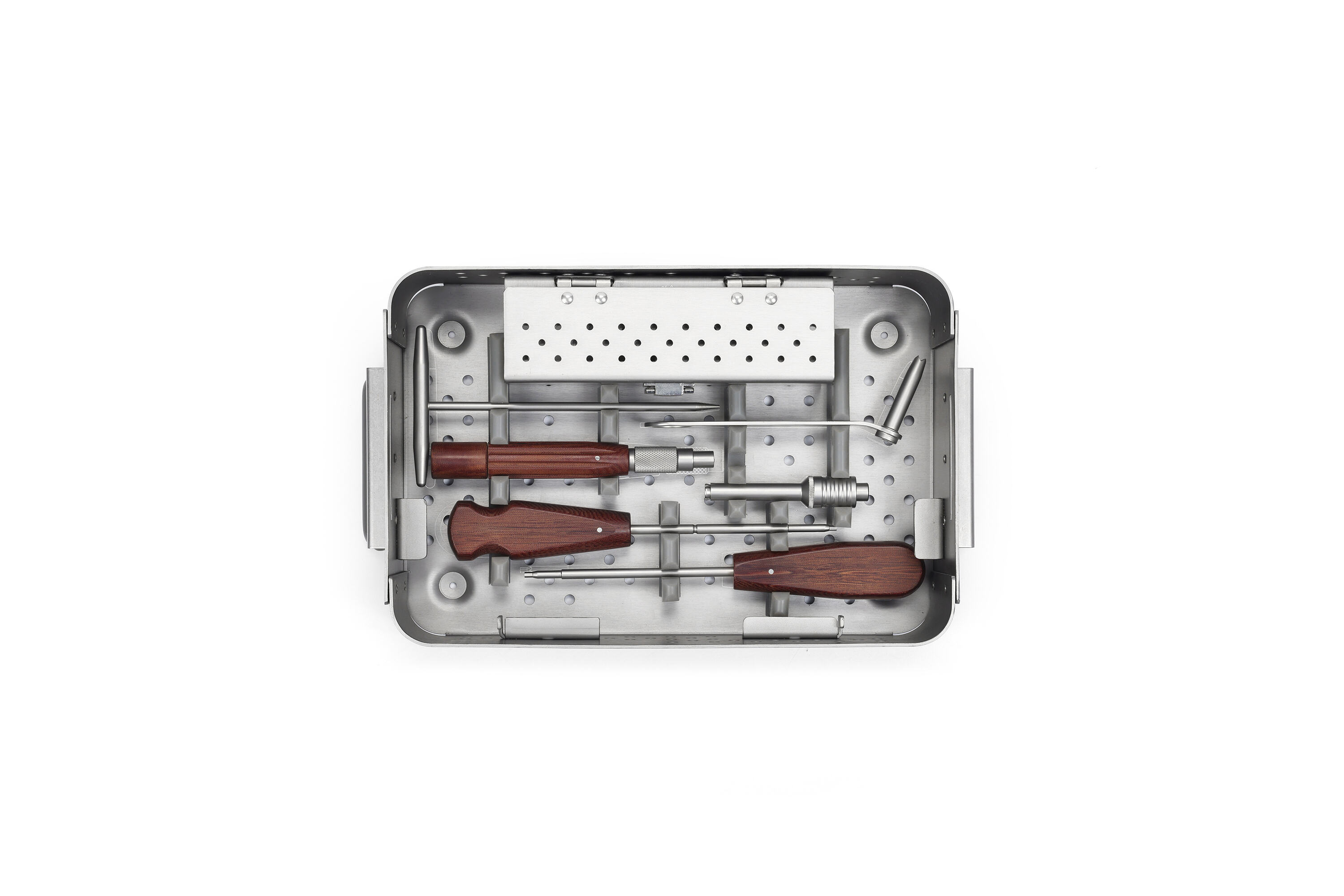
In the highly regulated and technically demanding field of orthopedic medical devices, the choice of manufacturing partner can determine whether a brand thrives or struggles in competitive global markets. Leading orthopedic companies increasingly recognize that precision-focused orthopedic OEM partners deliver more than just manufacturing capacity—they provide strategic advantages that directly impact product quality, regulatory compliance, and market positioning. This article examines why industry-leading brands consistently select partners with demonstrable precision manufacturing capabilities and how this decision translates into measurable competitive benefits.
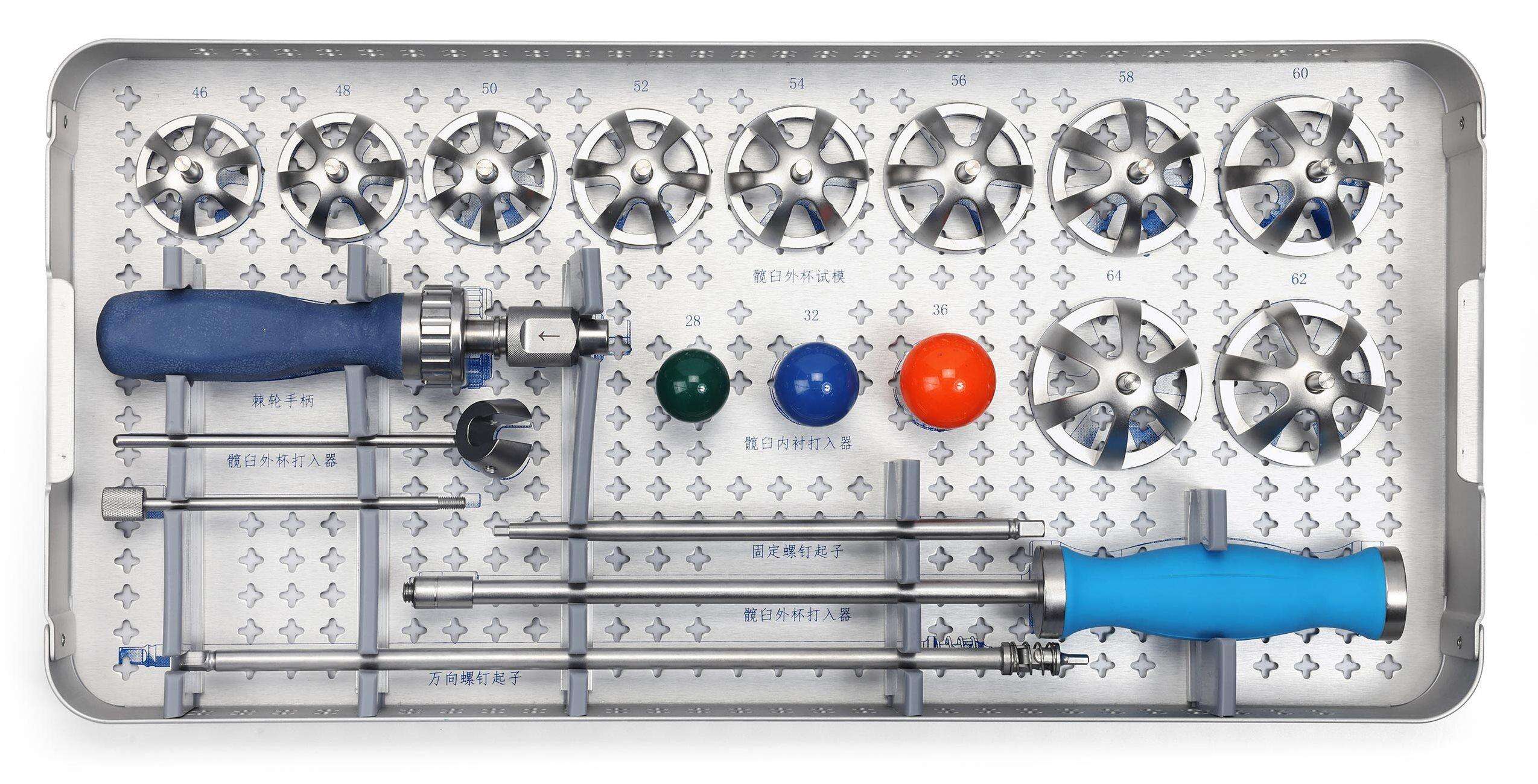
The orthopedic device market demands exceptional manufacturing tolerances where deviations measured in micrometers can affect patient outcomes and surgical success rates. Precision-focused orthopedic OEM partners invest in advanced machining technologies, quality control systems, and specialized expertise that generic contract manufacturers cannot replicate. For brands competing in joint replacement, trauma fixation, and surgical instrumentation segments, partnering with precision-specialized manufacturers has become a strategic imperative rather than a sourcing option. The following analysis explores three core competitive advantages that explain why market-leading orthopedic brands consistently choose partners who prioritize precision manufacturing above all other capabilities.
Manufacturing Excellence That Translates to Clinical Performance
Dimensional Accuracy and Implant Longevity
Precision manufacturing directly influences the functional lifespan of orthopedic implants, a critical factor that distinguishes premium brands from competitors in the medical device marketplace. When orthopedic OEM partners maintain tight dimensional tolerances across acetabular cups, femoral stems, and tibial components, they ensure optimal contact surfaces that minimize wear patterns and extend implant durability. Leading brands understand that even minor deviations from design specifications can create stress concentrations, accelerate polyethylene wear, or compromise osseointegration processes that determine long-term implant survival rates.
The relationship between manufacturing precision and clinical outcomes becomes particularly evident in bearing surface quality for hip and knee arthroplasty systems. Orthopedic OEM partners with advanced finishing capabilities can achieve surface roughness values below 0.05 micrometers Ra, directly reducing friction coefficients and particulate debris generation during the decades-long service life expected from modern implants. This level of precision manufacturing requires specialized equipment, validated processes, and quality control systems that verify every dimensional characteristic against design specifications before products reach surgical facilities.
Material utilization efficiency represents another dimension where precision-focused manufacturing creates competitive advantages for orthopedic brands. When orthopedic OEM partners employ five-axis machining centers and optimized toolpath strategies, they minimize material waste while maintaining exact geometric requirements for complex anatomical contours. This capability becomes especially valuable when working with expensive biocompatible alloys like cobalt-chromium-molybdenum or titanium-aluminum-vanadium, where material costs represent significant portions of production expenses. Brands partnering with precision-focused manufacturers benefit from cost structures that allow competitive pricing without compromising quality standards.
Consistency Across Production Volumes
The ability to maintain identical precision standards whether producing fifty units or fifty thousand units separates exceptional orthopedic OEM partners from conventional contract manufacturers. Leading orthopedic brands require this consistency to support global distribution networks where products manufactured in different batches or production runs must perform identically in operating rooms across diverse geographic markets. Precision-focused partners achieve this consistency through statistical process control methodologies that monitor critical dimensions throughout production cycles and implement corrective actions before variations exceed specification limits.
Validation protocols employed by precision-oriented orthopedic OEM partners provide documented evidence that manufacturing processes remain stable and capable across extended production periods. These protocols include first-article inspections, in-process monitoring at defined intervals, and final verification using coordinate measuring machines that capture hundreds of dimensional data points per component. For orthopedic brands, this documentation becomes essential for regulatory submissions, quality system audits, and post-market surveillance activities that regulators require throughout product lifecycles.
The competitive advantage of consistent precision extends to surgical technique reliability, a factor that influences surgeon preference and hospital purchasing decisions. When orthopedic OEM partners deliver instruments and implants with repeatable dimensional characteristics, surgeons develop confidence in handling properties, insertion techniques, and assembly procedures that remain constant regardless of when or where products were manufactured. This reliability reduces surgical variability, shortens procedure times, and contributes to predictable patient outcomes that build brand reputation within the orthopedic surgery community.
Regulatory Compliance as a Strategic Differentiator
Documentation Systems That Accelerate Market Access
Precision-focused orthopedic OEM partners maintain documentation systems that align with international regulatory requirements, providing brands with substantial advantages during product registration and market entry processes. These partners understand that regulatory authorities evaluate manufacturing capabilities as integral components of device approval decisions, examining process validation reports, equipment qualification records, and measurement system analyses that demonstrate consistent adherence to design specifications. Brands working with partners who have established these systems avoid delays associated with documentation gaps or inadequate process controls that can extend time-to-market by months or years.
The complexity of orthopedic device regulations across different jurisdictions makes partner selection critically important for brands pursuing global market strategies. Precision-oriented orthopedic OEM partners typically maintain certifications under ISO 13485 quality management standards, FDA registration for medical device manufacturing, and compliance with European Medical Device Regulation requirements. These certifications represent substantial investments in quality infrastructure, personnel training, and ongoing surveillance activities that generic manufacturers may not prioritize. For orthopedic brands, partnering with certified manufacturers reduces regulatory risk and provides confidence that products will meet requirements in target markets.
Traceability systems implemented by precision-focused partners create additional competitive advantages by enabling rapid response to post-market surveillance findings or rare adverse event reports. When orthopedic OEM partners maintain complete records linking raw material lots to finished devices through every manufacturing step, brands can quickly identify affected products, assess root causes, and implement corrective actions that satisfy regulatory obligations. This capability protects brand reputation and demonstrates the quality commitment that differentiates leading companies from competitors who cannot provide equivalent traceability.
Risk Mitigation Through Process Validation
Process validation represents a fundamental requirement in orthopedic device manufacturing, yet the depth and rigor of validation activities vary dramatically among potential manufacturing partners. Precision-focused orthopedic OEM partners conduct comprehensive validation studies that characterize process capabilities, identify critical parameters, and establish monitoring protocols that ensure continued process control. These validation efforts protect brands from quality failures that could trigger recalls, regulatory warnings, or market withdrawals that damage reputation and financial performance.
The investment required for thorough process validation explains why many orthopedic brands prefer established partners rather than attempting to qualify new manufacturers. Validation activities for complex orthopedic components may require months of effort, specialized metrology equipment, and statistical expertise to demonstrate that processes consistently produce devices meeting all specifications. Precision-oriented orthopedic OEM partners have already completed these validation activities for core processes, allowing brands to leverage proven manufacturing capabilities rather than investing resources in qualifying unproven suppliers.
Change control procedures maintained by precision-focused partners provide additional risk mitigation by ensuring that any modifications to materials, processes, or equipment undergo systematic evaluation before implementation. These procedures prevent unintended consequences that could affect product performance or regulatory compliance, protecting brands from quality issues that arise when manufacturing changes occur without adequate validation. Leading orthopedic companies recognize that robust change control represents a competitive advantage that reduces long-term risk and supports continuous improvement initiatives.
Innovation Support That Accelerates Product Development
Design for Manufacturability Expertise
Precision-focused orthopedic OEM partners contribute valuable expertise during product development phases, helping brands optimize designs for manufacturing efficiency without compromising clinical performance or regulatory compliance. These partners understand the relationships between geometric features, material properties, and manufacturing processes, enabling them to suggest design modifications that improve producibility while maintaining or enhancing functional characteristics. This collaborative approach accelerates development timelines and reduces the iterations required to achieve production-ready designs.
The design for manufacturability input provided by experienced orthopedic OEM partners becomes particularly valuable when brands pursue innovative features that challenge conventional manufacturing approaches. Partners with advanced precision capabilities can evaluate whether proposed designs are feasible with existing processes or identify the equipment investments and process development activities needed to achieve desired specifications. This early assessment prevents costly redesign cycles and helps brands make informed decisions about feature prioritization and development resource allocation.
Tolerance stackup analysis represents another area where precision-oriented partners add value during product development. When orthopedic devices include multiple components that must assemble with specific clearances or interference fits, manufacturing variations across individual parts can accumulate in ways that affect assembly or function. Experienced orthopedic OEM partners can model these tolerance stackups, recommend dimensional allocation strategies, and establish manufacturing controls that ensure assemblies consistently meet design intent. This expertise prevents field failures related to assembly issues and reduces warranty costs that erode profitability.
Prototyping Capabilities That Validate Concepts
Rapid prototyping services offered by precision-focused orthopedic OEM partners enable brands to validate design concepts, conduct biomechanical testing, and gather surgeon feedback using components that accurately represent production characteristics. Unlike prototypes produced through additive manufacturing or other rapid techniques that may not replicate final material properties or surface finishes, prototypes from precision manufacturing partners use production-equivalent processes and materials. This fidelity ensures that testing results and clinical evaluations provide reliable predictions of how final products will perform.
The ability to produce small quantities of prototype components economically distinguishes precision-oriented orthopedic OEM partners from manufacturers focused solely on high-volume production. These partners maintain flexible manufacturing systems that can accommodate prototype runs without requiring minimum order quantities or long lead times that delay development programs. For orthopedic brands competing in fast-moving market segments, this prototyping agility creates competitive advantages by shortening the time from concept to clinical evaluation.
Iterative development support provided by responsive orthopedic OEM partners allows brands to refine designs based on testing results or surgeon feedback without facing prohibitive costs or schedule delays. When partners can quickly produce revised prototypes incorporating design modifications, brands can explore multiple design alternatives and optimize product characteristics before committing to production tooling investments. This iterative approach reduces development risk and increases the likelihood that final products will achieve commercial success.
Long-Term Partnership Value Beyond Manufacturing
Supply Chain Stability in Uncertain Markets
Precision-focused orthopedic OEM partners typically maintain stable operations, qualified supply chains, and business continuity plans that protect brands from disruptions that can interrupt product availability. These partners recognize that orthopedic devices support essential medical procedures that cannot be postponed, making supply reliability a critical requirement for hospital customers and healthcare systems. By selecting partners with demonstrated stability and contingency planning, leading orthopedic brands minimize risks associated with manufacturing interruptions that could damage customer relationships and market position.
Material sourcing strategies employed by established orthopedic OEM partners provide additional stability advantages through qualified secondary suppliers, strategic inventory management, and long-term supplier relationships. These strategies ensure continued access to specialized biocompatible materials even during supply chain disruptions affecting broader industrial markets. Brands benefit from this supply chain maturity without needing to develop their own material sourcing capabilities or maintain direct relationships with numerous raw material suppliers.
The financial stability of precision-focused manufacturing partners represents an often-overlooked competitive advantage for orthopedic brands. Partners with sustainable business models, diversified customer bases, and sound financial management are more likely to maintain operations during economic downturns and continue investing in equipment, technology, and quality systems that support long-term manufacturing excellence. Leading brands evaluate partner financial health as part of supplier qualification processes, recognizing that manufacturer failures can create costly disruptions requiring emergency re-sourcing and product revalidation.
Continuous Improvement and Technology Adoption
Precision-oriented orthopedic OEM partners demonstrate commitment to continuous improvement through ongoing investments in advanced manufacturing technologies, personnel training, and process optimization initiatives. These improvement efforts benefit partner brands by gradually reducing costs, enhancing quality, and expanding manufacturing capabilities without requiring explicit development programs or cost-sharing arrangements. The cumulative effect of continuous improvement over multi-year partnerships creates substantial competitive advantages compared to brands whose manufacturing partners maintain static capabilities.
Technology adoption patterns distinguish forward-thinking orthopedic OEM partners from manufacturers who maintain legacy equipment and outdated processes. Partners who invest in advanced metrology systems, automation technologies, and digital manufacturing platforms position their brand customers to leverage these capabilities for next-generation product development. This technology leadership becomes increasingly important as orthopedic devices incorporate more complex geometries, novel materials, and personalized features that challenge conventional manufacturing approaches.
Knowledge transfer from experienced orthopedic OEM partners helps brands build internal expertise in manufacturing science, quality systems, and regulatory compliance. Through collaborative interactions during product development, process validation, and quality investigations, brand personnel gain insights that inform better design decisions and more realistic manufacturing expectations. This knowledge accumulation represents a strategic asset that enhances brand competitiveness beyond the specific products manufactured by current partners.
FAQ
What specific precision tolerances should brands expect from qualified orthopedic OEM partners?
Qualified orthopedic OEM partners should demonstrate capabilities to maintain dimensional tolerances within plus-or-minus 0.025 millimeters for critical fitting surfaces on joint replacement components, with even tighter tolerances for bearing surfaces where friction and wear characteristics are critical. Surface finish specifications typically range from 0.05 to 0.2 micrometers Ra depending on application requirements. Partners should provide process capability studies showing Cpk values of 1.33 or higher for critical characteristics, indicating that manufacturing processes are statistically capable of consistently meeting specifications with adequate safety margins.
How do precision-focused manufacturing capabilities affect product development timelines?
Precision-focused orthopedic OEM partners typically accelerate product development by reducing design iterations through early manufacturability input, producing high-fidelity prototypes that accurately predict production performance, and maintaining validated processes that simplify transfer to commercial manufacturing. Brands working with precision-oriented partners often complete development programs three to six months faster than those using generic manufacturers who lack specialized orthopedic expertise. The time savings result from fewer prototype cycles, more efficient process validation, and reduced regulatory documentation requirements when leveraging partner quality systems.
What quality certifications indicate that an OEM partner has adequate precision capabilities?
ISO 13485 certification for medical device quality management systems represents the baseline requirement for orthopedic OEM partners, demonstrating systematic approaches to quality control and regulatory compliance. Additional indicators include FDA registration as a contract manufacturer, compliance with European Medical Device Regulation requirements, and accreditation to ISO 17025 standards for calibration laboratories performing dimensional verification. Brands should also evaluate whether partners hold specific approvals from target market regulators and maintain certifications for specialized processes like sterilization validation or biocompatibility testing.
How can brands evaluate precision capabilities during partner selection processes?
Effective evaluation of orthopedic OEM partners requires facility audits that examine metrology equipment calibration status, review process validation documentation for similar products, and assess personnel qualifications in precision manufacturing and quality control. Brands should request capability studies demonstrating statistical process control for dimensions comparable to their product requirements, examine finished product samples under magnification to assess surface quality, and review corrective action records to understand how partners respond to quality deviations. Reference checks with current customers provide valuable insights into partner performance consistency and responsiveness to quality issues.
Table of Contents
- Manufacturing Excellence That Translates to Clinical Performance
- Regulatory Compliance as a Strategic Differentiator
- Innovation Support That Accelerates Product Development
- Long-Term Partnership Value Beyond Manufacturing
-
FAQ
- What specific precision tolerances should brands expect from qualified orthopedic OEM partners?
- How do precision-focused manufacturing capabilities affect product development timelines?
- What quality certifications indicate that an OEM partner has adequate precision capabilities?
- How can brands evaluate precision capabilities during partner selection processes?