Premium Hip Prosthesis Instruments Contract Manufacturing: Advanced Technology and Quality Assurance

Get a Free Quote

Our representative will contact you soon.
Email
Name
Company Name
Products
Message
0/1000

hip prosthesis instruments contract manufacturing

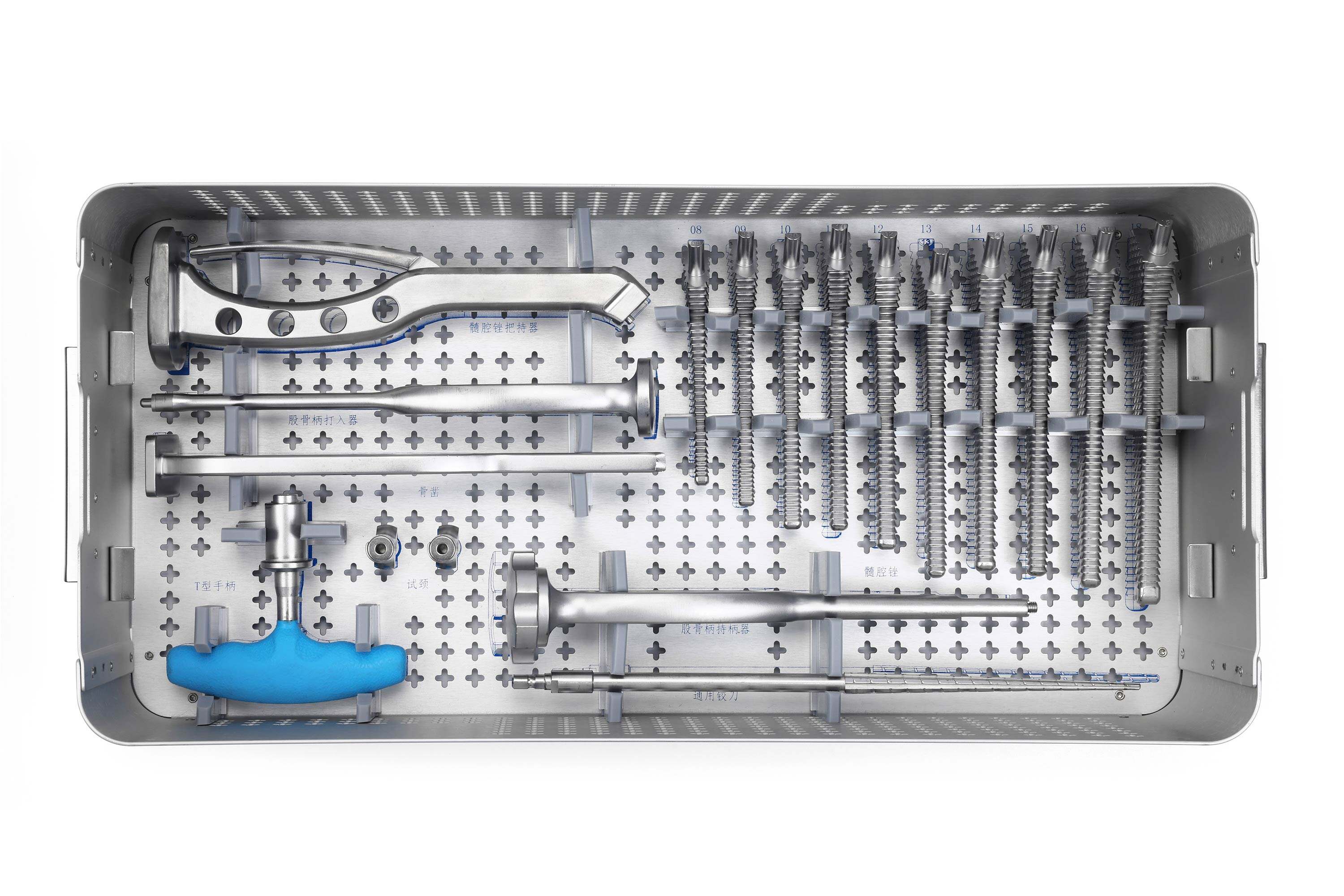
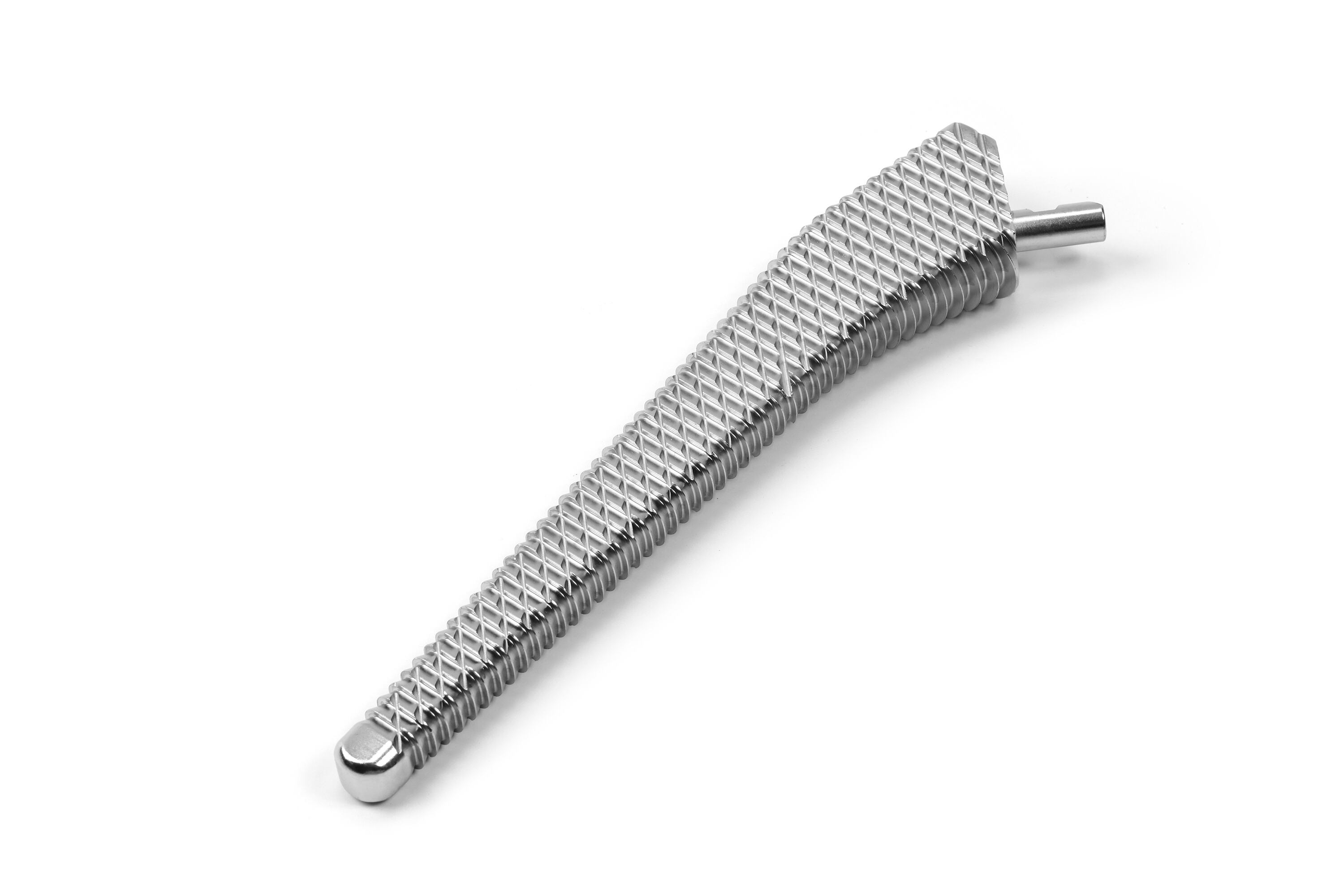
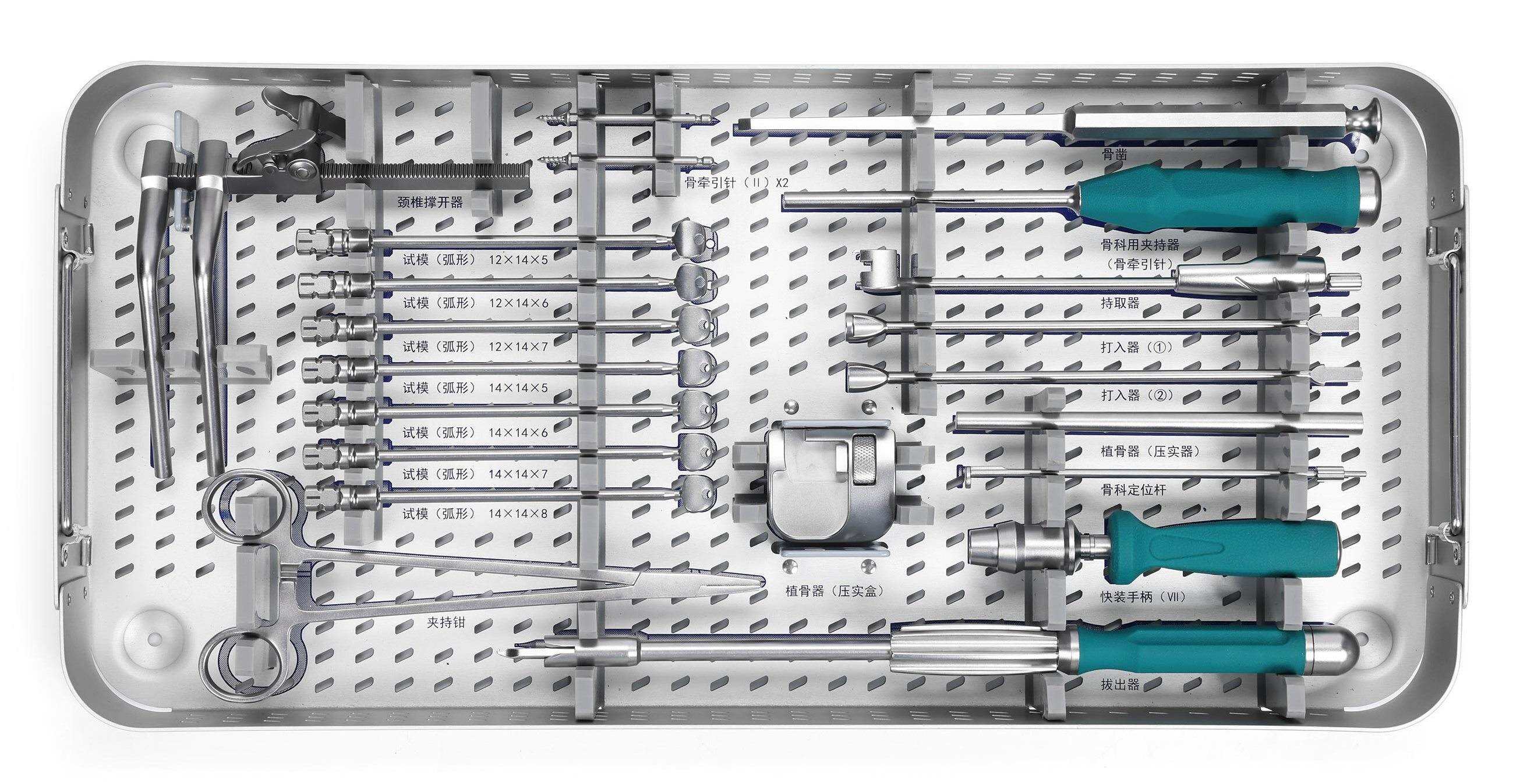
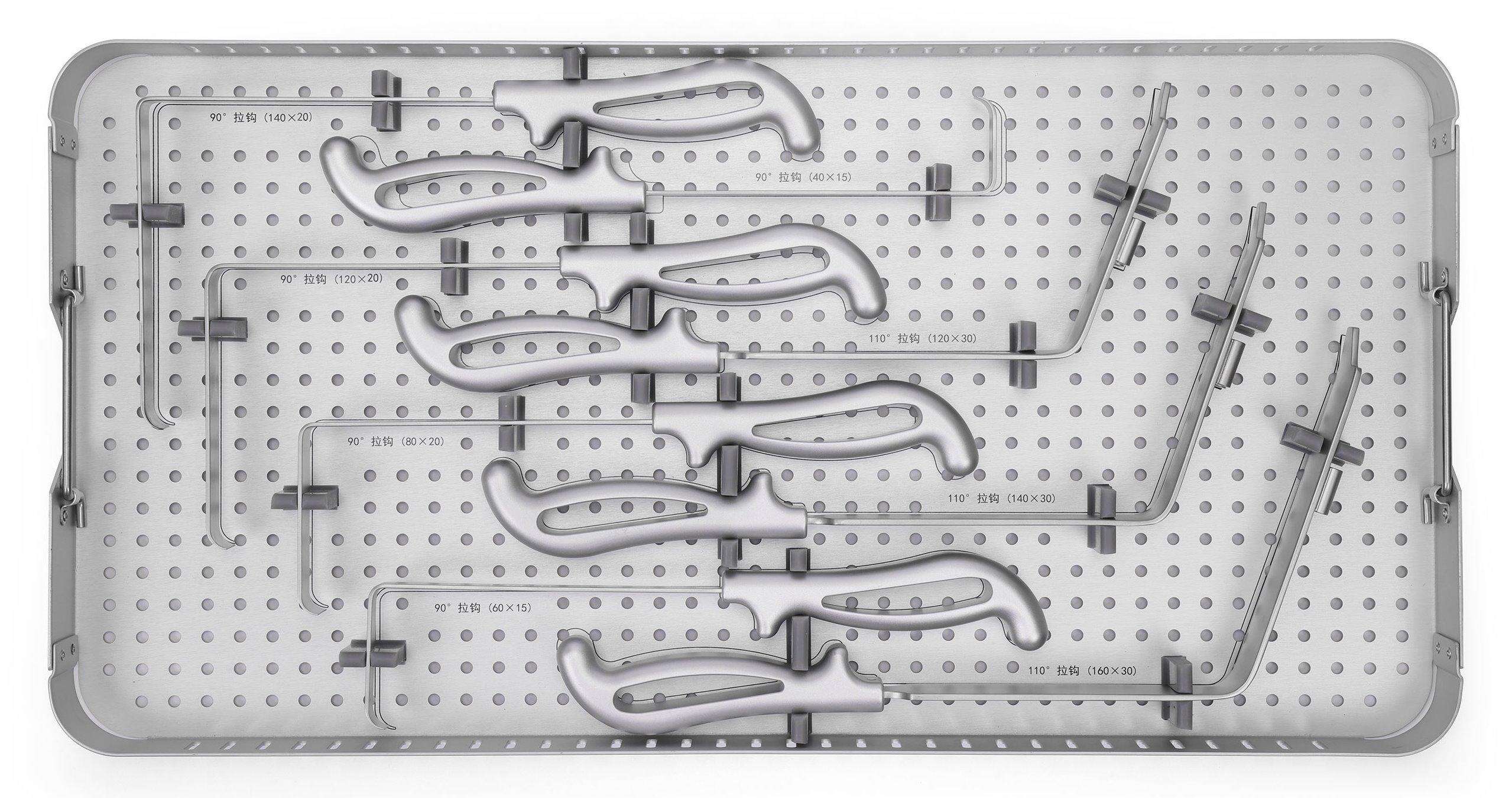
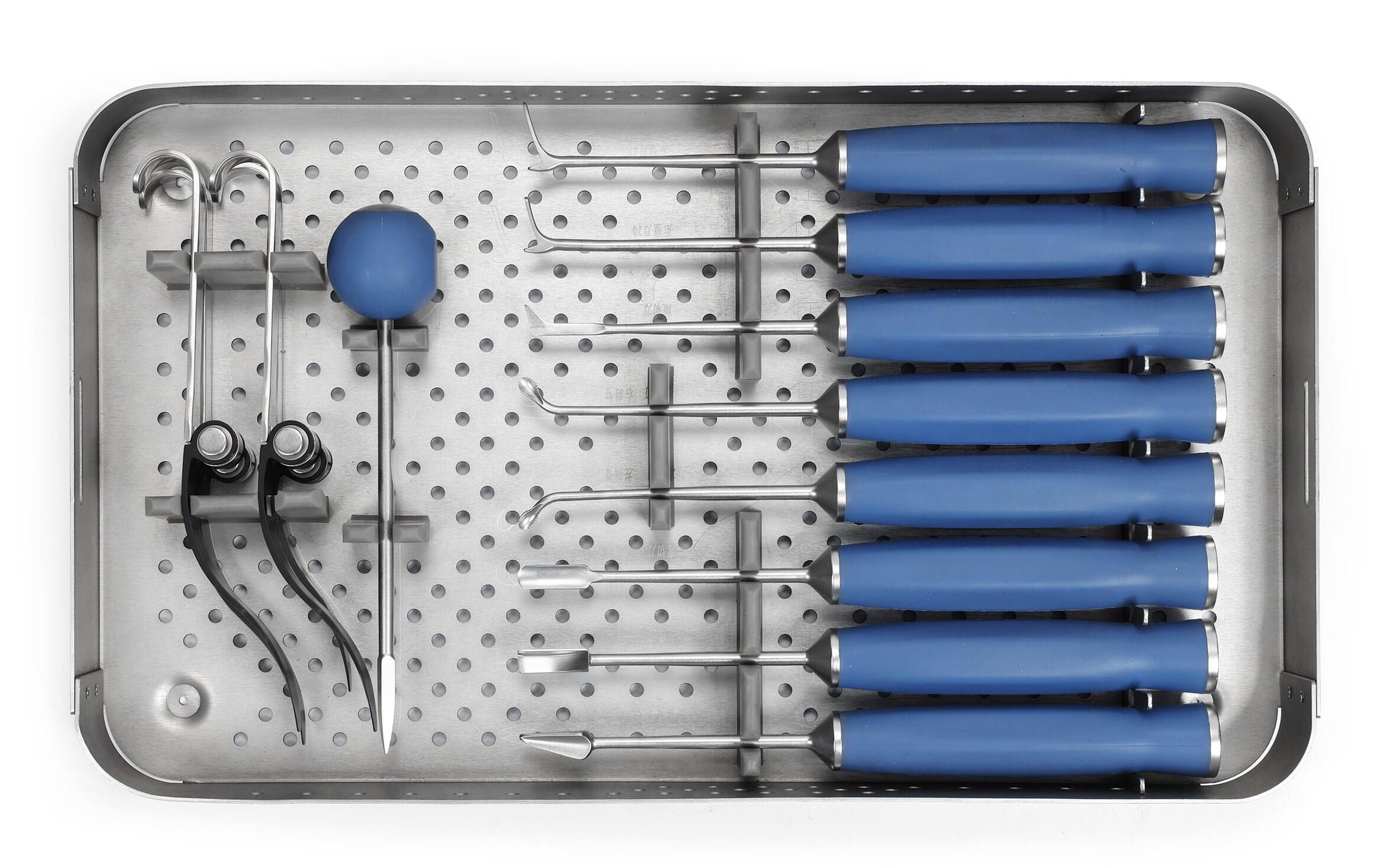
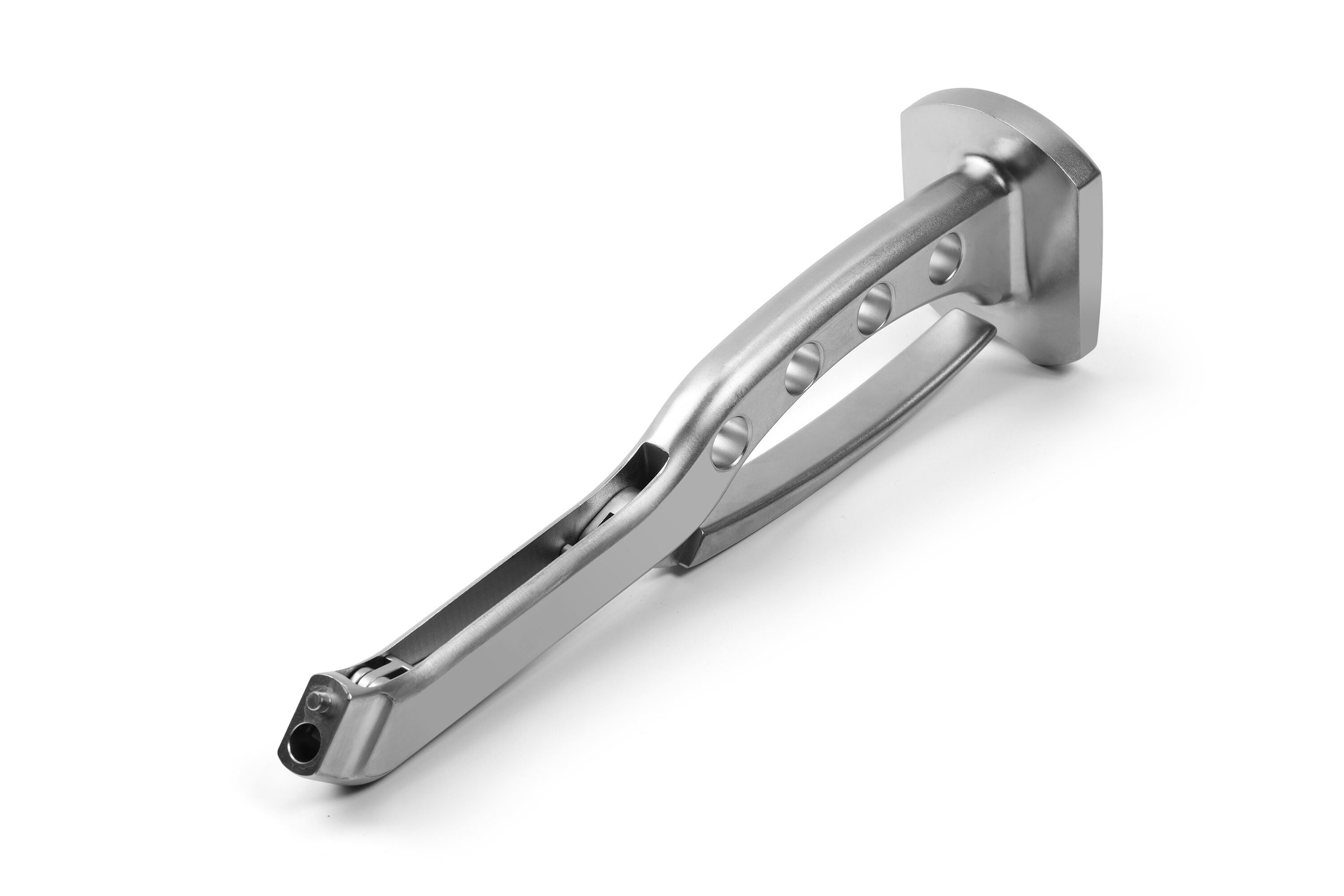
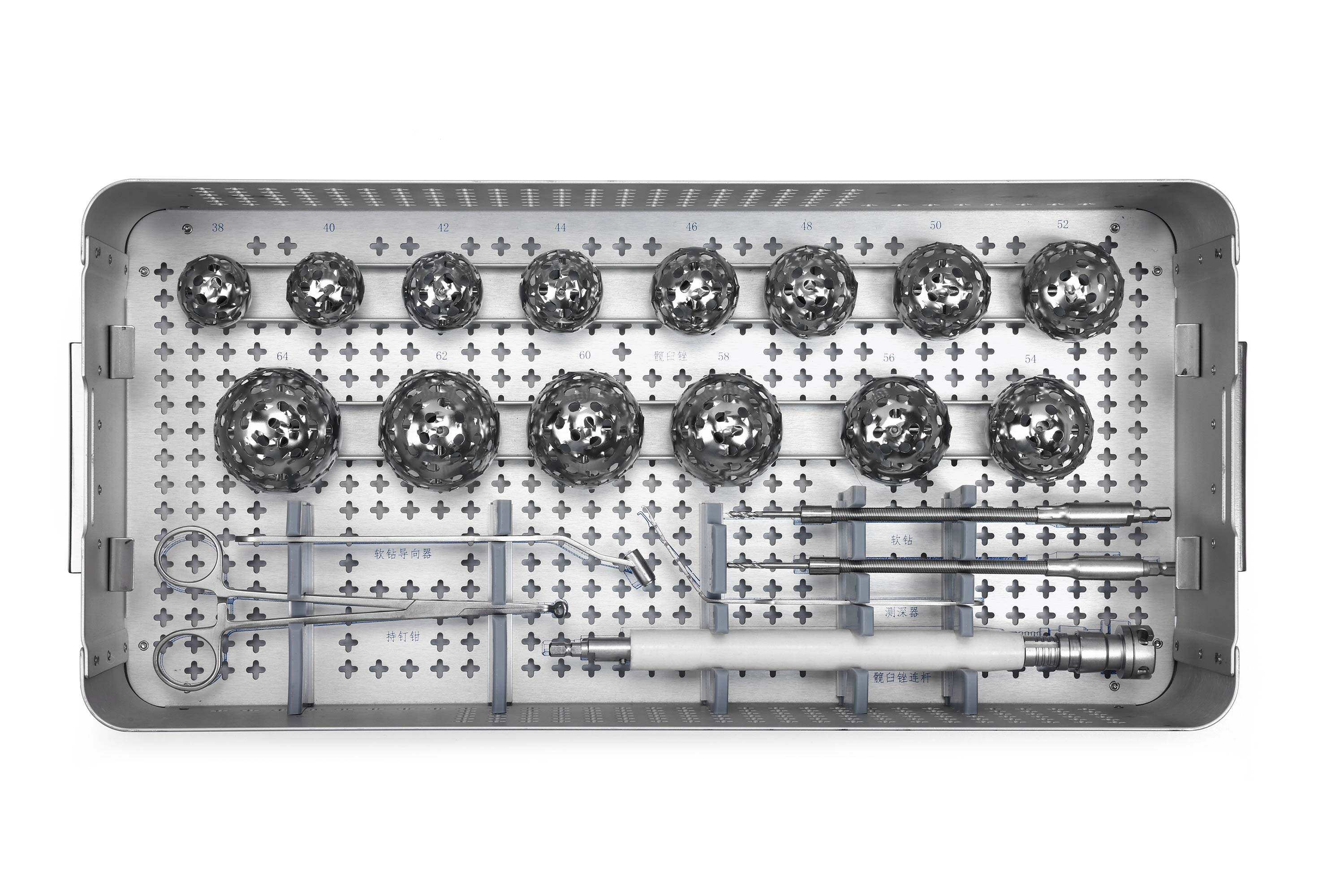
Hip prosthesis instruments contract manufacturing represents a specialized segment in the medical device industry, focusing on the precision production of surgical tools and components used in hip replacement procedures. This comprehensive manufacturing service encompasses the development, production, and quality assurance of various instruments essential for hip arthroplasty. These instruments include alignment guides, broaches, reamers, trial implants, and specialized cutting tools. Modern manufacturing facilities employ advanced CNC machining, precision engineering, and state-of-the-art quality control systems to ensure each instrument meets strict medical device regulations and standards. The manufacturing process integrates computer-aided design (CAD) and computer-aided manufacturing (CAM) technologies to achieve exceptional accuracy and consistency. Materials used in production typically include medical-grade stainless steel, titanium alloys, and other biocompatible materials that meet FDA and international regulatory requirements. The manufacturing process incorporates rigorous testing protocols, sterilization validation, and comprehensive documentation to ensure compliance with ISO 13485 standards and other relevant medical device regulations. This specialized service allows medical device companies and healthcare providers to access high-quality surgical instruments while maintaining cost-effectiveness through outsourced production capabilities.
New Product Recommendations

Hip prosthesis instruments contract manufacturing offers numerous compelling advantages for medical device companies and healthcare providers. First, it provides access to specialized expertise and advanced manufacturing capabilities without the need for significant capital investment in equipment and facilities. This arrangement allows companies to focus on their core competencies while relying on experienced manufacturers for production. Cost efficiency is another major benefit, as contract manufacturing eliminates the need for maintaining in-house production facilities and training specialized personnel. The scalability of production is particularly advantageous, allowing companies to adjust manufacturing volumes based on market demand without compromising quality or efficiency. Contract manufacturers maintain up-to-date compliance with regulatory requirements and quality standards, reducing the regulatory burden on medical device companies. Their established quality management systems ensure consistent product quality and reliability. The time-to-market advantage is significant, as experienced contract manufacturers can streamline the production process and leverage existing validated processes. Innovation support is another key benefit, with contract manufacturers often providing design for manufacturability (DFM) expertise and suggesting improvements to enhance product performance and reduce costs. The flexibility in production scheduling and capacity allocation helps companies manage inventory more effectively and respond quickly to market changes. Additionally, contract manufacturers often have established supply chain networks, helping to optimize material sourcing and reduce procurement costs. Their comprehensive testing and validation capabilities ensure product safety and reliability while maintaining full documentation for regulatory compliance.

Practical Tips

Technical Breakthroughs and Cost Reconstruction of Swiss Type Lathes

21

Aug

Technical Breakthroughs and Cost Reconstruction of Swiss Type Lathes

View More
Precision Upgrade of Swiss Type Lathes in the Era of Orthopedic Surgical Robots

21

Aug

Precision Upgrade of Swiss Type Lathes in the Era of Orthopedic Surgical Robots

View More
Mill-Turn Machining Centers: The Precision Force Reshaping Orthopedic Medical Device Manufacturing

21

Aug

Mill-Turn Machining Centers: The Precision Force Reshaping Orthopedic Medical Device Manufacturing

View More

Get a Free Quote

Our representative will contact you soon.
Email
Name
Company Name
Message
0/1000

hip prosthesis instruments contract manufacturing

Advanced Manufacturing Technology Integration

Advanced Manufacturing Technology Integration

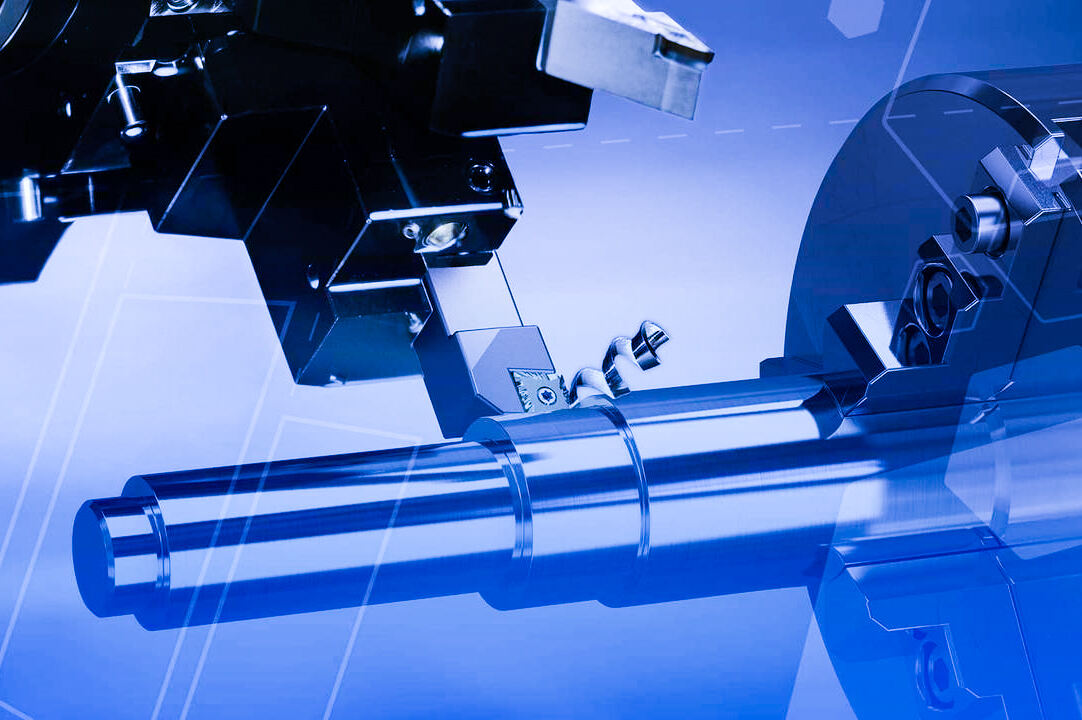
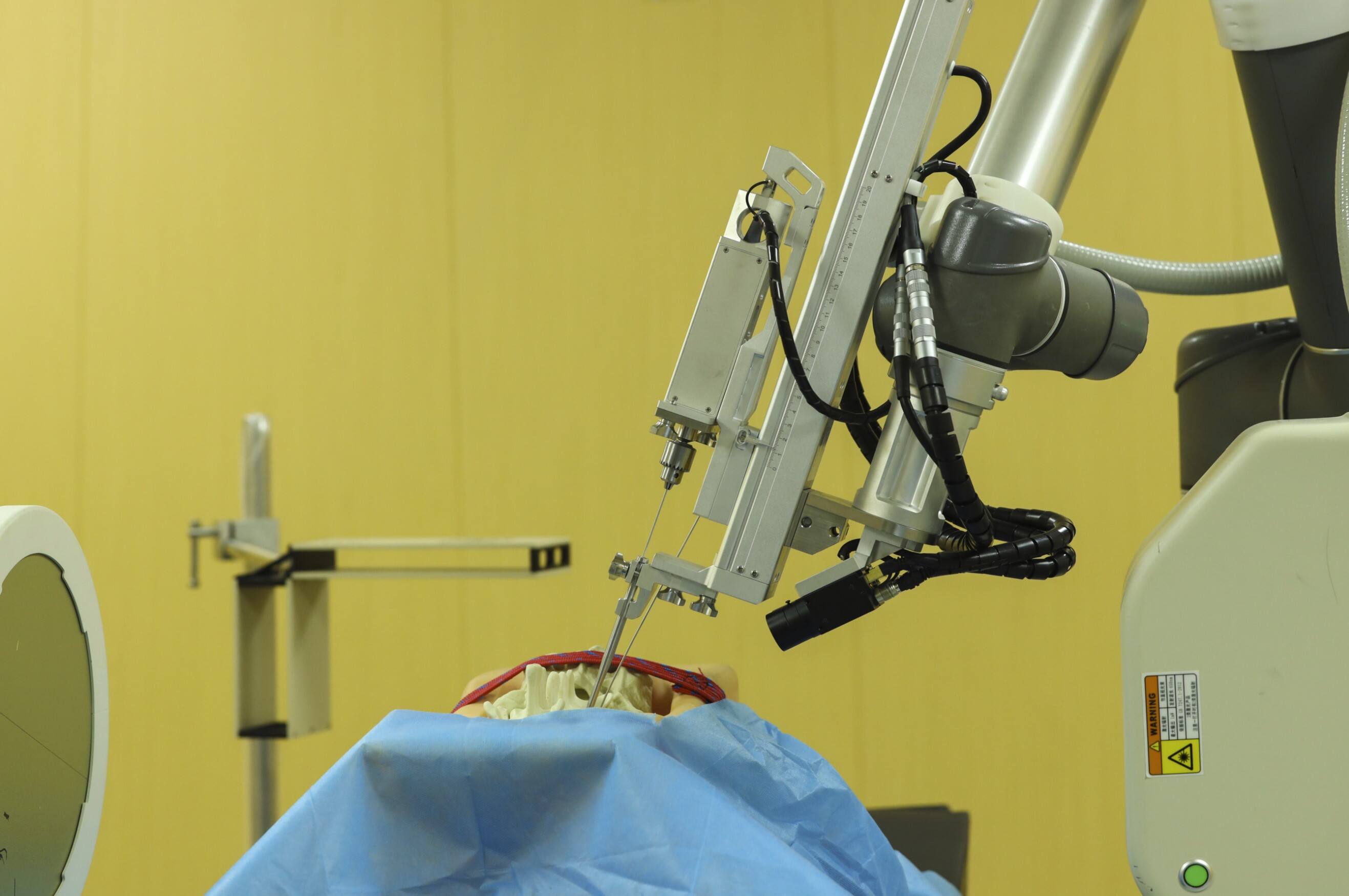
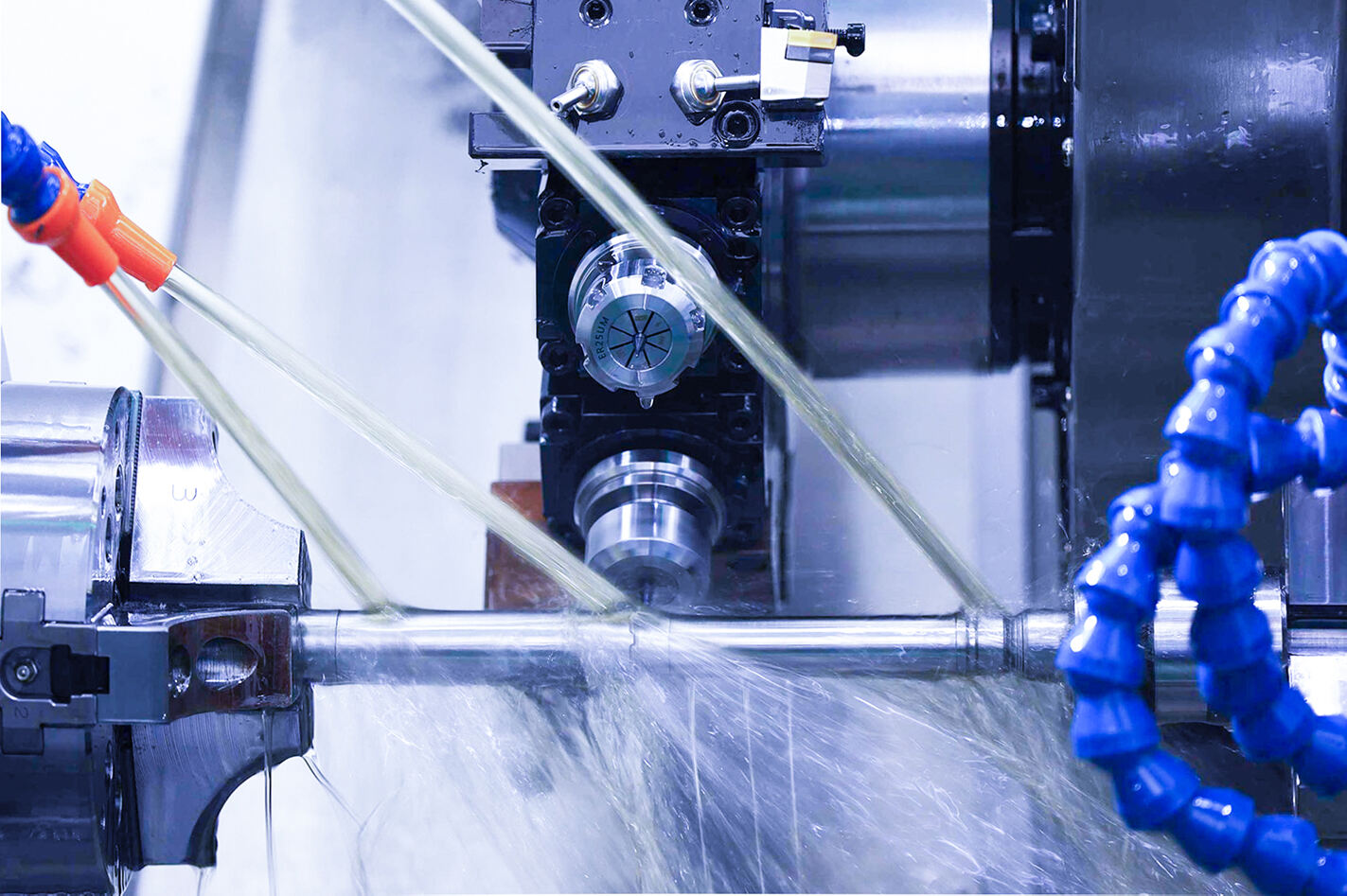
The integration of cutting-edge manufacturing technologies sets modern hip prosthesis instrument contract manufacturing apart from traditional production methods. These facilities utilize sophisticated 5-axis CNC machining centers, automated quality inspection systems, and advanced surface treatment processes to achieve unprecedented levels of precision and consistency. The implementation of Industry 4.0 principles enables real-time monitoring and adjustment of manufacturing parameters, ensuring optimal product quality. Digital twin technology allows for virtual simulation and optimization of production processes before physical manufacturing begins. The integration of robotics and automated material handling systems reduces human error and increases production efficiency. These advanced technologies enable manufacturers to maintain tolerances as tight as ±0.001 inches, essential for surgical instrument precision.
Comprehensive Quality Assurance Systems

Comprehensive Quality Assurance Systems

The quality assurance systems employed in hip prosthesis instruments contract manufacturing represent a multi-layered approach to ensuring product excellence. This includes automated in-line inspection systems, coordinate measuring machines (CMM) for dimensional verification, and sophisticated material testing protocols. Each production batch undergoes rigorous testing for mechanical properties, surface finish, and biocompatibility. The quality system incorporates statistical process control (SPC) to monitor and maintain production stability. Regular calibration of measurement equipment and validation of manufacturing processes ensure consistent quality standards. Documentation and traceability systems allow for complete product history tracking from raw material to finished instrument. These comprehensive quality measures help maintain compliance with international standards while minimizing the risk of product defects.
Regulatory Compliance and Documentation Excellence

Regulatory Compliance and Documentation Excellence

Contract manufacturers maintain exceptional standards in regulatory compliance and documentation management for hip prosthesis instruments. This includes maintaining current certifications for ISO 13485, FDA Good Manufacturing Practices (GMP), and other relevant international standards. The documentation system covers every aspect of production, from initial design validation through final product release. Each manufacturing step is documented with detailed standard operating procedures (SOPs), work instructions, and quality control records. The system includes comprehensive device master records (DMR) and device history records (DHR) for full traceability. Regular internal and external audits ensure continued compliance with regulatory requirements. This robust documentation system supports efficient regulatory submissions and helps expedite product approvals.
Premium Hip Prosthesis Instruments Contract Manufacturing: Advanced Technology and Quality Assurance

Get a Free Quote

Our representative will contact you soon.
Email
Name
Company Name
Products
Message
0/1000