Advanced Orthopedic Instrumentation OEM: Precision Manufacturing for Superior Surgical Solutions

Get a Free Quote

Our representative will contact you soon.
Email
Name
Company Name
Message
0/1000

orthopedic instrumentation oem

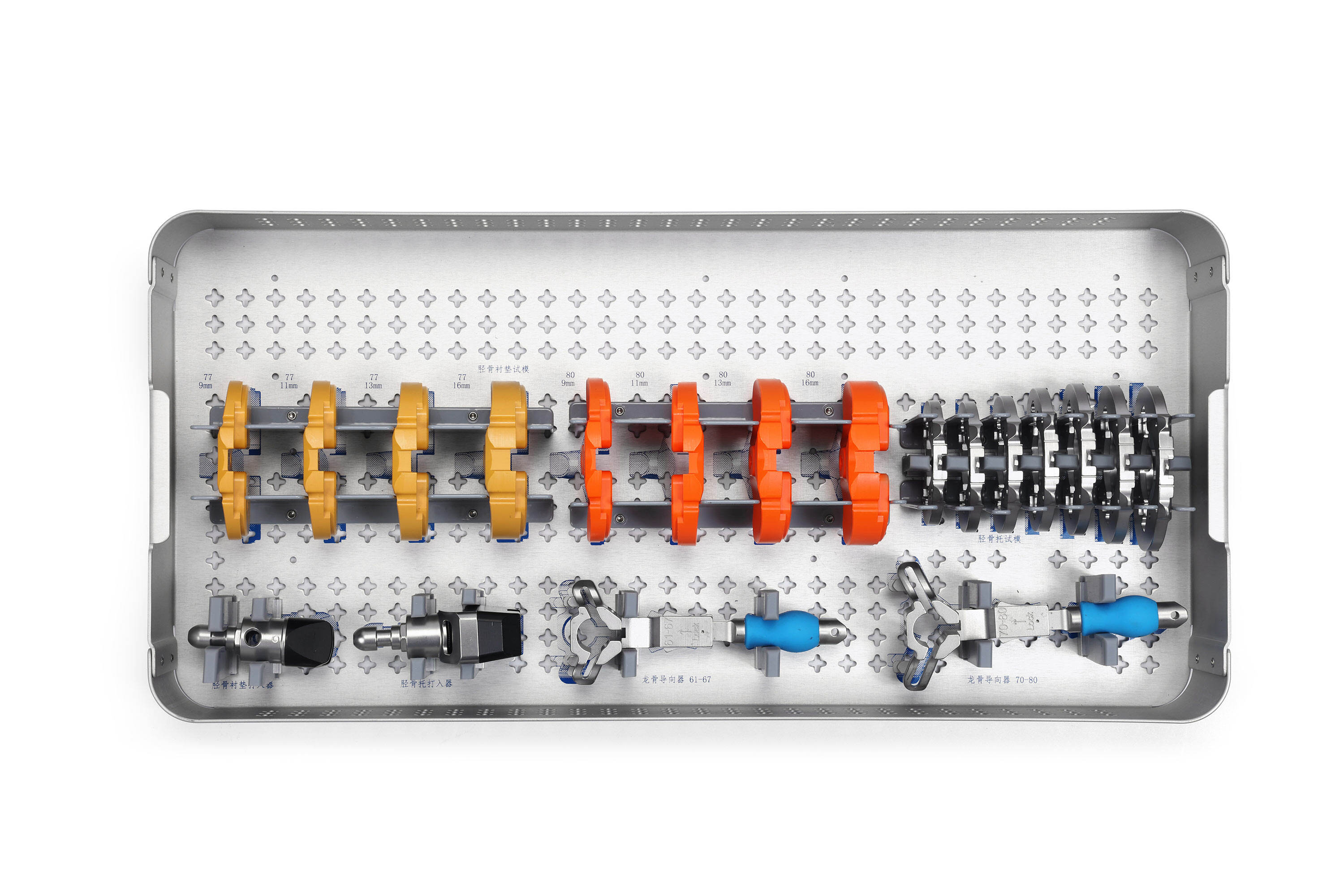
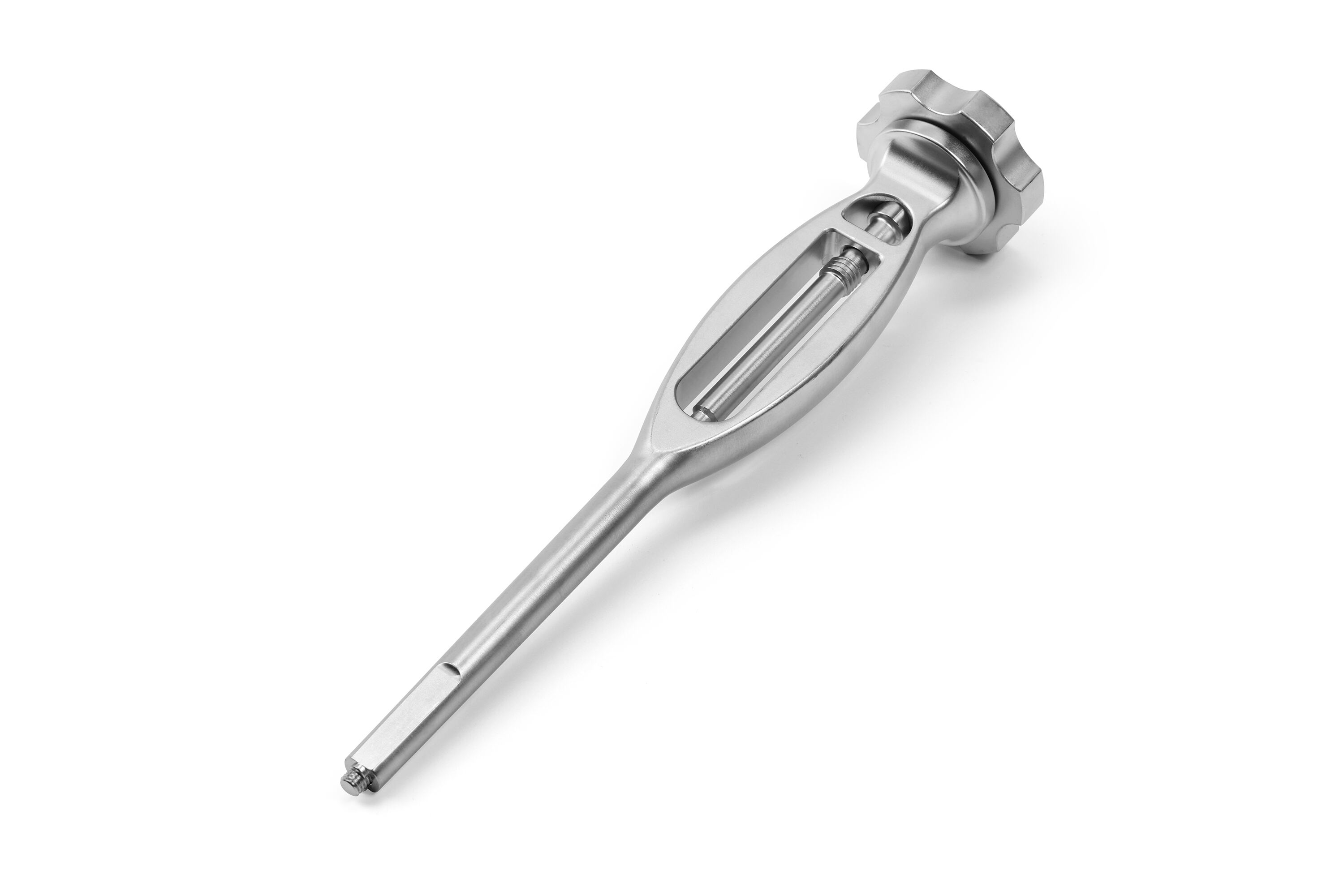
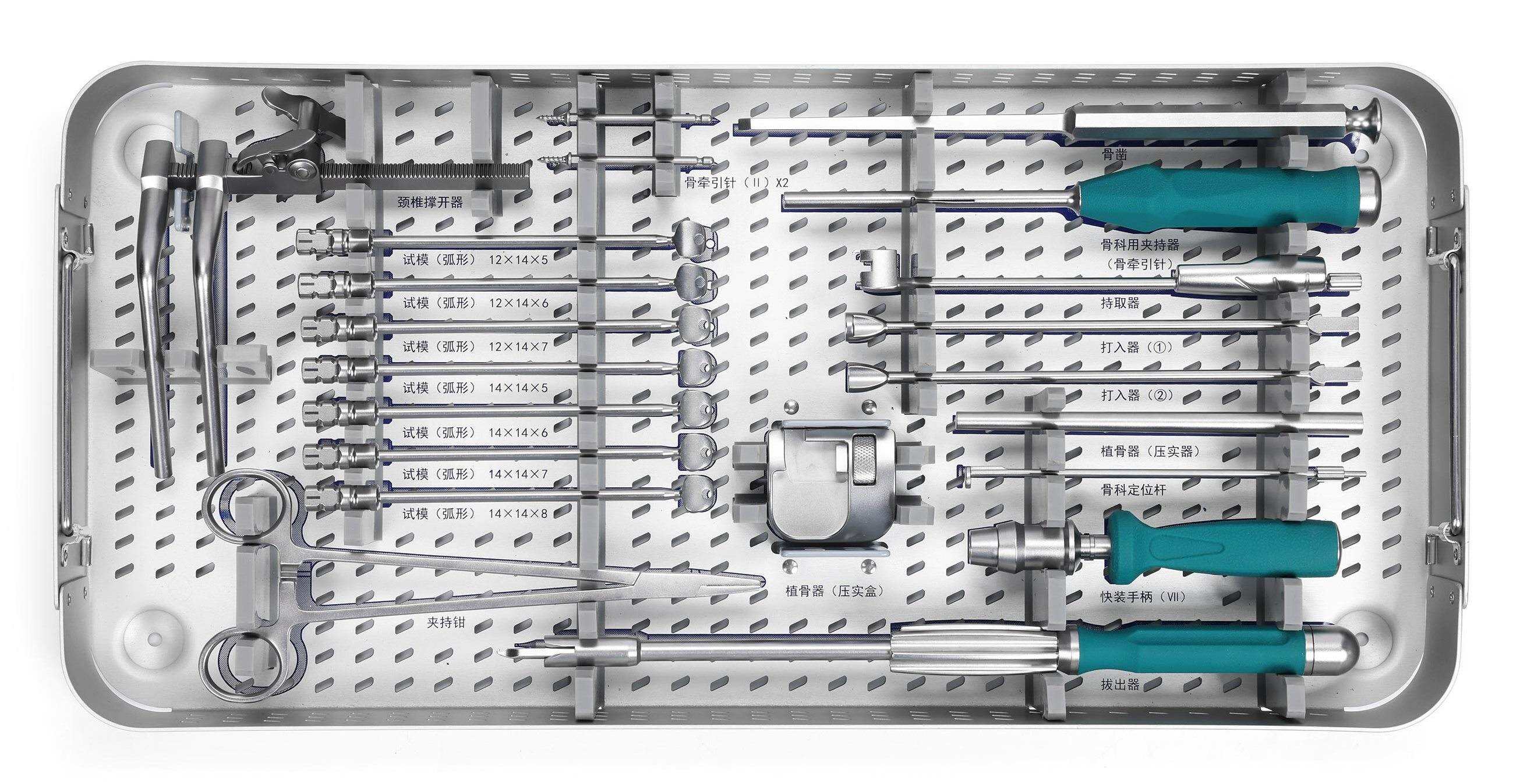
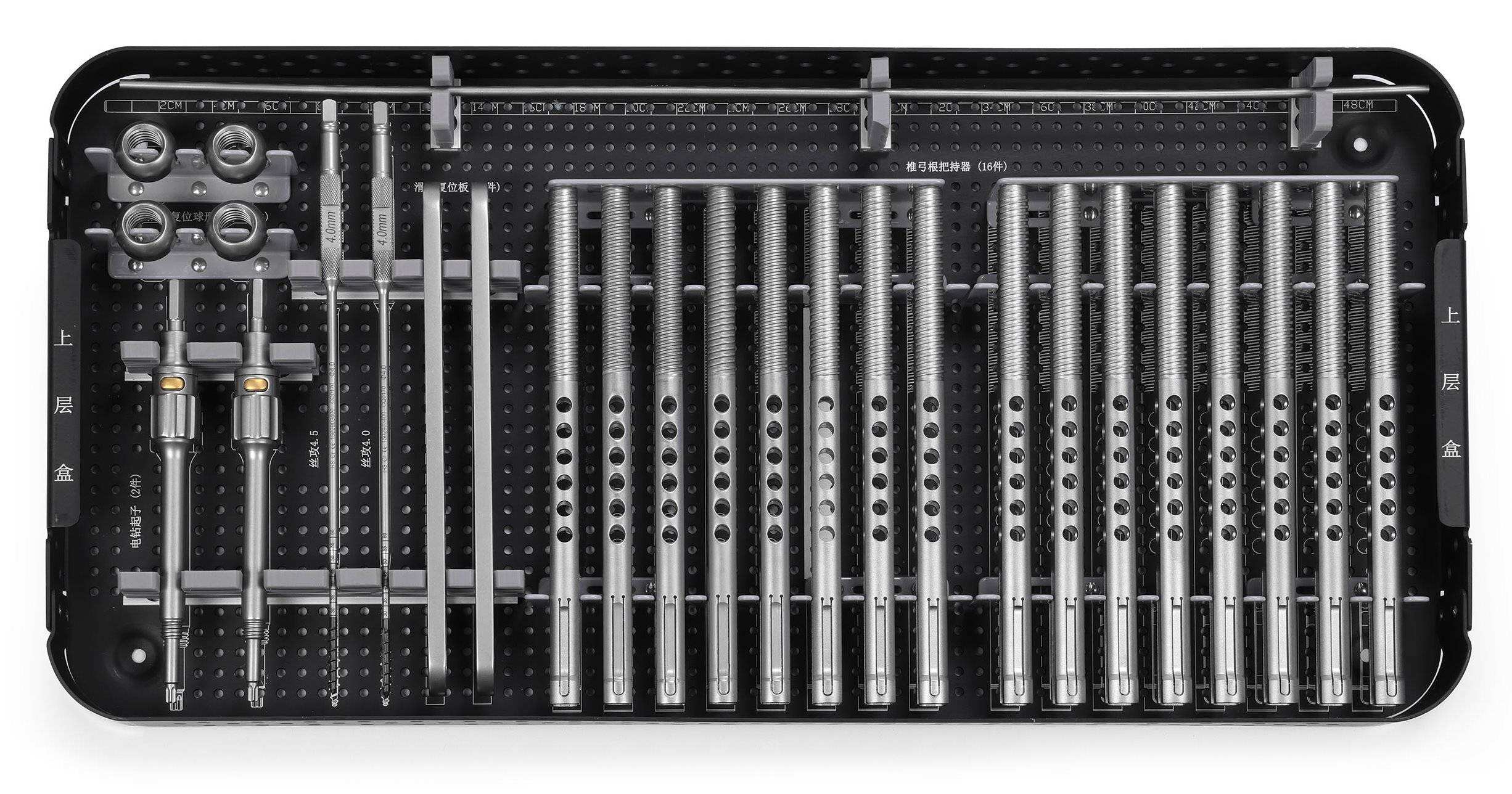
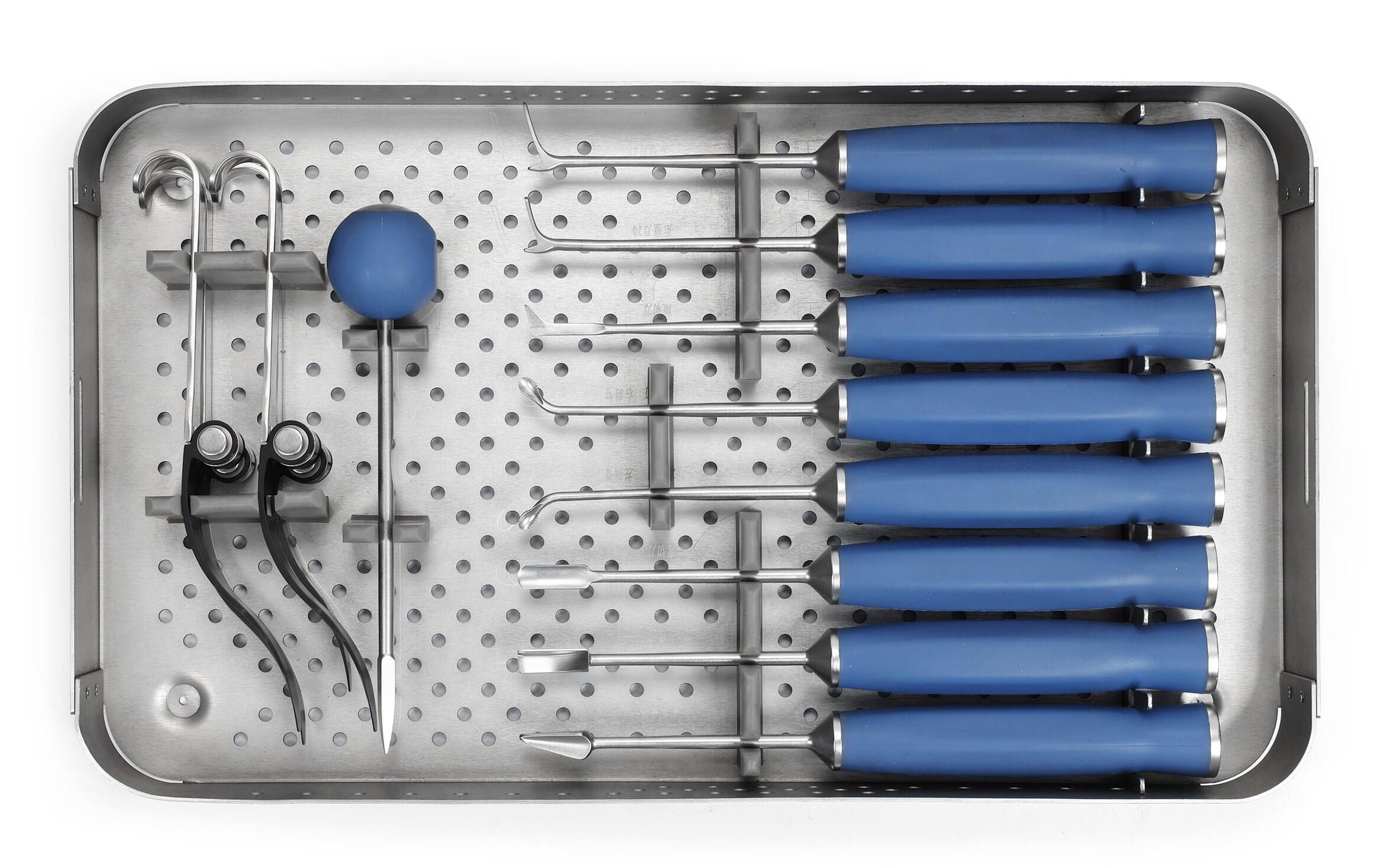
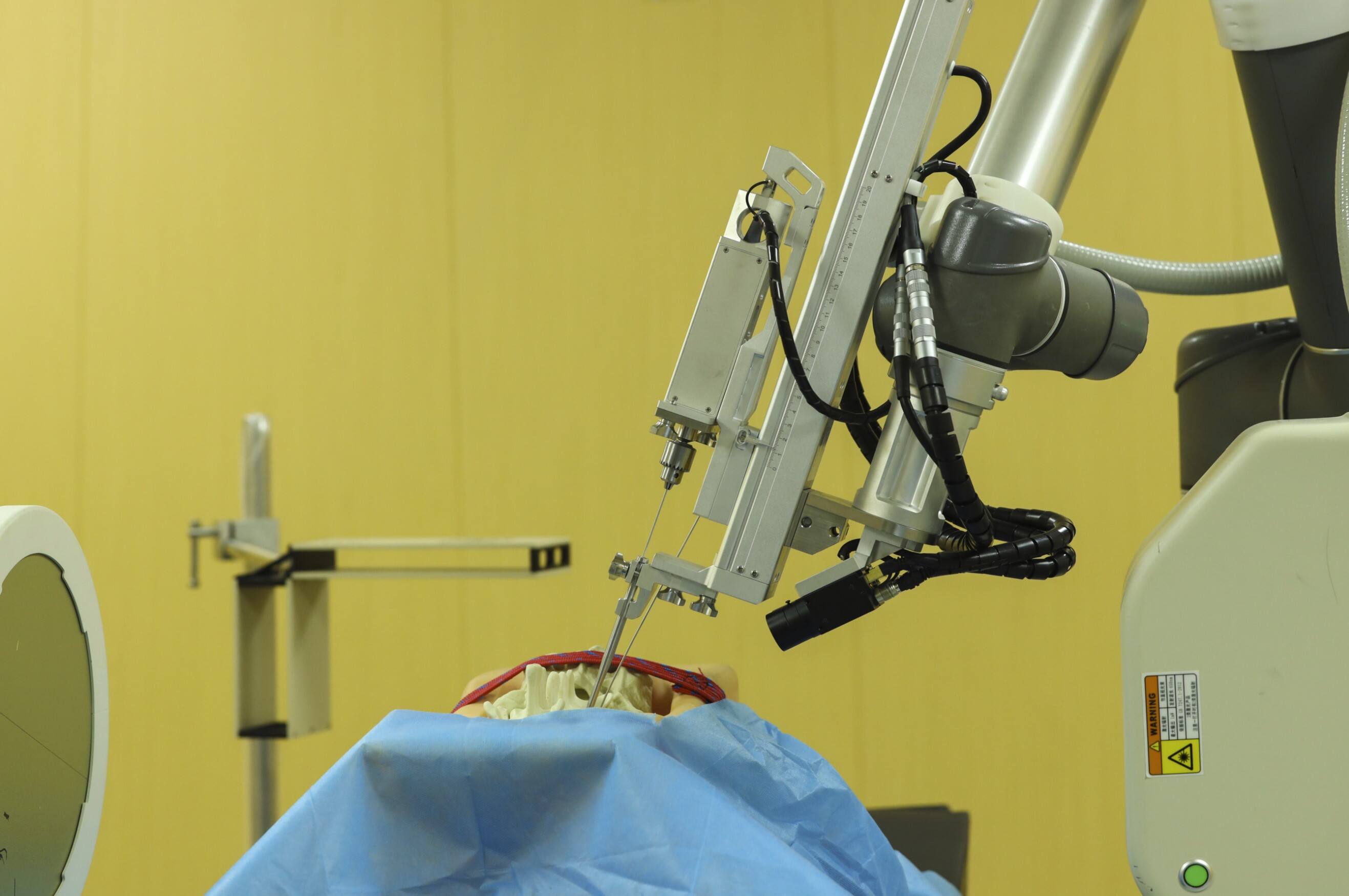
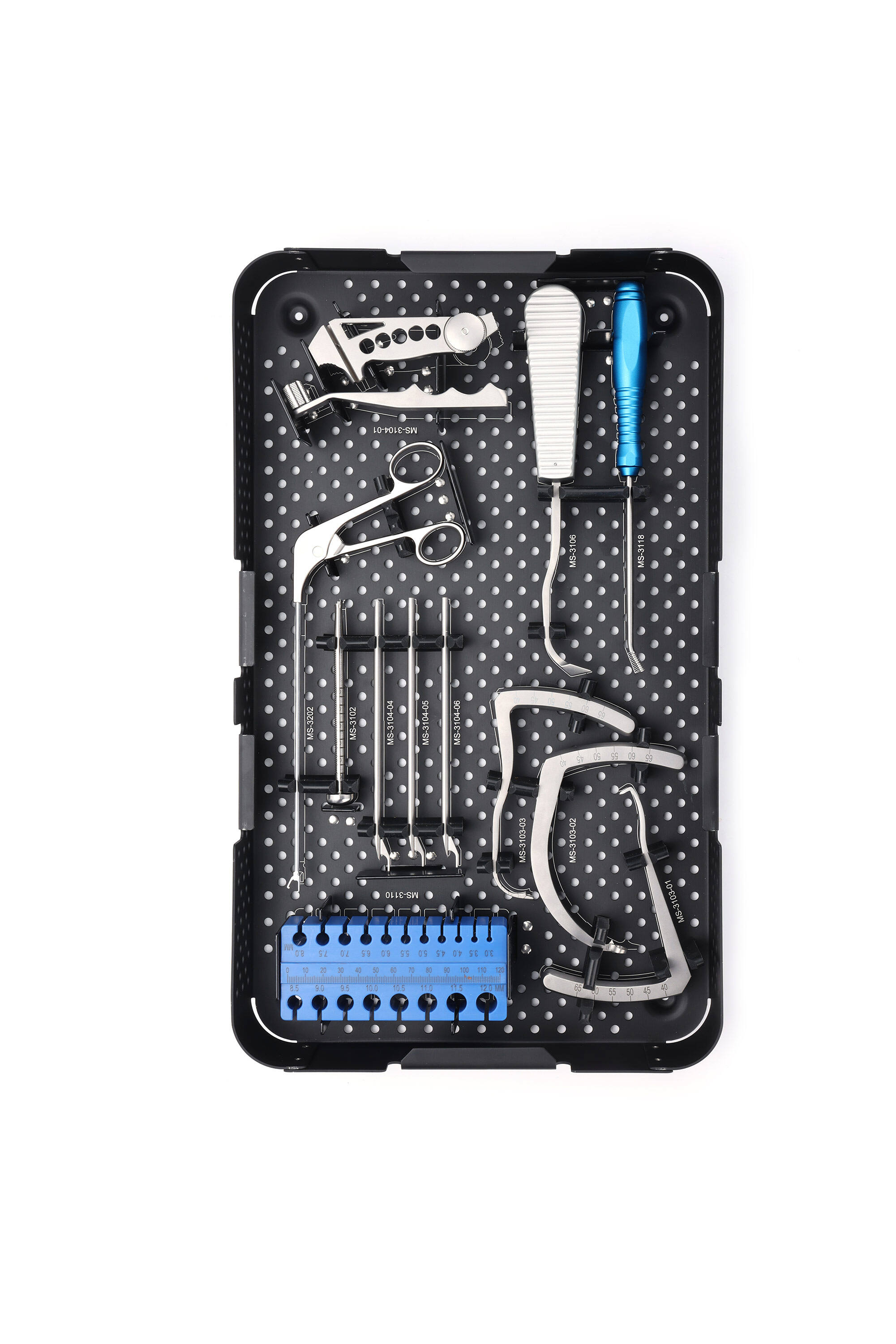
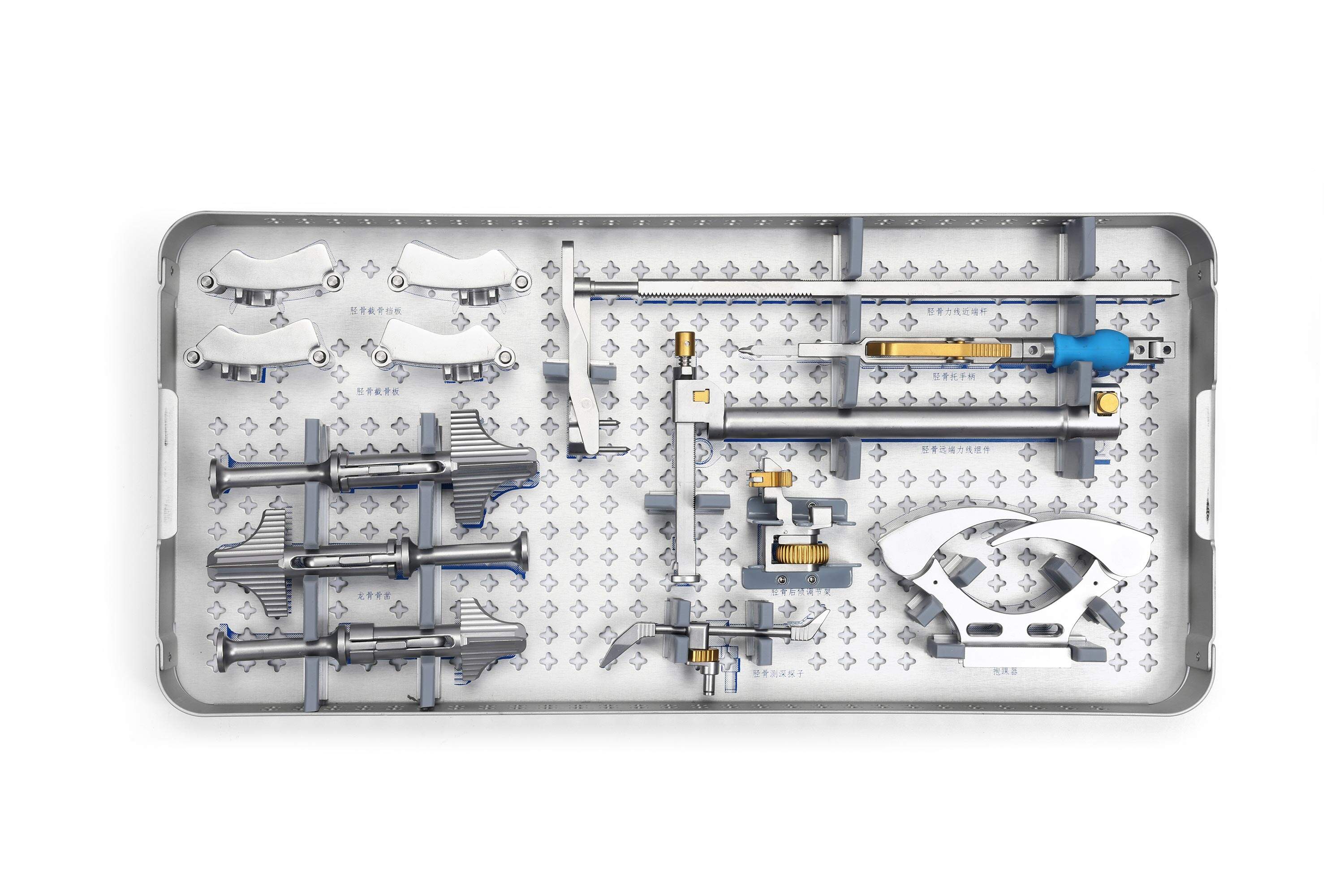
Orthopedic instrumentation OEM represents a crucial sector in medical device manufacturing, specializing in the design, development, and production of high-precision surgical tools and implants for orthopedic procedures. These manufacturers employ state-of-the-art technology and advanced materials to create instruments that meet stringent quality standards and regulatory requirements. The OEM process encompasses everything from initial concept development to final product delivery, including precision machining, surface treatment, and sterilization validation. These manufacturers utilize cutting-edge CAD/CAM systems for design optimization and employ advanced manufacturing techniques such as CNC machining and 3D printing to ensure precise specifications. Quality control measures include rigorous testing protocols, material certification, and comprehensive documentation to maintain compliance with international standards such as ISO 13485 and FDA requirements. The instruments produced range from basic surgical tools to complex, procedure-specific instruments for spine surgery, joint replacement, and trauma treatment. Additionally, these OEMs often provide customization services to meet specific surgeon preferences or unique procedural requirements, ensuring optimal surgical outcomes.
New Product Releases

Orthopedic instrumentation OEM offers numerous compelling advantages that make it an ideal choice for healthcare providers and medical facilities. First, partnering with an OEM ensures access to cutting-edge technology and innovative designs that continuously evolve with medical advances. These manufacturers maintain dedicated research and development teams that stay current with surgical techniques and material science developments. Cost-effectiveness is another significant advantage, as OEMs can leverage economies of scale and established manufacturing processes to produce high-quality instruments at competitive prices. Quality assurance is paramount, with comprehensive testing and validation processes that exceed industry standards. The flexibility in customization allows healthcare providers to obtain instruments tailored to specific surgical procedures or surgeon preferences, improving surgical outcomes and efficiency. Additionally, OEM partners typically offer comprehensive support services, including technical documentation, training materials, and rapid prototype development. Their established regulatory compliance processes ensure that all products meet necessary certifications and standards, reducing the burden on healthcare facilities. The vertical integration of many OEMs results in better control over the supply chain, ensuring consistent quality and timely delivery. Furthermore, these manufacturers often provide valuable insights into market trends and emerging technologies, helping healthcare providers stay competitive in the evolving medical landscape.

Tips And Tricks

Technical Breakthroughs and Cost Reconstruction of Swiss Type Lathes

21

Aug

Technical Breakthroughs and Cost Reconstruction of Swiss Type Lathes

View More
Precision Upgrade of Swiss Type Lathes in the Era of Orthopedic Surgical Robots

21

Aug

Precision Upgrade of Swiss Type Lathes in the Era of Orthopedic Surgical Robots

View More
Mill-Turn Machining Centers: The Precision Force Reshaping Orthopedic Medical Device Manufacturing

21

Aug

Mill-Turn Machining Centers: The Precision Force Reshaping Orthopedic Medical Device Manufacturing

View More

Get a Free Quote

Our representative will contact you soon.
Email
Name
Company Name
Message
0/1000

orthopedic instrumentation oem

Advanced Manufacturing Capabilities

Advanced Manufacturing Capabilities

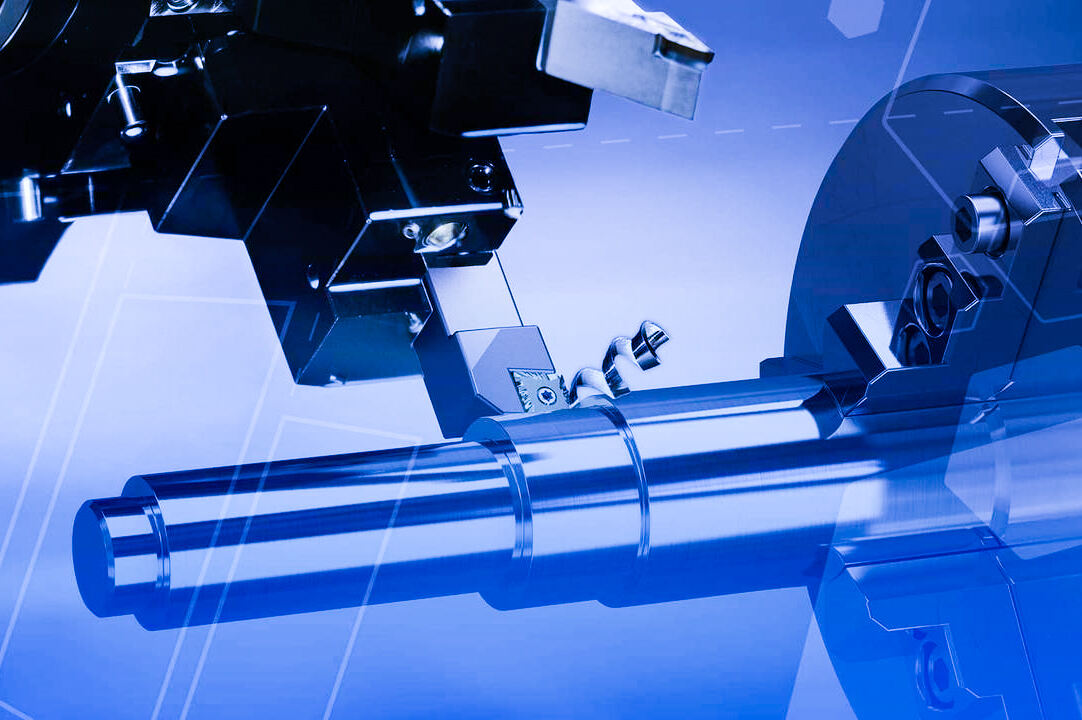
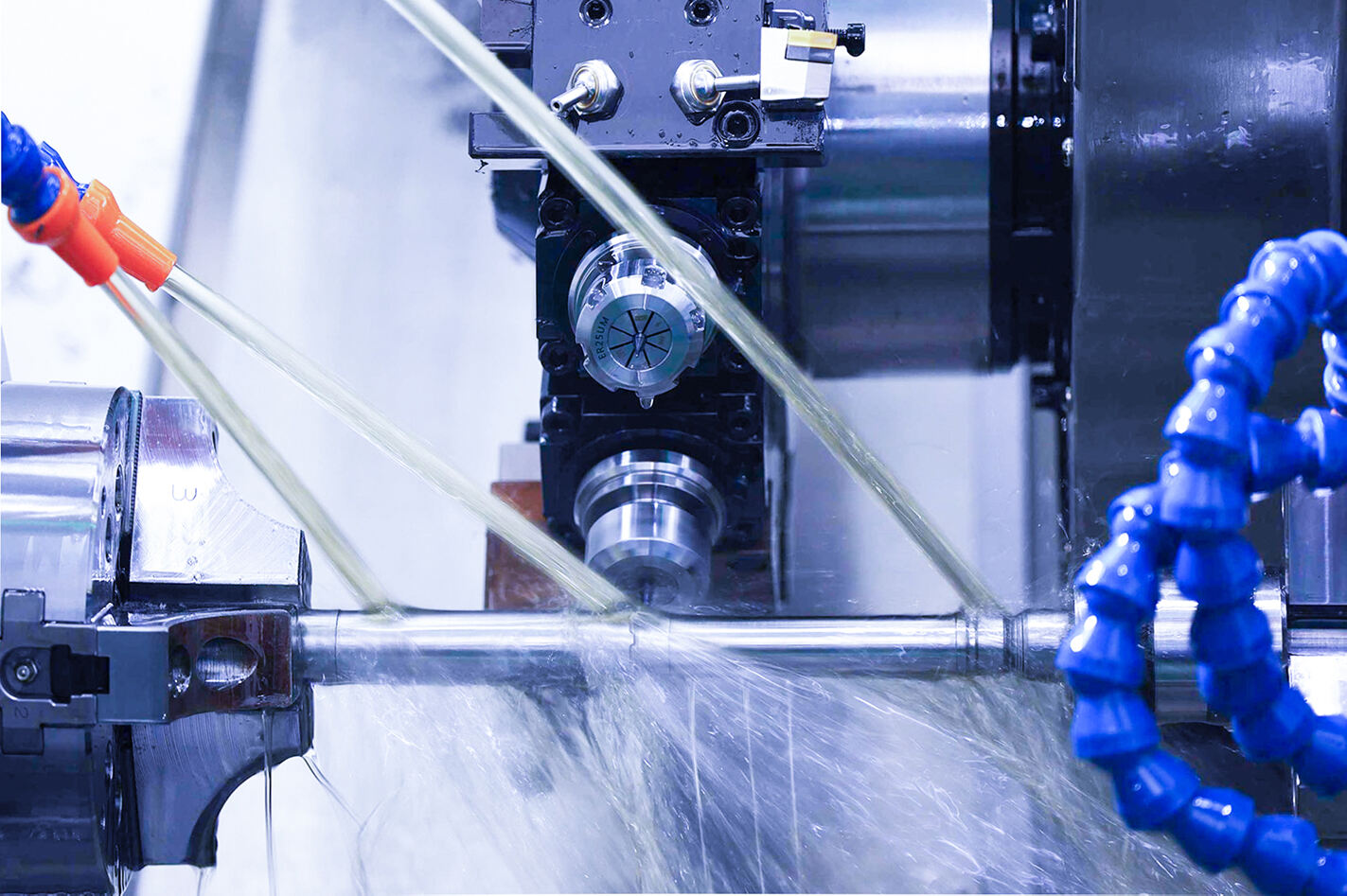
Orthopedic instrumentation OEMs leverage state-of-the-art manufacturing technologies that set new standards in precision and reliability. These facilities utilize advanced CNC machining centers capable of achieving tolerances as precise as 0.001mm, ensuring exceptional accuracy in every instrument produced. The implementation of automated quality control systems, including coordinate measuring machines (CMM) and optical inspection systems, guarantees consistency across production runs. Modern manufacturing processes incorporate sophisticated surface treatment techniques, such as electropolishing and passive coating, which enhance instrument durability and corrosion resistance. The integration of computer-aided manufacturing (CAM) software enables rapid prototyping and efficient production scaling, reducing time-to-market while maintaining superior quality standards.
Comprehensive Quality Management System

Comprehensive Quality Management System

The quality management system implemented by orthopedic instrumentation OEMs encompasses every aspect of production, from material sourcing to final product validation. This system includes rigorous supplier qualification processes, incoming material inspection, in-process quality checks, and final product verification. Documentation control systems ensure traceability of all manufacturing processes and materials used. Regular internal audits and third-party certifications maintain compliance with international standards such as ISO 13485 and FDA requirements. The system also includes comprehensive validation protocols for cleaning, packaging, and sterilization processes, ensuring that all instruments meet the highest standards of safety and reliability for surgical use.
Customization and Design Expertise

Customization and Design Expertise

Orthopedic instrumentation OEMs excel in providing customized solutions that address specific surgical needs and preferences. Their design teams combine extensive medical knowledge with engineering expertise to create innovative instruments that improve surgical outcomes. The design process involves close collaboration with surgeons and medical professionals, incorporating their feedback to optimize instrument ergonomics and functionality. Advanced 3D modeling and simulation tools enable rapid prototype development and testing, reducing development cycles while ensuring optimal performance. The ability to modify existing designs or create entirely new instruments allows healthcare providers to address unique surgical challenges and improve procedural efficiency.

Get a Free Quote

Our representative will contact you soon.
Email
Name
Company Name
Message
0/1000