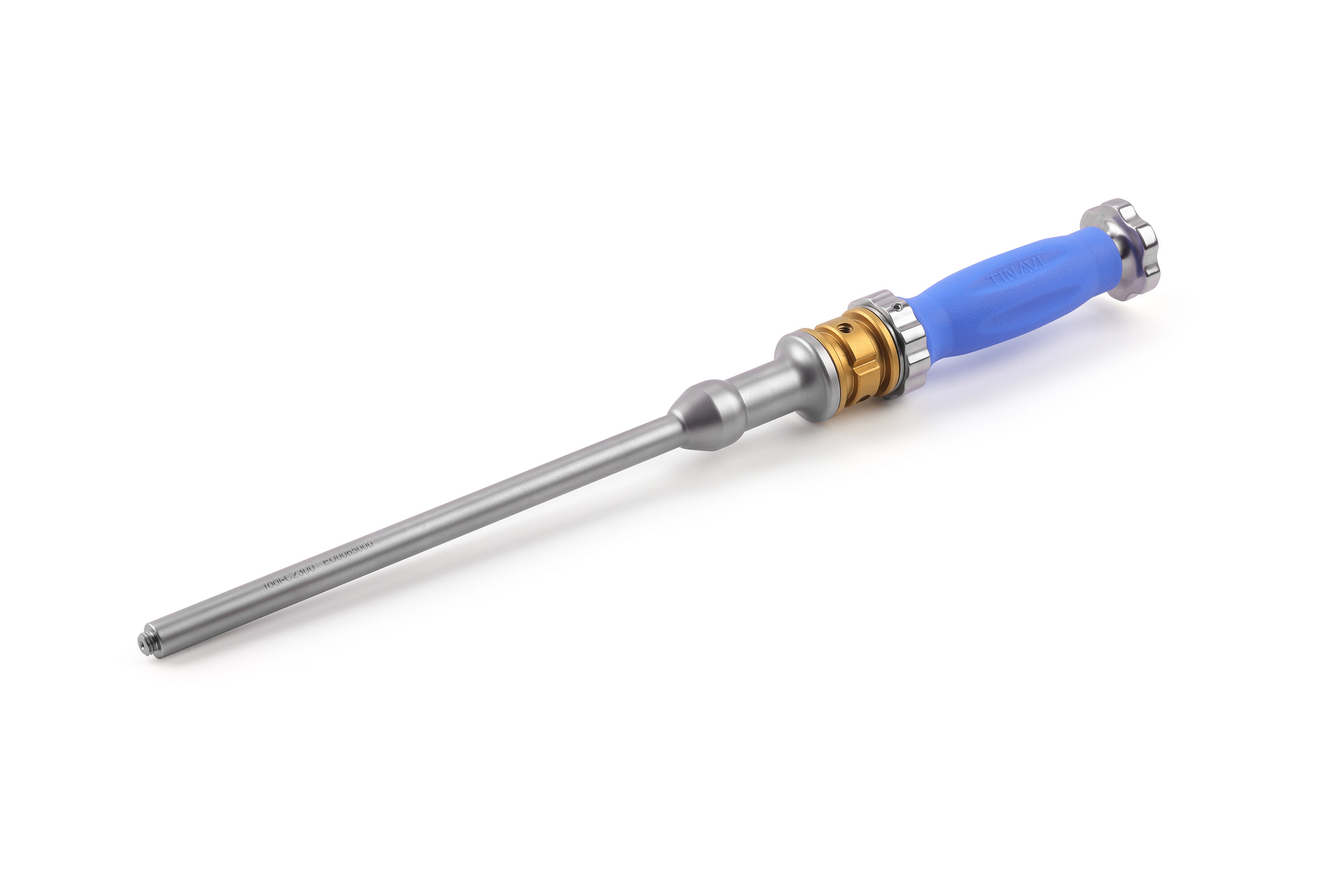
The landscape of orthopedic surgery instruments manufacturing continues to evolve rapidly in 2025, driven by technological innovations, regulatory changes, and increasing demand for precision medical devices. Modern manufacturing facilities must balance cutting-edge production capabilities with stringent quality control measures to meet the exacting standards of orthopedic surgeons worldwide. As surgical procedures become more complex and patient outcomes remain paramount, the role of specialized instrument manufacturers has never been more critical in supporting successful orthopedic interventions.
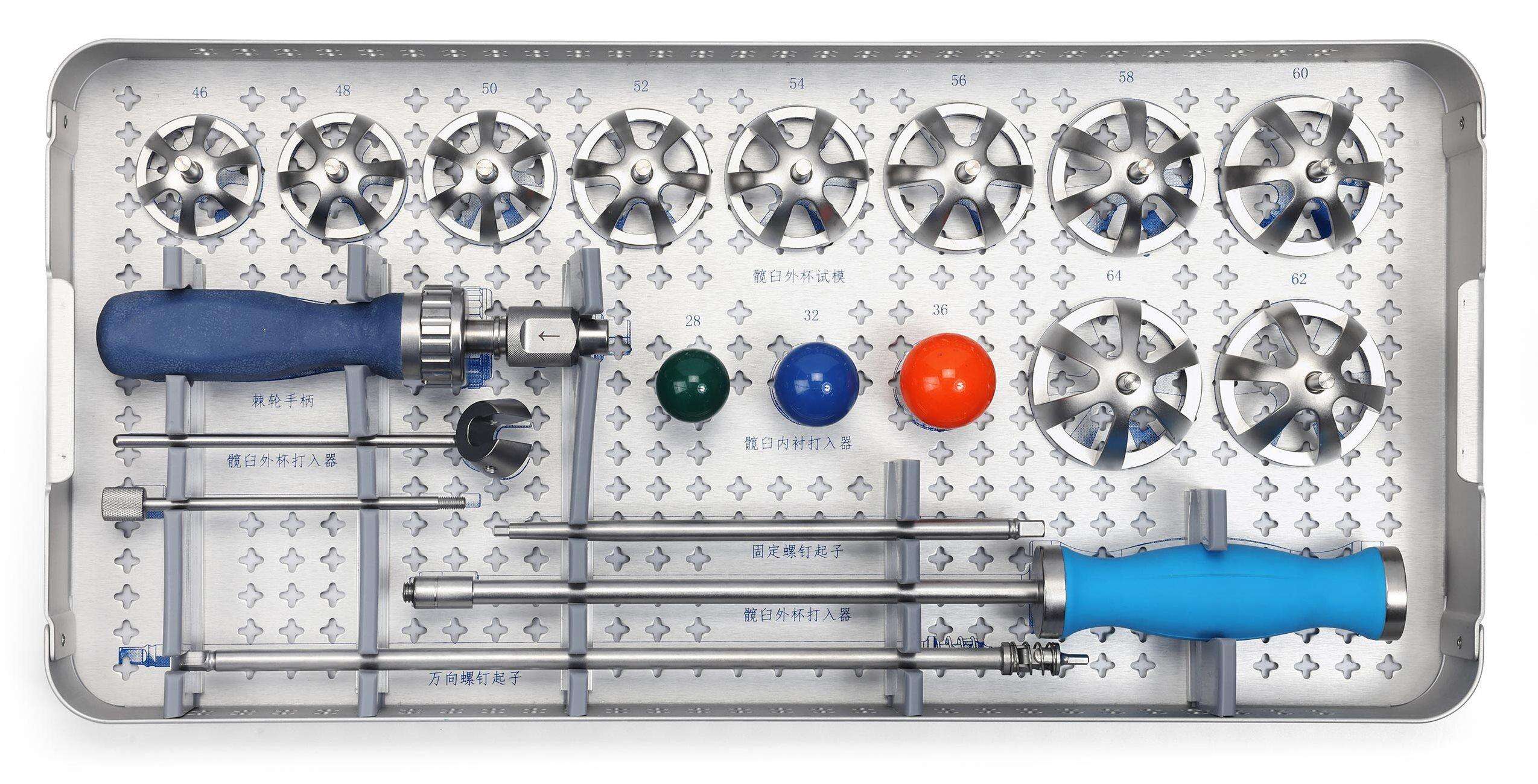
Advanced Materials and Production Technologies
Titanium Alloys and Biocompatible Materials
The selection of materials in orthopedic surgery instruments manufacturing has become increasingly sophisticated, with titanium alloys leading the charge due to their exceptional biocompatibility and strength-to-weight ratio. Medical-grade titanium Ti-6Al-4V remains the gold standard for many surgical instruments, offering superior corrosion resistance and durability under repeated sterilization cycles. Manufacturers are also exploring advanced stainless steel grades like 17-4 PH and 15-5 PH, which provide enhanced mechanical properties while maintaining excellent surface finish capabilities.
Beyond traditional materials, innovative ceramic composites and carbon fiber reinforced polymers are finding applications in specialized instruments where weight reduction and non-magnetic properties are crucial. These materials require specialized machining techniques and quality control protocols to ensure consistent performance. The integration of antimicrobial coatings using silver nanoparticles or copper-based treatments is becoming standard practice in modern manufacturing facilities to reduce surgical site infections.
Precision Machining and Manufacturing Processes
Computer Numerical Control (CNC) machining has revolutionized the precision achievable in instrument manufacturing, with modern 5-axis machines capable of producing complex geometries to tolerances within ±0.001 inches. Swiss-type turning centers excel at manufacturing long, slender instruments like drill bits and pins, while multi-spindle machines increase productivity for high-volume production runs. The implementation of lights-out manufacturing capabilities allows facilities to maintain continuous production cycles while ensuring consistent quality.
Additive manufacturing technologies, particularly Direct Metal Laser Sintering (DMLS) and Electron Beam Melting (EBM), are increasingly used for prototyping and small-batch production of custom instruments. These technologies enable the creation of complex internal geometries that would be impossible with traditional machining methods. Investment casting remains crucial for producing instruments with intricate shapes, while precision forging techniques create stronger, more durable tools through controlled grain flow orientation.
Quality Assurance and Regulatory Compliance
ISO Standards and FDA Requirements
Compliance with ISO 13485 quality management systems is fundamental to orthopedic surgery instruments manufacturing, requiring comprehensive documentation and traceability throughout the production process. The FDA's Quality System Regulation (QSR) under 21 CFR Part 820 mandates rigorous design controls, process validation, and corrective action procedures. Manufacturers must maintain detailed batch records, including material certifications, processing parameters, and inspection results for each instrument produced.
The European Medical Device Regulation (MDR) has introduced additional requirements for clinical evaluation and post-market surveillance, necessitating enhanced risk management processes. Manufacturers must demonstrate biocompatibility through comprehensive testing according to ISO 10993 standards, including cytotoxicity, sensitization, and irritation assessments. Regular third-party audits by notified bodies ensure ongoing compliance and market access in key international markets.
Testing and Validation Protocols
Mechanical testing protocols for orthopedic instruments include fatigue testing to simulate repeated use cycles, tensile strength measurements, and torque resistance evaluations. Surface finish requirements are verified through profilometry measurements, ensuring smooth surfaces that minimize tissue trauma and facilitate cleaning. Dimensional inspection using coordinate measuring machines (CMM) and optical comparators validates conformance to engineering specifications with statistical process control methods.
Sterilization validation testing ensures instruments can withstand multiple steam autoclave cycles at 134°C without degradation of performance or surface characteristics. Packaging validation includes seal strength testing, sterile barrier integrity, and shelf-life studies to guarantee product sterility until use. Environmental testing simulates shipping and storage conditions to verify packaging protection and instrument stability under various temperature and humidity conditions.
Market Trends and Industry Developments
Digital Manufacturing and Industry 4.0 Integration
The integration of Internet of Things (IoT) sensors throughout manufacturing equipment enables real-time monitoring of production parameters and predictive maintenance scheduling. Machine learning algorithms analyze production data to identify optimization opportunities and predict potential quality issues before they occur. Digital twin technology creates virtual replicas of manufacturing processes, allowing for simulation-based optimization and training without disrupting actual production.
Enterprise Resource Planning (ERP) systems specifically designed for medical device manufacturing provide comprehensive traceability from raw material receipt through final product shipment. Barcode and RFID tracking systems ensure accurate inventory management and lot tracking capabilities required by regulatory agencies. Cloud-based quality management systems facilitate real-time collaboration between multiple manufacturing sites and enable centralized oversight of quality metrics.
Sustainability and Environmental Considerations
Environmental sustainability has become a key focus in orthopedic surgery instruments manufacturing, with facilities implementing closed-loop coolant systems to minimize waste and reduce environmental impact. Energy-efficient LED lighting and variable frequency drives on manufacturing equipment significantly reduce power consumption while maintaining production capability. Recycling programs for metal chips and defective parts recover valuable materials and reduce raw material costs.
Lean manufacturing principles minimize waste throughout the production process, with value stream mapping identifying opportunities for efficiency improvements. Green chemistry initiatives focus on reducing or eliminating hazardous chemicals in surface treatment and cleaning processes. Packaging optimization reduces material usage while maintaining product protection, contributing to overall sustainability goals and cost reduction efforts.
Supply Chain Management and Global Considerations
Strategic Sourcing and Vendor Qualification
Effective supplier qualification programs are essential for maintaining consistent material quality and ensuring regulatory compliance throughout the supply chain. Multi-tier supplier auditing verifies that sub-suppliers meet the same quality standards as primary vendors, creating a robust network of qualified sources. Strategic partnerships with key material suppliers provide preferential pricing and priority allocation during periods of high demand or supply constraints.
Risk assessment protocols evaluate potential supply chain disruptions and develop contingency plans to maintain production continuity. Dual sourcing strategies for critical materials and components reduce dependency on single suppliers while maintaining competitive pricing through supplier competition. Regular supplier performance reviews track metrics including on-time delivery, quality performance, and responsiveness to engineering changes or urgent requirements.
Global Manufacturing and Distribution Networks
International manufacturing facilities enable regional market access while reducing shipping costs and delivery times to key customer bases. Technology transfer protocols ensure consistent quality and manufacturing processes across multiple sites, with standardized work instructions and training programs. Regional distribution centers strategically located near major medical device markets provide rapid order fulfillment and reduced logistics costs.
Export control regulations require careful management of technology transfer and international shipments, particularly for advanced manufacturing processes and specialized alloys. Free trade agreements and preferential trading relationships can provide cost advantages and improved market access in specific regions. Currency hedging strategies protect against foreign exchange fluctuations that could impact international competitiveness and profitability.
Future Outlook and Emerging Technologies
Artificial Intelligence and Machine Learning Applications
Artificial intelligence systems are beginning to transform quality inspection processes through automated visual inspection systems that can detect surface defects and dimensional variations with greater accuracy than human inspectors. Machine learning algorithms analyze historical production data to optimize machining parameters for improved surface finish and reduced cycle times. Predictive analytics help forecast demand patterns and optimize inventory levels to balance customer service with carrying costs.
Computer vision systems integrated with robotic handling equipment enable automated sorting and packaging of finished instruments, reducing labor costs while improving consistency. Natural language processing capabilities facilitate automated analysis of customer feedback and complaint data to identify potential product improvement opportunities. Deep learning networks continuously improve their performance as they process more data, creating increasingly sophisticated manufacturing intelligence capabilities.
Personalized and Custom Instrumentation
The trend toward personalized medicine is driving demand for custom orthopedic instruments tailored to individual patient anatomy and surgeon preferences. 3D printing technologies enable rapid prototyping and small-batch production of specialized instruments designed from patient imaging data. Modular instrument systems allow surgeons to configure tools for specific procedures while maintaining economies of scale in manufacturing standard components.
Digital workflows connecting surgical planning software with manufacturing systems enable seamless transition from surgical planning to custom instrument production. Just-in-time manufacturing approaches reduce inventory requirements while ensuring availability of specialized instruments when needed. Virtual reality training systems help surgeons familiarize themselves with new instruments before actual surgical procedures, improving outcomes and reducing learning curves.
FAQ
What are the key quality standards required for orthopedic surgery instruments manufacturing
The primary quality standards include ISO 13485 for quality management systems, FDA QSR 21 CFR Part 820 for US market access, and European MDR compliance for European markets. Manufacturers must also comply with ISO 10993 for biocompatibility testing and maintain comprehensive documentation for traceability. Regular third-party audits and continuous monitoring ensure ongoing compliance with these stringent requirements.
How do material selection decisions impact manufacturing processes and costs
Material selection significantly influences machining parameters, tool selection, and cycle times, with harder materials like titanium alloys requiring specialized cutting tools and slower speeds. Surface treatment requirements vary by material, affecting finishing costs and processing time. Biocompatible materials often command premium pricing but may offer longer service life and better patient outcomes, justifying the additional investment.
What role does automation play in modern instrument manufacturing facilities
Automation increases production consistency while reducing labor costs and human error potential in critical manufacturing processes. Robotic systems handle repetitive tasks like loading, unloading, and inspection, freeing skilled technicians for more complex operations. Automated quality control systems provide real-time feedback and statistical process control data to maintain tight tolerances and reduce scrap rates.
How are manufacturers addressing sustainability concerns in production processes
Sustainability initiatives include implementing energy-efficient manufacturing equipment, closed-loop coolant systems, and comprehensive recycling programs for metal waste. Lean manufacturing principles minimize material waste while optimizing production efficiency. Green chemistry approaches reduce hazardous chemical usage in surface treatments and cleaning processes, contributing to environmental protection and worker safety improvements.
Table of Contents
- Advanced Materials and Production Technologies
- Quality Assurance and Regulatory Compliance
- Market Trends and Industry Developments
- Supply Chain Management and Global Considerations
- Future Outlook and Emerging Technologies
-
FAQ
- What are the key quality standards required for orthopedic surgery instruments manufacturing
- How do material selection decisions impact manufacturing processes and costs
- What role does automation play in modern instrument manufacturing facilities
- How are manufacturers addressing sustainability concerns in production processes