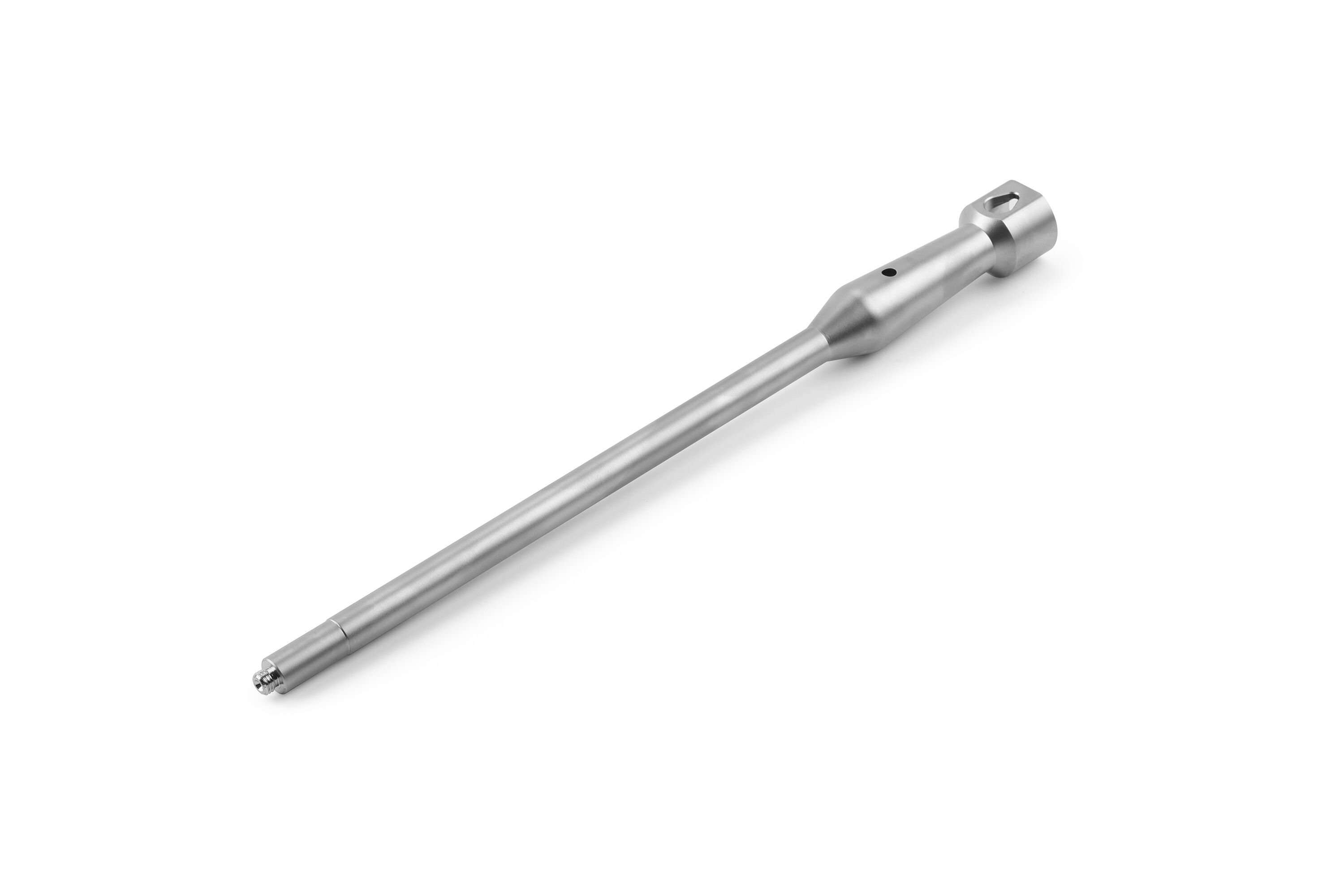
In the competitive landscape of medical device manufacturing, orthopedic OEM providers face an increasingly sophisticated challenge: delivering not just functional implants and instruments, but systems engineered for sustained postoperative stability across diverse patient populations and surgical scenarios. The concept of building a "moat of precision" represents a strategic imperative for orthopedic OEM partners who seek to differentiate themselves through measurable clinical outcomes, manufacturing excellence, and long-term reliability. This precision moat encompasses the totality of design tolerances, material science, quality control protocols, and validation methodologies that collectively ensure spinal fixation systems, joint reconstruction devices, and trauma implants maintain their biomechanical integrity years after implantation. For surgeons and medical device companies evaluating orthopedic OEM relationships, understanding how precision manufacturing translates into postoperative stability is essential to making informed sourcing decisions that directly impact patient outcomes and brand reputation.
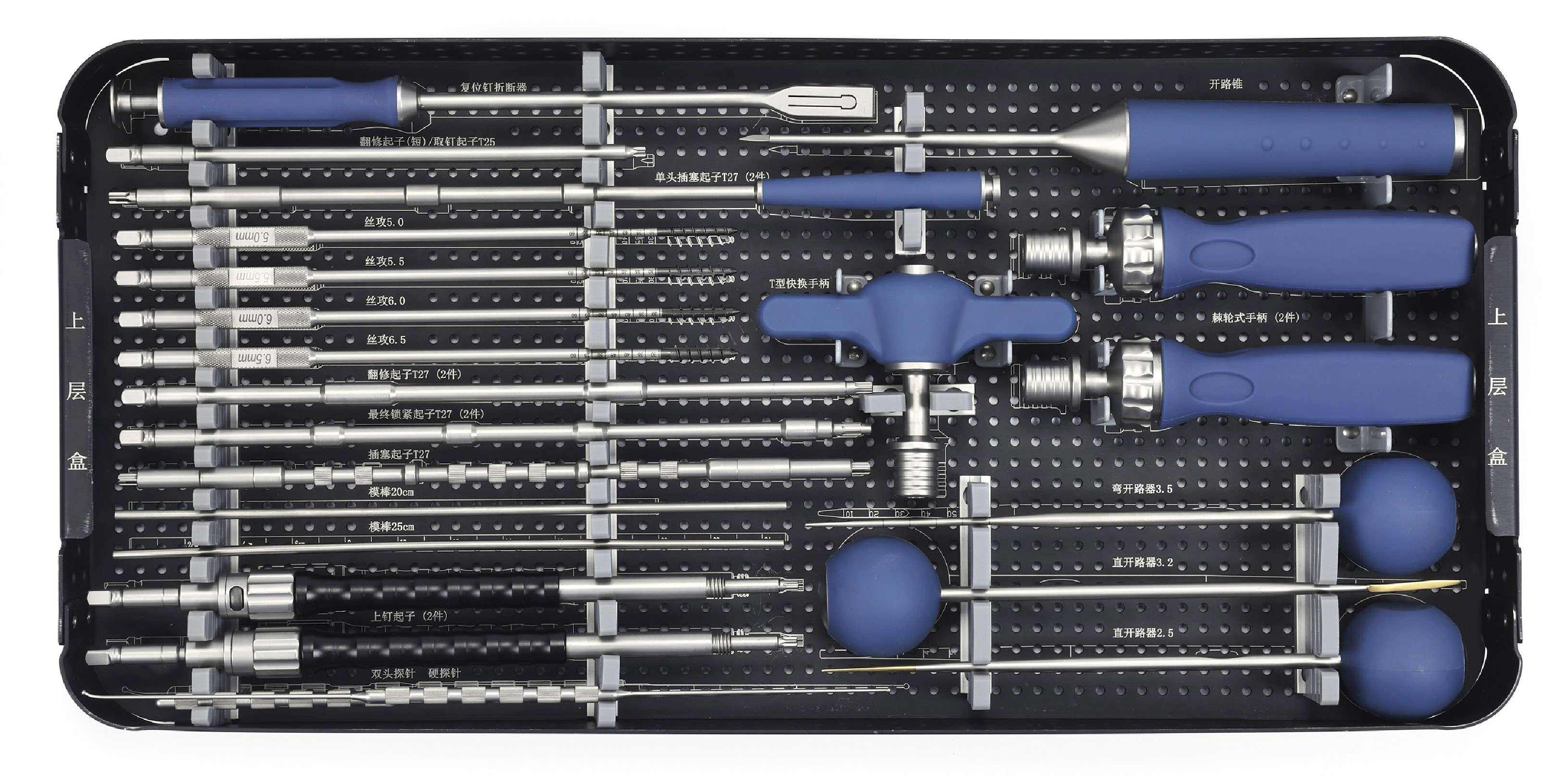
The notion of a precision moat in orthopedic OEM extends beyond conventional quality assurance into a comprehensive framework where every design parameter, manufacturing process, and material selection decision is intentionally optimized to minimize long-term clinical complications such as implant loosening, subsidence, screw pullout, and construct failure. This strategic approach recognizes that postoperative stability is not a singular attribute but rather an emergent property arising from the interaction of surgical technique, implant design, material fatigue resistance, and the biological response at the bone-implant interface. Leading orthopedic OEM manufacturers invest heavily in creating this competitive advantage through dimensional accuracy measured in microns, surface finish specifications that promote osseointegration, and fatigue testing protocols that simulate decades of physiological loading. The ultimate goal is to establish a technical barrier that competitors cannot easily replicate, thereby securing market position through demonstrated clinical superiority rather than price competition alone.
The Engineering Foundation of Long-Term Stability in Orthopedic OEM
Dimensional Precision as a Clinical Performance Driver
The relationship between manufacturing precision and postoperative stability begins at the most fundamental level with dimensional accuracy. In spinal fixation systems, for example, the interface between pedicle screws and vertebral bone demands exacting tolerances to achieve optimal purchase and minimize micromotion. An orthopedic OEM manufacturer working with tolerance bands of plus or minus five microns on critical thread dimensions creates implants that distribute load more uniformly across the bone-implant interface compared to devices manufactured with broader tolerance windows. This precision directly influences the rate of screw loosening, a leading cause of revision surgery in posterior spinal fusion procedures. When dimensional variability increases beyond tight control limits, individual implants within the same product family exhibit inconsistent pull-out strength, creating unpredictable clinical performance that undermines surgeon confidence and patient outcomes.
Beyond individual component accuracy, the assembly precision of multi-component systems such as spinal rod-screw constructs determines the biomechanical behavior under cyclic loading. An orthopedic OEM partner that maintains strict geometric relationships between locking mechanisms, rod seats, and screw heads ensures that load transfer occurs through designed contact surfaces rather than edge-loading scenarios that concentrate stress and accelerate wear. This level of precision manufacturing requires advanced machining centers with real-time dimensional verification, temperature-controlled production environments to eliminate thermal expansion variables, and statistical process control methodologies that detect drift before it produces out-of-specification components. The cumulative effect of these precision investments is implant systems that maintain their intended biomechanical function throughout the healing process and beyond, reducing the incidence of late-term complications associated with construct failure.
Material Science Integration and Fatigue Resistance
The precision moat concept in orthopedic OEM extends naturally into material selection and processing, where seemingly minor variations in alloy composition, heat treatment protocols, or surface finishing techniques produce measurable differences in long-term stability. Titanium alloy implants manufactured by leading orthopedic OEM providers undergo precisely controlled annealing cycles that optimize grain structure for fatigue resistance, recognizing that spinal implants may experience millions of loading cycles over their service life. The difference between a Ti-6Al-4V alloy processed with standard metallurgical practices and one subjected to hot isostatic pressing followed by controlled cooling represents a substantial improvement in endurance limit, directly translating to reduced risk of fatigue fracture during the critical bone healing phase and subsequent years of physiological loading.
Surface engineering represents another critical dimension where orthopedic OEM precision creates lasting clinical advantages. The topography of implant surfaces at the micro and nano scales influences protein adsorption, osteoblast attachment, and ultimately the strength of bone ingrowth that anchors the device. An orthopedic OEM manufacturer employing precisely controlled sandblasting followed by acid etching can reproducibly create surface roughness profiles with Ra values optimized for osseointegration, typically in the range of one to three microns. This precision in surface preparation contrasts sharply with less sophisticated manufacturing approaches where batch-to-batch variation in blasting media, exposure time, or acid concentration produces inconsistent surface characteristics and unpredictable biological responses. The resulting variability in bone-implant integration directly affects postoperative stability, particularly in osteoporotic patients or revision scenarios where initial fixation is already compromised.
Validation Protocols That Predict Real-World Performance
Building a genuine precision moat requires orthopedic OEM manufacturers to implement validation testing that goes substantially beyond regulatory minimum requirements, employing methodologies that accurately predict long-term clinical performance under realistic physiological conditions. Standard static testing of pullout strength or compression resistance provides limited insight into how implants will perform after months or years of cyclic loading combined with biological degradation processes. Advanced orthopedic OEM partners invest in multi-axis fatigue testing systems that simulate the complex loading patterns experienced by spinal constructs during daily activities, applying millions of cycles at stress levels corresponding to various patient weight categories and activity profiles. These extended validation protocols reveal potential failure modes that only manifest after prolonged service, allowing design modifications before clinical introduction rather than through costly post-market surveillance.
Equally important is the integration of biological validation into the precision framework, where orthopedic OEM manufacturers conduct in-vivo studies that assess not just immediate postoperative fixation but the evolution of bone-implant interfaces over healing periods extending to twelve months or longer. These studies provide quantitative data on osseointegration quality, peri-implant bone density changes, and the occurrence of fibrous tissue formation that can compromise long-term stability. An orthopedic OEM provider that invests in this level of validation can confidently specify the clinical scenarios where their products deliver superior outcomes, providing evidence-based guidance to surgeons rather than generic claims of excellence. This data-driven approach to performance validation becomes a powerful differentiator in markets where procurement decisions increasingly emphasize clinical outcomes and total cost of care rather than initial acquisition price alone.
Manufacturing Excellence and Process Control in Orthopedic OEM
Advanced Machining Technologies and Tolerance Achievement
The translation of precision design intent into physical reality depends fundamentally on the manufacturing capabilities available to orthopedic OEM providers. Five-axis CNC machining centers equipped with high-resolution feedback systems and thermal compensation algorithms represent essential infrastructure for producing components with the dimensional accuracy required for long-term stability. These advanced machine tools enable the production of complex geometries such as polyaxial screw heads with minimal setup changes, reducing cumulative positioning errors while maintaining surface finish specifications that influence both biomechanical function and biological response. An orthopedic OEM manufacturer operating equipment of this caliber can reliably hold tolerances of plus or minus ten microns on critical dimensions while achieving surface finishes below 0.4 microns Ra, creating implant surfaces that promote predictable tissue integration without excessive roughness that could harbor bacteria or accelerate wear.
Process monitoring and in-process verification systems extend the precision advantage by detecting dimensional drift or tool wear before defective components are produced. Leading orthopedic OEM facilities implement automated gauge systems that measure critical dimensions on every component or use statistical sampling protocols with control limits tighter than specification limits, ensuring that the manufacturing process operates well within capability margins. This approach contrasts with reactive quality control where dimensional verification occurs only after production runs are complete, allowing out-of-specification components to propagate through the manufacturing system before detection. The proactive quality philosophy embedded in advanced orthopedic OEM operations creates consistency that surgeons experience as predictable implant behavior across serial numbers and production lots, building confidence that translates into brand loyalty and positive word-of-mouth within the surgical community.
Clean Room Standards and Contamination Control
The precision moat concept necessarily incorporates contamination control protocols that prevent particulate, chemical, or biological contamination from compromising implant surfaces during manufacturing and packaging. Orthopedic OEM facilities operating under ISO Class 7 or better clean room standards minimize the risk that residual machining fluids, metallic particles, or environmental contaminants will interfere with osseointegration or create inflammatory responses that destabilize fixation. The investment in controlled environments with HEPA filtration, positive pressure cascades, and strict gowning protocols represents a substantial competitive advantage, particularly for implants with textured surfaces where contaminants can become embedded in surface features and resist standard cleaning processes. An orthopedic OEM manufacturer that processes all post-machining operations including passivation, cleaning, and packaging within validated clean environments delivers implants with surface chemistries optimized for bone integration rather than complicated by adventitious contaminants.
The interaction between manufacturing environment and long-term stability extends beyond obvious contamination concerns to more subtle effects on surface oxide layers and protein adsorption characteristics. Titanium alloy implants develop passive oxide films that mediate biological interactions, and the composition and thickness of these layers varies with exposure to atmospheric conditions during processing. An orthopedic OEM provider that controls humidity, temperature, and particulate levels throughout the manufacturing sequence produces more consistent oxide characteristics, leading to more predictable early bone apposition and ultimately stronger long-term fixation. This level of environmental control requires significant capital investment and operational discipline, creating a genuine barrier to entry that protects market position while delivering measurable clinical advantages that justify premium pricing in value-based procurement frameworks.
Traceability Systems and Post-Market Surveillance Integration
A comprehensive precision moat in orthopedic OEM necessarily includes robust traceability systems that link every implanted device back through manufacturing history to raw material certifications, enabling rapid investigation of any performance anomalies and continuous improvement based on real-world clinical data. Advanced orthopedic OEM manufacturers implement serialization at the component level combined with manufacturing execution systems that capture process parameters for every operation, creating a complete digital twin of each implant's production journey. This traceability infrastructure supports proactive quality management where trends in dimensional measurements, surface characteristics, or mechanical testing can be correlated with specific material lots, machine tools, or operator shifts, enabling root cause analysis and corrective action before performance issues manifest clinically.
The value of comprehensive traceability extends into post-market performance monitoring, where orthopedic OEM partners can analyze revision surgery data to identify patterns that might indicate design opportunities or manufacturing process improvements. When a surgical center reports an unexpected revision, the ability to quickly retrieve complete manufacturing history including dimensional inspection results, material certifications, and process parameters enables informed investigation that distinguishes manufacturing variability from surgical technique factors or patient-specific variables. This analytical capability transforms quality management from a reactive compliance activity into a strategic function that continuously refines the precision moat by identifying and eliminating sources of performance variability. Leading orthopedic OEM providers leverage this data to provide evidence-based technical support to surgeon customers, demonstrating commitment to long-term outcomes rather than merely fulfilling contractual supply obligations.
Design Optimization for Biomechanical Stability in Orthopedic OEM
Load Distribution Strategies and Stress Concentration Minimization
The engineering design principles that underpin long-term postoperative stability in orthopedic OEM products center on load distribution optimization and stress concentration elimination throughout the implant-bone system. Pedicle screw designs that incorporate gradual thread profile transitions rather than sharp geometric discontinuities distribute insertion torque more uniformly during placement while reducing stress risers that could initiate fatigue cracks during cyclic loading. An orthopedic OEM partner with sophisticated finite element analysis capabilities can optimize these geometric details to balance competing requirements for insertion ease, pullout resistance, and fatigue life, creating designs that perform reliably across the anatomical variability encountered in clinical practice. The precision manufacturing capability to faithfully reproduce these optimized geometries then becomes essential to realizing the intended biomechanical advantages in actual implanted devices.
Rod-screw interface designs represent another critical area where orthopedic OEM engineering directly influences long-term stability. The contact mechanics between tulip heads and spinal rods determine how bending moments and axial loads transfer through the construct, with poorly designed interfaces creating point contacts that concentrate stress and accelerate fretting wear. Advanced orthopedic OEM providers employ contact pressure analysis to design curved saddle surfaces that distribute loads over larger areas, reducing contact stresses to levels that minimize titanium alloy surface damage even after millions of loading cycles. The manufacturing precision required to achieve designed contact areas rather than edge-loading scenarios demands tight tolerances on curved surfaces combined with careful attention to assembly forces during set screw tightening. This integration of analytical design optimization with precision manufacturing capability exemplifies the moat-building strategy that separates leading orthopedic OEM providers from commodity suppliers competing primarily on price.
Modularity and Construct Adaptability Considerations
The precision moat concept in orthopedic OEM extends into system-level design philosophy, where modular architectures that accommodate anatomical variability and surgical technique preferences must maintain biomechanical consistency across configuration options. Polyaxial screw systems that allow variable angulation between screw trajectory and rod position create surgical flexibility, but this adaptability must not compromise construct stiffness or introduce micromotion that could destabilize fixation. An orthopedic OEM manufacturer that successfully balances modularity with biomechanical performance typically employs locking mechanisms with consistent torque-preload relationships across the range of angulation, ensuring that surgeons can reliably achieve intended construct rigidity regardless of anatomical constraints that dictate screw placement. The engineering challenge lies in designing robust locking features that function predictably despite the geometric complexity introduced by polyaxial adjustability.
Instrument system integration represents an often-overlooked dimension of the precision moat in orthopedic OEM, where the tools used to implant devices directly influence the quality of initial fixation that underlies long-term stability. Screw insertion instruments with precise torque control prevent overtightening that could strip threads or undertightening that allows immediate micromotion, while rod persuaders that apply controlled deformation forces minimize plastic deformation that could create residual stresses. An orthopedic OEM provider that designs implant and instrument systems as integrated solutions rather than independent product lines creates workflow efficiency that indirectly contributes to surgical precision and consistent outcomes. This systems thinking approach recognizes that postoperative stability depends not only on implant design and manufacturing quality but also on the surgical execution that these factors enable, creating a comprehensive value proposition that resonates with surgeon customers who appreciate solutions rather than merely components.
Patient-Specific Considerations and Population Variability
Building a truly robust precision moat in orthopedic OEM requires design strategies that anticipate the biological variability encountered across patient populations, particularly the mechanical property differences between healthy and osteoporotic bone that dramatically affect fixation quality. Screw designs optimized for high-density cancellous bone may perform poorly in osteoporotic vertebrae where thread engagement is compromised and pullout resistance is substantially reduced. Leading orthopedic OEM manufacturers address this challenge through design features such as variable thread pitch, expandable geometries, or cement augmentation provisions that adapt fixation strategy to bone quality. The precision manufacturing capability to produce these more complex geometries without compromising dimensional accuracy or surface finish becomes essential to clinical effectiveness, as small deviations from design intent can negate the biomechanical advantages that motivated the design approach.
The interaction between patient factors and implant performance extends beyond bone quality to include anatomical variability in pedicle dimensions, spinal alignment, and loading patterns associated with body habitus and activity level. An orthopedic OEM partner that offers comprehensive sizing options rather than limited product ranges enables surgeons to match implant dimensions to patient anatomy, improving initial fixation quality and reducing the likelihood of complications related to undersized or oversized implants. This commitment to clinical coverage demands substantial investment in manufacturing flexibility and inventory management, as maintaining stock of multiple size variations while preserving consistent quality across the product family challenges both production planning and quality control systems. The willingness to make this investment reflects a strategic orientation toward long-term clinical outcomes rather than manufacturing convenience, a hallmark of orthopedic OEM providers building sustainable competitive advantage through precision excellence.
Quality Management Systems and Continuous Improvement in Orthopedic OEM
Statistical Process Control and Capability Analysis
The operational foundation of the precision moat in orthopedic OEM rests on statistical process control methodologies that transform manufacturing from an art into a science, replacing operator intuition with data-driven decision-making that continuously improves consistency and reduces variability. Control charting of critical dimensions such as thread pitch, screw head angulation, or surface roughness enables early detection of process drift, allowing corrective action before dimensional shifts produce out-of-specification components. An orthopedic OEM manufacturer operating with process capability indices above 1.67 for critical characteristics demonstrates that manufacturing processes operate well within specification limits, providing margin against common-cause variation while minimizing the risk of dimensional excursions that could compromise postoperative stability. This level of process capability typically requires mature manufacturing systems with preventive maintenance programs, calibrated measurement equipment, and trained operators who understand the clinical implications of dimensional variation.
The evolution from reactive inspection to predictive quality management represents a maturity progression that distinguishes advanced orthopedic OEM providers from those competing on cost leadership alone. Predictive analytics applied to process data enable identification of subtle patterns that precede quality events, such as gradual tool wear that slowly shifts dimensions or thermal drift that affects measurement systems during environmental temperature changes. An orthopedic OEM facility that implements real-time statistical process monitoring with automated alerts can intervene proactively, maintaining dimensional stability that translates directly into consistent clinical performance. This analytical approach to quality management creates organizational learning that continuously refines manufacturing processes, gradually expanding the precision moat as subtle sources of variation are identified and eliminated through systematic problem-solving.
Supplier Quality Management and Material Consistency
The precision moat concept necessarily extends upstream into supplier relationships and material sourcing strategies, recognizing that even the most sophisticated manufacturing processes cannot compensate for excessive variability in raw material properties. Leading orthopedic OEM manufacturers implement rigorous supplier qualification protocols that go beyond material certifications to include direct auditing of supplier processes, statistical analysis of material property distributions, and validation testing that confirms batch-to-batch consistency. This supplier quality management discipline ensures that titanium alloy bar stock maintains consistent chemistry, grain structure, and mechanical properties across procurement lots, eliminating a significant source of variation that could affect implant fatigue life or osseointegration characteristics. The investment in supplier development and quality assurance creates barriers that commodity competitors find difficult to replicate, as establishing these relationships requires technical expertise and credibility that develops over years of collaborative problem-solving.
Material traceability requirements in orthopedic OEM extend the supplier quality challenge into documentation and compliance domains, where every implant must be traceable to certified material lots with documented chemistry, mechanical properties, and manufacturing history. An orthopedic OEM manufacturer with robust enterprise resource planning systems and quality management software can efficiently maintain this traceability while enabling rapid material lot investigations if performance anomalies emerge in clinical use. This capability transforms regulatory compliance from a burden into a competitive advantage, as the ability to quickly respond to quality events with comprehensive data builds confidence among hospital procurement committees and regulatory bodies. The organizational discipline required to maintain these systems creates a sustainable moat element that persists even as specific manufacturing technologies evolve or product designs change in response to clinical evidence.
Corrective and Preventive Action Effectiveness
The long-term sustainability of the precision moat in orthopedic OEM depends fundamentally on the effectiveness of corrective and preventive action systems that close the loop between performance monitoring and process improvement. When dimensional measurements trend toward specification limits, robust CAPA systems trigger investigation of root causes rather than simple acceptance of in-specification components, preventing eventual process drift that could produce nonconforming parts. An orthopedic OEM provider with mature CAPA effectiveness demonstrates declining rates of quality events over time as systemic improvements eliminate recurring problems, contrasting with reactive organizations where the same issues resurface periodically because underlying causes remain unaddressed. This organizational capability to learn from quality data and implement lasting improvements represents a form of institutional knowledge that cannot be easily copied, creating sustainable competitive advantage through continuous refinement of manufacturing precision.
The integration of clinical feedback into CAPA systems completes the precision moat by ensuring that manufacturing improvements align with real-world performance requirements rather than merely internal quality metrics. When surgeons report difficulty with instrument handling or unexpected construct behavior, leading orthopedic OEM manufacturers systematically investigate whether manufacturing variability contributed to the issue, even when all components met specifications. This proactive stance on quality improvement recognizes that specifications represent minimum requirements rather than optimal targets, and that achieving true precision excellence requires continuous calibration against clinical outcomes. The organizational commitment to this level of quality investigation and improvement demands resources and cultural values that extend far beyond regulatory compliance, distinguishing orthopedic OEM partners who build lasting market position through clinical excellence from those competing in commoditized segments where price dominates purchasing decisions.
Strategic Partnership Models in Orthopedic OEM for Long-Term Success
Collaborative Design Development and Clinical Validation
The most effective precision moat strategies in orthopedic OEM involve collaborative partnerships between device companies and manufacturing specialists, where design expertise and clinical insight from the brand owner combine with manufacturing knowledge and process capability from the OEM provider. This partnership model enables optimization of designs for manufacturability without compromising clinical performance, as manufacturing engineers provide early input on tolerance assignments, material selections, and geometric features that affect production cost and consistency. An orthopedic OEM manufacturer that actively participates in design development phases can identify opportunities to improve dimensional stability through fixture design, machining sequence optimization, or inspection strategy refinement, creating value that extends beyond simple production capacity. This collaborative approach contrasts sharply with transactional OEM relationships where the manufacturer simply produces to provided drawings without contributing manufacturing expertise to design refinement.
Clinical validation partnerships represent another dimension where strategic orthopedic OEM relationships create mutual value through shared investment in performance data that supports market differentiation. When OEM manufacturers participate in designing and executing preclinical testing protocols or contribute to clinical study logistics, the resulting data serves both parties by demonstrating product performance superiority. An orthopedic OEM provider willing to invest in extended fatigue testing beyond regulatory minimums or cadaveric validation studies that explore clinical technique variables signals commitment to long-term partnership success rather than merely fulfilling production orders. This strategic orientation aligns incentives between brand owners and manufacturers around clinical outcomes and market growth rather than solely unit cost reduction, creating sustainable relationships that support precision investments and continuous improvement initiatives.
Capacity Planning and Supply Chain Resilience
Building a sustainable precision moat in orthopedic OEM requires careful capacity planning that balances manufacturing efficiency with the flexibility to respond to demand variations without compromising quality. Overloaded production facilities operating at utilization rates above 90 percent face pressures that encourage shortcuts in inspection protocols or preventive maintenance, gradually eroding the precision discipline that underpins long-term stability. Leading orthopedic OEM manufacturers maintain capacity buffers that enable response to demand surges while preserving process discipline, accepting slightly higher unit costs in exchange for consistent quality and delivery reliability. This capacity philosophy contrasts with lean approaches that maximize efficiency through high utilization but sacrifice resilience and quality margin when production demands increase unexpectedly.
Supply chain diversification and dual sourcing strategies extend the resilience concept into risk management, where orthopedic OEM providers establish redundant supply chains for critical materials and processes that protect against disruptions that could compromise manufacturing continuity. An orthopedic OEM manufacturer with qualified supplier alternatives for titanium alloy bar stock and specialized surface treatments can maintain production through regional supply disruptions or quality issues at primary suppliers, preserving delivery commitments to device company partners. This supply chain robustness represents strategic investment that creates competitive advantage during periods of market disruption, when competitors with fragile supply chains face allocation decisions and delivery delays that damage customer relationships. The willingness to invest in supply chain resilience reflects long-term strategic orientation that values partnership stability and market reputation over short-term cost optimization.
Technology Roadmap Alignment and Innovation Investment
Sustaining a precision moat in orthopedic OEM over multi-year horizons requires continuous investment in manufacturing technology advancement and process innovation that keeps pace with evolving clinical requirements and competitive capabilities. As additive manufacturing technologies mature and enable complex geometries previously impossible with conventional machining, leading orthopedic OEM providers must evaluate adoption strategies that preserve dimensional accuracy and material properties while capturing design freedom advantages. This technology transition demands substantial capital investment combined with process development expertise that extends beyond equipment acquisition into materials science, quality control methodology, and regulatory pathway navigation. An orthopedic OEM partner that successfully integrates advanced manufacturing technologies while maintaining precision standards creates expanded design possibilities that enable clinical innovation and sustained product differentiation.
The alignment of technology roadmaps between device companies and orthopedic OEM manufacturers ensures that capability investments support strategic product direction rather than chasing technologies without clear clinical or commercial rationale. When brand owners communicate long-term product plans that emphasize patient-specific implants or minimally invasive approaches, manufacturing partners can target investments in technologies that enable these strategies such as high-speed machining of complex curves or sterile packaging innovations. This strategic alignment transforms the orthopedic OEM relationship from tactical sourcing into strategic partnership where both parties invest in shared success through complementary capability development. The resulting precision moat becomes increasingly difficult for competitors to breach as it reflects accumulated knowledge and integrated capabilities rather than simply capital equipment that could theoretically be duplicated through sufficient investment.
FAQ
What specific manufacturing tolerances most directly impact long-term postoperative stability in spinal fixation systems?
The manufacturing tolerances that most significantly affect long-term postoperative stability include thread pitch consistency in pedicle screws, which influences load distribution across the bone-implant interface and resistance to pullout forces, tulip head inner diameter precision that determines rod capture geometry and contact stress distributions during cyclic loading, and screw head to shaft perpendicularity that affects load transfer alignment and stress concentration patterns. Leading orthopedic OEM manufacturers typically maintain thread pitch tolerances within plus or minus fifteen microns and inner diameter tolerances of plus or minus twenty microns on critical mating surfaces. These tight tolerance bands ensure that biomechanical behavior remains consistent across serial numbers and production lots, preventing the device-to-device variability that can produce unpredictable clinical outcomes. Surface finish specifications on bone-contacting surfaces also merit tight control, as roughness variations outside the optimal range of one to three microns Ra can compromise osseointegration quality and long-term fixation stability.
How do orthopedic OEM manufacturers validate that their precision manufacturing processes translate into actual clinical performance advantages?
Validation of the clinical performance advantages from precision manufacturing in orthopedic OEM typically involves multi-tier testing strategies that begin with dimensional and mechanical characterization of manufactured components to confirm they meet design specifications, progress through accelerated fatigue testing under simulated physiological loads to predict long-term durability, and culminate in animal model studies that assess biological integration and biomechanical performance in living bone. Advanced orthopedic OEM providers conduct million-cycle fatigue testing that exceeds regulatory minimums, applying load profiles derived from instrumented gait analysis data to ensure testing conditions reflect actual patient loading patterns. Biological validation through sheep or porcine spine models enables assessment of osseointegration quality, peri-implant bone remodeling, and construct stability over healing periods that simulate human clinical timelines. The most comprehensive validation approaches include post-market surveillance programs that systematically collect revision surgery data and correlate clinical outcomes with manufacturing lot information, enabling continuous refinement of processes based on real-world performance feedback.
What role does material selection play in building a sustainable precision moat for orthopedic OEM manufacturers?
Material selection represents a foundational element of the precision moat in orthopedic OEM because material properties directly influence fatigue resistance, osseointegration potential, and manufacturing process capability. Titanium alloys such as Ti-6Al-4V provide excellent biocompatibility and corrosion resistance while offering favorable strength-to-weight ratios, but the specific heat treatment protocols applied during orthopedic OEM processing dramatically affect grain structure and resulting fatigue life. Materials processed with controlled annealing cycles and hot isostatic pressing exhibit endurance limits approximately twenty percent higher than conventionally processed equivalents, directly translating to reduced risk of fatigue fracture during the millions of loading cycles experienced over implant service life. Beyond mechanical properties, material surface chemistry influences protein adsorption patterns and osteoblast attachment, with precisely controlled surface oxide layers promoting more predictable osseointegration. An orthopedic OEM manufacturer that invests in materials expertise and process control to optimize these characteristics creates performance advantages that generic competitors cannot easily replicate through conventional material sourcing and processing approaches.
How can device companies evaluate whether an orthopedic OEM partner truly possesses the manufacturing precision necessary for long-term postoperative stability?
Evaluating orthopedic OEM manufacturing precision requires multi-faceted due diligence that extends beyond facility tours and capability statements into quantitative assessment of process capability, quality system maturity, and demonstrated clinical performance. Device companies should request process capability studies for critical dimensions showing Cpk values above 1.67, indicating that manufacturing processes operate well within specification limits with minimal risk of dimensional excursions. Reviewing statistical process control charts for key characteristics over extended production periods reveals whether processes maintain stability or exhibit drift that requires frequent adjustment. Examining complaint rates and CAPA effectiveness metrics provides insight into how frequently quality issues arise and how effectively the organization resolves underlying causes rather than merely addressing symptoms. Requesting access to validation reports including fatigue testing data and biological performance studies demonstrates commitment to clinical outcomes beyond regulatory minimums. Finally, obtaining references from existing customers and reviewing published clinical data on products manufactured by the orthopedic OEM candidate provides the most direct evidence that manufacturing precision translates into actual long-term postoperative stability in clinical practice.
Table of Contents
- The Engineering Foundation of Long-Term Stability in Orthopedic OEM
- Manufacturing Excellence and Process Control in Orthopedic OEM
- Design Optimization for Biomechanical Stability in Orthopedic OEM
- Quality Management Systems and Continuous Improvement in Orthopedic OEM
- Strategic Partnership Models in Orthopedic OEM for Long-Term Success
-
FAQ
- What specific manufacturing tolerances most directly impact long-term postoperative stability in spinal fixation systems?
- How do orthopedic OEM manufacturers validate that their precision manufacturing processes translate into actual clinical performance advantages?
- What role does material selection play in building a sustainable precision moat for orthopedic OEM manufacturers?
- How can device companies evaluate whether an orthopedic OEM partner truly possesses the manufacturing precision necessary for long-term postoperative stability?