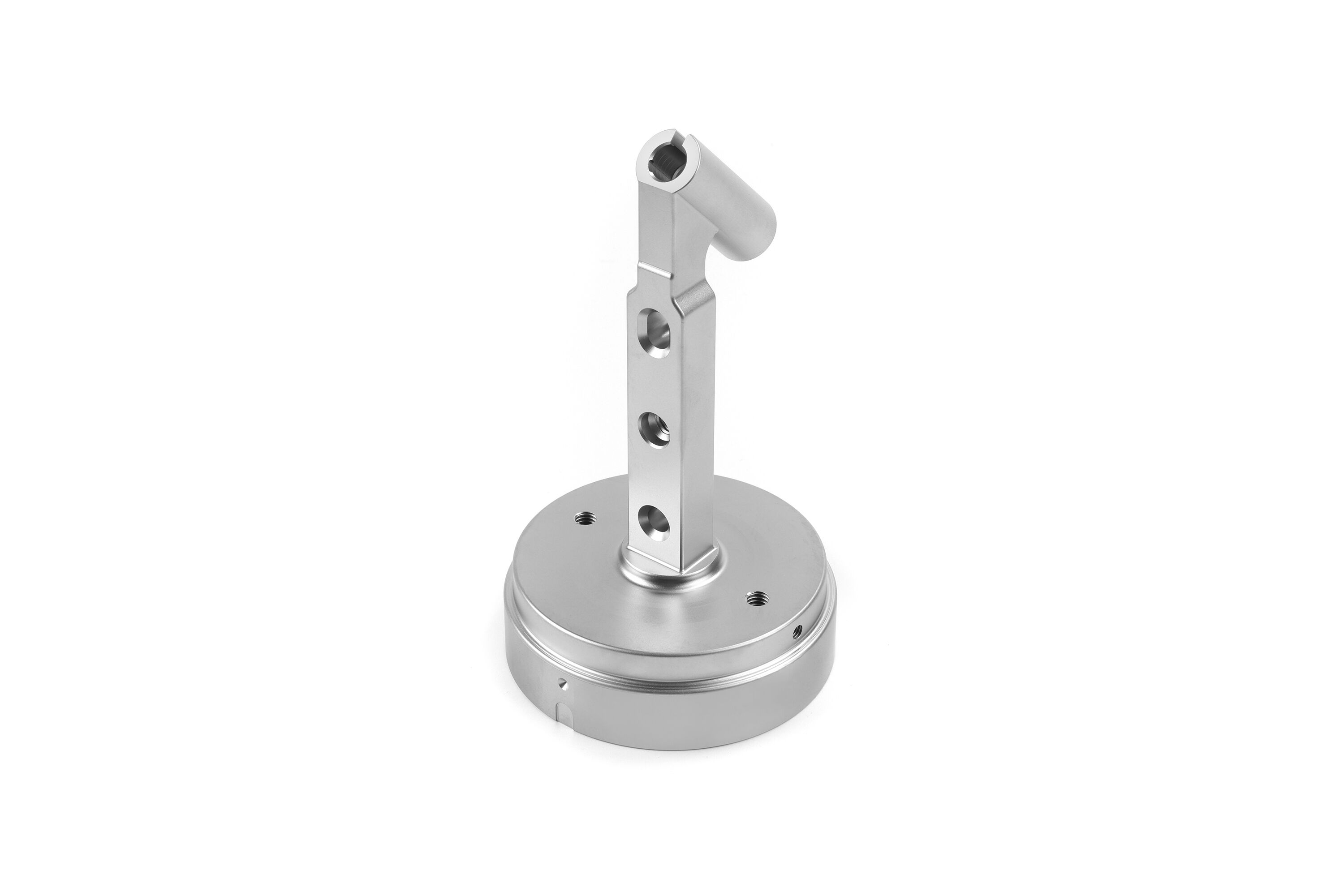
The landscape of orthopedic surgery instruments manufacturing has undergone remarkable transformation over the past decade, driven by technological advances and evolving surgical demands. Modern manufacturing processes now incorporate precision engineering, advanced materials science, and innovative design methodologies to create instruments that enhance surgical outcomes. This evolution reflects the industry's commitment to supporting surgeons with tools that offer superior functionality, durability, and patient safety. The integration of computer-aided design and manufacturing technologies has revolutionized how orthopedic surgical instruments are conceptualized, developed, and produced.
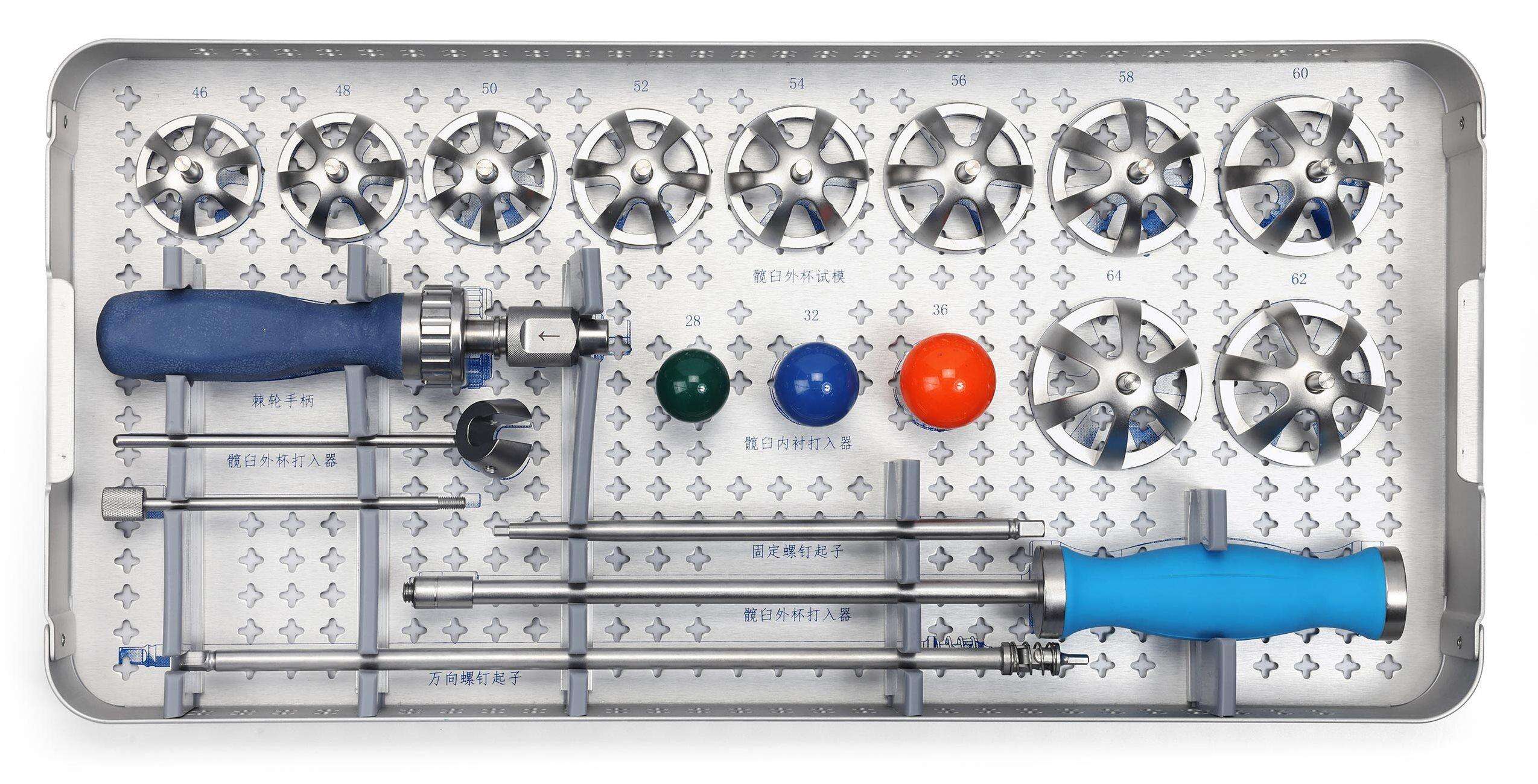
Advanced Materials and Manufacturing Techniques
High-Grade Stainless Steel Applications
The foundation of quality orthopedic surgery instruments manufacturing lies in material selection, with high-grade stainless steel remaining the gold standard for surgical tools. Medical-grade stainless steel, particularly 316L and 17-4 PH variants, offers exceptional corrosion resistance, biocompatibility, and mechanical strength required for demanding surgical procedures. These materials undergo rigorous testing to ensure they meet strict medical device standards and can withstand repeated sterilization cycles without degradation. The precision forging and heat treatment processes employed in orthopedic surgery instruments manufacturing ensure optimal hardness, durability, and surface finish quality.
Manufacturing facilities specializing in orthopedic surgery instruments manufacturing utilize sophisticated metallurgical processes to achieve consistent material properties throughout each instrument. Cold forming techniques preserve the grain structure of the steel, resulting in superior strength characteristics and fatigue resistance. Surface treatments such as passivation and electropolishing enhance corrosion resistance while creating smooth, easily cleanable surfaces that are essential for infection control in surgical environments.
Titanium and Advanced Alloy Integration
Contemporary orthopedic surgery instruments manufacturing increasingly incorporates titanium alloys for specialized applications where weight reduction and enhanced biocompatibility are paramount. Titanium's superior strength-to-weight ratio makes it ideal for delicate instruments requiring precise manipulation during complex procedures. The manufacturing processes for titanium instruments require specialized equipment and expertise, as the material's unique properties demand careful control of machining parameters and environmental conditions.
Advanced powder metallurgy techniques enable the production of titanium instruments with complex geometries that would be difficult or impossible to achieve through traditional manufacturing methods. These processes allow for the creation of instruments with internal channels, lightweight structures, and optimized ergonomics. The integration of titanium in orthopedic surgery instruments manufacturing represents a significant advancement in surgical tool technology, offering surgeons improved control and reduced hand fatigue during lengthy procedures.
Precision Engineering and Quality Control
Computer-Aided Design and Manufacturing
Modern orthopedic surgery instruments manufacturing relies heavily on computer-aided design and manufacturing systems to achieve the precision required for surgical applications. CAD software enables designers to create detailed three-dimensional models that can be thoroughly analyzed and optimized before physical production begins. This digital approach allows for extensive virtual testing and refinement, reducing development time and costs while ensuring optimal instrument performance. The seamless integration of design and manufacturing processes ensures that each instrument meets exact specifications and tolerances.
Advanced manufacturing centers employ CNC machining equipment capable of achieving tolerances within micrometers, essential for the precision required in orthopedic surgery instruments manufacturing. Multi-axis machining centers enable the production of complex geometries in single setups, reducing potential errors and improving surface finish quality. The use of specialized cutting tools and optimized machining parameters ensures consistent quality across production runs while minimizing material waste and production time.
Quality Assurance and Testing Protocols
Comprehensive quality control systems are integral to successful orthopedic surgery instruments manufacturing, encompassing every stage from raw material inspection to final product validation. Incoming materials undergo rigorous testing to verify chemical composition, mechanical properties, and surface quality before entering the production process. In-process inspections monitor critical dimensions and surface finishes throughout manufacturing, ensuring that each instrument meets specification requirements.
Final inspection protocols in orthopedic surgery instruments manufacturing include dimensional verification, surface finish assessment, and functional testing to ensure proper operation. Advanced measurement systems, including coordinate measuring machines and optical comparators, provide precise verification of critical features. Traceability systems maintain complete records of materials, processes, and inspections for each instrument, enabling rapid response to any quality issues and supporting regulatory compliance requirements.
Ergonomic Design and Surgeon Feedback Integration
Human Factors Engineering
Contemporary orthopedic surgery instruments manufacturing prioritizes ergonomic design principles to reduce surgeon fatigue and improve procedural outcomes. Human factors engineering studies inform the development of handle shapes, surface textures, and weight distributions that optimize comfort during extended surgical procedures. The integration of surgeon feedback throughout the design process ensures that instruments meet the practical needs of their end users while maintaining the precision required for successful outcomes.
Advanced grip technologies incorporated into orthopedic surgery instruments manufacturing include textured surfaces, finger grooves, and balanced weight distribution to enhance control and reduce slippage. These design elements are particularly important in procedures requiring fine motor control or when working in challenging anatomical locations. The continuous refinement of ergonomic features based on clinical feedback demonstrates the industry's commitment to supporting surgical excellence through thoughtful instrument design.
Customization and Specialized Applications
The evolution of orthopedic surgery instruments manufacturing has enabled increased customization to meet specific procedural requirements and surgeon preferences. Modular instrument systems allow for component interchangeability, reducing inventory requirements while providing flexibility for various surgical approaches. Custom manufacturing capabilities enable the production of specialized instruments for unique applications or anatomical variations, supporting personalized surgical solutions.
Rapid prototyping technologies have revolutionized the development process in orthopedic surgery instruments manufacturing, enabling quick iteration and testing of new designs. 3D printing and additive manufacturing techniques allow for the creation of functional prototypes that can be evaluated by surgeons before committing to full production. This collaborative approach ensures that new instruments meet clinical needs while incorporating the latest technological advances and manufacturing capabilities.
Regulatory Compliance and International Standards
Medical Device Regulatory Framework
Orthopedic surgery instruments manufacturing operates within a strictly regulated environment, with compliance to international standards being essential for market access and patient safety. The ISO 13485 quality management system provides the framework for consistent production of medical devices that meet customer and regulatory requirements. This standard specifically addresses the unique aspects of medical device manufacturing, including risk management, design controls, and post-market surveillance activities.
FDA regulations in the United States and CE marking requirements in Europe establish specific criteria for orthopedic surgery instruments manufacturing, covering everything from design controls to manufacturing quality systems. These regulations require comprehensive documentation of design processes, validation of manufacturing procedures, and ongoing monitoring of product performance in clinical use. Compliance with these standards ensures that instruments meet the highest safety and efficacy standards required for surgical applications.
International Quality Standards
The global nature of orthopedic surgery instruments manufacturing necessitates compliance with multiple international quality standards and regulatory frameworks. ISO 14155 provides guidelines for clinical investigation of medical devices, while ISO 10993 addresses biological evaluation requirements. These standards ensure that instruments undergo appropriate testing for biocompatibility, sterilization validation, and clinical performance before market introduction.
Continuous improvement processes embedded within quality management systems drive ongoing enhancements in orthopedic surgery instruments manufacturing. Regular management reviews, internal audits, and corrective action procedures ensure that manufacturing processes remain current with evolving standards and best practices. This commitment to quality excellence supports the delivery of instruments that meet the demanding requirements of modern orthopedic surgery.
Future Trends and Technological Integration
Smart Instrument Technologies
The future of orthopedic surgery instruments manufacturing is increasingly focused on the integration of smart technologies that enhance surgical precision and patient outcomes. Sensor-embedded instruments can provide real-time feedback on force application, positioning, and tissue interaction during procedures. These advanced capabilities represent a significant evolution in instrument functionality, moving beyond passive tools to active surgical assistance systems.
Wireless connectivity enables smart instruments to integrate with surgical navigation systems and electronic health records, creating comprehensive data sets that support evidence-based surgical decision making. The development of these technologies requires close collaboration between orthopedic surgery instruments manufacturing companies, software developers, and clinical practitioners to ensure seamless integration into existing surgical workflows while maintaining the reliability and safety standards essential for surgical applications.
Additive Manufacturing and Personalized Instruments
Additive manufacturing technologies are beginning to transform orthopedic surgery instruments manufacturing by enabling the production of patient-specific and procedure-specific tools. 3D printing allows for the creation of instruments with internal geometries and complex shapes that would be impossible to achieve through traditional manufacturing methods. This capability opens new possibilities for instrument optimization based on individual patient anatomy or specific surgical requirements.
The integration of additive manufacturing into orthopedic surgery instruments manufacturing workflows requires careful consideration of material properties, post-processing requirements, and quality control procedures. While traditional manufacturing methods will continue to dominate high-volume production, additive manufacturing provides valuable capabilities for specialized applications and rapid prototyping. The combination of these technologies offers manufacturers greater flexibility in meeting diverse market demands while maintaining the quality and reliability standards expected in surgical instruments.
FAQ
What materials are most commonly used in orthopedic surgery instruments manufacturing
The most commonly used materials in orthopedic surgery instruments manufacturing include medical-grade stainless steel (316L and 17-4 PH), titanium alloys, and specialized tool steels. These materials are selected for their biocompatibility, corrosion resistance, mechanical strength, and ability to withstand repeated sterilization cycles. The choice of material depends on the specific instrument application, with stainless steel being preferred for general-purpose instruments and titanium used for applications requiring weight reduction or enhanced biocompatibility.
How do quality control processes ensure instrument safety and reliability
Quality control in orthopedic surgery instruments manufacturing involves comprehensive testing and inspection protocols at every stage of production. This includes incoming material verification, in-process dimensional checks, surface finish assessment, and final functional testing. Advanced measurement systems and statistical process control methods ensure consistent quality, while traceability systems maintain complete records for regulatory compliance. Regular audits and continuous improvement processes further enhance quality assurance throughout the manufacturing operation.
What role does surgeon feedback play in instrument development
Surgeon feedback is crucial in orthopedic surgery instruments manufacturing as it provides real-world insights into instrument performance, ergonomics, and clinical needs. Manufacturers actively engage with surgeons throughout the development process, from initial concept design through prototype testing and post-market evaluation. This collaboration ensures that instruments meet practical surgical requirements while incorporating the latest clinical knowledge and procedural techniques. Feedback mechanisms include clinical advisory boards, user studies, and ongoing post-market surveillance programs.
How are emerging technologies changing orthopedic surgery instruments manufacturing
Emerging technologies are revolutionizing orthopedic surgery instruments manufacturing through the integration of smart sensors, wireless connectivity, and additive manufacturing capabilities. Smart instruments can provide real-time feedback during procedures, while 3D printing enables the production of patient-specific tools and complex geometries. Advanced materials, precision manufacturing techniques, and digital design tools are enhancing instrument performance and customization options. These technologies are driving the evolution toward more intelligent, personalized, and effective surgical instruments that support improved patient outcomes.
Table of Contents
- Advanced Materials and Manufacturing Techniques
- Precision Engineering and Quality Control
- Ergonomic Design and Surgeon Feedback Integration
- Regulatory Compliance and International Standards
- Future Trends and Technological Integration
-
FAQ
- What materials are most commonly used in orthopedic surgery instruments manufacturing
- How do quality control processes ensure instrument safety and reliability
- What role does surgeon feedback play in instrument development
- How are emerging technologies changing orthopedic surgery instruments manufacturing