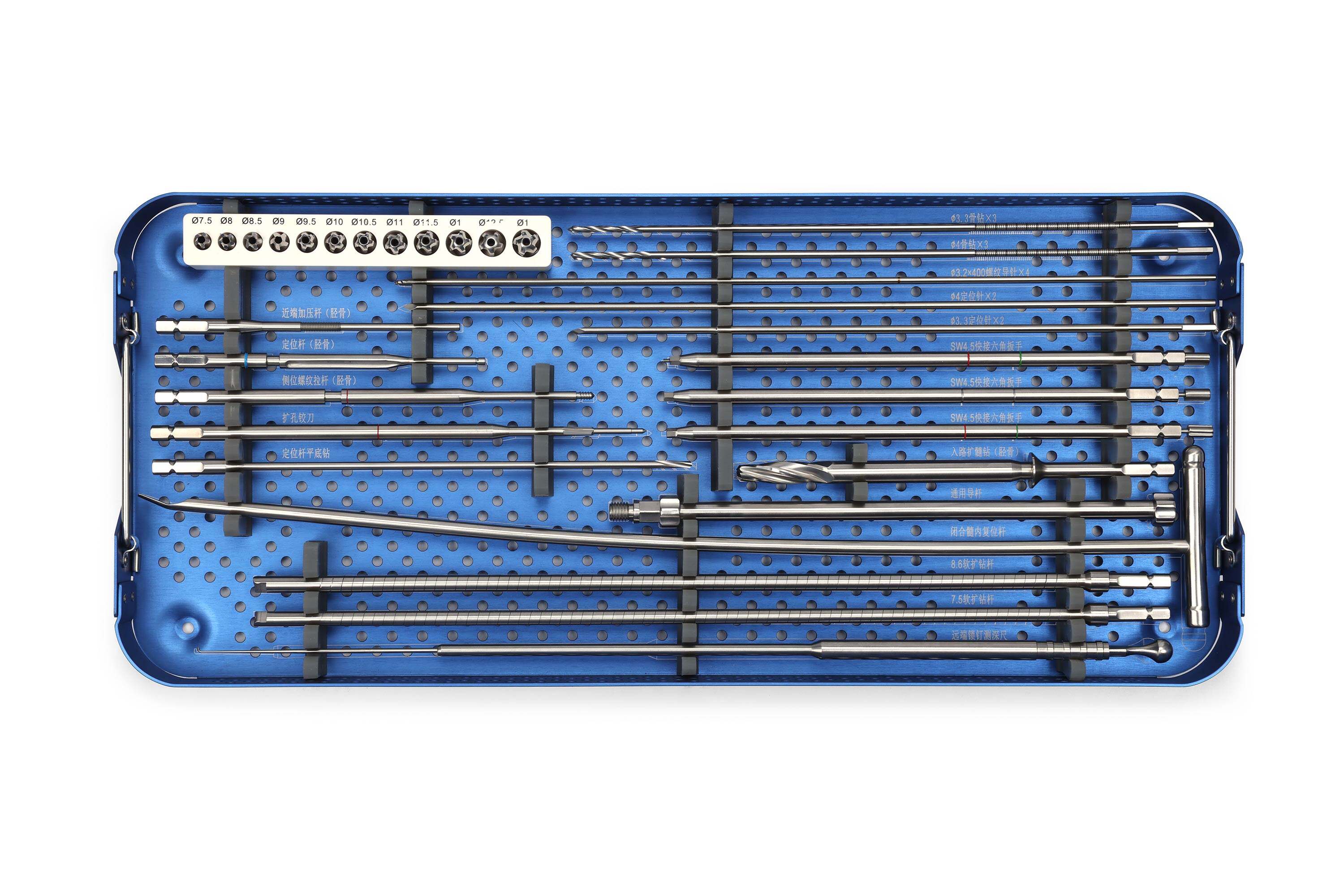
The global healthcare industry relies heavily on precision manufacturing standards, particularly when it comes to producing life-saving medical devices. An orthopedic trauma instruments factory operates under stringent regulatory frameworks to ensure patient safety and surgical success. These specialized manufacturing facilities must adhere to rigorous quality control measures that encompass everything from material selection to final product testing. The complexity of orthopedic trauma instruments requires manufacturers to implement comprehensive quality management systems that meet international standards while maintaining cost-effective production processes.
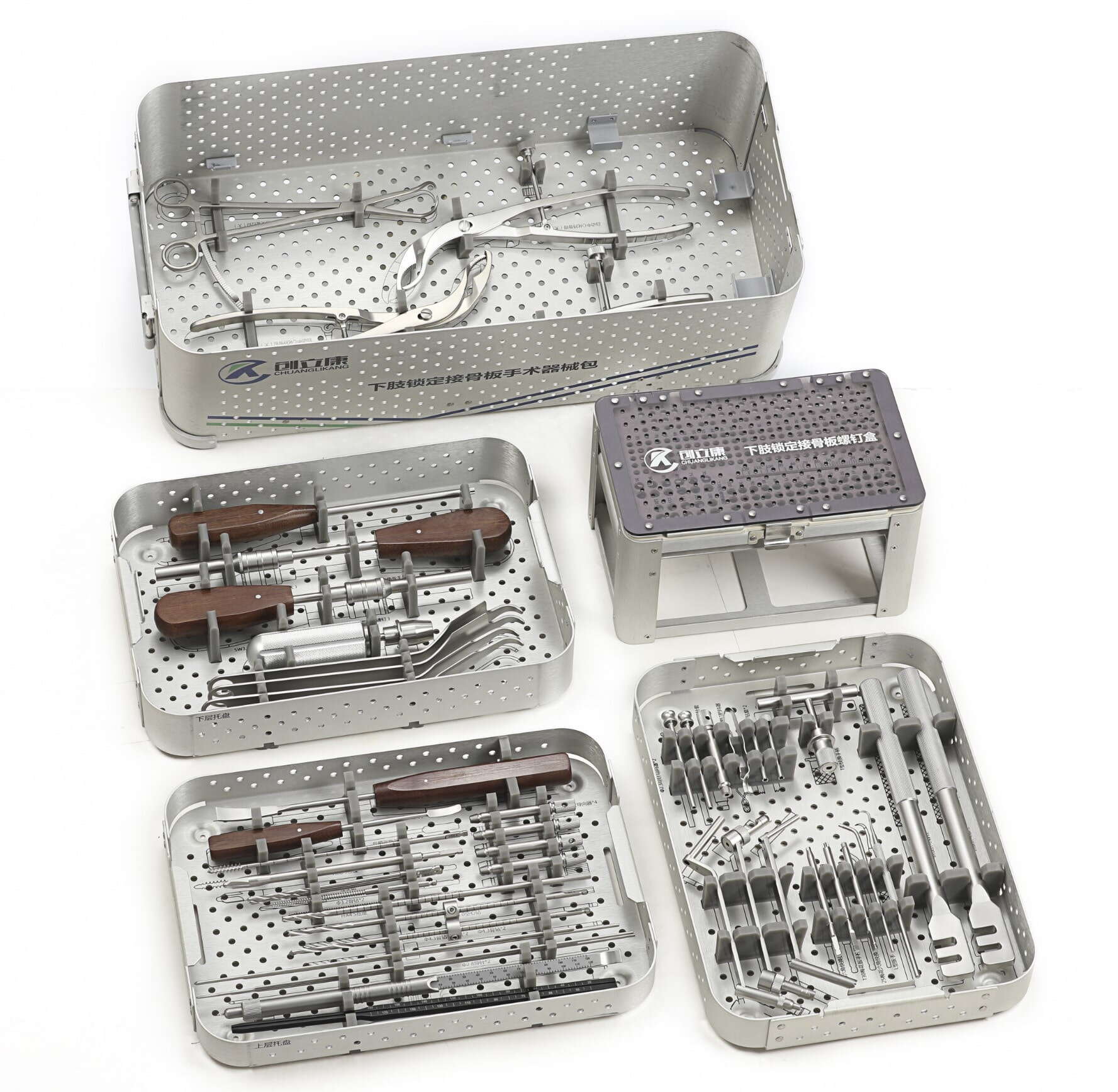
ISO 13485 Medical Device Quality Management
Foundation of Medical Device Manufacturing Excellence
ISO 13485 represents the cornerstone standard for any reputable orthopedic trauma instruments factory. This comprehensive quality management system specifically addresses the unique requirements of medical device manufacturing, ensuring that every aspect of production meets stringent regulatory demands. The standard encompasses design controls, risk management, and continuous improvement processes that are essential for maintaining consistent product quality.
Implementation of ISO 13485 requires systematic documentation of all manufacturing processes, from initial design concept through final product delivery. An orthopedic trauma instruments factory must establish clear procedures for supplier qualification, incoming material inspection, and process validation. These requirements ensure that every component used in trauma instrument production meets predetermined specifications and contributes to the overall safety and efficacy of the final product.
Documentation and Traceability Requirements
The documentation requirements under ISO 13485 extend far beyond simple record-keeping. Every orthopedic trauma instruments factory must maintain comprehensive traceability records that track materials from their source through final product shipment. This includes detailed batch records, calibration certificates for measuring equipment, and validation studies demonstrating process consistency over time.
Traceability becomes particularly critical when dealing with implantable trauma devices, where patient safety depends on the ability to quickly identify and recall potentially defective products. Modern manufacturing facilities utilize sophisticated database systems to maintain these records, ensuring rapid response capabilities in case of quality issues or regulatory inquiries.
FDA 21 CFR Part 820 Compliance Framework
Good Manufacturing Practice Requirements
The FDA's 21 CFR Part 820 regulation, commonly known as the Quality System Regulation, establishes mandatory good manufacturing practices for medical device production in the United States. Any orthopedic trauma instruments factory seeking FDA clearance or approval must demonstrate full compliance with these comprehensive requirements. The regulation covers all aspects of device production, from design controls and purchasing to production and process controls.
Design controls under Part 820 require manufacturers to establish systematic approaches for translating user needs into detailed device specifications. This includes conducting design reviews, verification and validation studies, and maintaining design history files. For trauma instruments, these controls are particularly important given the critical nature of surgical applications and the need for precise functionality under emergency conditions.
Production and Process Controls
Production controls mandated by Part 820 ensure that each orthopedic trauma instruments factory maintains consistent manufacturing processes. These controls include written procedures for production methods, equipment maintenance, and environmental monitoring. Temperature, humidity, and cleanliness levels must be continuously monitored and documented to prevent contamination or degradation of sensitive materials.
Process validation represents another critical component of Part 820 compliance. Manufacturers must demonstrate that their production processes consistently produce devices meeting predetermined specifications. This involves conducting installation qualification, operational qualification, and performance qualification studies for all critical manufacturing equipment and processes.
Material Standards and Biocompatibility Testing
Medical Grade Material Selection
The selection of appropriate materials forms the foundation of quality trauma instrument manufacturing. An orthopedic trauma instruments factory must source materials that meet specific medical grade standards, including requirements for biocompatibility, corrosion resistance, and mechanical properties. Stainless steel grades such as 316LVM and titanium alloys are commonly utilized due to their excellent biocompatibility profiles and mechanical strength characteristics.
Material certification documentation must accompany every shipment of raw materials, providing detailed chemical composition analysis and mechanical property verification. These certificates ensure that materials meet established specifications before entering the manufacturing process. Regular incoming inspection procedures verify that received materials match the provided certification data.
Biocompatibility Validation Protocols
Biocompatibility testing according to ISO 10993 standards ensures that trauma instruments are safe for patient contact. An orthopedic trauma instruments factory must conduct comprehensive biological evaluation studies, including cytotoxicity testing, sensitization studies, and systemic toxicity assessments. These tests evaluate potential adverse biological responses that could occur during clinical use.
The biological evaluation process begins with a thorough risk assessment that considers the nature and duration of patient contact. For trauma instruments that come into temporary contact with tissue, specific testing protocols evaluate acute toxicity and local tissue response. Manufacturers must maintain detailed records of all biocompatibility testing results as part of their regulatory submission packages.
Sterilization Validation and Packaging Standards
Terminal Sterilization Processes
Effective sterilization represents a critical quality standard for any orthopedic trauma instruments factory. The most commonly employed sterilization methods include steam sterilization, ethylene oxide sterilization, and gamma radiation sterilization. Each method requires specific validation protocols to demonstrate sterility assurance levels of at least 10^-6, meaning the probability of a viable microorganism surviving the sterilization process is one in a million.
Steam sterilization validation involves conducting biological indicator studies using Geobacillus stearothermophilus spores, which are highly resistant to moist heat. These studies must demonstrate consistent achievement of required sterility assurance levels across all areas of the sterilization load. Temperature mapping studies ensure uniform heat distribution throughout the sterilization chamber.
Sterile Packaging Requirements
Packaging systems for sterile trauma instruments must maintain sterility until the point of use while providing adequate protection during shipping and storage. An orthopedic trauma instruments factory must validate packaging materials and sealing processes according to ASTM and ISO standards. This includes conducting accelerated aging studies to demonstrate package integrity over the product's intended shelf life.
Sterile barrier systems typically utilize medical grade papers, nonwoven materials, or plastic films that allow sterilant penetration while preventing microbial ingress. Package sealing processes require validation to ensure consistent seal strength and integrity. Visual inspection procedures verify that all packages meet established acceptance criteria before final release.
Environmental Control and Cleanroom Standards
Cleanroom Classification Requirements
Manufacturing environments within an orthopedic trauma instruments factory must meet specific cleanliness standards to prevent contamination of medical devices. ISO 14644 standards define cleanroom classifications based on the maximum allowable concentration of airborne particles. Most trauma instrument manufacturing requires Class 100,000 (ISO 8) or better environments for assembly and packaging operations.
Environmental monitoring programs continuously assess air quality, surface cleanliness, and personnel hygiene within manufacturing areas. Particle counters measure airborne contamination levels, while surface sampling verifies the effectiveness of cleaning and disinfection procedures. These monitoring activities generate data that demonstrates ongoing environmental control effectiveness.
Personnel Training and Gowning Procedures
Human operators represent a significant potential source of contamination in medical device manufacturing. An orthopedic trauma instruments factory must implement comprehensive personnel training programs covering proper gowning procedures, hand hygiene protocols, and behavior guidelines within controlled environments. Regular training assessments ensure that all personnel maintain required competency levels.
Gowning procedures typically involve multiple layers of protective clothing, including hairnets, face masks, sterile gloves, and full-body coveralls. Entry and exit procedures for cleanroom areas must be carefully choreographed to prevent contamination transfer. Air showers and sticky mats help remove loose particles from personnel and equipment before entering controlled areas.
FAQ
What are the primary regulatory standards that govern orthopedic trauma instrument manufacturing
The primary regulatory standards include ISO 13485 for quality management systems, FDA 21 CFR Part 820 for good manufacturing practices, ISO 10993 for biocompatibility testing, and ISO 14644 for cleanroom environments. Additionally, an orthopedic trauma instruments factory must comply with ISO 11137 for sterilization validation and various ASTM standards for material properties and testing methods.
How does material selection impact the quality of trauma instruments
Material selection directly influences instrument performance, durability, and patient safety. An orthopedic trauma instruments factory must choose materials with appropriate mechanical properties, corrosion resistance, and biocompatibility characteristics. Common materials include 316LVM stainless steel and titanium alloys, which offer excellent strength-to-weight ratios and proven biocompatibility profiles for surgical applications.
What role does sterilization validation play in manufacturing standards
Sterilization validation ensures that all trauma instruments achieve required sterility assurance levels before clinical use. An orthopedic trauma instruments factory must conduct comprehensive validation studies demonstrating that sterilization processes consistently eliminate viable microorganisms. This includes biological indicator studies, temperature mapping, and ongoing monitoring programs that verify process effectiveness over time.
Why are environmental controls critical in trauma instrument production
Environmental controls prevent contamination that could compromise instrument sterility or functionality. Manufacturing areas must meet specific cleanliness standards defined by ISO 14644, with continuous monitoring of airborne particles, surface cleanliness, and personnel hygiene. These controls are essential for maintaining product quality and ensuring patient safety in surgical applications.
Table of Contents
- ISO 13485 Medical Device Quality Management
- FDA 21 CFR Part 820 Compliance Framework
- Material Standards and Biocompatibility Testing
- Sterilization Validation and Packaging Standards
- Environmental Control and Cleanroom Standards
-
FAQ
- What are the primary regulatory standards that govern orthopedic trauma instrument manufacturing
- How does material selection impact the quality of trauma instruments
- What role does sterilization validation play in manufacturing standards
- Why are environmental controls critical in trauma instrument production