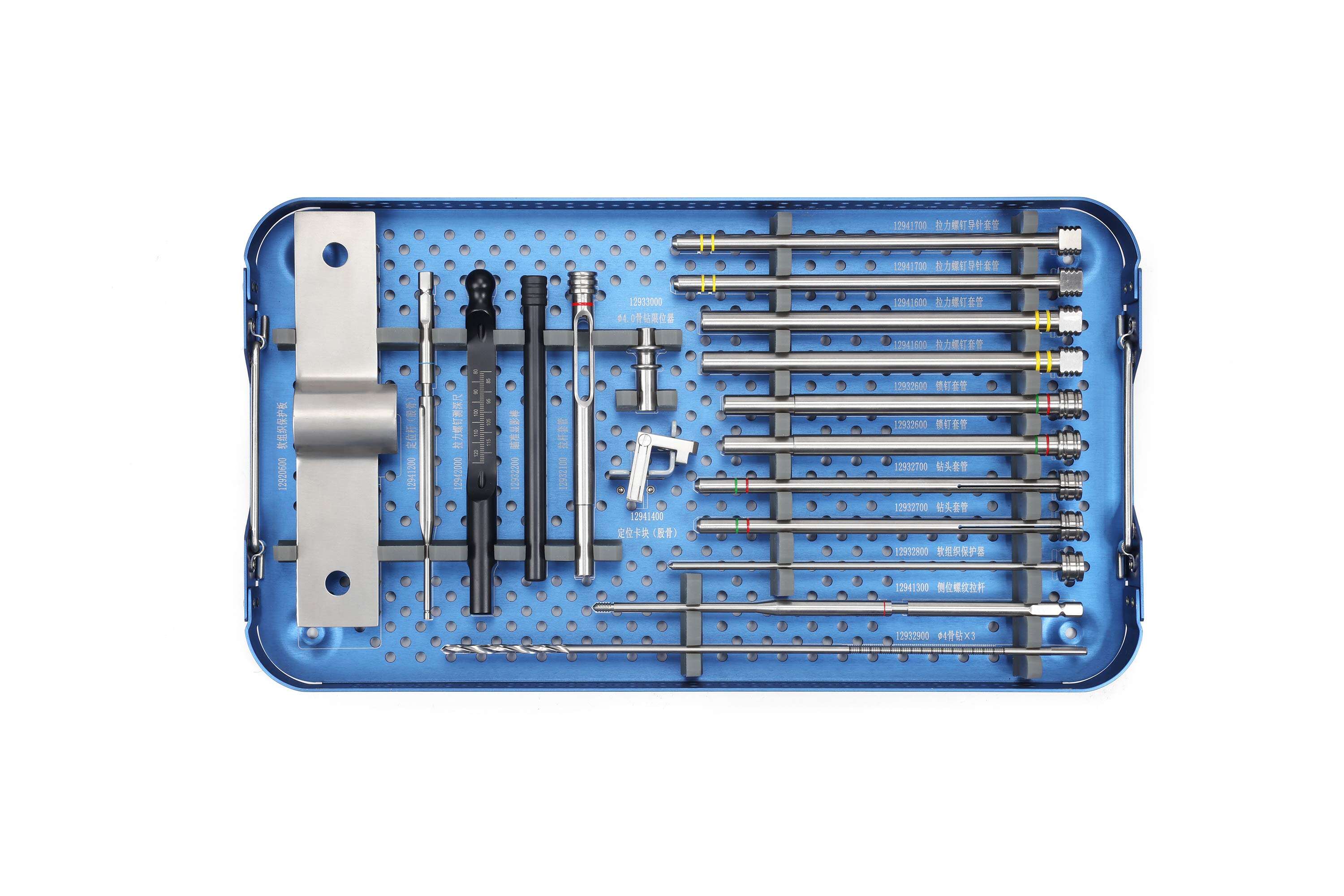
Manufacturing precision surgical instruments requires uncompromising attention to detail, particularly in an orthopedic trauma instruments factory where patient safety depends on the reliability of every component. The complex nature of trauma surgeries demands instruments that meet the highest standards of accuracy, durability, and sterility. Modern orthopedic trauma instruments factory operations integrate advanced quality control systems that ensure each instrument performs flawlessly during critical surgical procedures. These manufacturing facilities must balance efficiency with meticulous oversight to produce instruments that surgeons can trust in emergency situations.
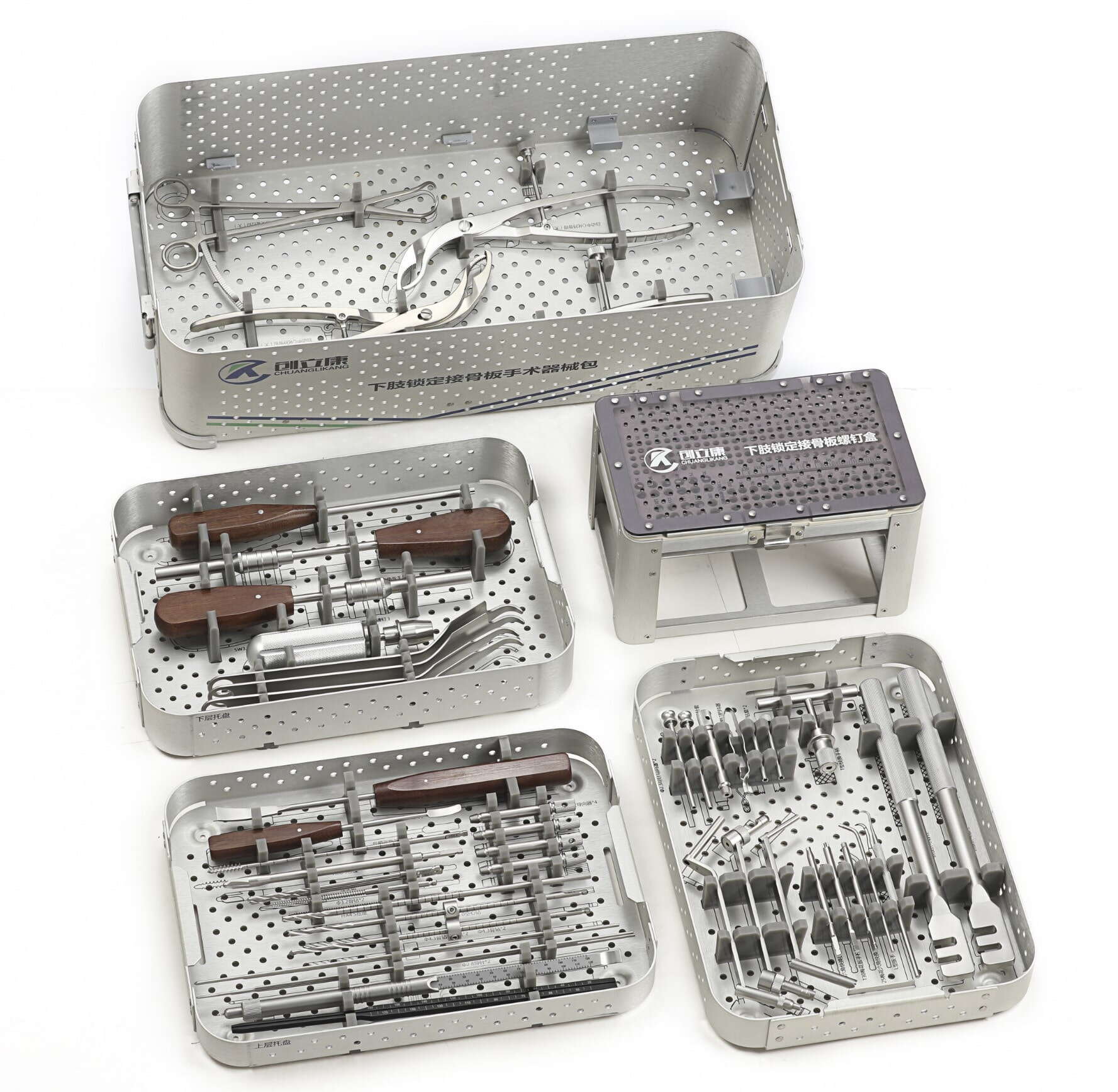
Manufacturing Standards and Regulatory Compliance
International Quality Certifications
Every reputable orthopedic trauma instruments factory must obtain and maintain multiple international certifications to ensure product quality and market acceptance. ISO 13485 certification serves as the foundation for medical device manufacturing, establishing comprehensive quality management systems specifically designed for healthcare products. This certification requires detailed documentation of all manufacturing processes, from raw material inspection to final product testing. The orthopedic trauma instruments factory must also comply with FDA regulations in the United States and CE marking requirements for European markets. These certifications involve regular audits and continuous monitoring of production processes to maintain compliance standards.
Beyond basic certifications, leading manufacturers pursue additional quality standards such as ISO 9001 for general quality management and ISO 14001 for environmental management systems. These comprehensive certifications demonstrate a commitment to excellence that extends beyond regulatory requirements. The orthopedic trauma instruments factory benefits from implementing these standards through improved operational efficiency, reduced waste, and enhanced customer confidence. Regular third-party audits ensure that quality systems remain current with evolving industry standards and technological advances.
Material Specification Requirements
The selection and verification of raw materials represents a critical quality control checkpoint in any orthopedic trauma instruments factory. Surgical grade stainless steel, titanium alloys, and specialized polymers must meet strict chemical composition requirements and mechanical properties specifications. Each material batch undergoes comprehensive testing including tensile strength analysis, corrosion resistance evaluation, and biocompatibility assessment. The orthopedic trauma instruments factory maintains detailed material certificates and traceability records for every component used in production.
Advanced material testing laboratories within the manufacturing facility employ sophisticated analytical equipment to verify material properties. X-ray fluorescence spectroscopy confirms chemical composition while mechanical testing machines evaluate strength and durability characteristics. The orthopedic trauma instruments factory must maintain temperature-controlled storage environments to preserve material integrity and prevent contamination. Regular calibration of testing equipment ensures accurate material verification throughout the production cycle.
Production Process Quality Controls
Precision Machining and Tolerances
The machining operations in an orthopedic trauma instruments factory require exceptional precision to achieve the tight tolerances necessary for surgical instruments. Computer numerical control machines operate under strict environmental conditions with consistent temperature and humidity controls to prevent dimensional variations. Each machining station includes real-time monitoring systems that track cutting tool wear and dimensional accuracy throughout production runs. The orthopedic trauma instruments factory employs coordinate measuring machines to verify dimensional specifications and surface finish requirements for every instrument component.
Quality control operators perform regular statistical process control measurements to identify trending issues before they result in non-conforming products. The orthopedic trauma instruments factory maintains detailed process capability studies that document the manufacturing system's ability to consistently produce instruments within specified tolerances. Advanced laser measurement systems provide non-contact dimensional verification for delicate instrument features that cannot withstand traditional measurement techniques. These precision controls ensure that surgical instruments fit together properly and function reliably during demanding trauma procedures.
Surface Treatment and Finishing
Surface treatments applied in the orthopedic trauma instruments factory significantly impact instrument performance, corrosion resistance, and biocompatibility. Passivation processes create protective oxide layers on stainless steel surfaces while electropolishing removes microscopic surface irregularities that could harbor bacteria or cause tissue irritation. Each surface treatment batch undergoes rigorous testing to verify proper chemical composition and surface roughness specifications. The orthopedic trauma instruments factory maintains detailed process parameters for temperature, time, and chemical concentrations to ensure consistent results.
Visual inspection under magnification reveals surface defects that automated systems might miss, requiring trained operators with extensive experience in recognizing acceptable surface conditions. The orthopedic trauma instruments factory employs specialized lighting and magnification equipment to detect microscopic flaws that could compromise instrument performance. Color-coded identification systems track instruments through various surface treatment stages to prevent processing errors. Final surface verification includes contact angle measurements to confirm proper wettability characteristics essential for surgical instrument cleaning and sterilization.
Testing and Validation Procedures
Mechanical Performance Testing
Comprehensive mechanical testing programs in the orthopedic trauma instruments factory verify that each instrument can withstand the forces and stresses encountered during surgical procedures. Tensile testing machines apply controlled loads to evaluate maximum strength capabilities while fatigue testing simulates repeated use conditions over extended periods. The orthopedic trauma instruments factory conducts torque testing on threaded components to ensure proper engagement and prevent stripping during surgical applications. Impact testing evaluates instrument resistance to accidental drops and sudden force applications that may occur in operating room environments.
Specialized testing fixtures replicate actual surgical loading conditions to provide realistic performance data for instrument validation. The orthopedic trauma instruments factory maintains extensive databases of testing results that enable statistical analysis of product performance trends and identification of potential design improvements. Accelerated aging tests simulate years of use in compressed timeframes to predict long-term instrument reliability. These comprehensive testing protocols ensure that surgical instruments maintain their performance characteristics throughout their intended service life.
Biocompatibility and Sterilization Validation
Biocompatibility testing ensures that instruments produced in the orthopedic trauma instruments factory do not cause adverse reactions when in contact with human tissue. Cytotoxicity tests evaluate cellular responses to instrument materials while sensitization studies assess potential allergic reactions. The orthopedic trauma instruments factory collaborates with accredited biological testing laboratories to conduct comprehensive biocompatibility evaluations according to ISO 10993 standards. These tests include systemic toxicity assessment, implantation studies, and genotoxicity evaluation to ensure complete patient safety.
Sterilization validation confirms that cleaning and sterilization processes effectively eliminate all microorganisms without compromising instrument functionality. The orthopedic trauma instruments factory tests various sterilization methods including steam autoclaving, ethylene oxide gas, and gamma irradiation to determine optimal parameters for each instrument type. Biological indicators and chemical integrators monitor sterilization effectiveness while material compatibility testing ensures that repeated sterilization cycles do not degrade instrument performance. Package integrity testing verifies that sterile barriers maintain their protective properties throughout storage and transportation.
Quality Assurance Documentation Systems
Traceability and Record Keeping
Comprehensive documentation systems in the orthopedic trauma instruments factory provide complete traceability from raw materials through final product delivery. Unique serial numbers or lot codes enable tracking of individual instruments throughout their manufacturing history and subsequent clinical use. The orthopedic trauma instruments factory maintains detailed records of material certificates, process parameters, inspection results, and testing data for every production batch. Electronic data management systems ensure secure storage and rapid retrieval of quality records for regulatory audits and customer inquiries.
Barcode scanning and radio frequency identification systems automate data collection and reduce human error in record keeping processes. The orthopedic trauma instruments factory employs digital signatures and audit trails to maintain data integrity and prevent unauthorized modifications to quality records. Regular backup procedures protect critical quality data from loss while archive systems preserve historical records for regulatory compliance requirements. Integration with enterprise resource planning systems enables real-time monitoring of quality metrics and automated generation of compliance reports.
Corrective and Preventive Actions
Robust corrective and preventive action systems in the orthopedic trauma instruments factory address quality issues promptly and prevent their recurrence. Root cause analysis techniques identify underlying factors contributing to non-conformances while statistical analysis reveals patterns that may indicate systemic problems. The orthopedic trauma instruments factory maintains cross-functional teams that investigate quality issues and implement effective corrective measures. Risk assessment methodologies evaluate potential failure modes and establish preventive controls to minimize quality risks.
Continuous improvement initiatives leverage quality data to optimize manufacturing processes and enhance product performance. The orthopedic trauma instruments factory conducts regular management reviews to assess quality system effectiveness and identify opportunities for enhancement. Customer feedback integration ensures that quality improvements address real-world surgical requirements and user preferences. Training programs keep personnel updated on quality procedures and emerging best practices in medical device manufacturing.
Advanced Quality Technologies
Automated Inspection Systems
Modern orthopedic trauma instruments factory operations increasingly rely on automated inspection technologies to achieve consistent quality results and reduce human error. Machine vision systems equipped with high-resolution cameras and sophisticated image analysis software can detect dimensional variations, surface defects, and assembly errors with microscopic precision. These automated systems operate continuously without fatigue and provide objective measurement data that eliminates subjective interpretation variations. The orthopedic trauma instruments factory benefits from faster inspection cycles and more comprehensive quality data collection through automated technologies.
Artificial intelligence algorithms enhance automated inspection capabilities by learning to recognize complex defect patterns and adapting to manufacturing variations. The orthopedic trauma instruments factory employs deep learning systems that improve detection accuracy over time and reduce false rejection rates. Integration with manufacturing execution systems enables real-time quality feedback and automatic adjustment of process parameters to maintain optimal production conditions. These advanced technologies represent the future of quality control in medical device manufacturing.
Digital Quality Management
Cloud-based quality management systems enable the orthopedic trauma instruments factory to access quality data and documentation from multiple locations while maintaining security and compliance requirements. Mobile devices allow quality personnel to collect inspection data directly on the production floor and upload results instantly to central databases. The orthopedic trauma instruments factory utilizes predictive analytics to identify potential quality issues before they occur and schedule preventive maintenance activities. Real-time dashboards provide management visibility into quality metrics and enable rapid response to emerging issues.
Blockchain technology offers potential applications for enhancing traceability and preventing counterfeit products in the medical device supply chain. The orthopedic trauma instruments factory may implement blockchain systems to create immutable records of manufacturing history and ownership transfer. Digital twin technologies create virtual models of manufacturing processes that enable simulation and optimization of quality control procedures. These emerging technologies promise to revolutionize quality management in medical device manufacturing through enhanced transparency and predictive capabilities.
FAQ
What are the most critical quality control points in orthopedic trauma instrument manufacturing
The most critical quality control points include raw material verification, dimensional inspection during machining operations, surface treatment validation, mechanical performance testing, and final assembly verification. Each orthopedic trauma instruments factory must establish rigorous inspection protocols at these key stages to prevent defective products from reaching customers. Material traceability, process parameter monitoring, and comprehensive testing programs ensure that instruments meet all safety and performance requirements for surgical applications.
How often should quality control equipment be calibrated in manufacturing facilities
Calibration frequency depends on equipment type, usage intensity, and manufacturer recommendations, but most precision measuring instruments require calibration every six to twelve months. The orthopedic trauma instruments factory should maintain detailed calibration schedules and use certified reference standards traceable to national measurement institutes. More frequent calibration may be necessary for critical measurement equipment or instruments exposed to harsh operating conditions. Regular calibration ensures measurement accuracy and maintains regulatory compliance throughout manufacturing operations.
What documentation is required for regulatory compliance in medical device manufacturing
Regulatory compliance requires comprehensive documentation including device master records, quality system procedures, material certificates, testing data, calibration records, and training documentation. The orthopedic trauma instruments factory must maintain complete traceability records linking raw materials to finished products and preserve all quality records for specified retention periods. Risk management documentation, clinical evaluation reports, and post-market surveillance records are also essential components of regulatory compliance programs.
How can manufacturers ensure consistent quality across multiple production shifts
Consistent quality across multiple shifts requires standardized procedures, comprehensive training programs, automated monitoring systems, and regular communication between shift teams. The orthopedic trauma instruments factory should implement visual management systems that clearly display quality standards and process parameters for all operators. Statistical process control charts track quality trends across shifts while management reviews ensure that quality issues receive prompt attention regardless of when they occur. Cross-training programs enable operators to maintain consistent practices across different shifts and production lines.
Table of Contents
- Manufacturing Standards and Regulatory Compliance
- Production Process Quality Controls
- Testing and Validation Procedures
- Quality Assurance Documentation Systems
- Advanced Quality Technologies
-
FAQ
- What are the most critical quality control points in orthopedic trauma instrument manufacturing
- How often should quality control equipment be calibrated in manufacturing facilities
- What documentation is required for regulatory compliance in medical device manufacturing
- How can manufacturers ensure consistent quality across multiple production shifts