Arthroscopic Instruments Contract Manufacturing: Precision Engineering for Advanced Surgical Solutions

Get a Free Quote

Our representative will contact you soon.
Email
Name
Company Name
Message
0/1000

arthroscopic instruments contract manufacturing

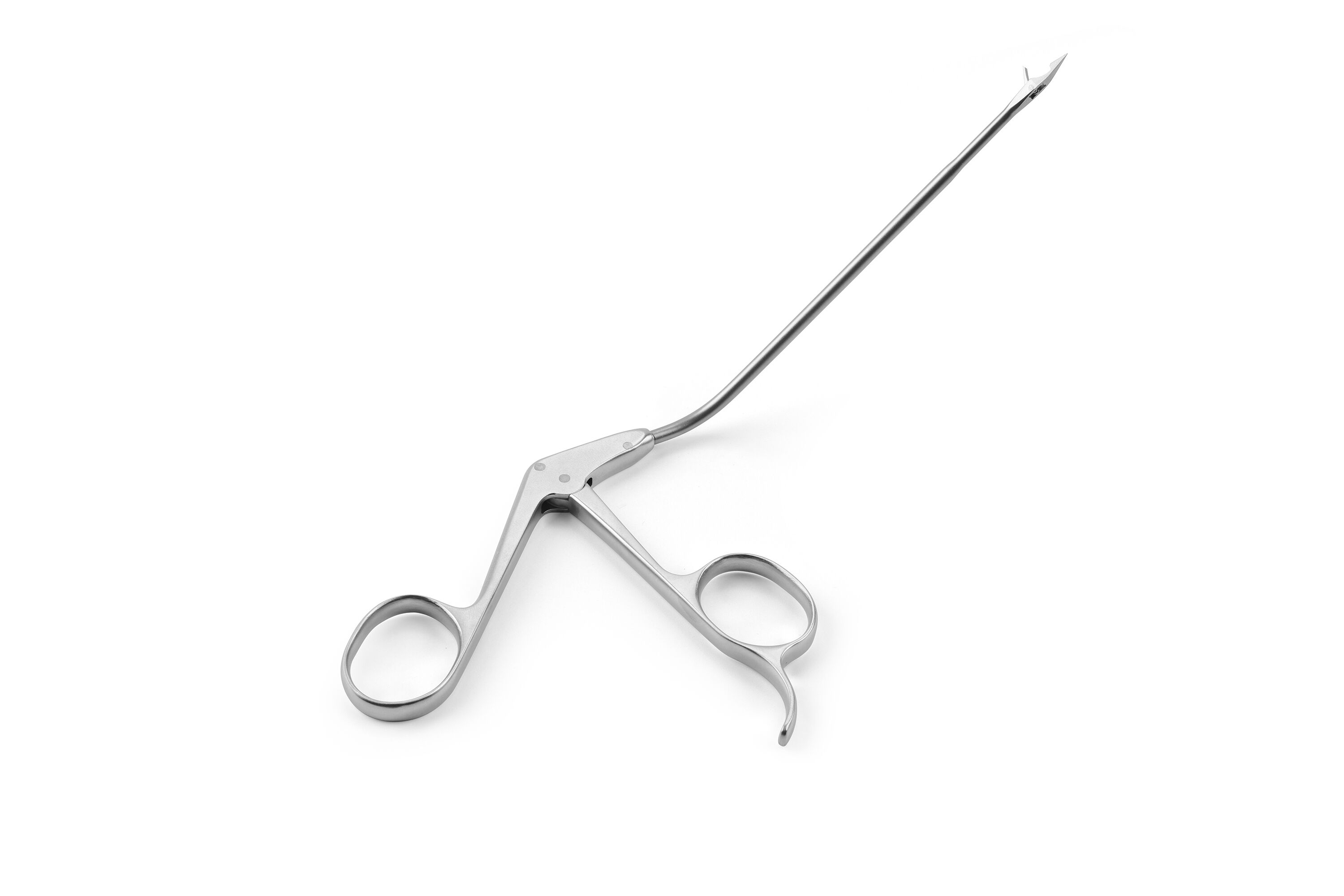
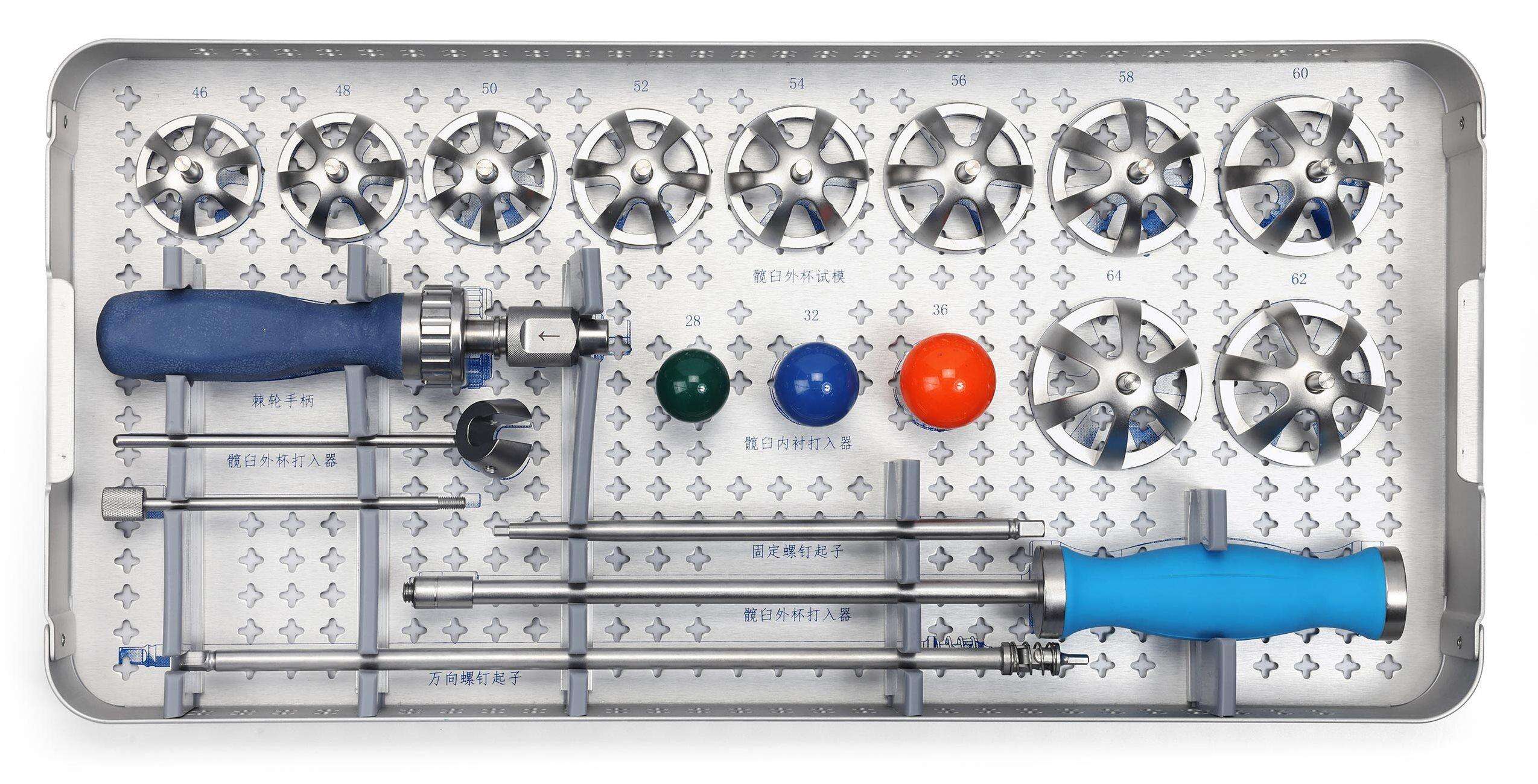
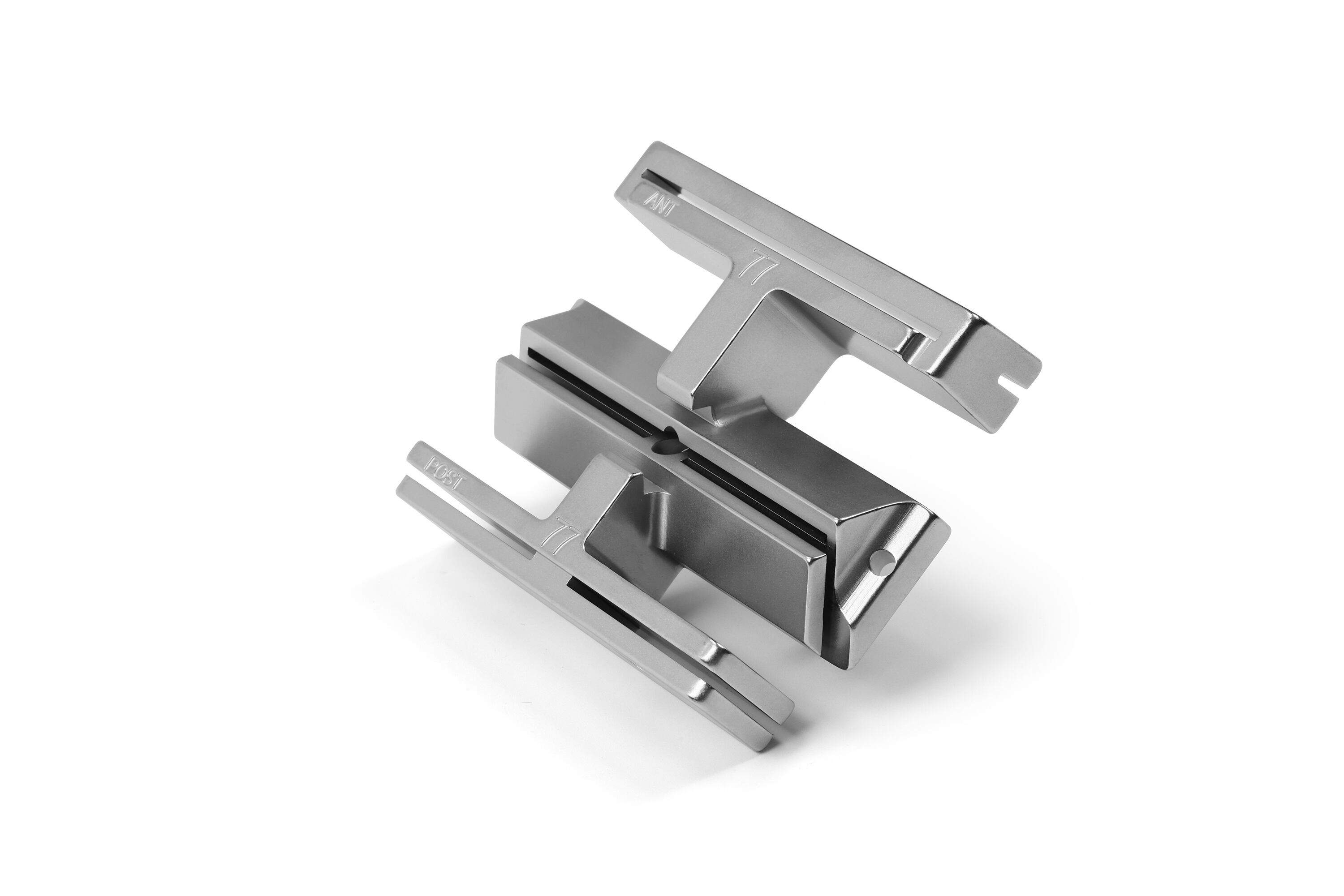
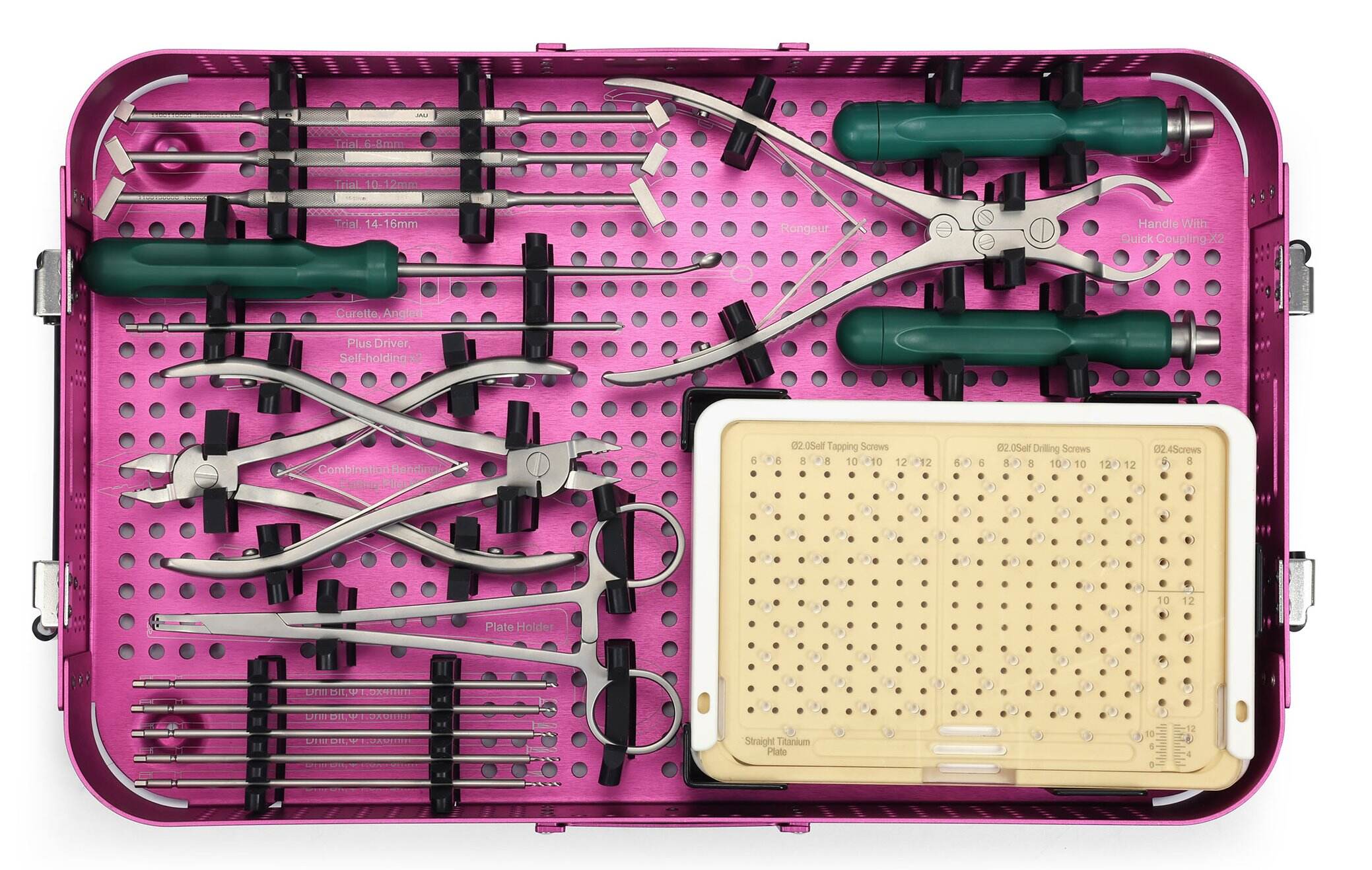
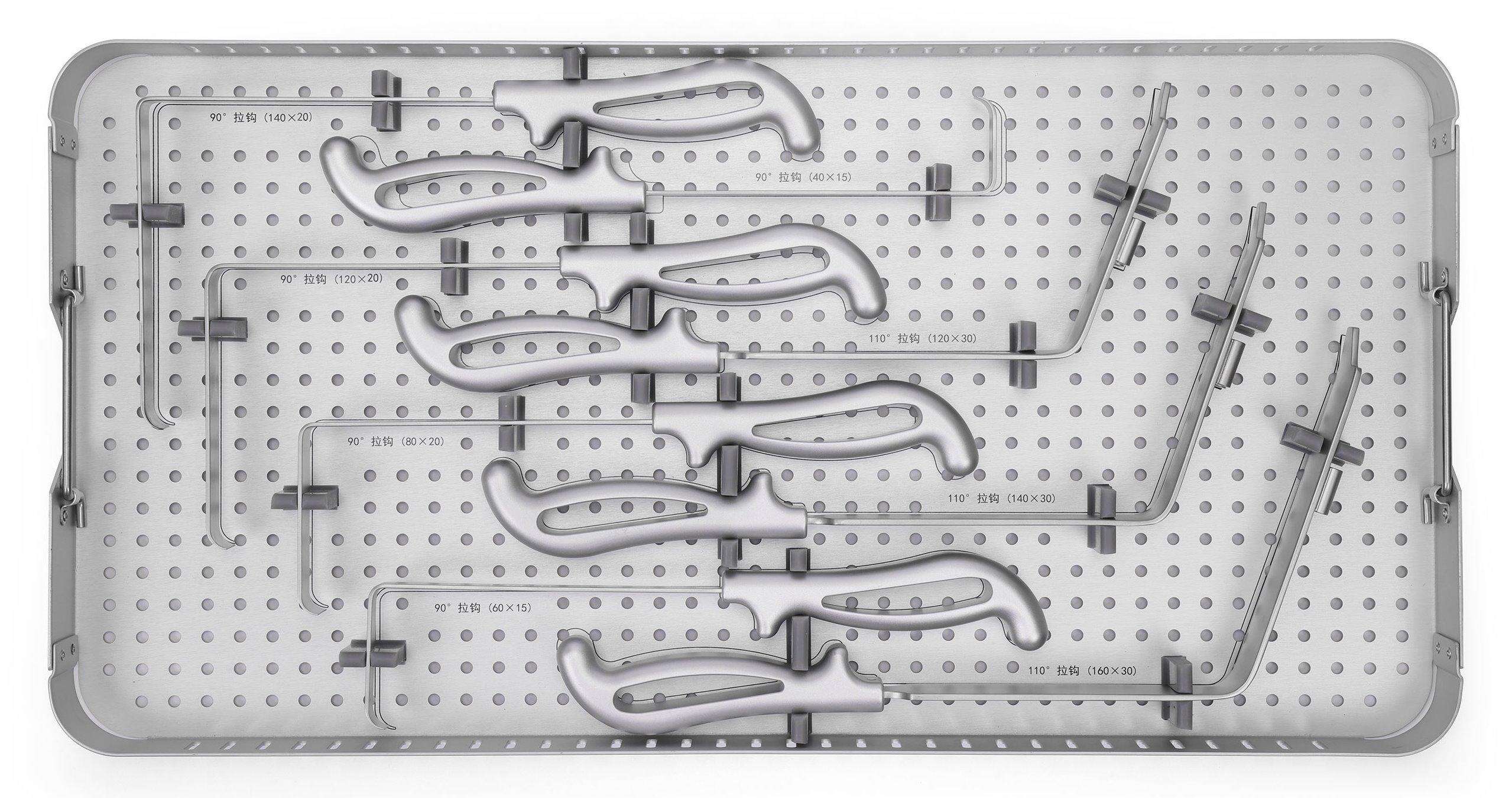
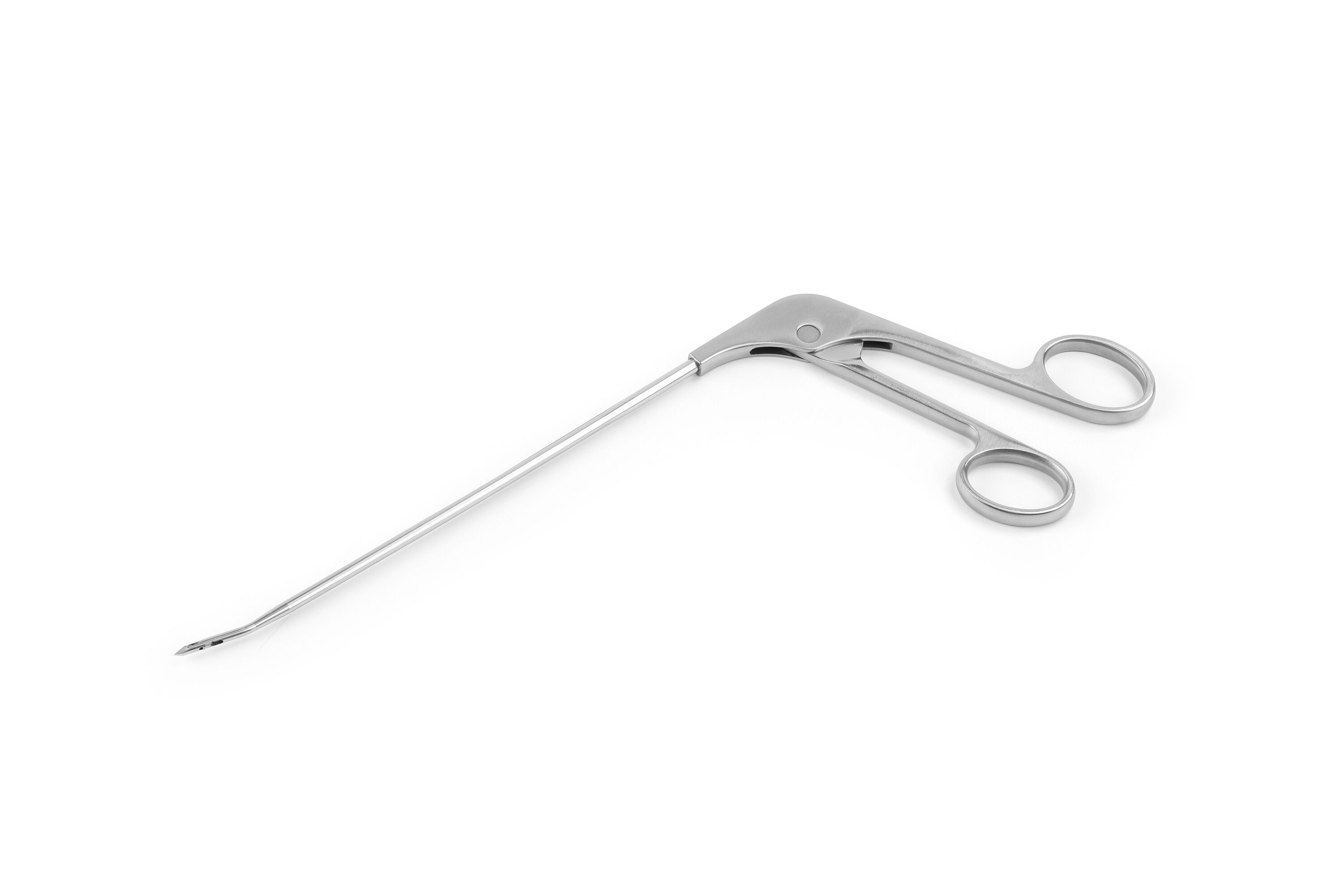
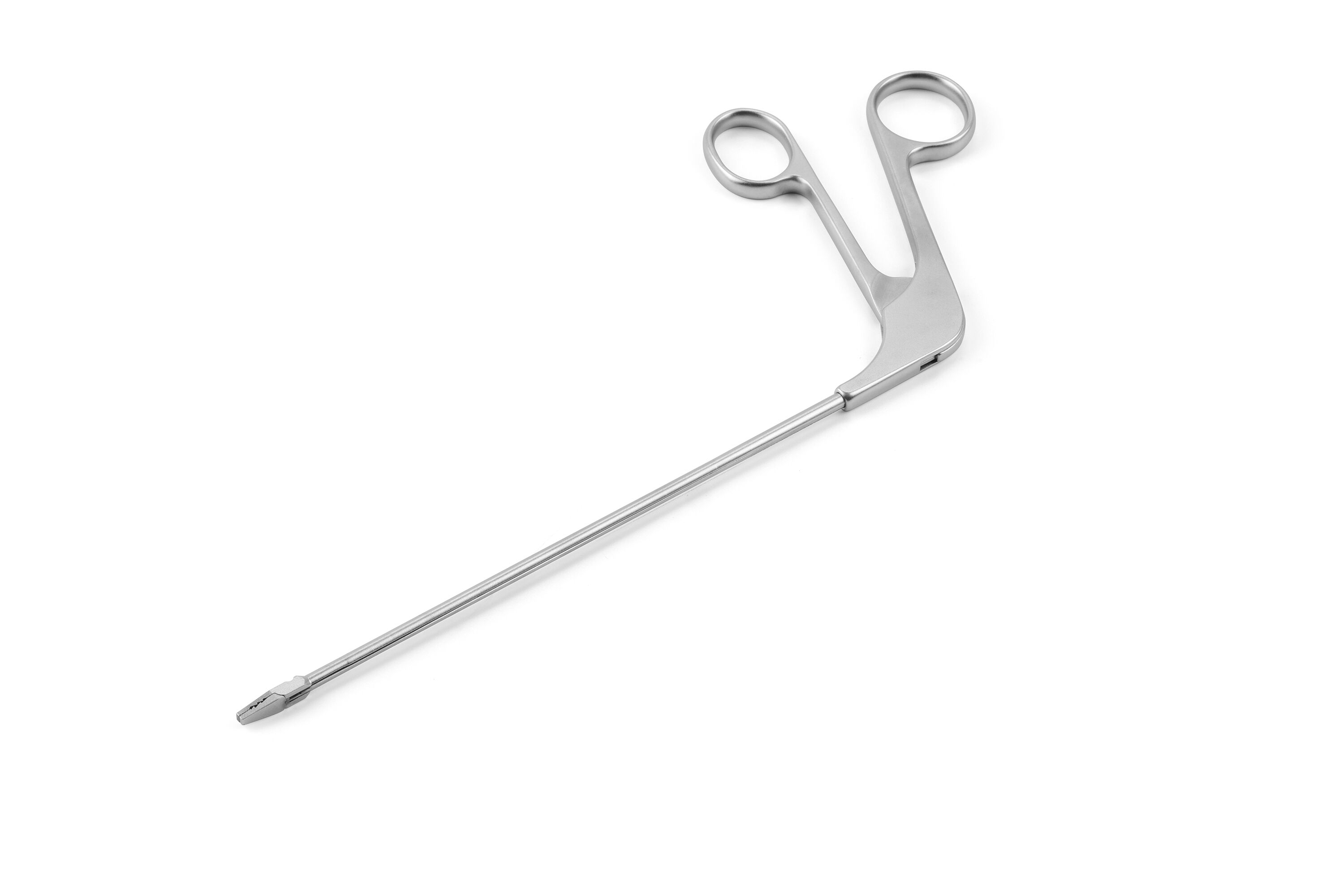
Arthroscopic instruments contract manufacturing represents a specialized segment of medical device production that focuses on creating precise, high-quality surgical tools used in minimally invasive joint procedures. This manufacturing process encompasses the development and production of various instruments including graspers, scissors, probes, and shavers essential for arthroscopic surgeries. These instruments are manufactured under strict quality control measures and regulatory compliance standards, including ISO 13485 certification and FDA guidelines. The manufacturing process involves advanced CNC machining, precision engineering, and sophisticated quality testing protocols to ensure each instrument meets exact specifications. Modern arthroscopic instrument manufacturing utilizes state-of-the-art technologies such as computer-aided design (CAD) systems, automated production lines, and advanced materials science to create instruments that combine durability with precision. The production process includes multiple stages from initial design and prototyping to final assembly and sterilization, ensuring each instrument meets the rigorous demands of surgical applications. Contract manufacturers in this field typically offer comprehensive services including design optimization, material selection consultation, regulatory compliance assistance, and post-production support to ensure their products meet both customer specifications and industry standards.
New Product Recommendations

Partnering with an arthroscopic instruments contract manufacturer offers numerous significant advantages for medical device companies and healthcare providers. First, it provides access to specialized expertise and advanced manufacturing capabilities without the need for substantial capital investment in equipment and facilities. This arrangement allows companies to focus on their core competencies while leveraging the manufacturer's technical knowledge and production infrastructure. Cost efficiency is another major benefit, as contract manufacturers can achieve economies of scale through optimized production processes and bulk material purchasing. Quality assurance is enhanced through dedicated quality control systems and standardized manufacturing processes that ensure consistent product quality. Contract manufacturers also offer flexibility in production volumes, allowing clients to adjust orders based on market demand without maintaining excess inventory or production capacity. The regulatory compliance expertise of contract manufacturers helps streamline the approval process for new products, reducing time-to-market and ensuring adherence to international standards. Innovation capabilities are enhanced through access to cutting-edge manufacturing technologies and research and development resources. Contract manufacturers often provide valuable input during the design phase, helping to optimize products for manufacturability and cost-effectiveness. Additionally, working with a contract manufacturer can provide access to established supply chains and distribution networks, facilitating smoother logistics and inventory management.

Tips And Tricks

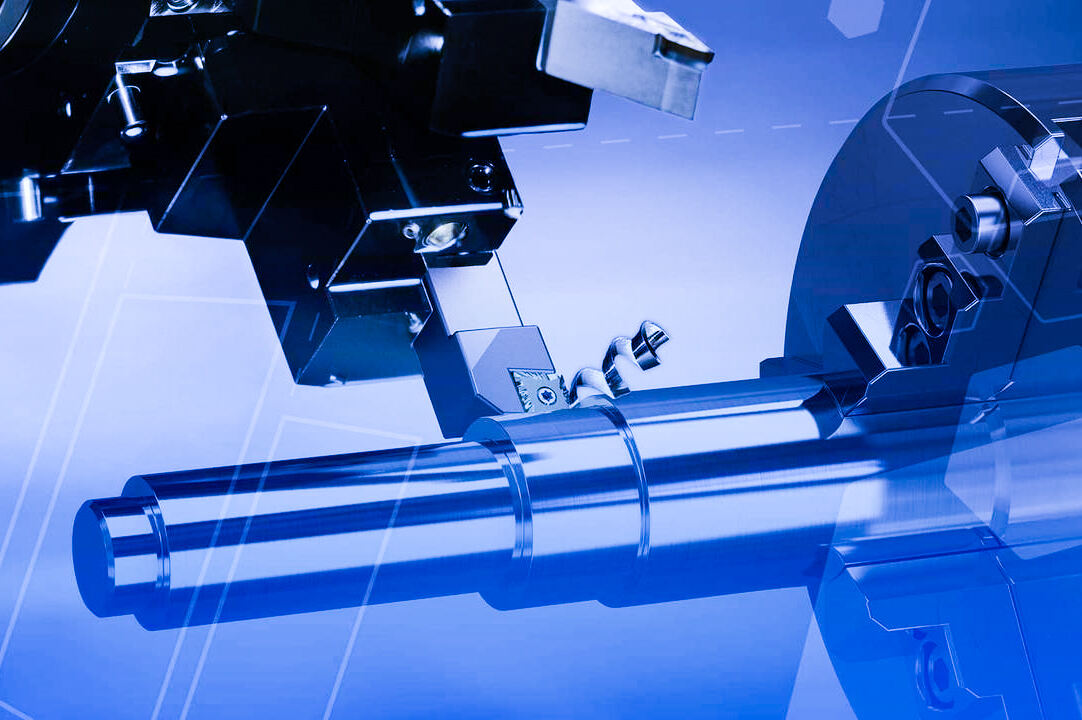
Technical Breakthroughs and Cost Reconstruction of Swiss Type Lathes

21

Aug

Technical Breakthroughs and Cost Reconstruction of Swiss Type Lathes

View More
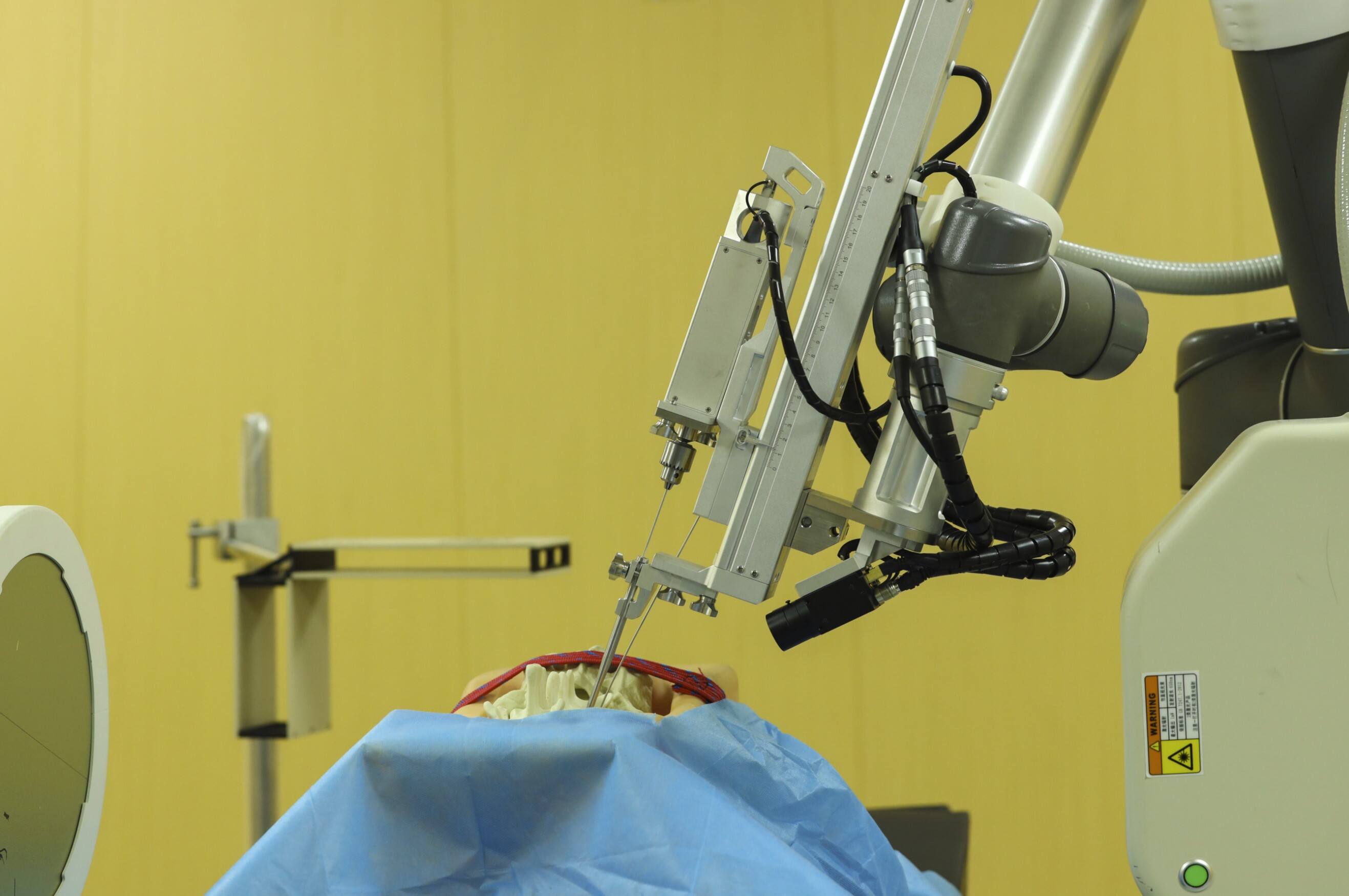
Precision Upgrade of Swiss Type Lathes in the Era of Orthopedic Surgical Robots

21

Aug

Precision Upgrade of Swiss Type Lathes in the Era of Orthopedic Surgical Robots

View More
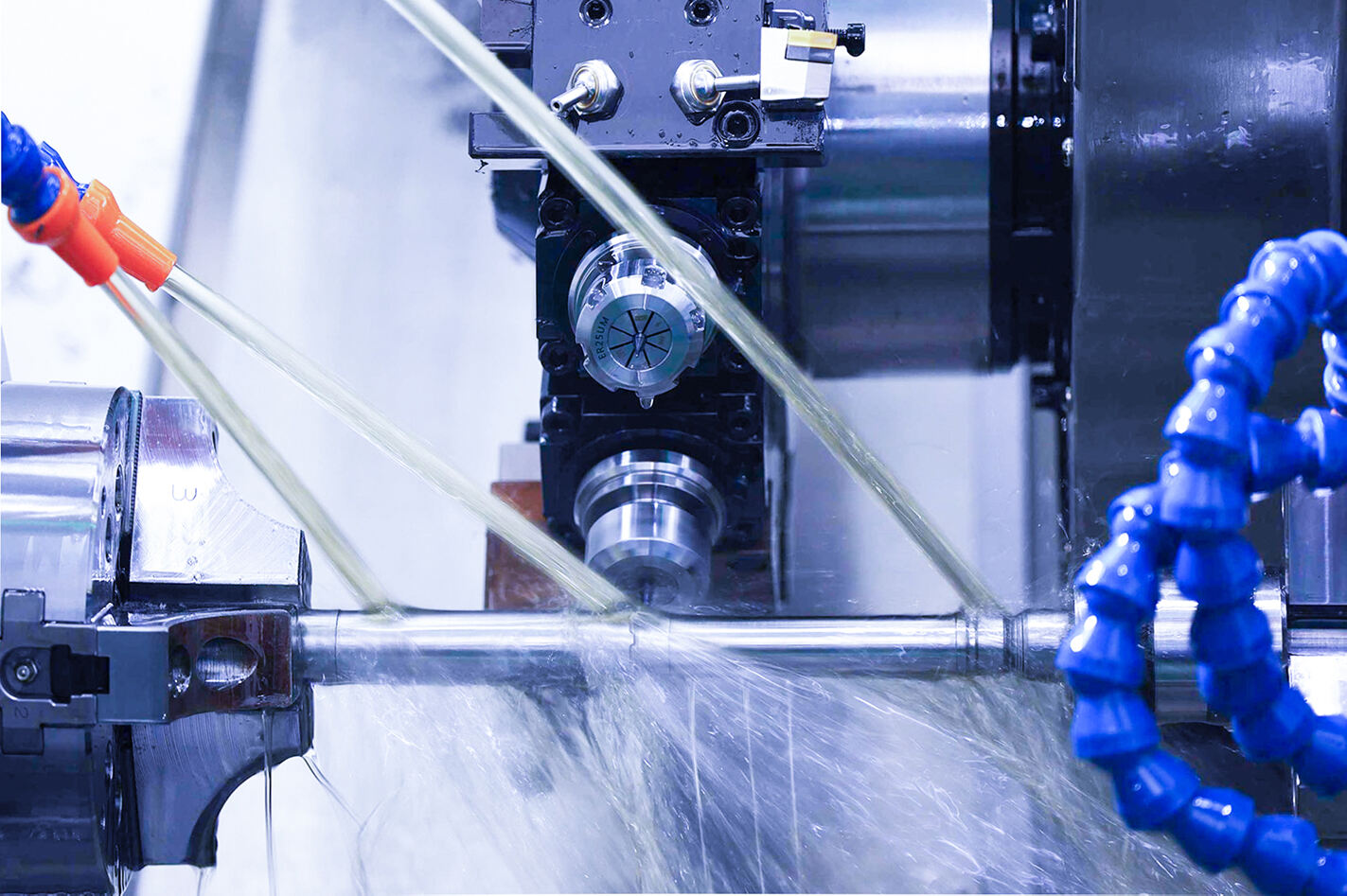
Mill-Turn Machining Centers: The Precision Force Reshaping Orthopedic Medical Device Manufacturing

21

Aug

Mill-Turn Machining Centers: The Precision Force Reshaping Orthopedic Medical Device Manufacturing

View More

Get a Free Quote

Our representative will contact you soon.
Email
Name
Company Name
Message
0/1000

arthroscopic instruments contract manufacturing

Advanced Manufacturing Technology Integration

Advanced Manufacturing Technology Integration

Modern arthroscopic instruments contract manufacturing facilities integrate cutting-edge technology throughout their production processes. This includes advanced CNC machining centers capable of producing complex geometries with micron-level precision, automated quality inspection systems utilizing computer vision and laser measurement technology, and sophisticated clean room facilities for final assembly and packaging. The integration of Industry 4.0 principles enables real-time monitoring of production parameters, ensuring consistent quality and enabling predictive maintenance. These technological capabilities allow for the production of increasingly sophisticated arthroscopic instruments while maintaining strict quality standards and improving production efficiency.
Comprehensive Quality Management Systems

Comprehensive Quality Management Systems

Contract manufacturers implement robust quality management systems that encompass every aspect of production, from incoming material inspection to final product validation. This includes detailed documentation of all production processes, regular calibration of measurement equipment, and comprehensive training programs for technical staff. Statistical process control methods are employed to monitor and optimize production parameters, while automated inspection systems ensure consistent quality standards. Regular audits and validation processes verify compliance with international standards and customer specifications, providing complete traceability for each manufactured component.
Customization and Design Support Services

Customization and Design Support Services

Leading contract manufacturers offer comprehensive design support services, working closely with clients to optimize product designs for both functionality and manufacturability. This includes 3D modeling and prototyping capabilities, material selection consultation, and design for manufacturing (DFM) analysis. Engineers collaborate with clients to identify potential improvements in design, suggesting modifications that can enhance performance while reducing production costs. This collaborative approach helps accelerate product development cycles and ensures that final products meet both technical specifications and market requirements.

Get a Free Quote

Our representative will contact you soon.
Email
Name
Company Name
Message
0/1000