Custom Surgical Instruments Manufacturing: Precision-Engineered Medical Tools for Optimal Surgical Outcomes

Get a Free Quote

Our representative will contact you soon.
Email
Name
Company Name
Message
0/1000

surgical instruments custom production

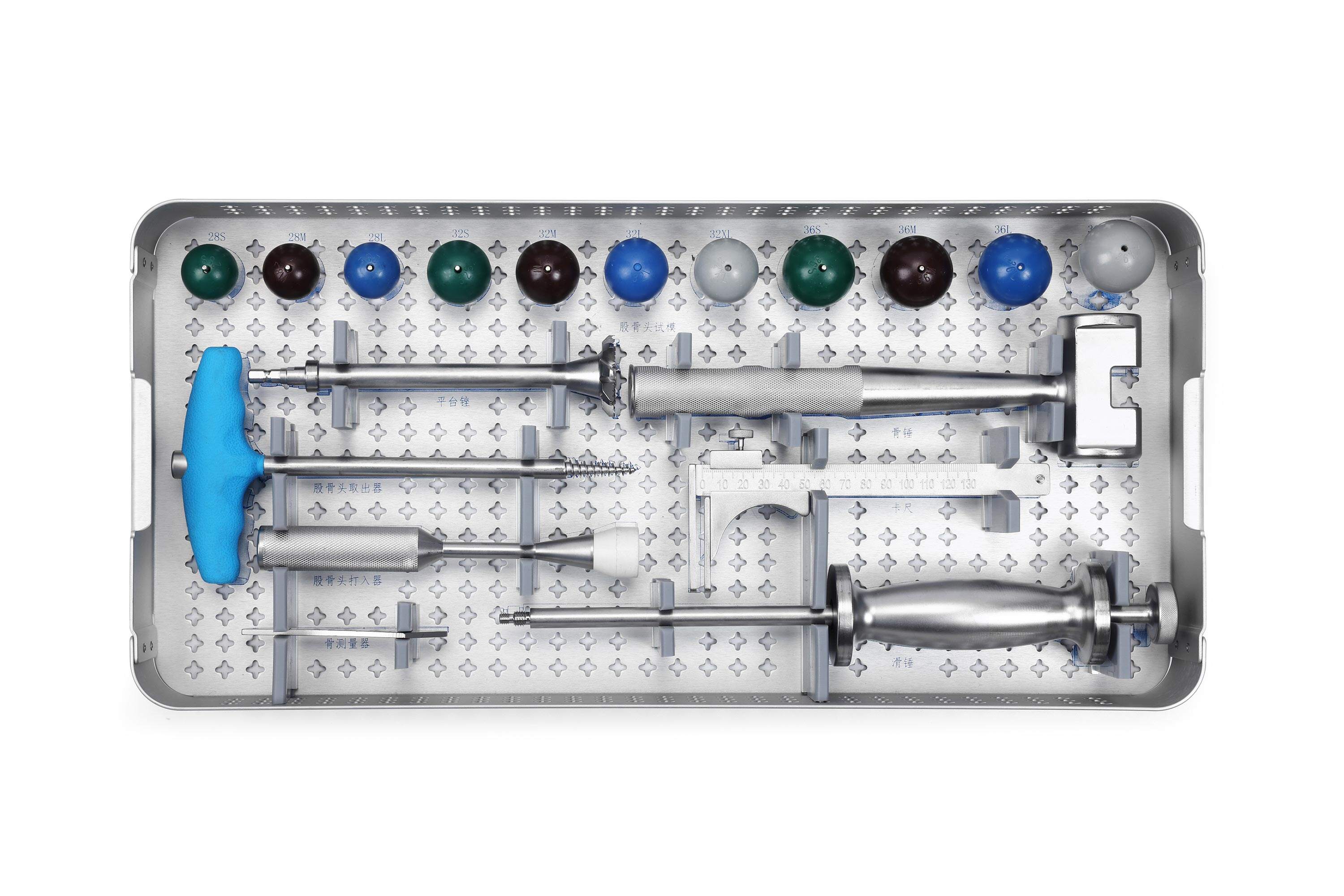
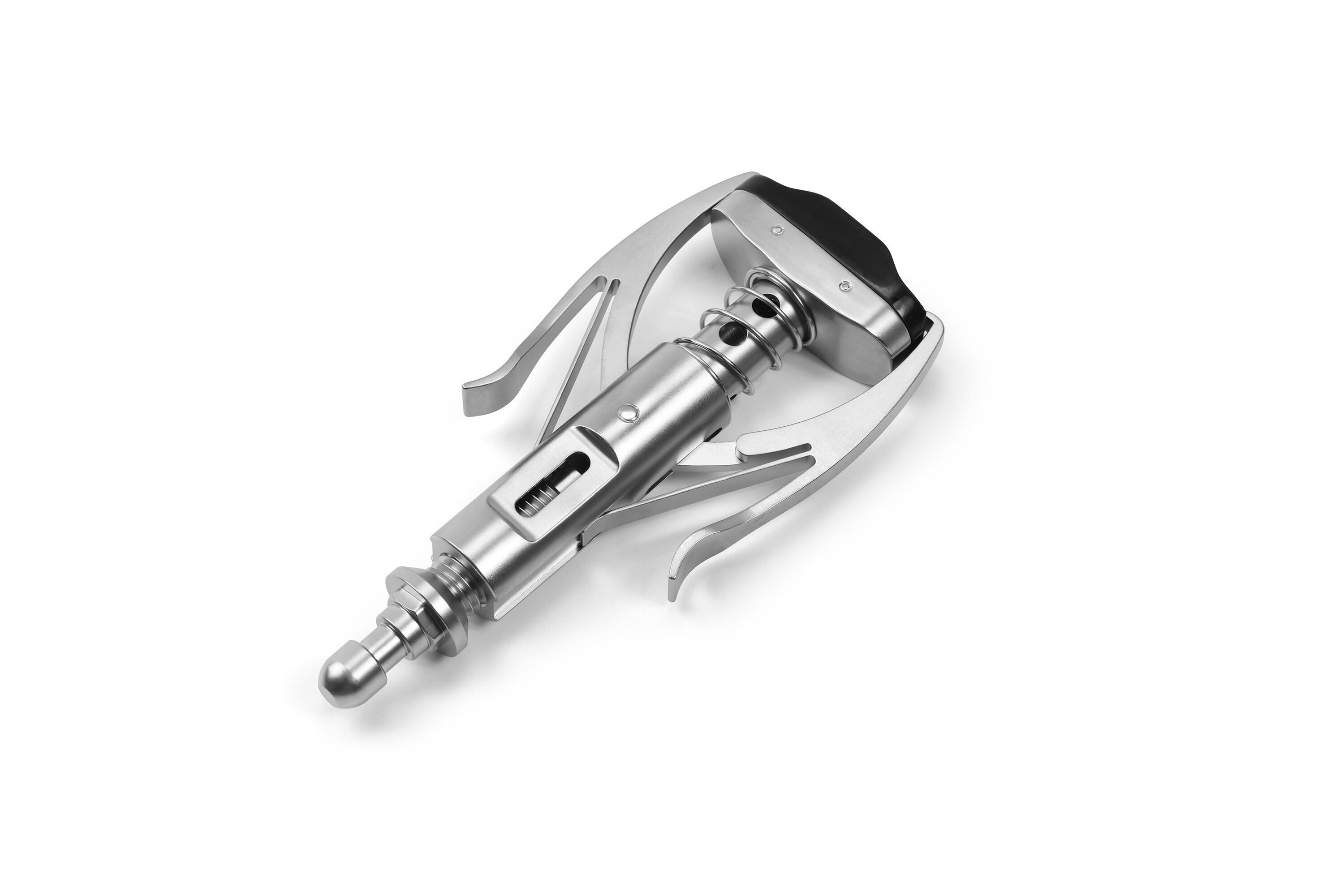
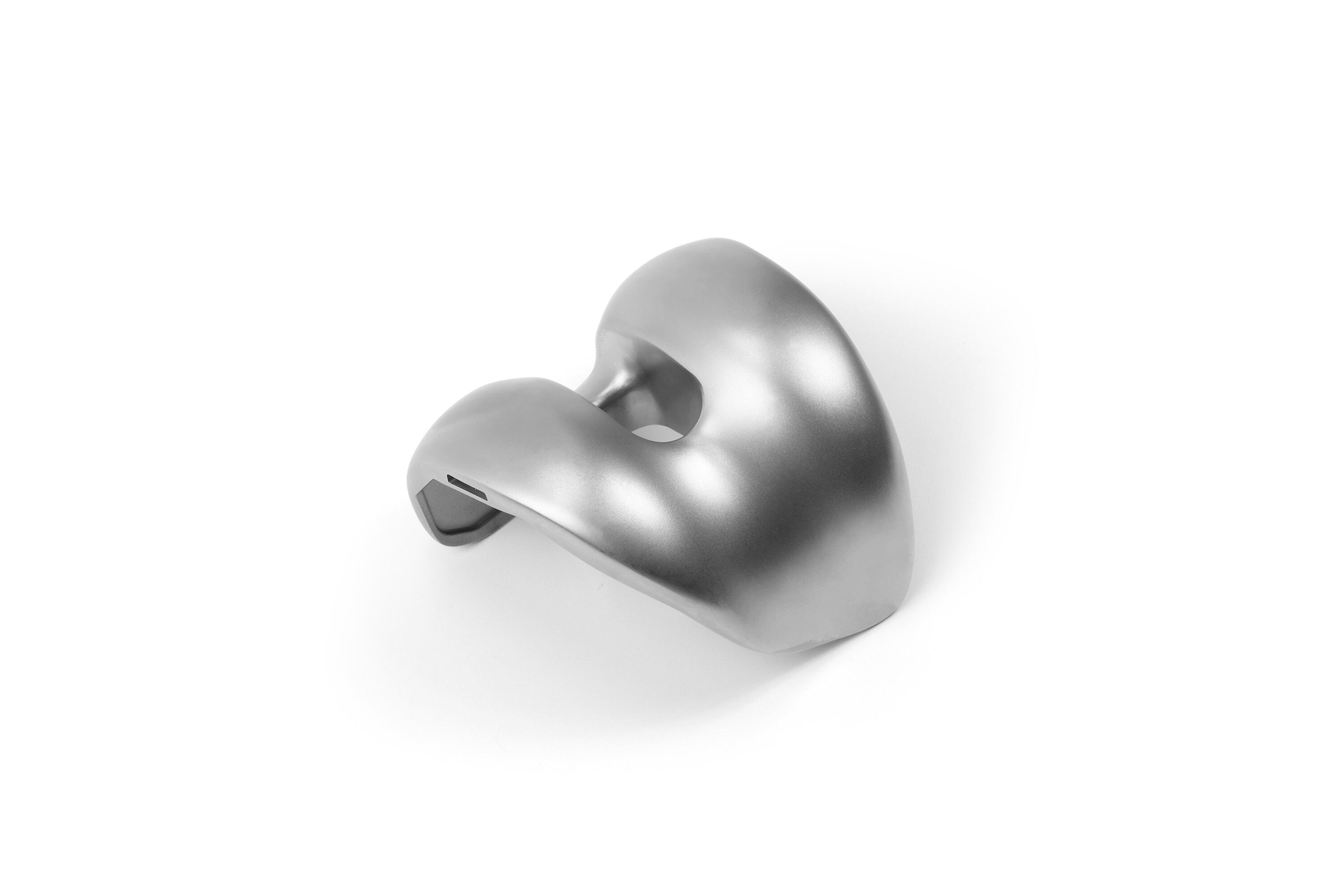
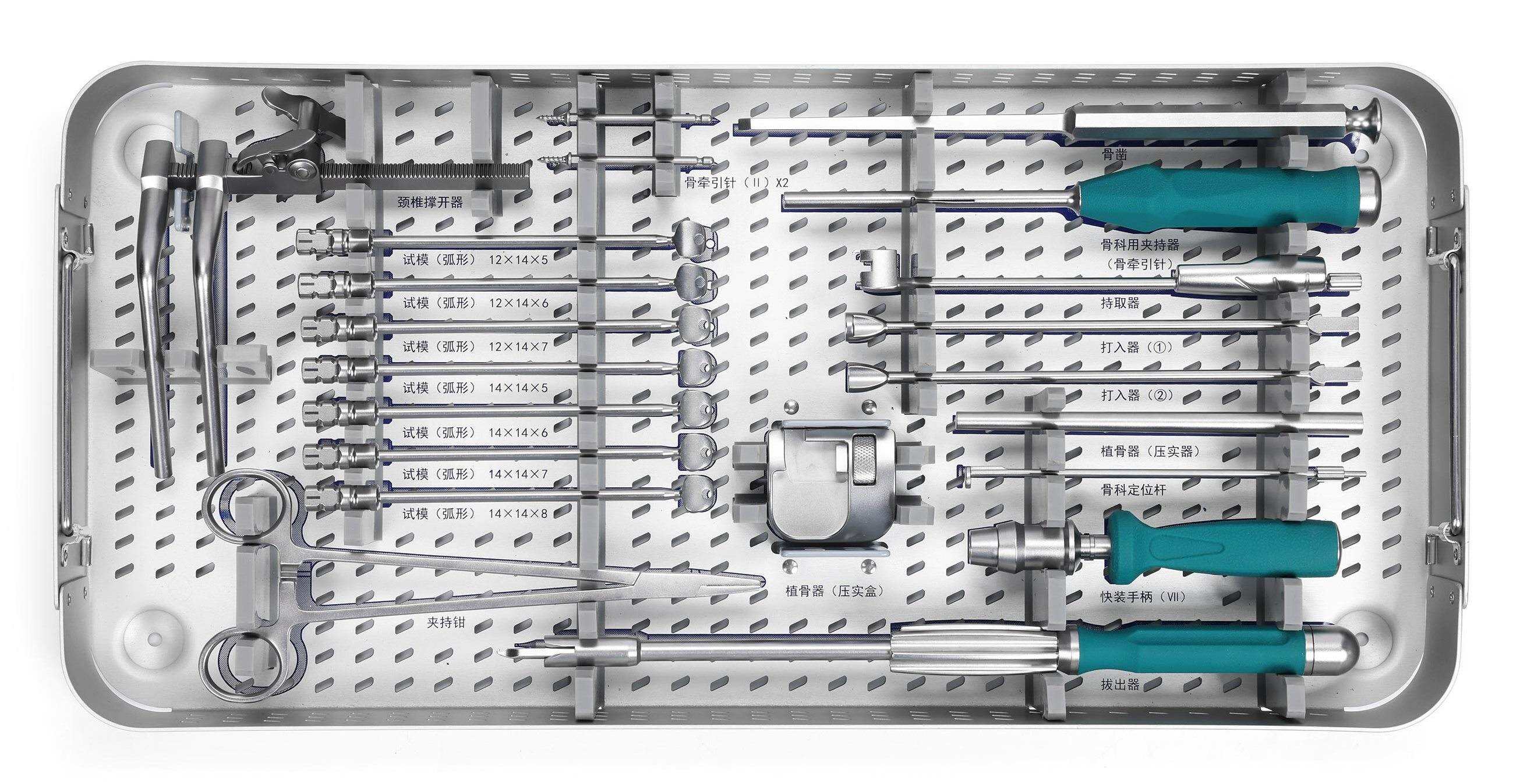
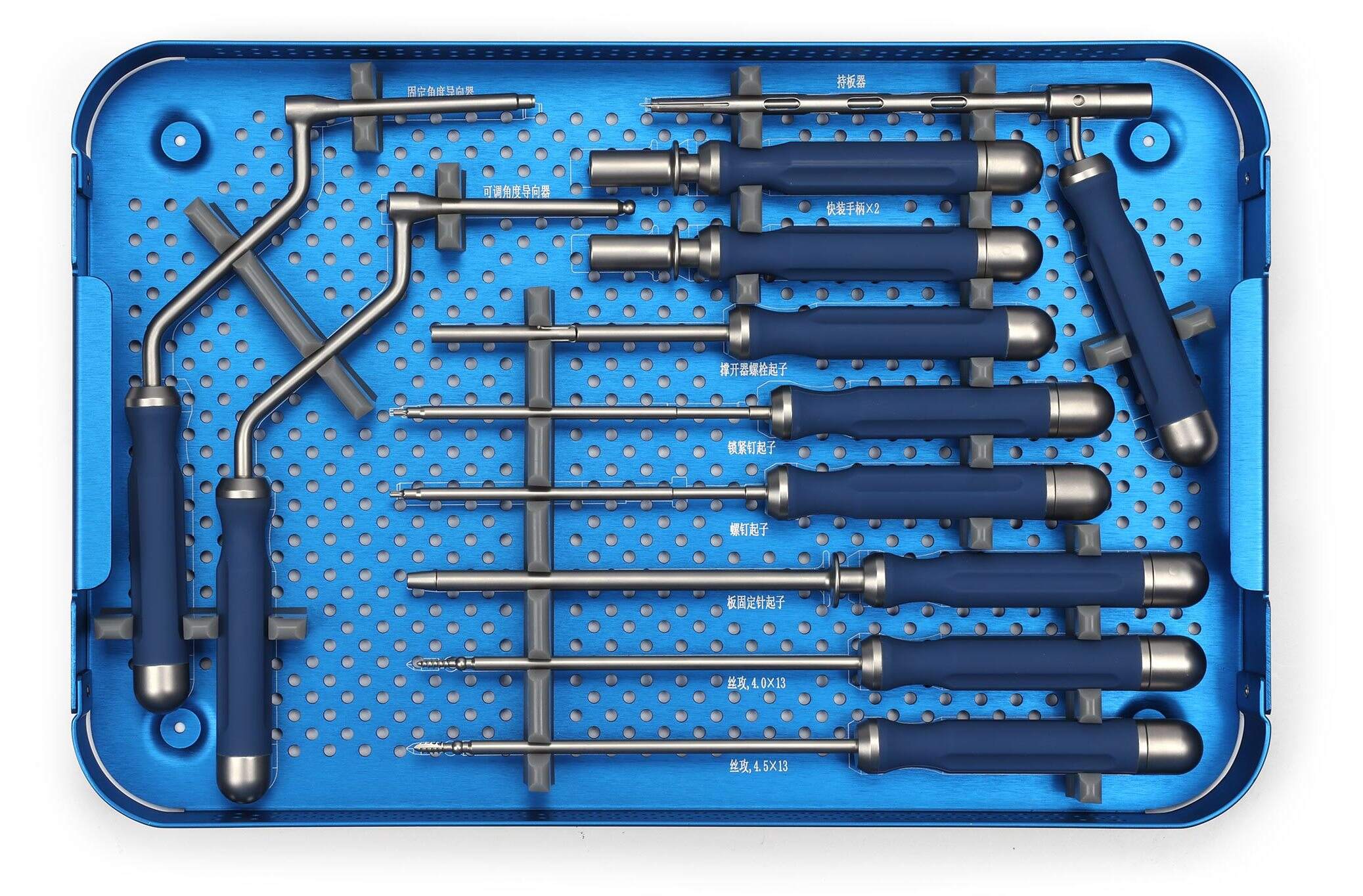
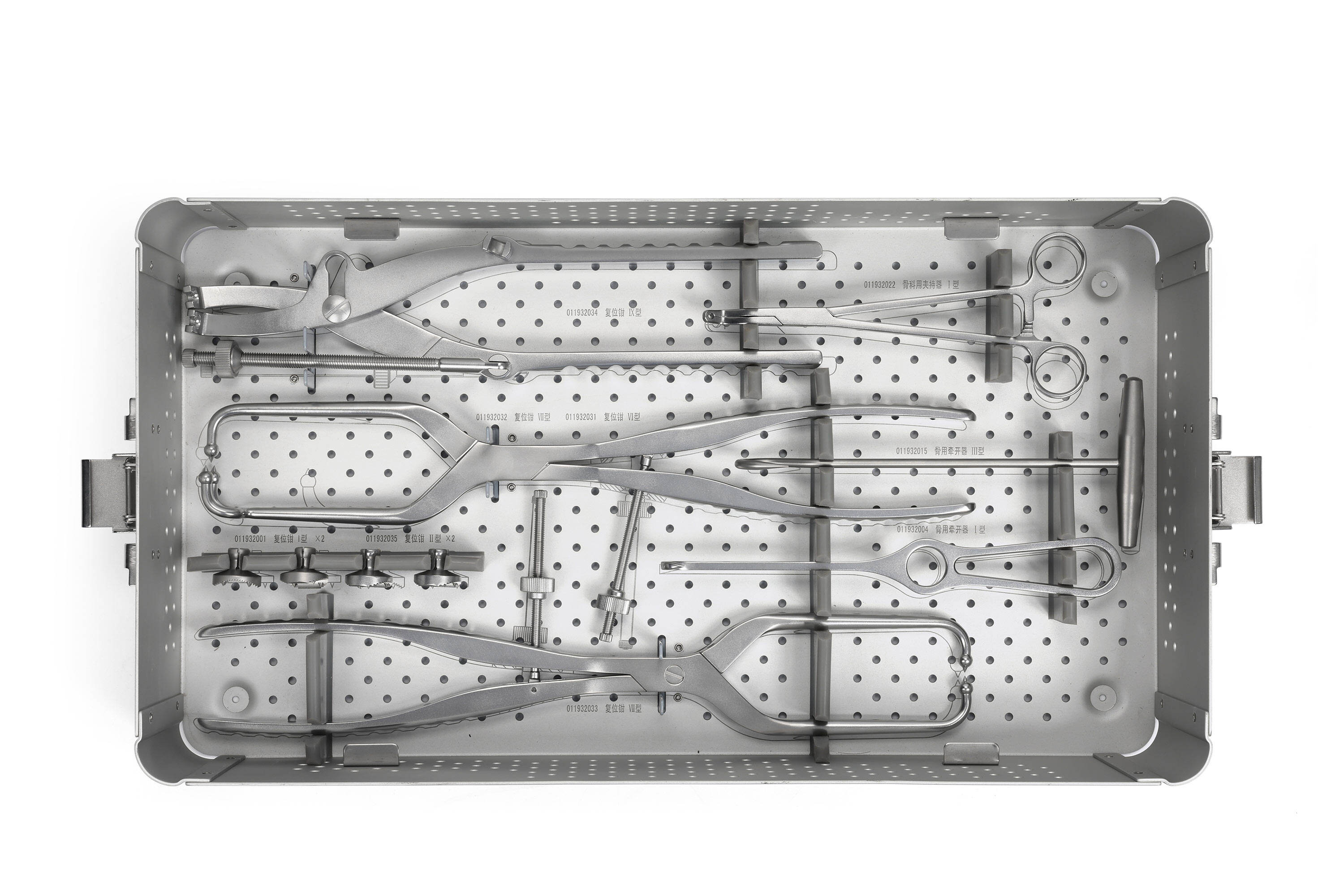
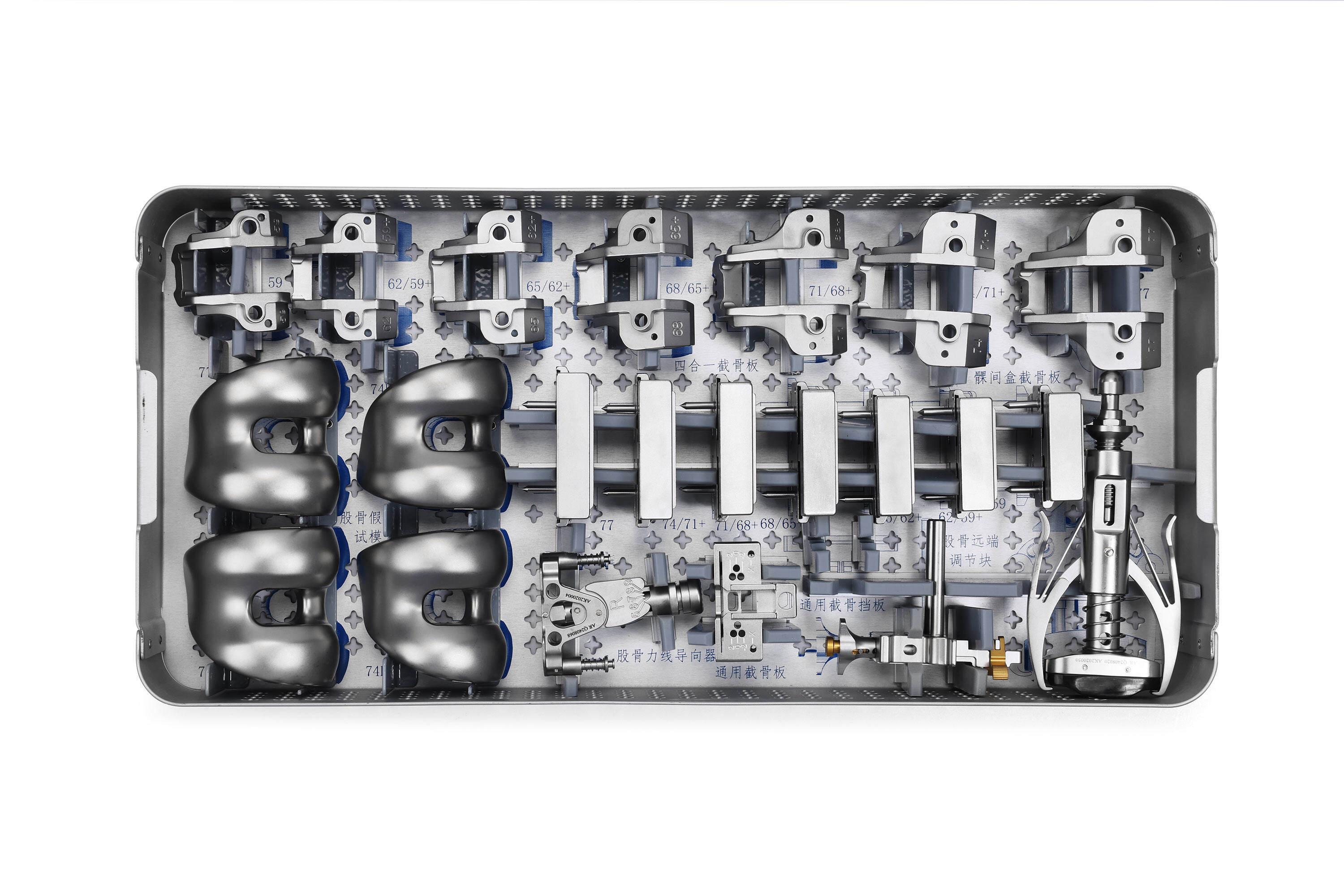
Surgical instruments custom production represents a specialized manufacturing process that combines precision engineering with medical expertise to create tailor-made surgical tools. This sophisticated process involves state-of-the-art manufacturing technologies, including computer-aided design (CAD), advanced materials science, and rigorous quality control measures. Each instrument is meticulously crafted to meet specific surgical requirements, ensuring optimal functionality and ergonomics for various medical procedures. The production process encompasses everything from initial design consultation and prototyping to final manufacturing and sterilization validation. These custom instruments are manufactured using high-grade surgical steel and other medical-grade materials, guaranteeing durability and reliability in critical surgical environments. The production facility maintains ISO 13485 certification and follows strict FDA guidelines, ensuring compliance with international medical device standards. Custom surgical instruments can range from basic surgical tools with modified dimensions to complex, procedure-specific devices designed for minimally invasive surgeries. This customization capability allows healthcare providers to address unique surgical challenges and improve patient outcomes through specialized instrumentation.
Popular Products

Custom surgical instrument production offers numerous compelling advantages that directly benefit healthcare providers and patients alike. First and foremost, customization allows for perfect ergonomic fit and handling, reducing surgeon fatigue during lengthy procedures and improving overall surgical precision. The ability to modify existing designs or create entirely new instruments enables medical teams to address specific surgical challenges that standard instruments may not adequately solve. This customization can lead to shorter operation times and improved patient outcomes. Cost-effectiveness is another significant advantage, as custom instruments can be designed for multiple uses, reducing the need for disposable alternatives. The quality control in custom production ensures each instrument meets exact specifications, minimizing the risk of instrument failure during critical procedures. Healthcare facilities can also benefit from improved inventory management by having instruments specifically designed for their most common procedures. The consultation process between manufacturers and medical professionals ensures that the final products precisely match the intended use, eliminating compromises often necessary with off-the-shelf instruments. Additionally, custom production allows for the incorporation of innovative materials and coating technologies that can enhance instrument durability, reduce maintenance requirements, and improve sterilization efficiency. This level of customization also supports the development of new surgical techniques by providing tools specifically designed for novel approaches to treatment.

Tips And Tricks

Technical Breakthroughs and Cost Reconstruction of Swiss Type Lathes

21

Aug

Technical Breakthroughs and Cost Reconstruction of Swiss Type Lathes

View More
Precision Upgrade of Swiss Type Lathes in the Era of Orthopedic Surgical Robots

21

Aug

Precision Upgrade of Swiss Type Lathes in the Era of Orthopedic Surgical Robots

View More
Mill-Turn Machining Centers: The Precision Force Reshaping Orthopedic Medical Device Manufacturing

21

Aug

Mill-Turn Machining Centers: The Precision Force Reshaping Orthopedic Medical Device Manufacturing

View More

Get a Free Quote

Our representative will contact you soon.
Email
Name
Company Name
Message
0/1000

surgical instruments custom production

Precision Engineering and Quality Assurance

Precision Engineering and Quality Assurance

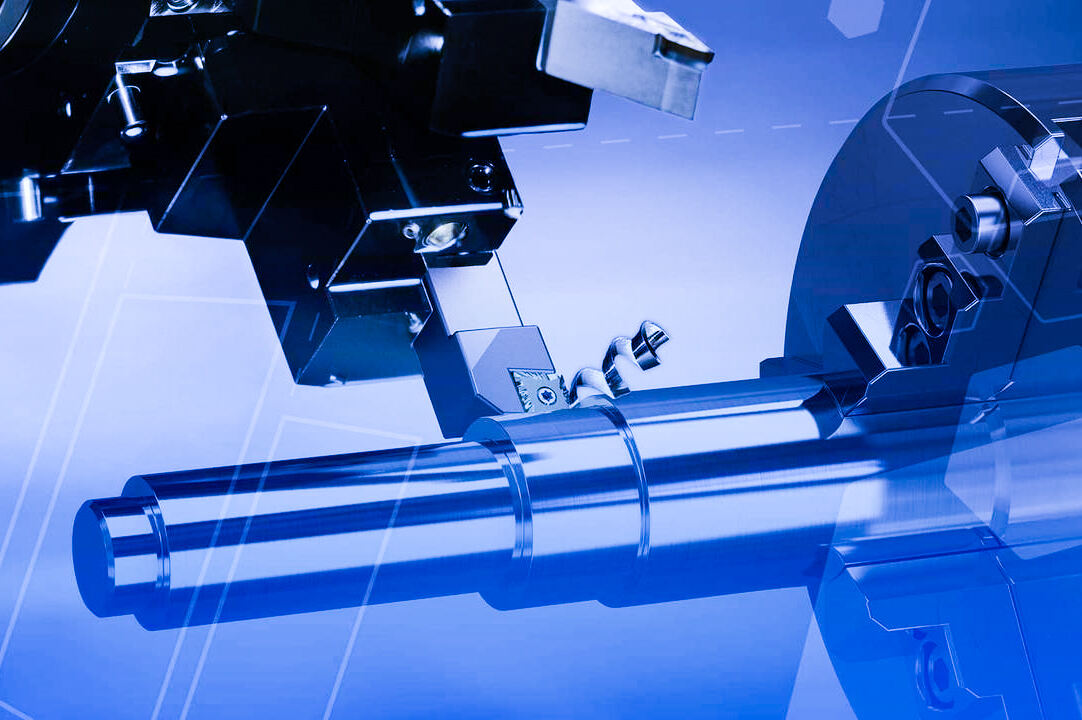
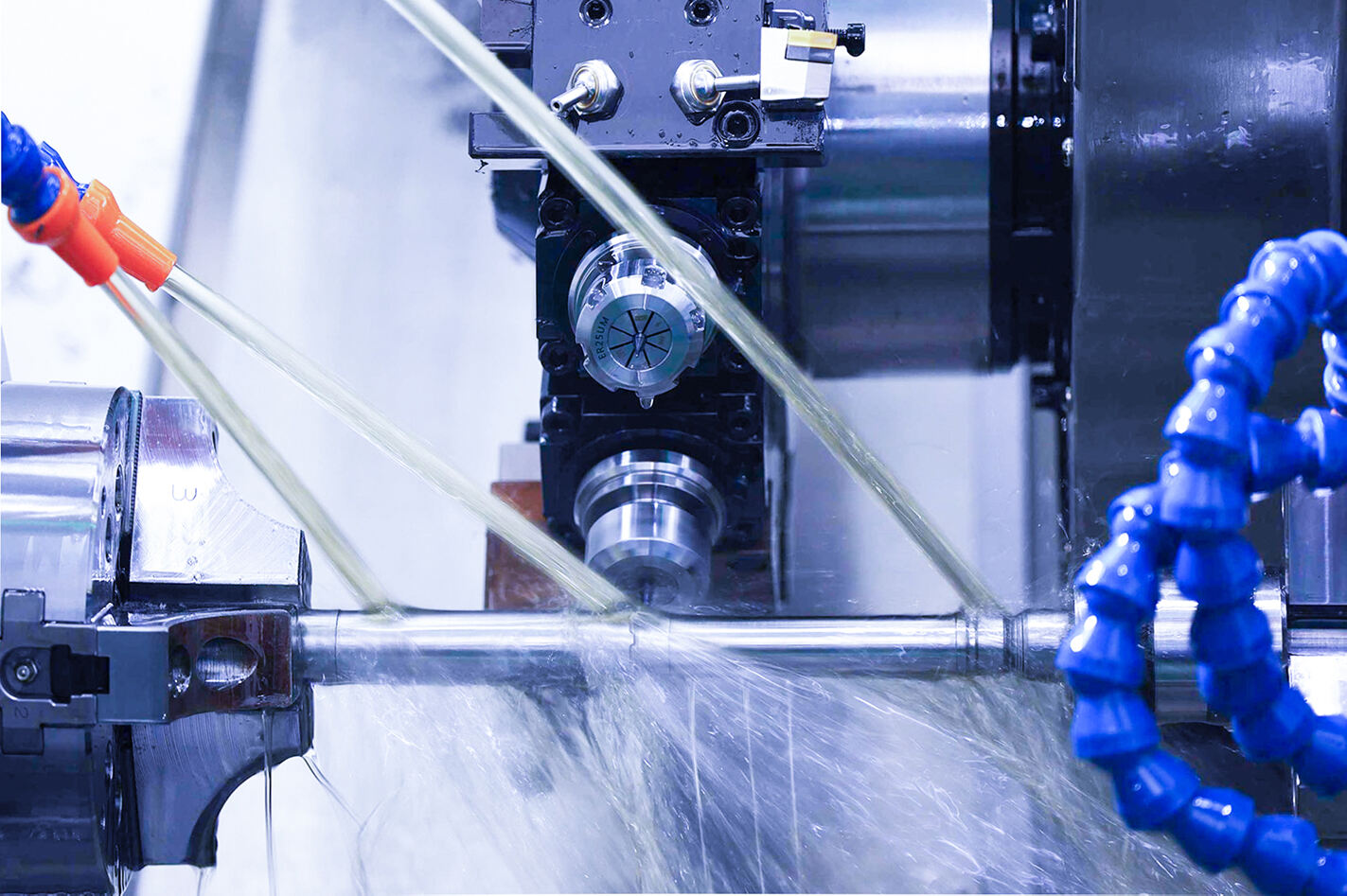
The cornerstone of custom surgical instrument production lies in its uncompromising commitment to precision engineering and quality assurance protocols. Every instrument undergoes a rigorous development process that begins with detailed technical specifications and 3D modeling. Advanced manufacturing technologies, including CNC machining and precision grinding, ensure dimensional accuracy to within microscopic tolerances. Quality control measures include multiple inspection points throughout production, material composition verification, and comprehensive documentation of manufacturing processes. Each instrument undergoes extensive testing for mechanical strength, corrosion resistance, and surface finish quality. The production environment maintains cleanroom conditions, and all personnel are trained in medical device manufacturing standards. This meticulous attention to detail ensures that every custom instrument meets or exceeds international medical device standards.
Collaborative Design Process

Collaborative Design Process

The custom surgical instrument development process thrives on close collaboration between manufacturers and medical professionals. This partnership begins with in-depth consultations to understand specific surgical requirements, procedural challenges, and desired outcomes. Surgeons and medical teams actively participate in the design phase, providing valuable insights into ergonomics, functionality, and practical applications. Prototypes undergo extensive evaluation and refinement based on user feedback, ensuring the final product perfectly matches the intended use. This iterative design process may include simulation testing and trial uses in controlled environments. The collaborative approach ensures that innovations in surgical techniques can be supported by appropriate instrumentation, leading to continuous improvement in surgical outcomes.
Material Innovation and Surface Technologies

Material Innovation and Surface Technologies

Custom surgical instrument production leverages cutting-edge materials and surface treatment technologies to enhance performance and longevity. Advanced surgical-grade stainless steels, titanium alloys, and composite materials are selected based on specific application requirements. Surface treatments such as plasma nitriding, diamond-like carbon coatings, and specialized passivation processes improve wear resistance, reduce friction, and enhance corrosion protection. These innovations extend instrument life spans, improve cleaning and sterilization efficiency, and maintain optimal performance characteristics over time. The selection of materials and surface treatments can also be customized to address specific surgical needs, such as non-reflective surfaces for microsurgery or enhanced grip patterns for wet operating conditions.

Get a Free Quote

Our representative will contact you soon.
Email
Name
Company Name
Message
0/1000