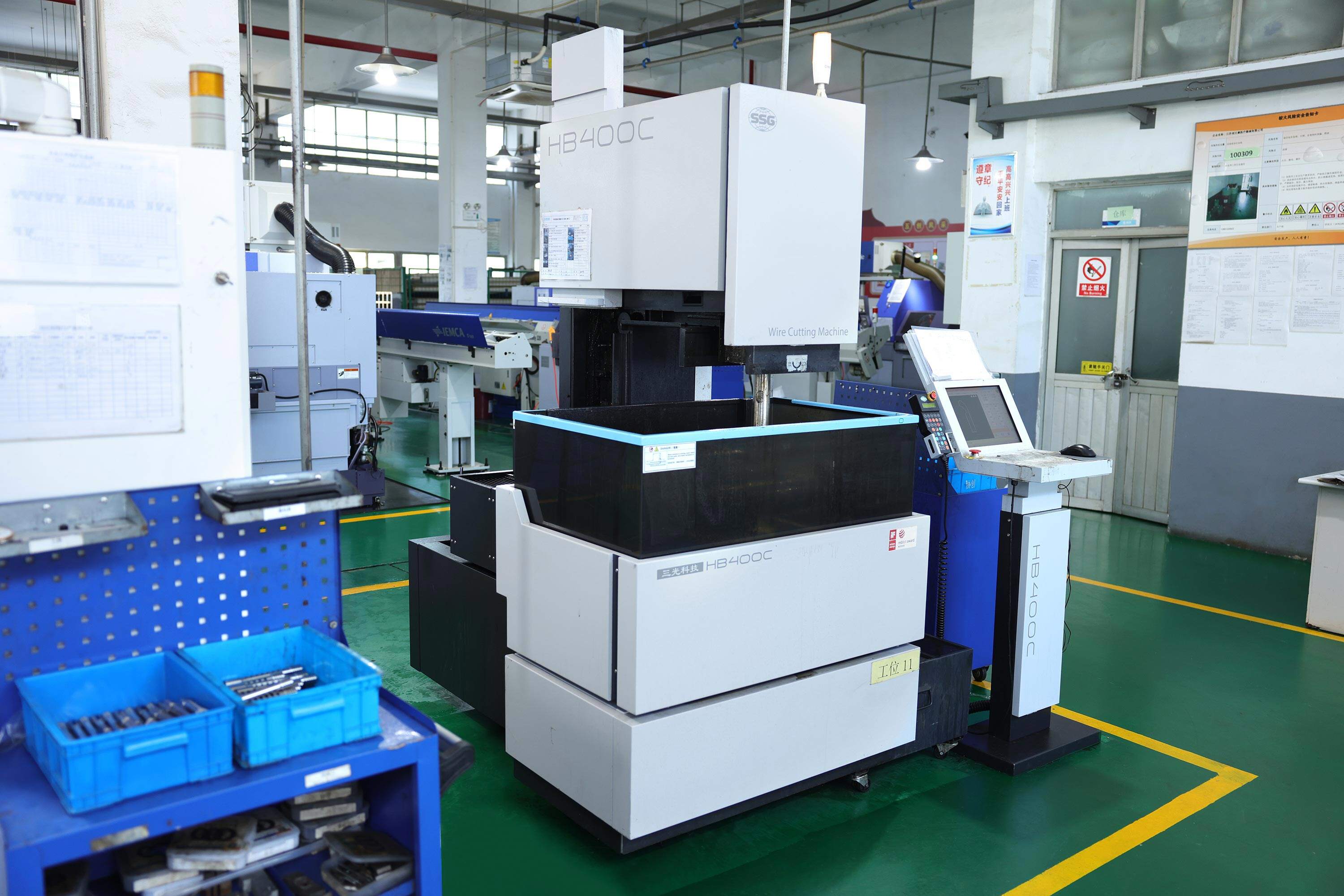
Odabir prave tvornice za medicinske instrumente za vašu medicinsku organizaciju 2025. zahtijeva pažljivu procjenu proizvodnih mogućnosti, standarda kvalitete i usklađenosti s propisima. S sve većom složenosti kirurških zahvata i povećanim zahtjevima za sigurnost pacijenata, zdravstvene ustanove moraju surađivati s proizvođačima koji pokazuju iznimnu preciznost i pouzdanost u proizvodnji instrumenata za spašavanje života.
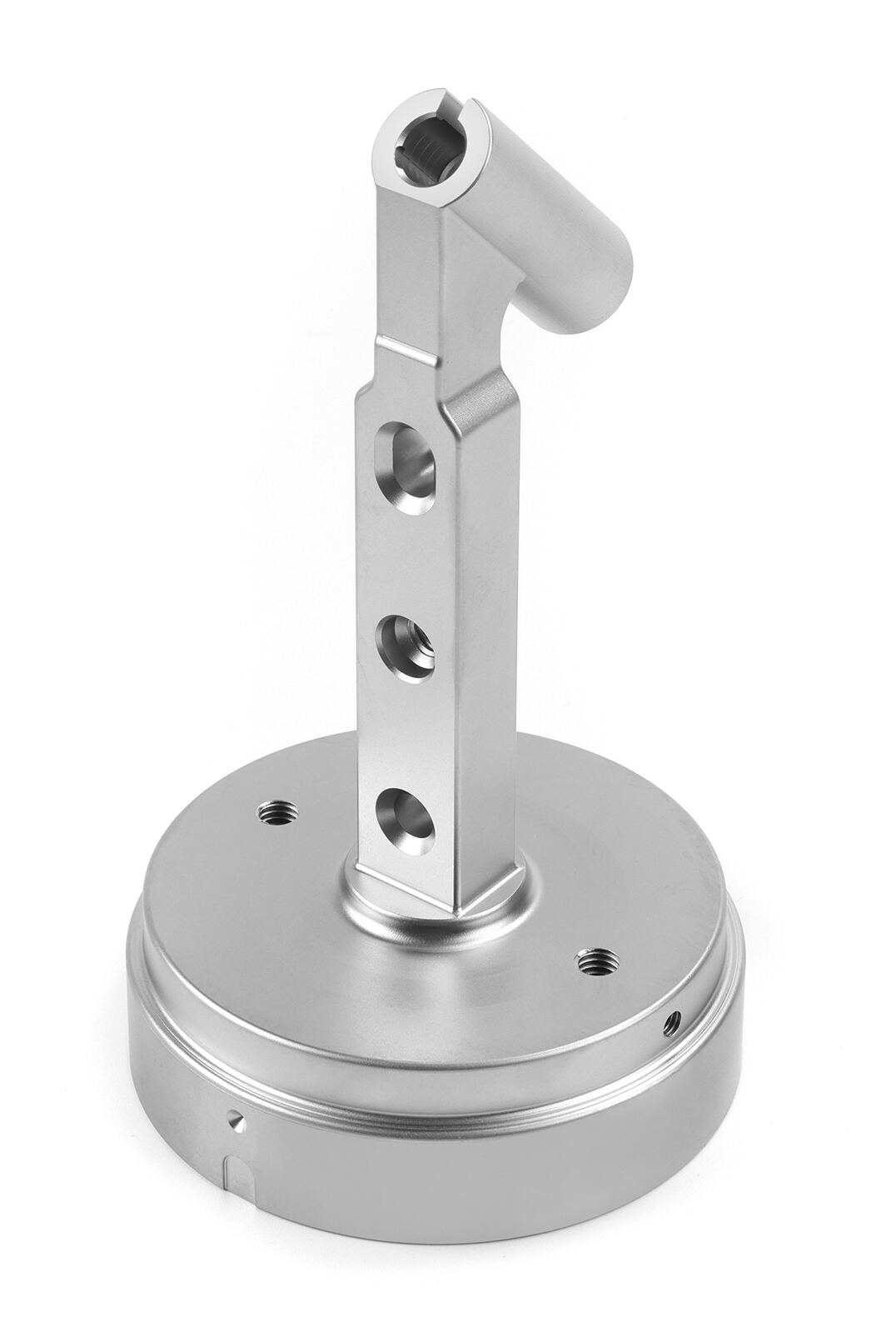
Odluka o izboru tvornice za traume utječe na rezultate operacije, troškovnu učinkovitost i dugoročni uspjeh operacije. U skladu s zahtjevima moderne zdravstvene skrbi proizvođači moraju pružiti dosljednu kvalitetu, održavati konkurentne cijene i pružiti sveobuhvatnu podršku tijekom cijelog životnog ciklusa proizvoda. Ovaj sveobuhvatan vodič ispituje kritične čimbenike koji razlikuju proizvođače izuzetnih instrumenata za traumu od običnih dobavljača u današnjem konkurentnom krajoliku medicinskih proizvoda.
Standardi za certificiranje kvalitete za proizvodnju trauma instrumenata
ISO 13485 upravljanje kvalitetom medicinskih uređaja
Proizvodnja renomiranih instrumenata za traumu mora imati ISO 13485 certifikat, koji uspostavlja sveobuhvatne sustave upravljanja kvalitetom posebno dizajnirane za proizvodnju medicinskih proizvoda. Ovaj međunarodno priznat standard osigurava da se svaki aspekt proizvodnje, od nabavke sirovina do isporuke konačnog proizvoda, pridržava strogih protokola kontrole kvalitete.
ISO 13485 okvir zahtijeva od proizvođača da provode dokumentirane postupke za kontrolu dizajna, upravljanje rizicima i korektivne mjere. Prilikom procjene tvornice instrumenata za traumu, provjerite njihov status certificiranja i pregledajte njihov priručnik o kvaliteti kako biste razumjeli kako integriraju ove zahtjeve u svakodnevne operacije.
Proizvodnja naprednih instrumenata za traume često premašuje osnovne zahtjeve ISO-a primjenom dodatnih mjera kvalitete kao što su statistička kontrola procesa, automatizirani sustavi inspekcije i sveobuhvatni protokoli sljedivosti. Ovi poboljšani sustavi kvalitete pružaju veću sigurnost u konzistentnosti i pouzdanosti proizvoda u kritičnim kirurškim primjenama.
Registracija FDA-e i usklađenost s propisima
Pristup tržištu Sjedinjenih Država zahtijeva da vaša odabrana tvornica instrumenata za traumu održava trenutnu registraciju FDA-e i slijedi 21 CFR Part 820 Regulaciju sustava kvalitete. Ovaj regulatorni okvir uređuje kontrole dizajna, proizvodne procese i aktivnosti nadzora nakon stavljanja na tržište koje su ključne za sigurnost i djelotvornost instrumenta za traumu.
Procijeniti regulatornu povijest tvornice pregledavanjem izvješća o inspekciji FDA, upozorenja i 510 k) evidencije o odobrenju. U skladu s člankom 5. stavkom 1. točkom (b) Uredbe (EU) br.
U skladu s člankom 5. stavkom 1. točkom (b) Uredbe (EU) br. S obzirom na to da se regulatorno okruženje za medicinske proizvode stalno mijenja, potrebni su partneri koji mogu predvidjeti promjene i prilagoditi svoje procese kako bi osigurali kontinuirani pristup tržištu.
U skladu s člankom 21. stavkom 1.
Globalna tržišta zdravstvene zaštite zahtijevaju da tvornice instrumenata za traumu upravljaju različitim regulatornim okruženjima, uključujući oznaku CE za pristup Europskoj uniji, licenciranje Health Canada i različite nacionalne procese odobrenja. Vaš proizvodni partner treba dokazati stručnost u više regulatornih jurisdikcija ako poslujete na međunarodnim tržištima.
U skladu s člankom 3. stavkom 1. točkom (a) Uredbe (EU) br. 528/2012 Komisija može odrediti da se za proizvodnju proizvoda koji sadržavaju i proizvode koji sadržavaju i proizvode koji sadržavaju: U skladu s člankom 3. stavkom 2. stavkom 2.
U skladu s člankom 3. stavkom 1. stavkom 2. U skladu s člankom 1. stavkom 2. stavkom 2.
Proizvodne mogućnosti i tehničko znanje
Precizna obrada i obrada materijala
Moderni instrumenti za traumu zahtijevaju iznimnu preciznost u proizvodnji, a tolerancije se često mjere u mikrometrima za kritične dimenzije. Procijenite obradu opreme u tvornici za traume, uključujući specifikacije CNC opreme, točnost alata i protokole dimenzionalne inspekcije.
Stručna znanja o materijalu postaju ključna pri odabiru tvornice instrumenata za traumu, jer različite kirurške primjene zahtijevaju posebne kompozicije legura, površinske tretmane i mehanička svojstva. Proizvođač mora dokazati sveobuhvatno poznavanje medicinskih razreda nehrđajućeg čelika, legura titana i specijaliziranih premaza koji se koriste u instrumentima za traumu.
Napredne tehnike proizvodnje kao što su lasersko sečenje, EDM obrada i precizno brušenje omogućuju proizvodnju složenih geometrija i vrhunskih površinskih završetaka. A. tvornika trauma instrumenata s različitim proizvodnim mogućnostima mogu se učinkovitije prilagoditi prilagođenim dizajnima i zahtjevima za specijaliziranim instrumentima.
Proces obrade površine i završetak
Površinski tretmani značajno utječu na performanse, izdržljivost i biokompatibilnost instrumenata u kirurškim primjenama. Procijeniti mogućnosti tvornice u pasivaciji, elektropoliranju i specijalnim aplikacijama premaza koji poboljšavaju otpornost na koroziju i smanjuju trenje tijekom kirurških zahvata.
Proizvodnja trauma instrumenata mora održavati kontrolirane procese obrade površine s dokumentiranim parametrima, redovnim praćenjem i protokolima validacije. Ti procesi izravno utječu na dugovječnost instrumenta i operativne performanse, što ih čini kritičnim kriterijima za procjenu.
Uzmimo u obzir proizvođače koji nude inovativne površinske tretmane, kao što su ugljikove premaze nalik dijamantu ili antimikrobne modifikacije površine. Ova napredna liječenja mogu pružiti konkurentne prednosti i poboljšane kliničke rezultate za primjene trauma instrumenata.
Podrška dizajnu i inženjerstvu
Podrška u suradnji u projektiranju razlikuje tvornice izuzetnih instrumenata za traumu od dobavljača osnovne proizvodnje. Procjena iskustva inženjerskog tima s dizajnom kirurških instrumenata, ergonomskim razmatranjima i funkcionalnom optimizacijom za posebne kirurške postupke.
Idealna tvornica instrumenata za traumu pruža sveobuhvatne usluge dizajna uključujući razvoj koncepta, proizvodnju prototipa i testiranje validacije dizajna. Ovaj suradnički pristup osigurava da instrumenti prilagođeni pojedinačnim potrebama ispunjavaju posebne kliničke zahtjeve, uz zadržavanje proizvodljivosti i troškovne učinkovitosti.
Napredne mogućnosti dizajna kao što su analiza konačnih elemenata, ergonomsko modeliranje i podrška za kiruršku simulaciju omogućuju razvoj vrhunskih instrumenata za traumu koji poboljšavaju kiruršku preciznost i smanjuju složenost postupaka.
U skladu s člankom 11. stavkom 1.
Izrada i kontrola kvalitete sirovina
Pouzdano nabavljanje sirovina čini temelj dosljednog kvaliteta instrumenta za traumu. Procesima za kvalifikaciju dobavljača, zahtjevima za certificiranje materijala i protokolima inspekcije u tvornici treba se provjeriti da se osiguraju dosljedna svojstva materijala i usklađenost s standardima medicinskih proizvoda.
Proizvođač instrumenata za traumu trebao bi održavati mrežu kvalificiranih dobavljača s dokumentiranim sporazumima o kvaliteti i redovnim programima revizije. U skladu s člankom 1. stavkom 2. stavkom 2.
Uzimajući u obzir proizvođače koji provode napredne mogućnosti testiranja materijala uključujući analizu kemijskog sastava, testiranje mehaničkih svojstava i ispitivanje mikrostrukturalnih struktura. U skladu s člankom 3. stavkom 1.
Planiranje proizvodnje i upravljanje kapacitetima
U skladu s člankom 21. stavkom 1. Procijenite planiranje sustava tvornice trauma instrumenata, strategije korištenja kapaciteta, i sposobnost da se uklone i rutinske narudžbe i hitne zahtjeve.
U skladu s člankom 21. stavkom 1. Ova fleksibilnost postaje posebno važna tijekom faza širenja tržišta ili sezonskih promjena potražnje.
Napredni sustavi planiranja proizvodnje integriraju prognozu potražnje, optimizaciju zaliha i raspodjelu resursa kako bi se povećala učinkovitost uz održavanje obveza na razini usluga. Ova sposobnost ukazuje na sofisticirano operativno upravljanje i dugoročno partnerstvo.
U skladu s člankom 21. stavkom 1.
Sveobuhvatno upravljanje zalihama smanjuje ukupne troškove vlasništva, uz osiguravanje dostupnosti proizvoda za kritične kirurške postupke. U skladu s člankom 3. stavkom 2. točkom (a) ovog članka, proizvodnja proizvoda može se provoditi u skladu s člankom 3. stavkom 1. točkom (a) ovog članka.
Fabrika trauma instrumenata treba ponuditi fleksibilna rješenja za zalihe uključujući programe pošiljki, zalihe koje upravlja prodavač i opcije isporuke na vrijeme. Ti uslovi smanjuju ulaganja u zalihe kupaca, a istodobno održavaju dostupnost proizvoda za hitne kirurške potrebe.
Međunarodne logističke sposobnosti postaju ključne za globalne zdravstvene organizacije, zahtijevajući stručnost u carinskim postupcima, regulatornoj dokumentaciji i isporuci osjetljivih medicinskih proizvoda pod kontrolom temperature. Procjena logističkih partnerstava tvornice i iskustva u međunarodnom prijevozu.
U skladu s člankom 4. stavkom 2.
Sistemi za dimenzionalno provjeravanje i mjerenje
Sveobuhvatna dimenzionalna inspekcija osigurava da instrumenti za traumu ispunjavaju precizne specifikacije potrebne za kirurške primjene. U skladu s člankom 3. stavkom 2. točkom (a) ovog članka, proizvodnja materijala za proizvodnju električne energije može se provoditi u skladu s člankom 3. točkom (a) ovog članka.
U slučaju da se u skladu s člankom 6. stavkom 1. točkom (a) ovog članka primjenjuje jedna od sljedećih opcija: Ti sustavi pružaju objektivne dokaze o dosljednosti proizvodnje i sukladnosti proizvoda s specifikacijama.
Napredne tehnike inspekcije kao što su automatizirana optička inspekcija i lasersko skeniranje omogućuju brzo i točno mjerenje složenih geometrija uz održavanje detaljne dokumentacije za evidenciju kvalitete i usklađenost s propisima.
U skladu s člankom 3. stavkom 2.
Mehaničko ispitivanje potvrđuje rad instrumenta u realnim kirurškim uvjetima, osiguravajući sigurnost i pouzdanost tijekom kritičnih postupaka. U skladu s člankom 3. stavkom 2. točkom (a) ovog članka, za sve proizvode koji se upotrebljavaju u proizvodnji električne energije, za koje se primjenjuje ovaj članak, primjenjuje se sljedeći standard:
U laboratoriju za ispitivanje treba imati odgovarajuću opremu za procjenu svojstava materijala, čvrstoće spojeva i trajnosti rada. Ova se mogućnost omogućuje sveobuhvatnom validaciji proizvoda i podržava regulatorna podnošenja robusnim podacima o učinkovitosti.
U slučaju da se primjenjuje primjena ovog članka, primjenjuje se sljedeći postupak: U slučaju da se primjenjuje primjena ovog članka, proizvođač instrumenta za traumu mora imati stručnost u razvoju i provedbi relevantnih protokolova ispitivanja za određene kategorije instrumenata.
U skladu s člankom 3. stavkom 2.
Kompatibilnost sterilizacije postaje kritična za ponovno upotrebljive instrumente za traumu, zahtijevajući validaciju preko više metoda i ciklusa sterilizacije. U skladu s člankom 3. stavkom 2. točkom (a) ovog članka, za proizvodnju proizvoda koji se upotrebljavaju u proizvodnji proizvoda za proizvodnju proizvoda za proizvodnju proizvoda za proizvodnju proizvoda za proizvodnju proizvoda za proizvodnju proizvoda za proizvodnju proizvoda za proizvodnju proizvoda za proizvodnju proizvoda za proizvodnju proizvoda za proizvodnju proizvoda za proizvodnju proizvoda za proizvodnju
U slučaju da se ne provede testiranje, proizvođač mora dati podatke o validiranju sterilizacije, uključujući studije kompatibilnosti materijala, ispitivanje dimenzijske stabilnosti i procjenu funkcionalne učinkovitosti nakon ponovljenih ciklusa sterilizacije. Ove informacije podržavaju razvoj protokola sterilizacije i usklađenost s propisima.
Napredna razmatranja sterilizacije uključuju metode sterilizacije na niske temperature, kompatibilnost pakiranja za jednokratnu upotrebu i dokumentaciju o razini osiguranja sterilnosti. Fabrika za traume treba pokazati stručnost u razvoju sterilizacijskih tehnologija i zahtjeva.
Podrška klijentima i vrijednost dugoročnog partnerstva
Tehnička podrška i usluge obuke
Sveobuhvatna tehnička podrška ne obuhvaća samo isporuku proizvoda, već uključuje i upute za primjenu, pomoć u otklanjanju grešaka i stalna savjetovanja za optimalno korištenje instrumenata. U skladu s člankom 3. stavkom 2. točkom (a) ovog članka, proizvodnja proizvoda može se provoditi u skladu s člankom 3. stavkom 1. točkom (a) ovog članka.
Službe za obuku pružaju vrijednu podršku kirurškim timovima, odjelima za sterilnu obradu i osoblju za održavanje. U slučaju da se radi o novom proizvođaču, potrebno je da se u skladu s člankom 5. stavkom 1.
Službe napredne podrške mogu uključivati savjetovanje na licu mjesta, promatranje kirurškog postupka i razvoj programa obuke po mjeri. Te usluge s dodanom vrijednošću jačaju odnose s kupcima i optimiziraju performanse instrumenata u kliničkim primjenama.
Upravljanje životnim ciklusom proizvoda
Učinkovito upravljanje životnim ciklusom proizvoda osigurava stalnu dostupnost proizvoda, planiranje zastarjelosti i provedbu poboljšanja dizajna tijekom komercijalnog životnog vijeka proizvoda. Izbor i provedba programa za upravljanje životnim ciklusom
U skladu s člankom 5. stavkom 1. točkom (b) Uredbe (EU) br. 1290/2013 i člankom 5. stavkom 1. točkom (b) Uredbe (EU) br. 1290/2013 Ti sustavi omogućuju dosljednu kvalitetu proizvoda i sljedivost tijekom produženog životnog ciklusa proizvoda.
U skladu s člankom 3. stavkom 2. točkom (a) Uredbe (EU) br. 528/2012 Europska komisija može donijeti odluku o odbrojavanju za razdoblje od 1. siječnja do 31. prosinca 2017. U skladu s člankom 3. stavkom 1. stavkom 2.
Kontinuirano poboljšanje i inovacije
Vodeće tvornice trauma instrumenata pokazuju posvećenost stalnom poboljšanju kroz sustavno poboljšanje kvalitete, optimizaciju procesa i napredak tehnologije. U skladu s člankom 3. stavkom 1. stavkom 2.
Investicije u istraživanje i razvoj pokazuju da je tvornica posvećena unapređenju tehnologije instrumenta za traumu i održavanju konkurentnih prednosti. Uzmimo za primjer proizvođače koji aktivno surađuju s kirurzima i istraživačkim institucijama kako bi razvili nove instrumente.
U skladu s člankom 3. stavkom 1. stavkom 2. Proizvođač instrumenata za traumu trebao bi pokazati učinkovite mehanizme povratne informacije i reaktivnu provedbu poboljšanja.
Često se javljaju pitanja
Koje ovlasti trebam tražiti prilikom procjene tvornice instrumenata za traumu?
Osnovne certifikata uključuju ISO 13485 za upravljanje kvalitetom medicinskih proizvoda, registraciju FDA-e za pristup tržištu SAD-a i oznaku CE za usklađenost s europskim zahtjevima. U skladu s člankom 1. stavkom 2. stavkom 2. U slučaju da je potrebno, provjerite je li certificiranje ažurirano i obuhvaća li određene kategorije proizvoda koje zahtijevate.
Kako mogu procijeniti proizvodnu kvalitetu tvornice instrumenata za traumu prije nego naručim?
Zahtjev za obilazak objekta kako bi se primijetili proizvodni procesi, postupci kontrole kvalitete i mogućnosti opreme iz prve ruke. U skladu s člankom 4. stavkom 2. točkom (a) ovog članka, za proizvodnju proizvoda koji se upotrebljavaju u proizvodnji proizvoda za proizvodnju proizvoda za proizvodnju proizvoda za proizvodnju proizvoda za proizvodnju proizvoda za proizvodnju proizvoda za proizvodnju proizvoda za proizvodnju proizvoda za proizvodnju proizvoda za proizvodnju proizvoda za proizvodnju proizvoda za proizvodnju proizvoda za proizvodnju U slučaju da se primjenjuje primjena članka 4. stavka 1. točke (a) ili (b) ovog članka, Komisija može oduzeti od primjene članka 4. stavka 1. točke (a) ovog članka.
Koji bi čimbenici trebali utjecati na izbor između domaćih i međunarodnih tvornica trauma instrumenata?
U slučaju da je proizvod u pitanju proizvod, u skladu s člankom 4. stavkom 2. točkom (a) Uredbe (EU) br. Oceniti učinkovitost komunikacije, razlike u vremenskim zonama i kulturnu kompatibilnost za stalnu suradnju. U skladu s člankom 21. stavkom 1. točkom (a) Uredbe (EU) br. 525/2014 Europska komisija može donijeti odluku o odbrojavanju za razdoblje od 1. siječnja 2016. do 31. prosinca 2017.
Koliko je važna istraživačka i razvojna sposobnost tvornice trauma instrumenata?
U skladu s člankom 1. stavkom 2. stavkom 2. Procijeniti iskustvo inženjerskih timova, mogućnosti projektiranja softvera i razvoj prototipa. Razmislite o dosadašnjim iskustvima u razvoju novih proizvoda i njihovoj sposobnosti da surađuju na optimizaciji dizajna i poboljšanju performansi koji unapređuju vaše kliničke mogućnosti.
Sadržaj
- Standardi za certificiranje kvalitete za proizvodnju trauma instrumenata
- Proizvodne mogućnosti i tehničko znanje
- U skladu s člankom 11. stavkom 1.
- U skladu s člankom 4. stavkom 2.
- Podrška klijentima i vrijednost dugoročnog partnerstva
-
Često se javljaju pitanja
- Koje ovlasti trebam tražiti prilikom procjene tvornice instrumenata za traumu?
- Kako mogu procijeniti proizvodnu kvalitetu tvornice instrumenata za traumu prije nego naručim?
- Koji bi čimbenici trebali utjecati na izbor između domaćih i međunarodnih tvornica trauma instrumenata?
- Koliko je važna istraživačka i razvojna sposobnost tvornice trauma instrumenata?