Hip and Knee Instruments Contract Manufacturing: Precision Engineering for Orthopedic Excellence

Get a Free Quote

Our representative will contact you soon.
Email
Name
Company Name
Message
0/1000

hip and knee instruments contract manufacturing

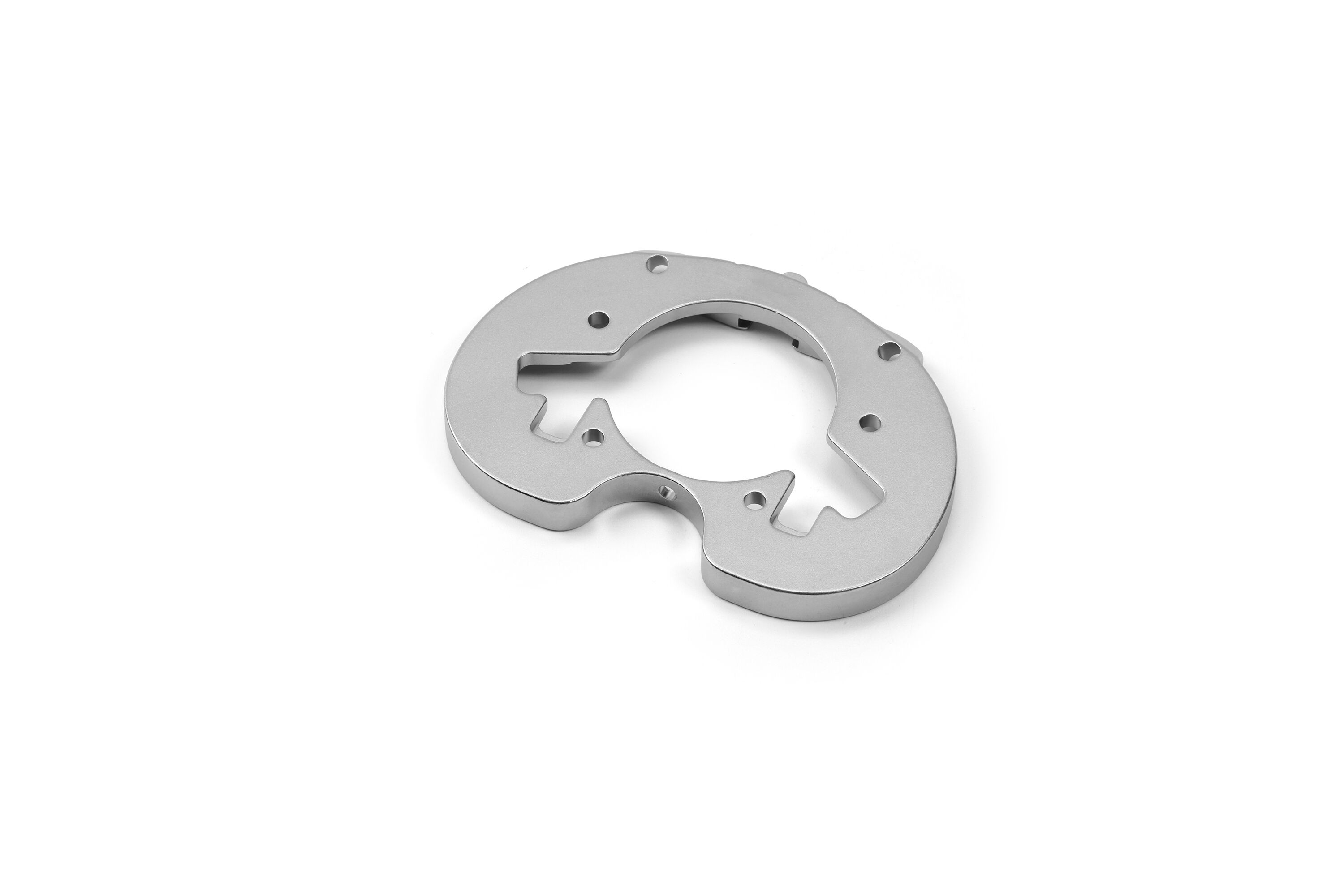
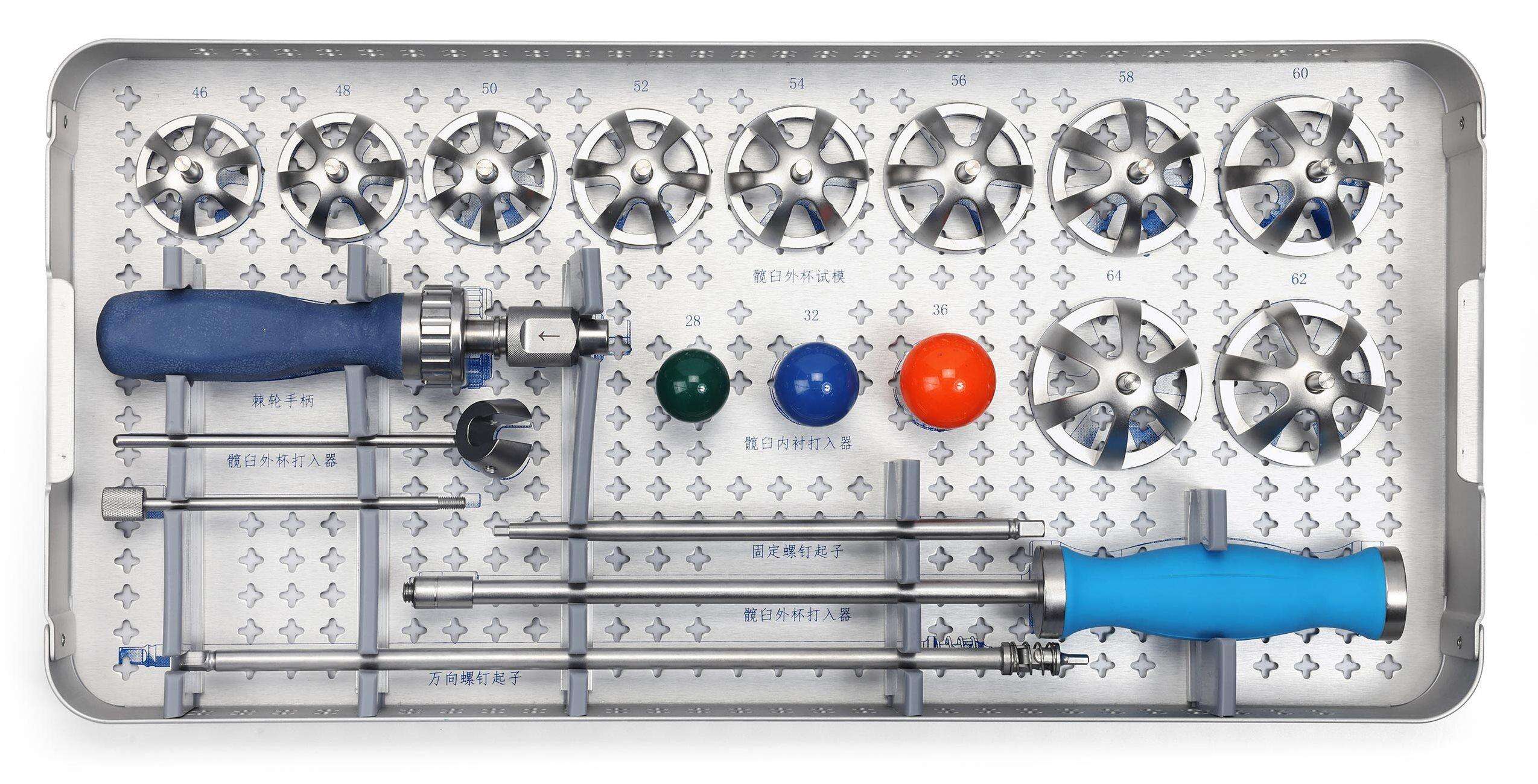
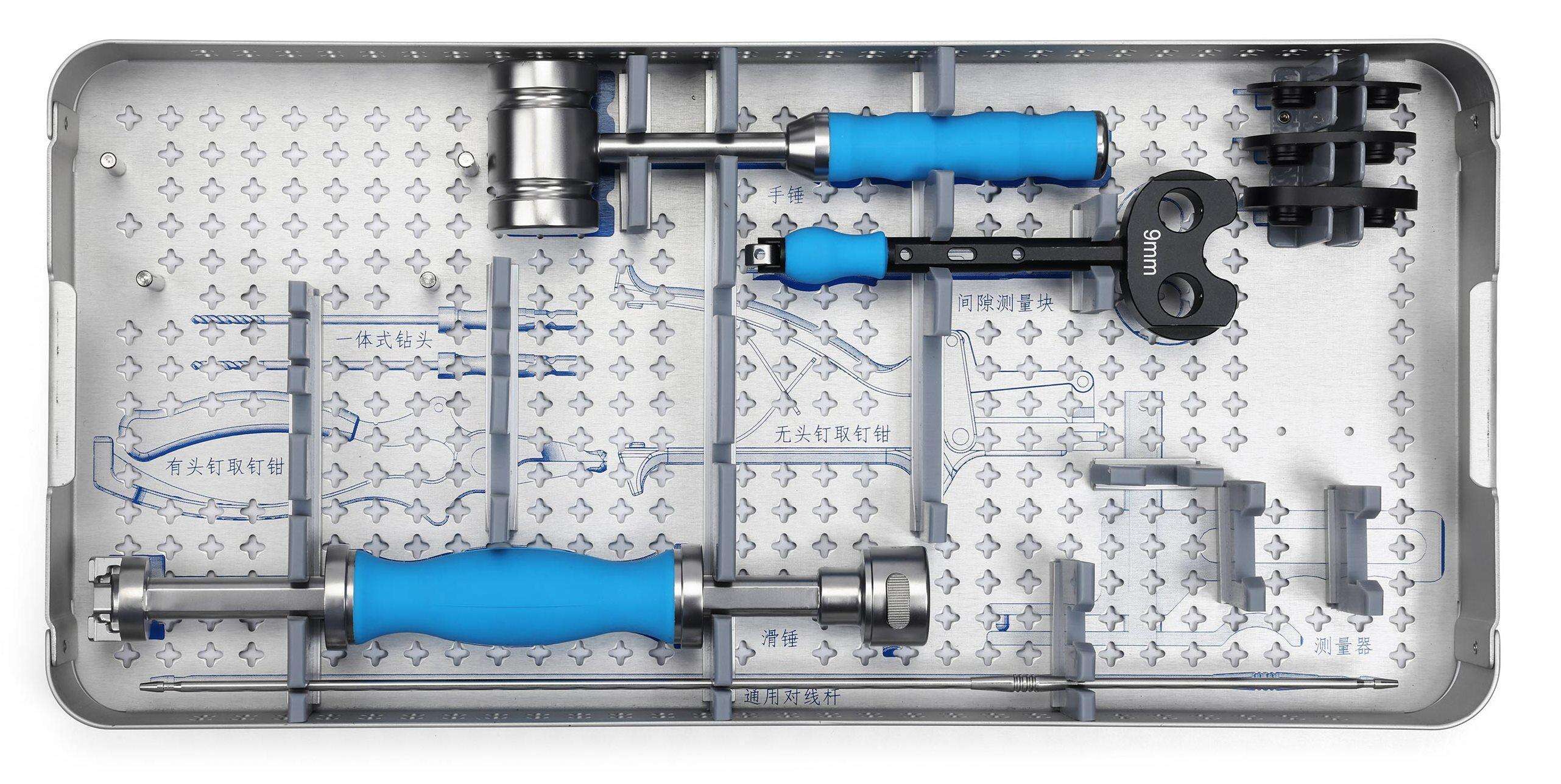
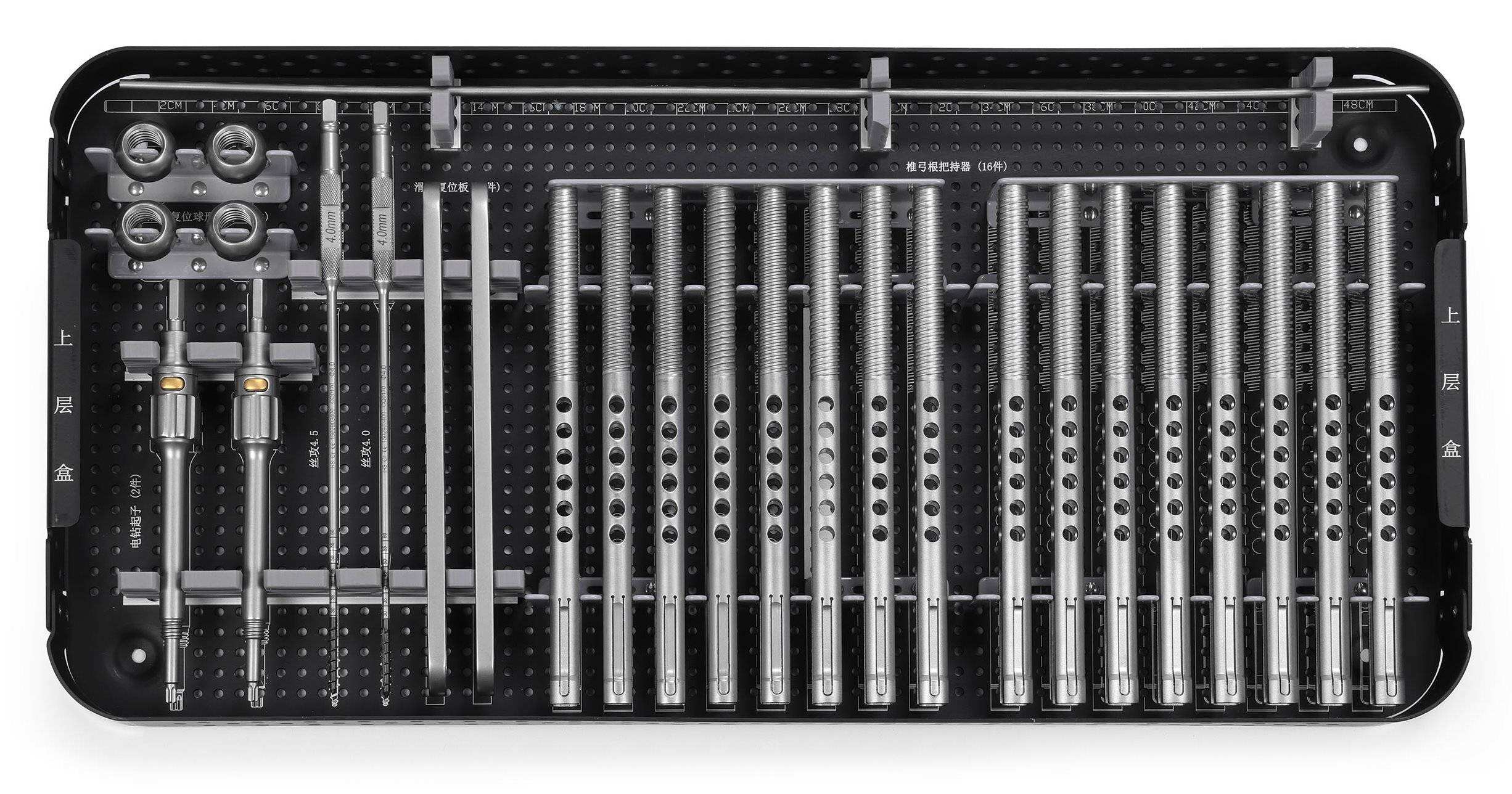
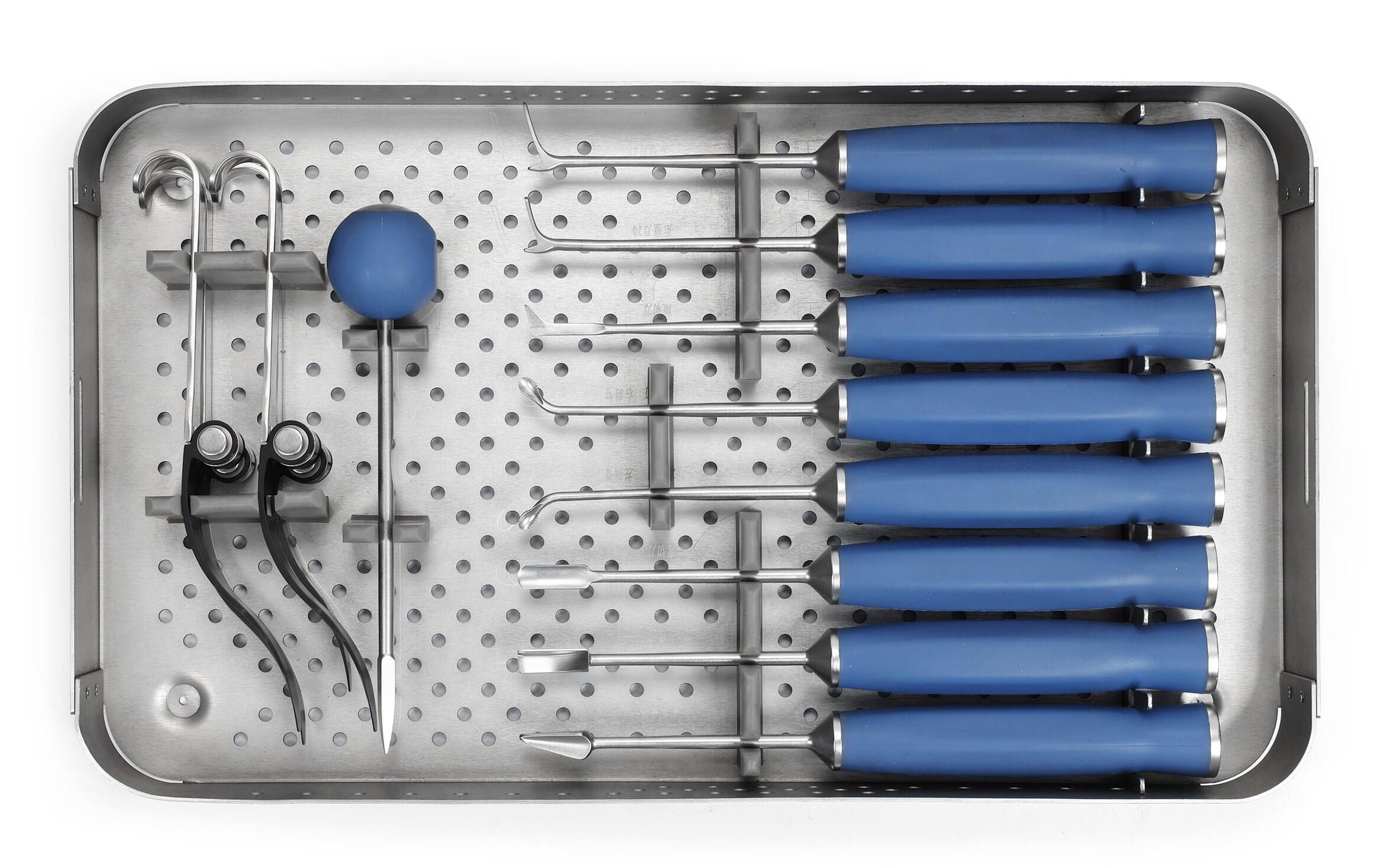
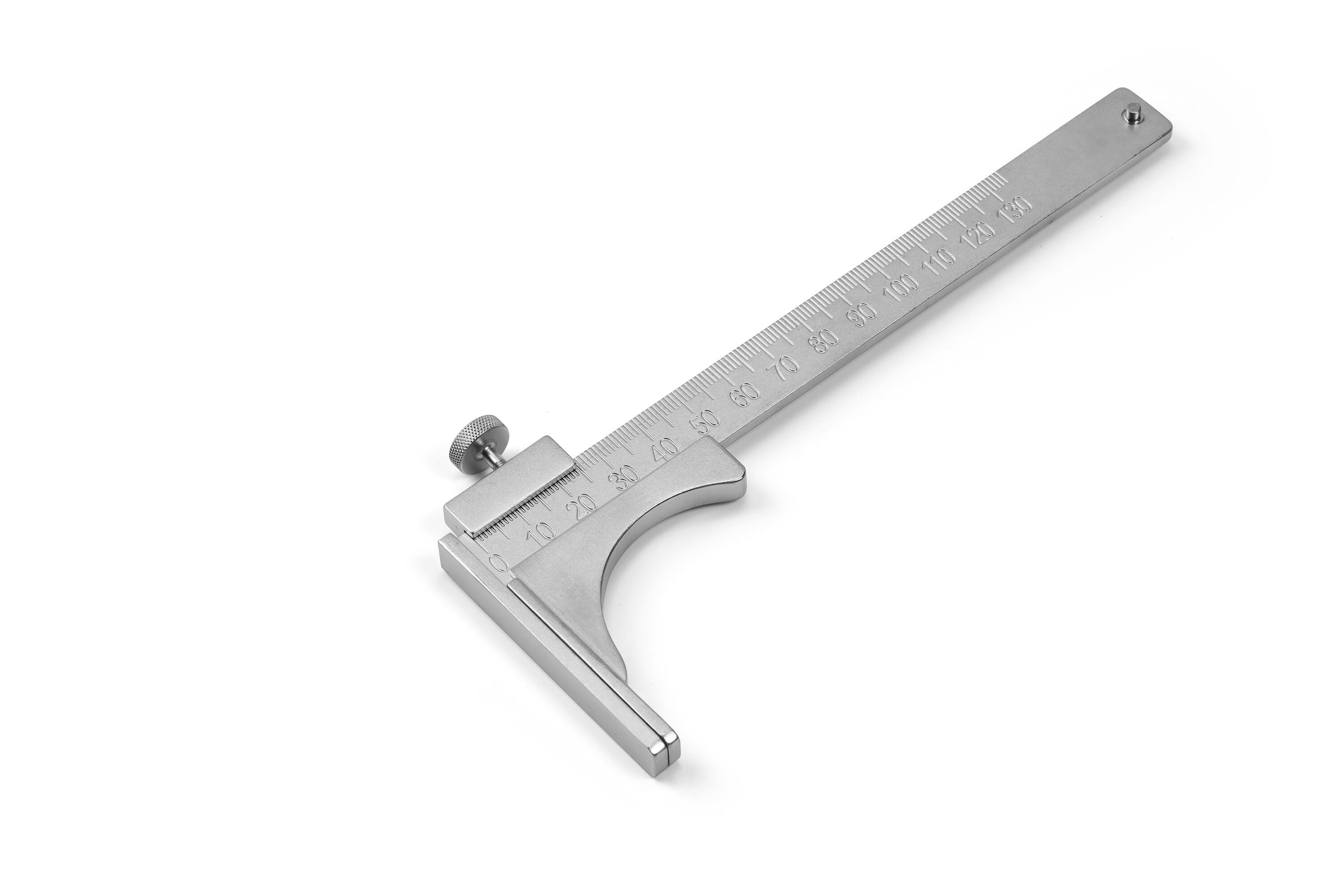
Hip and knee instruments contract manufacturing represents a specialized sector in medical device production, focusing on the precision engineering and fabrication of surgical instruments used in joint replacement procedures. This manufacturing process encompasses the creation of specialized tools, guides, and instruments essential for both hip and knee arthroplasty operations. These instruments are manufactured under strict quality control measures and regulatory compliance, ensuring they meet the exacting standards required for orthopedic surgical procedures. The manufacturing process integrates advanced CNC machining, precision grinding, and state-of-the-art finishing techniques to produce instruments that maintain consistent accuracy and reliability. Modern facilities employ computer-aided design (CAD) and computer-aided manufacturing (CAM) systems to ensure precise specifications are met throughout the production process. The manufacturing capabilities typically include the production of alignment guides, cutting blocks, trial implants, and specialized surgical tools designed for specific implant systems. These instruments undergo rigorous testing and validation processes to ensure they meet both regulatory requirements and surgeon expectations for performance and durability.
Popular Products

Hip and knee instruments contract manufacturing offers numerous compelling advantages for medical device companies and healthcare providers. First, it provides access to specialized expertise and advanced manufacturing capabilities without the need for significant capital investment in equipment and facilities. This arrangement allows companies to focus on their core competencies while relying on experienced manufacturers for production. Cost efficiency is achieved through economies of scale and optimized production processes, reducing overall manufacturing expenses. The flexible production capacity enables companies to adjust their inventory levels according to market demand, minimizing storage costs and reducing the risk of obsolescence. Quality assurance is enhanced through dedicated quality management systems and specialized testing procedures, ensuring consistent product quality and regulatory compliance. Contract manufacturers often maintain multiple certifications and quality standards, providing peace of mind for clients and end-users. The reduced time-to-market is another significant advantage, as established manufacturers have streamlined processes and existing validation protocols. Additionally, contract manufacturing partners often provide valuable input during the design and development phase, leveraging their manufacturing expertise to suggest improvements that enhance producibility and reduce costs. This collaborative approach can lead to more efficient designs and improved product performance.

Latest News

Technical Breakthroughs and Cost Reconstruction of Swiss Type Lathes

21

Aug

Technical Breakthroughs and Cost Reconstruction of Swiss Type Lathes

View More
Precision Upgrade of Swiss Type Lathes in the Era of Orthopedic Surgical Robots

21

Aug

Precision Upgrade of Swiss Type Lathes in the Era of Orthopedic Surgical Robots

View More
Mill-Turn Machining Centers: The Precision Force Reshaping Orthopedic Medical Device Manufacturing

21

Aug

Mill-Turn Machining Centers: The Precision Force Reshaping Orthopedic Medical Device Manufacturing

View More

Get a Free Quote

Our representative will contact you soon.
Email
Name
Company Name
Message
0/1000

hip and knee instruments contract manufacturing

Advanced Manufacturing Capabilities

Advanced Manufacturing Capabilities

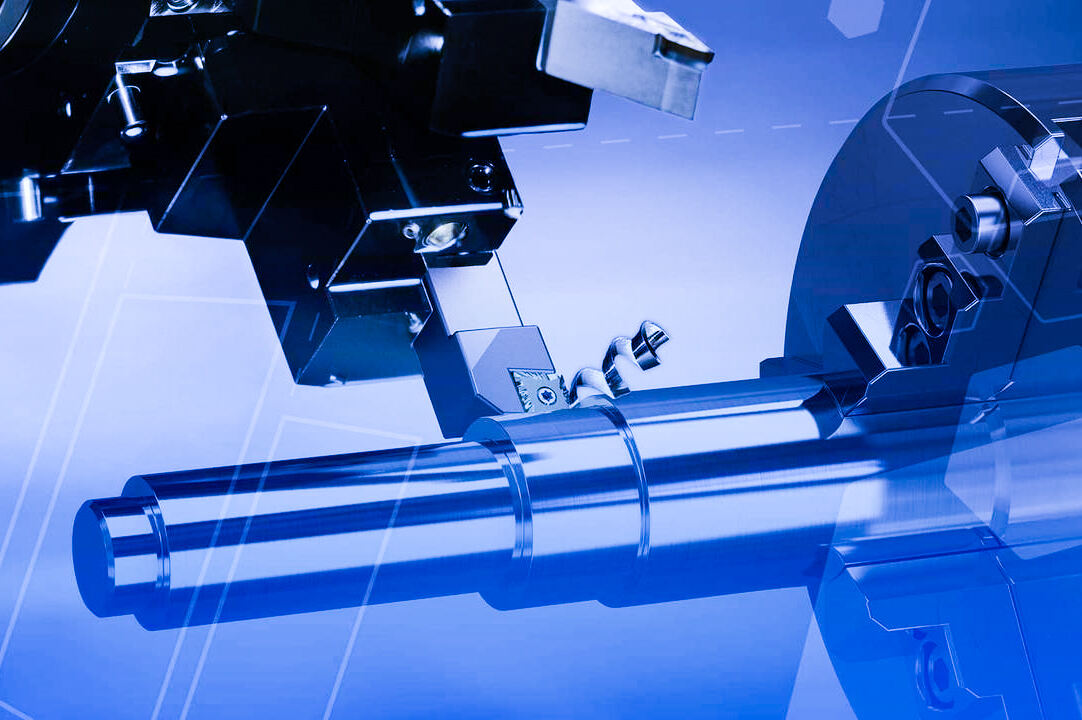
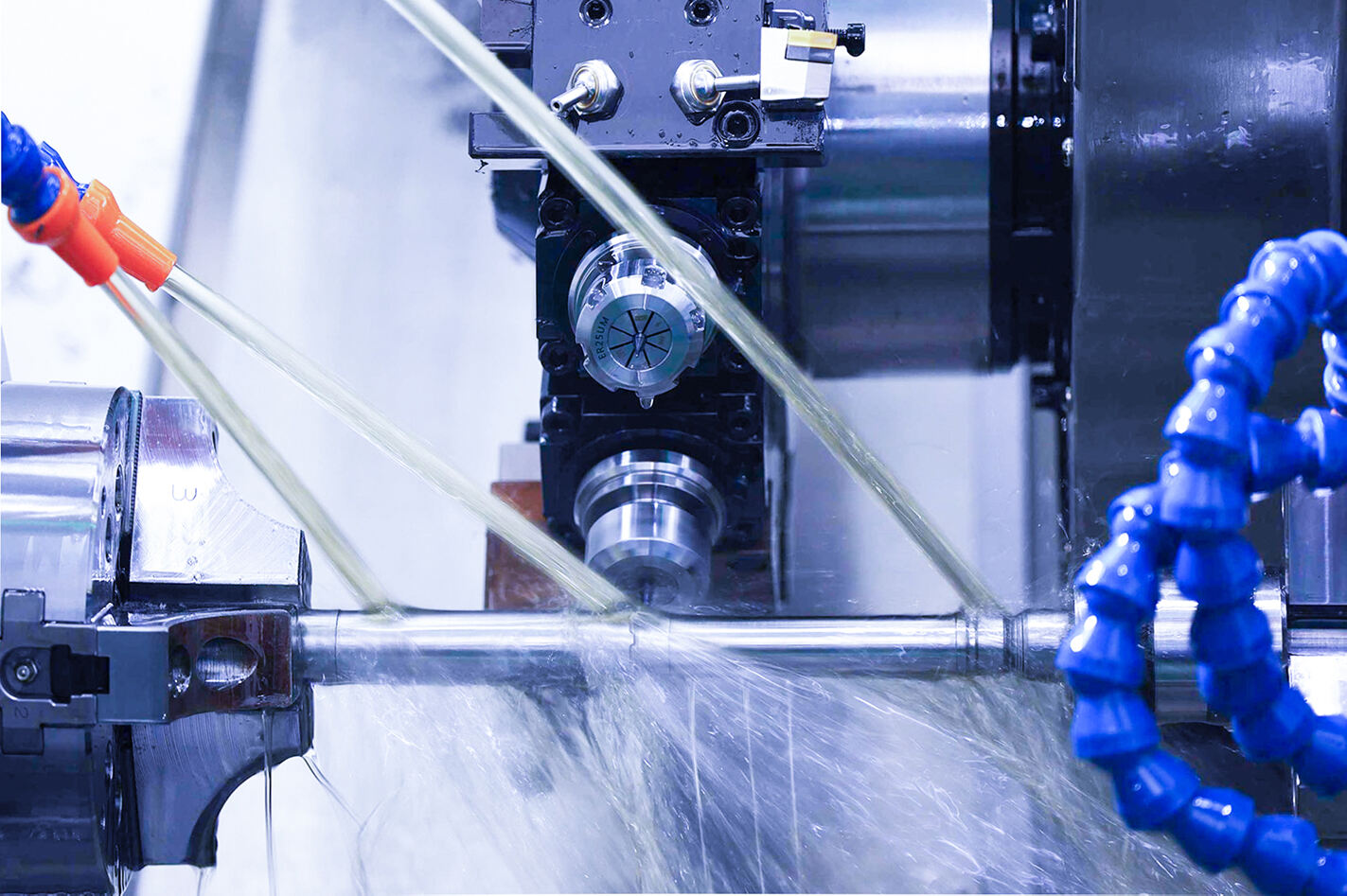
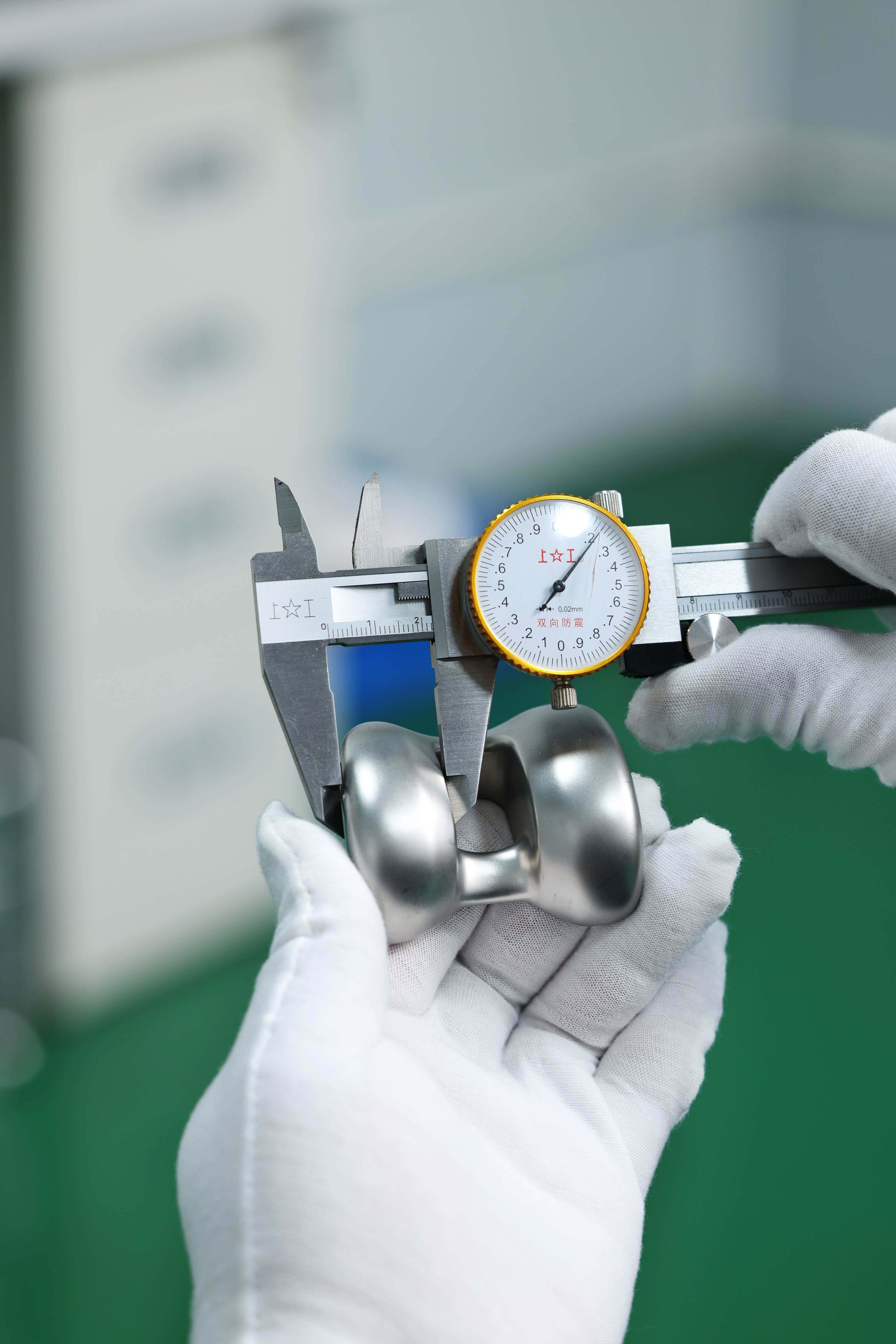
The advanced manufacturing capabilities in hip and knee instruments contract manufacturing represent a cornerstone of modern orthopedic instrument production. These facilities utilize state-of-the-art five-axis CNC machining centers, enabling the production of complex geometric shapes with exceptional precision. The manufacturing process incorporates advanced metrology systems for real-time quality control and validation, ensuring each instrument meets exact specifications. This technological sophistication allows for the production of instruments with tolerances as tight as ±0.001 inches, crucial for ensuring proper fit and function during surgical procedures. The manufacturing facilities also employ automated inspection systems and coordinate measuring machines (CMM) to verify dimensional accuracy throughout the production process.
Quality Control and Regulatory Compliance

Quality Control and Regulatory Compliance

Quality control and regulatory compliance form the foundation of hip and knee instruments contract manufacturing. Manufacturers maintain comprehensive quality management systems that align with ISO 13485 standards and FDA requirements. Each production batch undergoes multiple inspection points, from incoming material verification to final product testing. The quality control process includes surface finish analysis, dimensional verification, and functional testing to ensure each instrument meets predetermined specifications. Documentation and traceability systems track each instrument from raw material to finished product, enabling quick response to any quality concerns. Regular audits and continuous monitoring ensure consistent compliance with regulatory requirements and industry standards.
Customization and Design Support

Customization and Design Support

Contract manufacturers offer extensive customization options and design support services for hip and knee instruments. This includes collaboration with surgical teams and medical device companies to develop innovative instrument designs that improve surgical outcomes. The design process incorporates feedback from surgeons and considers factors such as ergonomics, sterilization requirements, and ease of use in the operating room. Advanced prototyping capabilities allow for rapid iteration and validation of new designs, reducing development time and costs. The manufacturing teams provide valuable input on material selection, surface treatments, and design optimizations that enhance product durability and performance while maintaining cost-effectiveness.

Get a Free Quote

Our representative will contact you soon.
Email
Name
Company Name
Message
0/1000